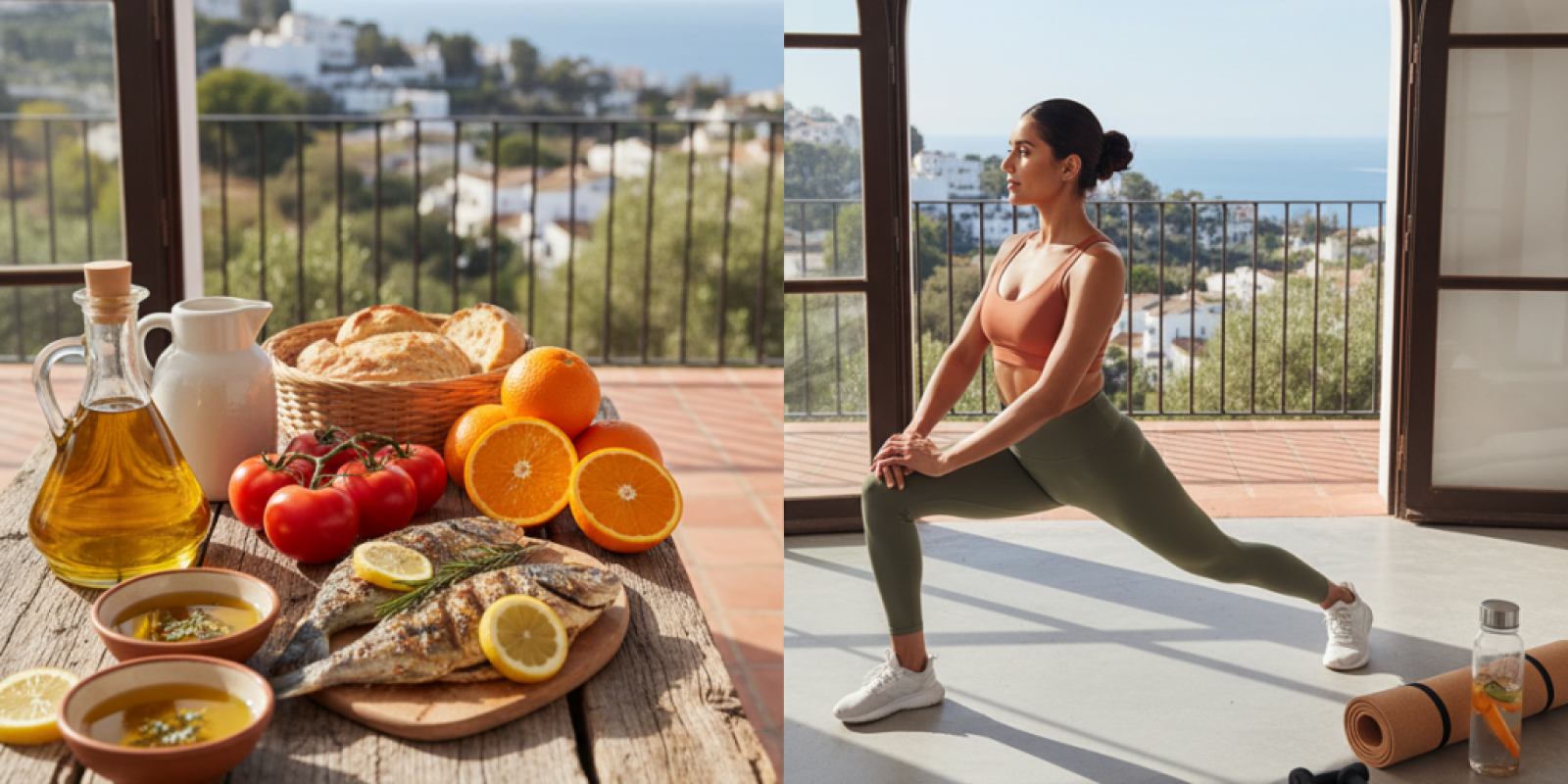
How Spanish Women Stay Fit: Traditional Foods and Modern Fitness
Table of Contents
1. Introduction: The Spanish Approach to Wellness
2. The Foundation: Mediterranean Diet and Spanish Traditions
3. Traditional Spanish Foods That Promote Health
4. The Spanish Lifestyle: More Than Just Diet
5. Modern Fitness Trends Among Spanish Women
6. Balancing Tradition with Contemporary Wellness
7. Lessons We Can Learn from Spanish Women
8. Conclusion
9. Frequently Asked Questions
Introduction: The Spanish Approach to Wellness
Have you ever wondered why Spanish women seem to effortlessly maintain their health and vitality well into their golden years? Walking through the streets of Madrid, Barcelona, or any Spanish city, you’ll notice something remarkable – women of all ages exude a natural confidence and energy that’s truly captivating.
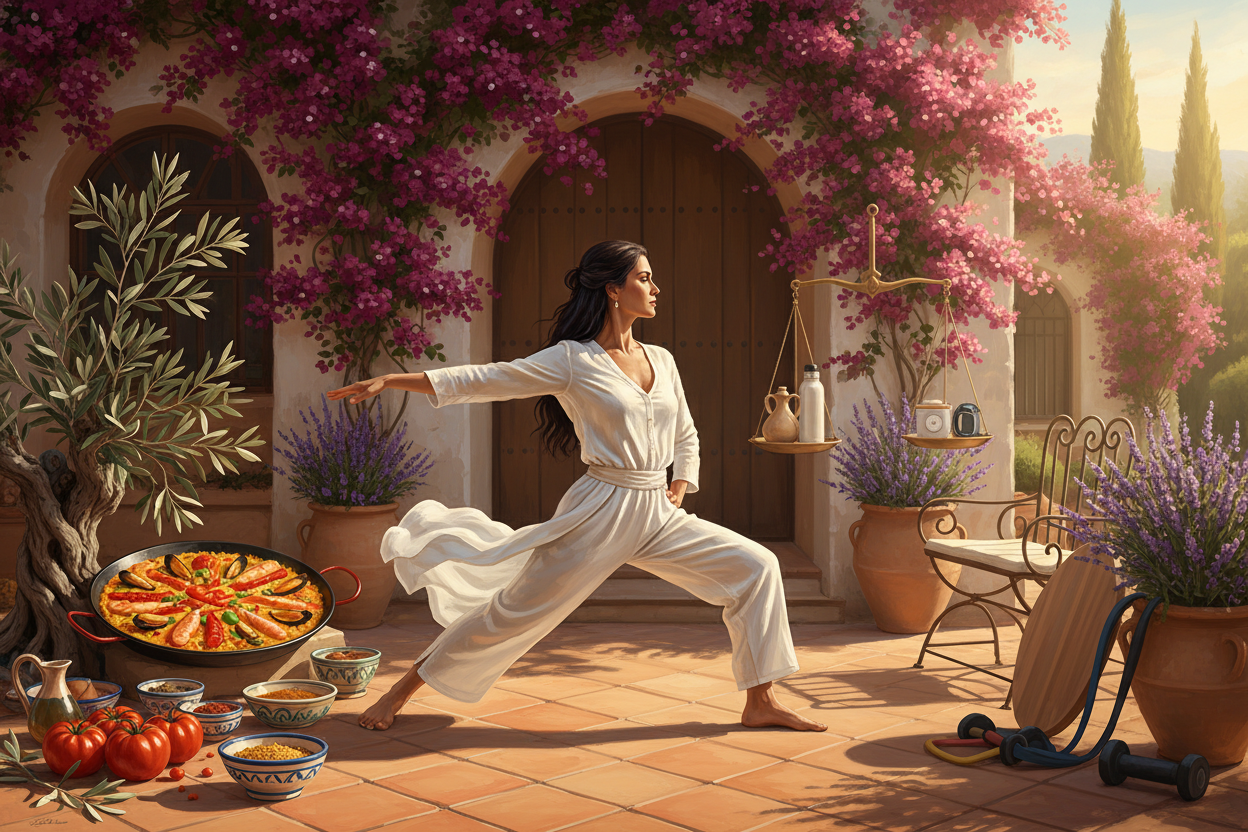
The secret isn’t found in expensive gym memberships or trendy superfoods. Instead, it lies in a beautiful blend of time-honored traditions and smart modern choices. Spanish women have mastered the art of staying fit by embracing their rich culinary heritage while adapting to contemporary fitness trends that complement their lifestyle.
This isn’t about restrictive dieting or punishing workout routines. It’s about understanding how culture, food, and movement can work together to create sustainable wellness habits that last a lifetime. Let’s explore the fascinating world of Spanish women’s approach to health and fitness.
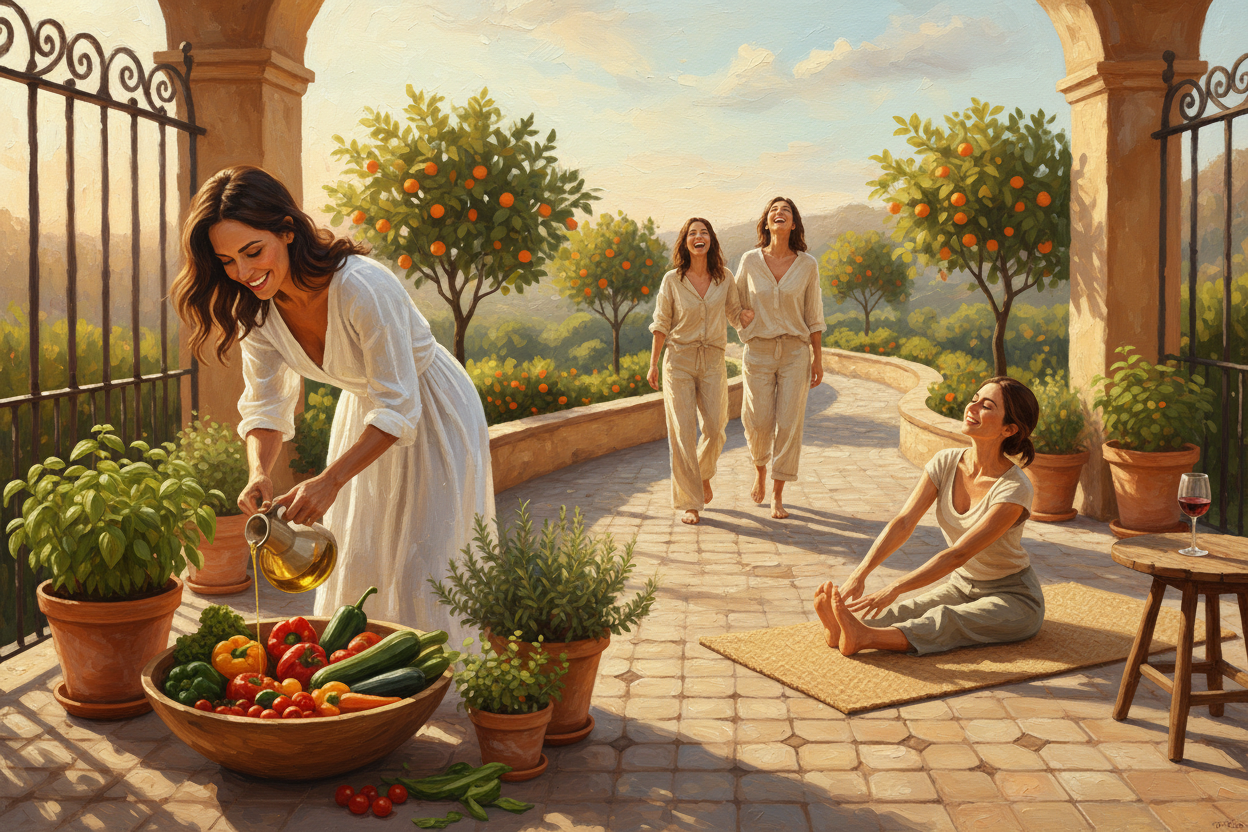
The Foundation: Mediterranean Diet and Spanish Traditions
The Mediterranean diet isn’t just a trending hashtag – it’s been the backbone of Spanish nutrition for centuries. Spanish women grow up understanding that food is medicine, pleasure, and social connection all rolled into one delicious package.
What makes the Spanish approach unique is how they’ve maintained their traditional eating patterns despite globalization pressures. While fast food chains have certainly made their mark, the core Spanish diet remains rooted in fresh, whole foods that naturally support a healthy weight and vibrant energy levels.
The Spanish eating schedule itself plays a crucial role in maintaining fitness. The traditional pattern of a light breakfast, substantial lunch, and moderate dinner aligns surprisingly well with modern intermittent fasting principles. This natural rhythm helps regulate metabolism and prevents the constant snacking that can derail fitness goals.
Traditional Spanish Foods That Promote Health
Spanish cuisine offers a treasure trove of foods that naturally support fitness and health goals. These aren’t exotic superfoods – they’re everyday ingredients that Spanish women have been using for generations.
Olive oil stands as the cornerstone of Spanish cooking, and for good reason. Rich in monounsaturated fats and antioxidants, it supports heart health and helps the body absorb fat-soluble vitamins. Spanish women don’t fear this healthy fat – they embrace it as an essential part of their daily nutrition.
Seafood plays a starring role in the Spanish diet, providing lean protein and omega-3 fatty acids that support muscle maintenance and brain health. From grilled sardines to paella loaded with prawns and mussels, Spanish women regularly consume fish that keeps them feeling satisfied and energized.
Legumes like chickpeas, lentils, and white beans appear in countless Spanish dishes. These protein-packed powerhouses provide sustained energy, fiber for digestive health, and plant-based nutrients that support overall wellness. A warm bowl of lentejas (lentil stew) isn’t just comfort food – it’s fitness fuel.
Fresh vegetables and fruits are non-negotiable in traditional Spanish cooking. Tomatoes, peppers, onions, and garlic form the sofrito base for many dishes, providing antioxidants and flavor without excess calories. Seasonal fruits like oranges, figs, and grapes satisfy sweet cravings naturally.
The Spanish Lifestyle: More Than Just Diet
Spanish women understand that staying fit involves much more than what’s on their plate. Their lifestyle naturally incorporates movement and stress management in ways that support long-term health and fitness.
The concept of “paseo” – the evening stroll – is deeply embedded in Spanish culture. After dinner, families and friends take leisurely walks through their neighborhoods, combining gentle exercise with social connection. This daily habit provides low-impact cardio while strengthening community bonds and reducing stress.
Spanish women also benefit from a culture that values rest and relaxation. The famous siesta isn’t just about napping – it’s about honoring the body’s natural rhythms and avoiding the chronic stress that can sabotage fitness goals. This cultural wisdom recognizes that rest is just as important as activity for maintaining health.
Social eating is another crucial element. Meals are rarely rushed affairs eaten alone in front of screens. Instead, Spanish women gather with family and friends, eating slowly and mindfully. This approach naturally leads to better digestion, portion control, and greater meal satisfaction.
Modern Fitness Trends Among Spanish Women
While honoring their traditions, Spanish women have enthusiastically embraced modern fitness trends that complement their lifestyle. They’ve found ways to blend contemporary exercise science with their cultural values of balance and enjoyment.
Pilates has become incredibly popular among Spanish women, particularly in urban areas. This low-impact exercise method aligns perfectly with the Spanish preference for sustainable, long-term approaches to fitness rather than extreme, short-lived efforts.
Yoga studios have flourished across Spain, offering Spanish women a way to combine physical fitness with stress management and mindfulness. The holistic approach of yoga resonates with the Spanish understanding that true wellness encompasses body, mind, and spirit.
Functional fitness and bodyweight training have gained traction among younger Spanish women who appreciate efficient workouts that can be done anywhere. These approaches fit well with busy modern lifestyles while maintaining the Spanish preference for practical, sustainable solutions.
Group fitness classes, from Zumba to spinning, appeal to the Spanish love of community and social connection. Rather than seeing exercise as a solitary struggle, Spanish women often choose activities that combine fitness with friendship and fun.
Balancing Tradition with Contemporary Wellness
The real genius of how Spanish women stay fit lies in their ability to balance traditional wisdom with modern knowledge. They haven’t abandoned their cultural heritage in pursuit of the latest wellness trends – instead, they’ve found ways to enhance their traditional practices with contemporary insights.
For example, while maintaining their love for traditional Spanish dishes, many Spanish women have learned to adjust portion sizes and cooking methods based on modern nutritional science. They might prepare a classic gazpacho but add extra vegetables for fiber, or enjoy paella but increase the seafood-to-rice ratio for more protein.
Spanish women have also embraced the concept of meal timing and frequency that aligns with both tradition and modern research. Their natural eating pattern of larger lunches and lighter dinners supports metabolic health while honoring cultural norms around family meals and social eating.
Technology has been integrated thoughtfully into their fitness routines. Many Spanish women use fitness apps and wearable devices to track their activity, but they don’t let technology replace the joy of outdoor walks, social sports, or traditional dance.
Lessons We Can Learn from Spanish Women
The Spanish approach to fitness offers valuable lessons that anyone can apply, regardless of their cultural background. These principles focus on sustainability, enjoyment, and integration rather than extreme measures or quick fixes.
First, embrace food as both fuel and pleasure. Spanish women don’t view eating as the enemy of fitness – they see nutritious, delicious food as essential for maintaining energy and motivation for an active lifestyle. This positive relationship with food creates a sustainable foundation for long-term health.
Second, prioritize consistency over intensity. The daily paseo, regular meal times, and consistent sleep schedules create a framework that supports fitness goals without requiring heroic efforts or dramatic lifestyle changes.
Third, make fitness social and enjoyable. Spanish women rarely exercise alone or view fitness as punishment. They find ways to combine movement with social connection, making exercise something to look forward to rather than endure.
Fourth, honor your body’s natural rhythms. The Spanish respect for rest, seasonal eating, and age-appropriate activities demonstrates wisdom about working with the body rather than against it.
Finally, focus on the long game. Spanish women understand that true fitness isn’t about achieving a perfect body by summer – it’s about maintaining health, energy, and vitality throughout life’s various stages.
Conclusion
The secret to how Spanish women stay fit isn’t really a secret at all – it’s a time-tested approach that combines nutritious traditional foods with enjoyable, sustainable movement and a lifestyle that values balance over extremes.
By embracing the wisdom of the Mediterranean diet while adapting modern fitness trends to complement rather than replace cultural traditions, Spanish women have created a blueprint for lifelong wellness that prioritizes both health and happiness.
Perhaps most importantly, Spanish women remind us that staying fit doesn’t require suffering or sacrifice. Instead, it can be a joyful integration of delicious food, pleasant movement, strong relationships, and respect for our body’s natural wisdom.
Whether you’re inspired to add more olive oil to your cooking, take evening walks with friends, or simply approach fitness with more patience and pleasure, the Spanish example offers a refreshing alternative to diet culture’s harsh demands. Sometimes the best path to fitness is the one that feels most natural and sustainable – and Spanish women have been proving this for generations.
Frequently Asked Questions
What is the typical daily eating schedule for Spanish women?
Spanish women typically eat a light breakfast around 8-9 AM, a substantial lunch between 2-3 PM (the main meal of the day), and a lighter dinner around 9-10 PM. This pattern naturally creates periods of fasting that can support metabolic health.
Do Spanish women count calories or follow specific diets?
Most traditional Spanish women don’t count calories or follow restrictive diets. Instead, they rely on portion control, seasonal eating, and the natural balance provided by Mediterranean diet principles. They focus on food quality rather than strict quantity measurements.
What are the most popular forms of exercise among Spanish women?
Popular activities include walking (paseo), Pilates, yoga, swimming, dancing, and group fitness classes. Many Spanish women prefer activities that can be done socially and don’t require expensive equipment or gym memberships.
How do Spanish women maintain their fitness as they age?
Spanish women adapt their activities to their age and physical capabilities while maintaining consistency. They might transition from high-impact sports to walking, swimming, or gentle yoga, but they rarely become completely sedentary.
Can the Spanish approach to fitness work in other cultures?
Yes, the core principles – eating whole foods, staying consistently active, prioritizing social connections, and maintaining balance – can be adapted to any culture. The key is finding ways to integrate these concepts with your own cultural foods and lifestyle preferences.
What role does stress management play in Spanish women’s fitness?
Stress management is crucial in the Spanish approach. The emphasis on rest (siesta), social eating, leisurely walks, and work-life balance all contribute to lower stress levels, which supports both physical and mental health.