German Approach to Women’s Fitness: Seasonal Foods and Exercise
Table of Contents
1. Introduction: The German Philosophy of Seasonal Living
2. Understanding the German Seasonal Fitness Framework
3. Spring Awakening: Fresh Foods and Gentle Movement
4. Summer Vitality: Peak Performance and Abundant Nutrition
5. Autumn Preparation: Building Strength for Winter
6. Winter Wellness: Indoor Activities and Hearty Nutrition
7. The Science Behind Seasonal Eating for Women’s Health
8. Practical Tips for Implementing the German Approach
9. Conclusion: Embracing Natural Rhythms for Lasting Wellness
10. Frequently Asked Questions
Introduction: The German Philosophy of Seasonal Living
When I first moved to Munich three years ago, I was struck by how naturally German women seemed to flow with the seasons. Unlike the rigid fitness routines I was accustomed to back home, these women embraced a more intuitive approach that changed with the weather, local harvests, and natural energy cycles.
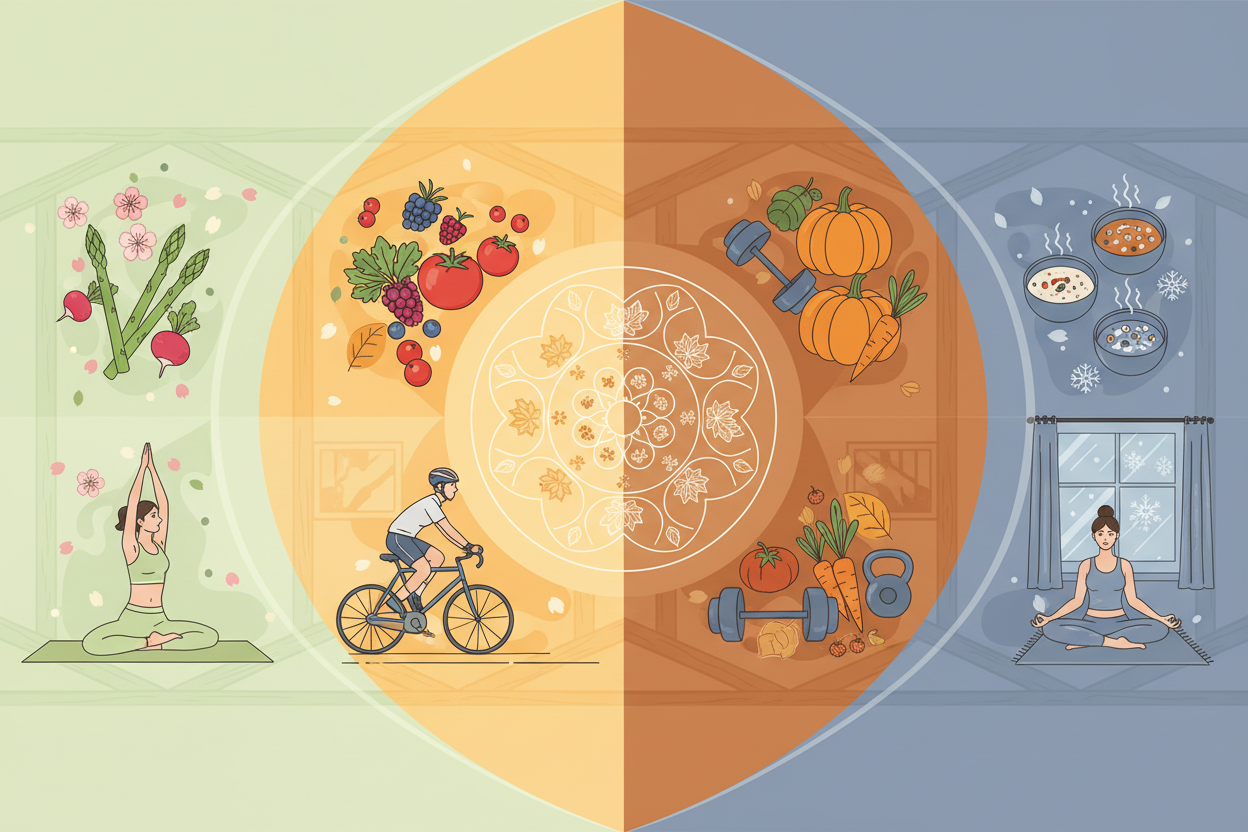
The German approach to women’s fitness isn’t about following the latest Instagram trend or pushing through exhaustion year-round. Instead, it’s rooted in centuries-old wisdom that recognizes our bodies’ need to adapt and respond to seasonal changes. This holistic philosophy combines seasonal eating with appropriate exercise routines, creating a sustainable lifestyle that supports women’s unique physiological needs throughout the year.
This comprehensive guide explores how German women have mastered the art of seasonal fitness, incorporating locally sourced foods and weather-appropriate activities to maintain optimal health and vitality. You’ll discover practical strategies that you can implement regardless of where you live, helping you develop a more balanced and sustainable approach to wellness.
Understanding the German Seasonal Fitness Framework
The German seasonal fitness approach is built on the principle of “Jahreszeitenfitness” – literally meaning “seasonal fitness.” This concept acknowledges that our bodies naturally crave different types of movement and nutrition as the seasons change. Rather than fighting against these natural rhythms, German women work with them.

This framework recognizes that women’s bodies undergo various hormonal fluctuations throughout the year, influenced by factors like daylight exposure, temperature changes, and seasonal stress patterns. By aligning fitness routines and nutritional choices with these natural cycles, women can optimize their energy levels, maintain healthy weight, and support overall wellbeing.
The approach emphasizes four key principles: seasonal food consumption, weather-appropriate exercise, community engagement, and mindful adaptation to natural light cycles. Each season brings its own opportunities and challenges, and the German method teaches women to embrace both with equal enthusiasm.
Spring Awakening: Fresh Foods and Gentle Movement
Spring in Germany marks a time of renewal and gentle awakening after the long winter months. German women approach this season with what they call “Frühjahrsputz” – not just for their homes, but for their bodies as well.
During spring, the focus shifts to detoxification and gradual energy building. Fresh asparagus, tender lettuce, radishes, and early herbs like dandelion and nettle become dietary staples. These foods are naturally cleansing and provide essential vitamins after winter’s heavier fare. Wild garlic, or “Bärlauch,” is particularly prized for its liver-supporting properties and fresh, garlicky flavor that awakens the palate.
Exercise routines in spring emphasize gentle awakening movements. Morning yoga sessions become popular as daylight hours increase, and many women begin incorporating outdoor walks into their daily routines. The famous German “Waldspaziergang” (forest walks) gain momentum during this season, combining the benefits of gentle cardio with the mental health benefits of forest bathing.
Cycling also resurfaces as a primary form of transportation and exercise. German cities are incredibly bike-friendly, and spring weather makes cycling an enjoyable way to commute while incorporating fitness into daily life. This practical approach to exercise exemplifies the German philosophy of integrating movement naturally into everyday activities.
Summer Vitality: Peak Performance and Abundant Nutrition
Summer represents the peak energy season in the German fitness calendar. With up to 16 hours of daylight in northern Germany, women naturally experience higher energy levels and increased motivation for more intensive physical activities.
The summer diet becomes abundant with fresh berries, stone fruits, leafy greens, and vegetables. Farmers’ markets overflow with local produce, and German women take full advantage of this seasonal bounty. Cold soups like “Kalte Gurkensuppe” (cold cucumber soup) and fresh salads featuring local ingredients become dietary staples. The emphasis is on hydrating, cooling foods that support increased activity levels while providing sustained energy.
Exercise routines intensify during summer months. Outdoor swimming in lakes and rivers becomes a popular full-body workout, while hiking in the Alps or other mountain regions provides both cardiovascular benefits and mental rejuvenation. Many German women participate in “Volkssport” events – community walking or cycling events that combine fitness with social interaction.
Beach volleyball, outdoor fitness classes in parks, and extended cycling tours become common activities. The key is taking advantage of the extended daylight hours and pleasant weather to engage in activities that would be impossible or less enjoyable during other seasons.
Autumn Preparation: Building Strength for Winter
As autumn arrives, German women intuitively begin preparing their bodies for the upcoming winter months. This season focuses on building strength and storing energy while supporting the immune system through targeted nutrition.
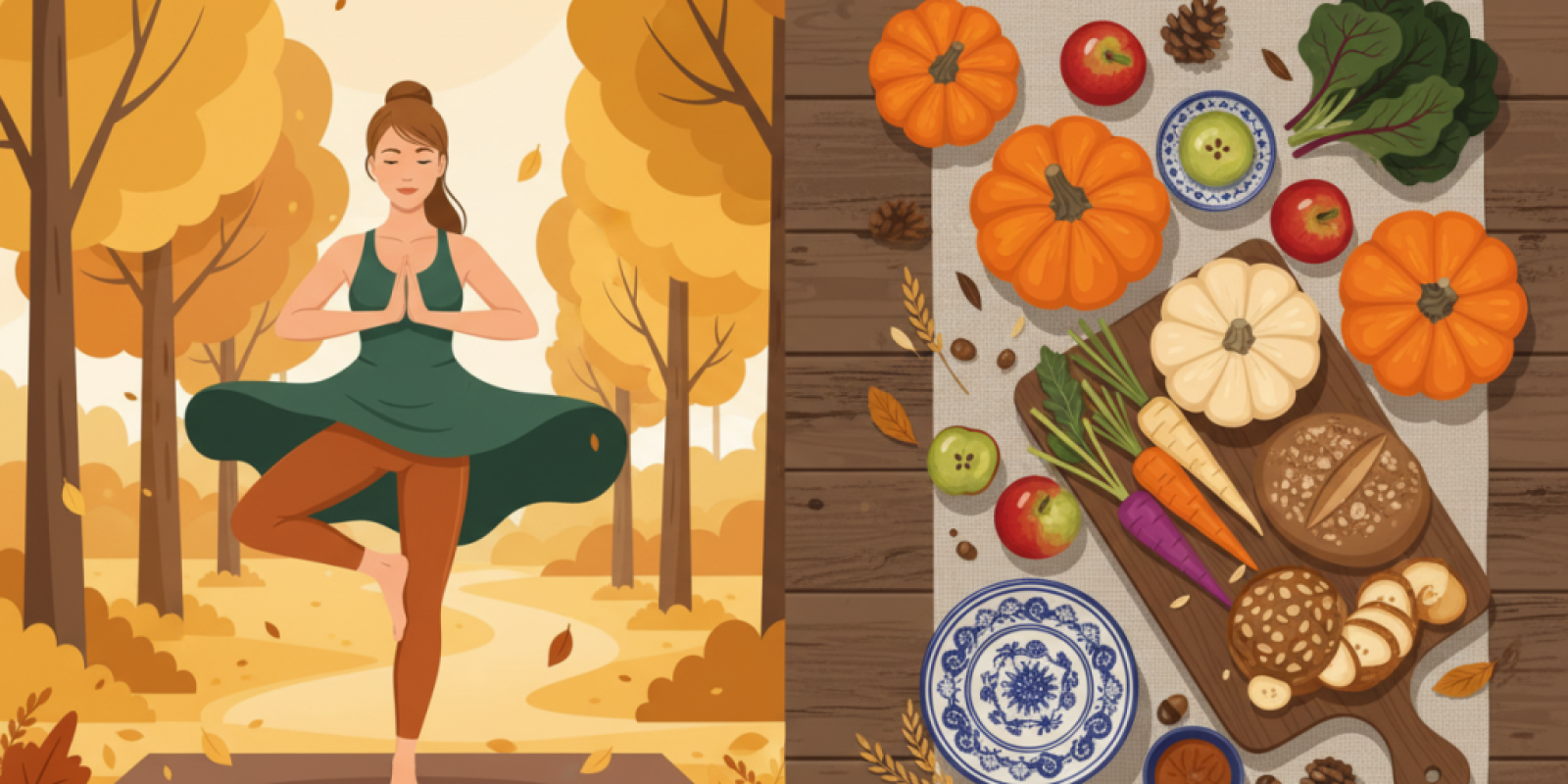
Autumn foods in the German diet include hearty root vegetables, pumpkins, apples, pears, and nuts. Sauerkraut preparation begins in earnest, providing probiotics that will support gut health throughout the winter. Warming spices like cinnamon, ginger, and cardamom are incorporated into meals to support circulation and digestion as temperatures drop.
Exercise routines shift toward strength building and immune system support. Many women begin transitioning to indoor fitness activities while still taking advantage of crisp autumn weather for outdoor activities. Hiking remains popular, but the focus shifts to building leg strength and endurance for winter sports.
Resistance training becomes more prominent during autumn months, helping women build the muscle mass and bone density that will support them through the less active winter period. This proactive approach helps prevent the seasonal muscle loss that many women experience during colder months.
Winter Wellness: Indoor Activities and Hearty Nutrition
Winter in Germany can be long and dark, but rather than viewing this as a fitness obstacle, German women embrace it as a time for different types of wellness activities. The concept of “Hygge” – borrowed from their Danish neighbors – influences how German women approach winter fitness.
Winter nutrition focuses on warming, nourishing foods that support energy and mood during darker months. Hearty stews featuring root vegetables, legumes, and lean proteins become dietary staples. Fermented foods like sauerkraut and kimchi provide essential probiotics for immune support. Warming teas made from local herbs help maintain hydration and provide comfort during cold days.
Indoor exercise becomes the primary focus, but German women approach this creatively. Many participate in indoor climbing at local climbing gyms, join dance classes, or practice yoga and Pilates. Swimming at indoor pools remains popular, and many facilities offer specialized aqua fitness classes designed for winter wellness.
The concept of “Sauna culture” plays a significant role in winter wellness routines. Regular sauna sessions followed by cold plunges or snow rolling provide cardiovascular benefits while supporting immune function and mental health during darker months.
The Science Behind Seasonal Eating for Women’s Health
The German approach to seasonal eating isn’t just traditional wisdom – it’s backed by solid scientific principles that particularly benefit women’s health. Research shows that seasonal eating patterns can help regulate hormones, support reproductive health, and maintain optimal energy levels throughout the year.
Seasonal foods naturally provide the nutrients women’s bodies need during specific times of year. Spring’s bitter greens support liver detoxification after winter’s heavier foods. Summer’s hydrating fruits and vegetables help maintain electrolyte balance during increased activity and heat exposure. Autumn’s nuts and seeds provide healthy fats essential for hormone production, while winter’s warming foods support circulation and energy production during colder months.
Studies have shown that women who eat seasonally tend to have more stable blood sugar levels, better sleep patterns, and improved mood regulation compared to those following static dietary patterns year-round. The variety inherent in seasonal eating also ensures a broader spectrum of nutrients, supporting overall health and preventing deficiencies.
From an exercise perspective, seasonal adaptation helps prevent overuse injuries and burnout while maintaining year-round fitness. This approach acknowledges that women’s energy levels and physical capabilities naturally fluctuate with hormonal cycles, daylight exposure, and environmental factors.
Practical Tips for Implementing the German Approach
Adopting the German seasonal fitness approach doesn’t require moving to Bavaria or completely overhauling your lifestyle. Start by making small, sustainable changes that align with your local seasons and available resources.
Begin with seasonal eating by visiting local farmers’ markets and choosing produce that’s naturally in season in your area. Even if you live in a different climate than Germany, the principle remains the same: eat what grows naturally during each season in your region. This often means lighter, cooling foods in summer and heartier, warming foods in winter.
For exercise adaptation, pay attention to your natural energy levels and motivation throughout the year. You might find you naturally crave more intense workouts during longer days and prefer gentler activities during shorter, darker periods. Honor these instincts rather than forcing yourself to maintain identical routines year-round.
Create seasonal rituals that mark transitions between fitness phases. This might mean organizing your workout clothes seasonally, trying new activities as weather changes, or setting different types of goals for different seasons. The key is viewing these changes as positive adaptations rather than disruptions to your routine.
Consider incorporating elements of German wellness culture that translate well to any location: regular sauna sessions (or hot baths), forest walks (or nature walks in available green spaces), and community-based fitness activities that combine social interaction with physical movement.
Conclusion: Embracing Natural Rhythms for Lasting Wellness
The German approach to women’s fitness offers a refreshing alternative to the one-size-fits-all fitness mentality that dominates much of the wellness industry. By honoring natural seasonal rhythms and adapting both nutrition and exercise accordingly, women can create sustainable wellness practices that support long-term health and vitality.
This approach recognizes that true fitness isn’t about maintaining identical routines year-round or pushing through natural energy fluctuations. Instead, it’s about developing a deep understanding of your body’s needs and responding with appropriate nutrition and movement choices that change with the seasons.
The beauty of the German seasonal fitness philosophy lies in its sustainability and adaptability. Whether you’re dealing with hormonal changes, life transitions, or simply the natural ebb and flow of motivation throughout the year, this approach provides a framework for maintaining wellness without the guilt or pressure often associated with rigid fitness regimens.
By embracing seasonal variation in both diet and exercise, women can develop a more intuitive relationship with their bodies, reduce the risk of burnout and injury, and create lasting habits that support health and happiness throughout all seasons of life.
Frequently Asked Questions
Q: Can I follow the German seasonal approach if I live in a tropical climate?
A: Absolutely! The key is adapting the principles to your local environment. Focus on eating locally available seasonal produce and adjusting exercise intensity based on weather patterns, humidity levels, and your natural energy cycles rather than trying to replicate exact German seasonal patterns.
Q: How do I maintain fitness goals while following a seasonal approach?
A: Set seasonal goals rather than annual ones. For example, focus on building strength in autumn, maintaining fitness through enjoyable activities in winter, detoxing and rebuilding in spring, and peak performance in summer. This approach actually supports better long-term results than static goal-setting.
Q: Is seasonal eating more expensive than regular grocery shopping?
A: Seasonal eating is often more economical because you’re purchasing produce when it’s most abundant and therefore least expensive. Shopping at farmers’ markets and choosing local, in-season produce typically costs less than buying out-of-season items that have been shipped long distances.
Q: How quickly will I see results from adopting a seasonal fitness approach?
A: Many women notice improved energy levels and better sleep within 2-4 weeks of aligning their eating and exercise with seasonal patterns. However, the most significant benefits – like improved hormone balance and reduced seasonal mood fluctuations – typically become apparent after following the approach for a full seasonal cycle.
Q: Can this approach help with seasonal depression or winter blues?
A: While not a cure for clinical depression, many aspects of the German seasonal approach – including light exposure during outdoor winter activities, community-based fitness, and nutrient-dense seasonal foods – can support mental health during darker months. Always consult with healthcare providers for persistent mood concerns.