Summer Salad Revolution: Quick Recipes from Global Cuisines
Table of Contents
1. Introduction: Why Global Salads Are Perfect for Summer
2. The Mediterranean Magic: Greek Village Salad
3. Asian Fusion Fresh: Thai Cucumber Salad
4. Middle Eastern Delight: Fattoush Salad
5. Latin American Zest: Mexican Street Corn Salad
6. European Elegance: German Cucumber Salad
7. Tips for Creating Your Own Global Salad Masterpieces
8. Conclusion: Embrace the Worldwide Flavor Journey
9. Frequently Asked Questions
Introduction: Why Global Salads Are Perfect for Summer
When the mercury rises and your kitchen feels like a sauna, the last thing you want is to spend hours cooking over a hot stove. That’s where the beauty of international salads comes into play. These refreshing dishes from around the world offer incredible flavors without requiring you to break a sweat in the kitchen.
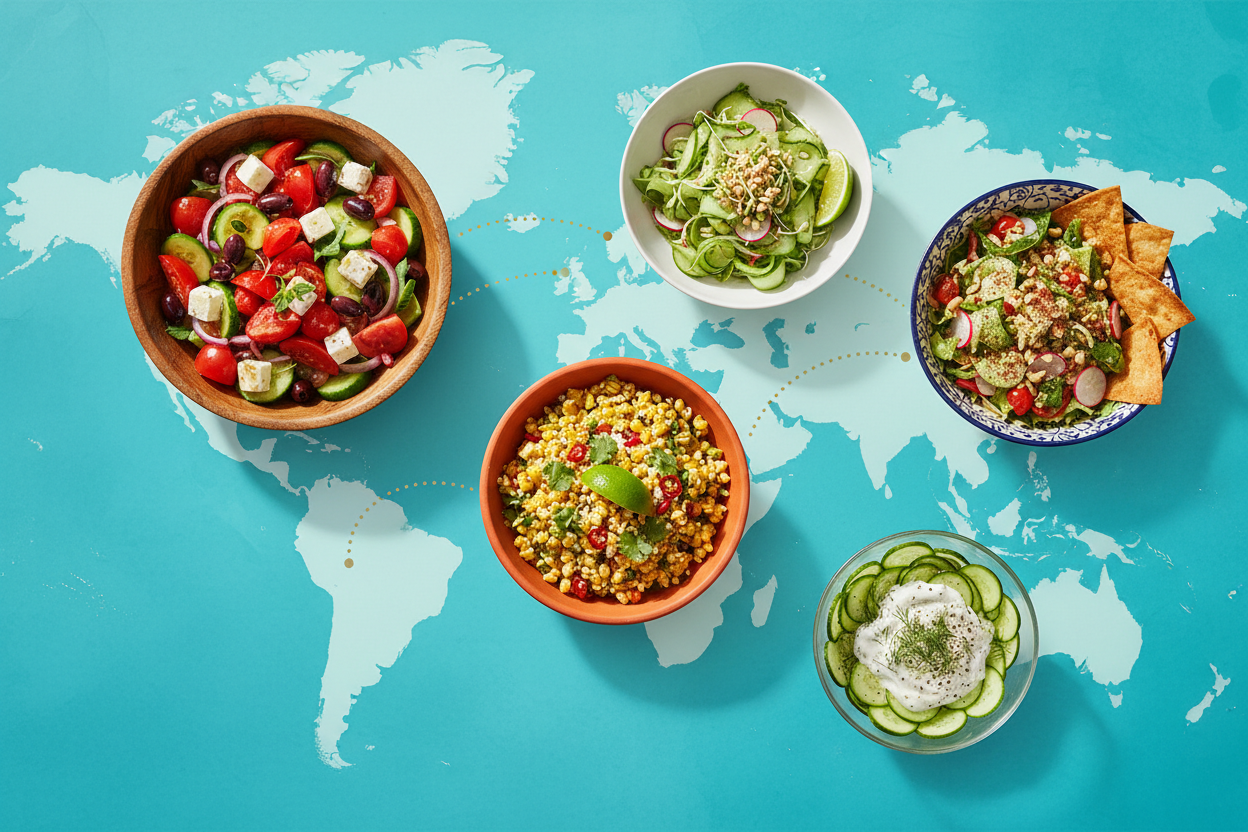
I’ve spent countless summer evenings experimenting with salad recipes from different cultures, and let me tell you – there’s nothing quite like discovering how a simple combination of fresh ingredients can transport your taste buds across continents. From the sun-drenched shores of the Mediterranean to the bustling street markets of Bangkok, each culture has perfected its own approach to creating cool, satisfying meals that celebrate seasonal produce.
What makes these global salad recipes truly revolutionary is their ability to transform humble ingredients into extraordinary culinary experiences. They’re not just about lettuce and tomatoes anymore – we’re talking about bold flavor combinations, unique textures, and cooking techniques that have been perfected over generations.
The Mediterranean Magic: Greek Village Salad
Let’s start our culinary journey in the Greek islands, where the traditional horiatiki salad has been cooling down locals for centuries. This isn’t your typical Greek salad with iceberg lettuce – authentic Greek village salad contains no lettuce whatsoever.
The secret lies in using the ripest tomatoes you can find, preferably heirloom varieties that burst with flavor. Cut them into generous wedges and let them sit with coarse sea salt for about ten minutes. This draws out their natural juices, creating the base of your dressing.
Add thick slices of cucumber, red onion rings that have been soaked in cold water to mellow their bite, and chunks of good-quality feta cheese. The olives should be Kalamata or another Greek variety – their briny richness is essential to the dish’s character.
For the dressing, forget complicated vinaigrettes. Simply drizzle extra virgin olive oil generously over everything, add a splash of red wine vinegar, and sprinkle with dried oregano. The tomato juices, olive oil, and cheese create a naturally creamy coating that’s absolutely divine when soaked up with crusty bread.
Asian Fusion Fresh: Thai Cucumber Salad
Moving east to Thailand, we encounter som tam taeng, a refreshing cucumber salad that perfectly balances sweet, sour, salty, and spicy elements. This dish taught me that salads don’t have to be boring – they can be flavor explosions that wake up every taste bud.
Start with English cucumbers, which have fewer seeds and a crispier texture than regular varieties. Use a vegetable peeler to create long, thin ribbons, or julienne them into matchsticks if you prefer more structure. The key is getting them as thin as possible while maintaining their crunch.
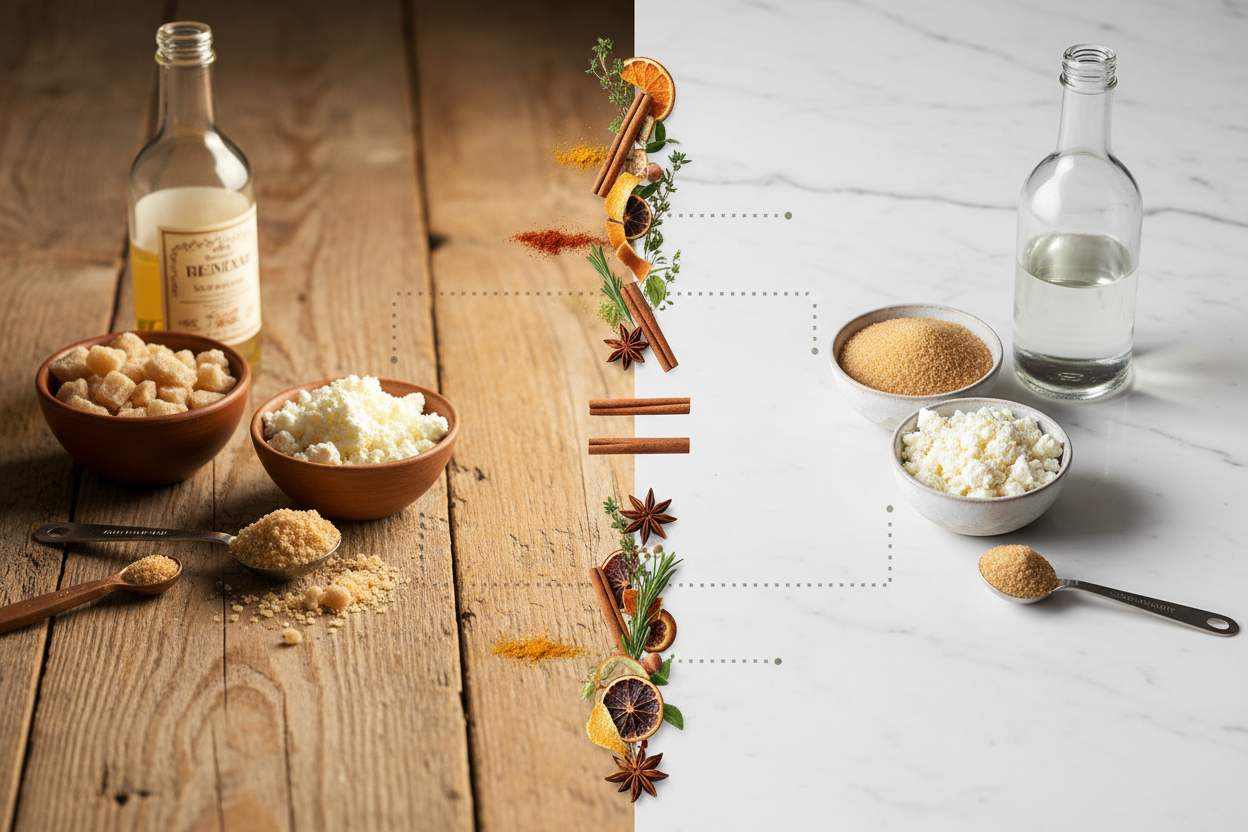
The dressing is where the magic happens. In a small bowl, whisk together fresh lime juice, fish sauce, and palm sugar (brown sugar works as a substitute). The ratio should be roughly equal parts of each, but taste as you go – some limes are more tart than others, and fish sauce brands vary in saltiness.
Add thinly sliced bird’s eye chilies for heat, crushed peanuts for crunch, and fresh cilantro for brightness. When you toss everything together, the cucumbers should glisten with the dressing while maintaining their crisp texture. This salad is best served immediately, as the cucumbers will release water over time.
Middle Eastern Delight: Fattoush Salad
From the Levantine region comes fattoush, a peasant salad that transforms day-old pita bread into something spectacular. I first encountered this dish at a small Lebanese restaurant, and I was amazed at how the crispy bread pieces soaked up the tangy sumac dressing while still maintaining some texture.
The foundation of fattoush is mixed greens – romaine lettuce, arugula, and fresh herbs like parsley, mint, and cilantro. But what sets it apart is the generous addition of diced vegetables: tomatoes, cucumbers, radishes, and scallions all contribute different textures and flavors.
The star ingredient is sumac, a deep red spice with a tart, lemony flavor that’s absolutely essential to authentic fattoush. If you can’t find sumac at your local grocery store, Middle Eastern markets usually carry it, and it’s worth seeking out for its unique taste.
To prepare the bread, cut day-old pita into bite-sized pieces and either toast them in the oven until golden or quickly fry them in a bit of olive oil. The bread should be crispy but not rock-hard – you want it to soften slightly when it meets the dressing.
The dressing combines lemon juice, olive oil, sumac, salt, and a touch of garlic. When you toss everything together just before serving, the bread begins to absorb the flavors while the fresh vegetables provide cooling contrast.
Latin American Zest: Mexican Street Corn Salad
Esquites, or Mexican street corn salad, brings all the flavors of elote (grilled corn on the cob) into an easy-to-eat format that’s perfect for summer gatherings. This dish represents everything I love about Mexican cuisine – bold flavors, simple techniques, and ingredients that complement each other perfectly.
The corn is the star here, and while grilling fresh ears gives the best flavor, you can achieve great results by charring frozen corn kernels in a hot, dry skillet. The slight blackening adds a smoky depth that’s crucial to the dish’s character.
Once your corn is cooled, mix it with mayonnaise and Mexican crema (or sour cream as a substitute). This creamy base helps all the other flavors stick to the corn kernels. Add crumbled cotija cheese – its salty, crumbly texture is perfect for this application, though queso fresco or even feta can work in a pinch.
The finishing touches are what elevate this from simple corn salad to something extraordinary. Chili powder adds warmth without overwhelming heat, while fresh lime juice brightens everything up. Chopped cilantro provides freshness, and a final sprinkle of cayenne pepper gives those who want it an extra kick.
Serve this salad in small cups with spoons, just like street vendors do in Mexico. It’s messy, it’s fun, and it’s absolutely delicious.
European Elegance: German Cucumber Salad
Northern European cuisines might not be the first thing you think of for summer salads, but German gurkensalat is a revelation in simplicity and technique. This dish taught me that sometimes the most elegant solutions are also the simplest ones.
The technique here is crucial: thinly sliced cucumbers are heavily salted and left to drain for at least 30 minutes. This process, called degorging, removes excess water and concentrates the cucumber’s flavor while creating the perfect texture for absorbing the dressing.
After draining and gently squeezing the cucumbers, they’re dressed with a mixture of white vinegar, a touch of sugar, and fresh dill. Some regions add thinly sliced onions, while others prefer to keep it purely about the cucumbers. The result is incredibly refreshing and pairs beautifully with rich summer dishes like grilled sausages or hearty sandwiches.
What I find fascinating about this salad is how the simple technique of salting and draining transforms the humble cucumber into something that tastes almost pickled, but with a much fresher, brighter flavor profile.
Tips for Creating Your Own Global Salad Masterpieces
After experimenting with salads from dozens of different cultures, I’ve learned some universal principles that can help you create your own international-inspired dishes.
First, always start with the best ingredients you can find. This is especially true for vegetables and herbs – they’re the foundation of your dish, and no amount of dressing can compensate for bland, out-of-season produce.
Second, understand the role of acid in balancing flavors. Whether it’s lemon juice in Mediterranean dishes, lime in Southeast Asian cuisine, or vinegar in Northern European preparations, acid brightens other flavors and makes everything taste more vibrant.
Third, don’t underestimate the power of salt and time. Many of these salads benefit from sitting for a few minutes after being dressed, allowing the flavors to meld and the vegetables to release their natural juices.
Finally, texture is just as important as flavor. The contrast between crispy vegetables, creamy dressings, and crunchy additions like nuts or toasted bread creates interest and keeps each bite engaging.
Conclusion: Embrace the Worldwide Flavor Journey
These global salad recipes represent more than just quick summer meals – they’re windows into different cultures and their approaches to fresh, seasonal eating. Each dish tells a story about its place of origin, from the sun-soaked islands of Greece to the vibrant street markets of Mexico.
What I find most exciting about exploring international salads is how they challenge our preconceptions about what a salad can be. They can be substantial enough to serve as complete meals, bold enough to wake up tired palates, and simple enough to prepare when the last thing you want to do is spend time cooking.
This summer, I encourage you to step outside your usual salad routine and embark on your own culinary journey. Start with one of these recipes, then let your curiosity guide you to explore other international flavors. Your taste buds – and your dinner guests – will thank you for the adventure.
Frequently Asked Questions
Can I make these salads ahead of time?
Most of these salads are best served fresh, but some components can be prepared in advance. For example, you can pre-cut vegetables and store them separately from dressings. The German cucumber salad actually improves after sitting for a few hours, while the Thai cucumber salad should be served immediately to maintain crispness.
Where can I find specialty ingredients like sumac or palm sugar?
Many large supermarkets now carry international ingredients in their ethnic food sections. Middle Eastern markets are great sources for sumac, while Asian grocery stores typically stock palm sugar. Online retailers also offer these ingredients with convenient home delivery options.
Can I substitute ingredients if I can’t find authentic ones?
Absolutely! While authentic ingredients provide the most traditional flavors, substitutions can work well. For example, use brown sugar instead of palm sugar, feta instead of cotija cheese, or regular vinegar instead of specific regional varieties. The key is understanding the role each ingredient plays in the dish.
Are these salads suitable for dietary restrictions?
Many of these recipes are naturally gluten-free, vegetarian, or can be easily adapted. The fattoush can be made gluten-free by using gluten-free bread, and most recipes can be made vegan by omitting cheese or using plant-based alternatives.
How long do these salads keep in the refrigerator?
Most dressed salads are best consumed within 24 hours. However, you can extend their life by storing components separately and assembling just before serving. Undressed cut vegetables typically keep for 2-3 days when properly stored in the refrigerator.