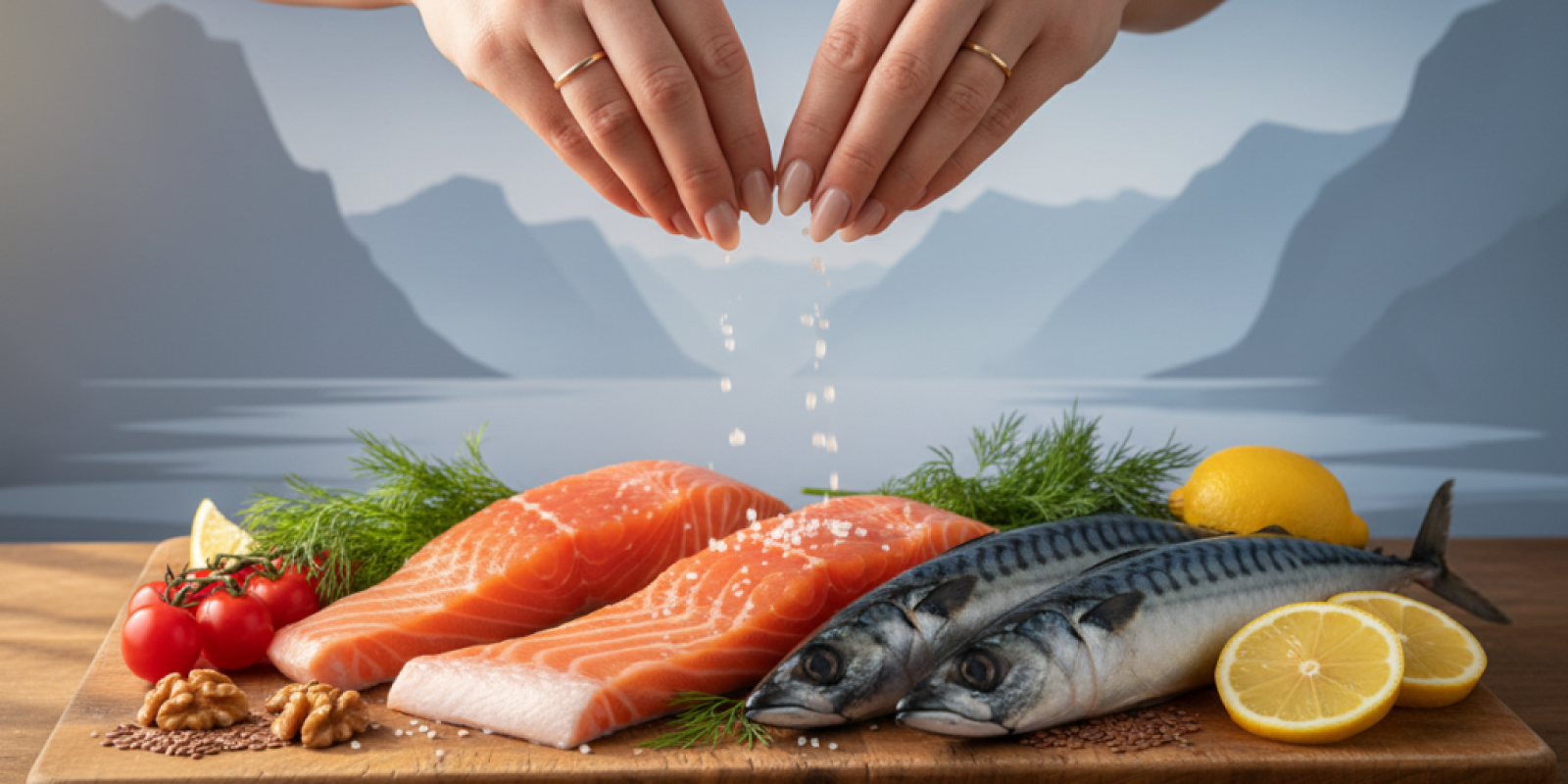
Norwegian Fish Recipes: Quick Omega-3 Rich Meals for Women
Table of Contents
1. Introduction
2. Why Norwegian Fish is Perfect for Women’s Health
3. The Omega-3 Advantage
4. Essential Norwegian Fish Varieties
5. Quick Norwegian Fish Recipes
6. Cooking Tips for Busy Women
7. Health Benefits Beyond Omega-3
8. Conclusion
9. Frequently Asked Questions
Introduction
When I first discovered Norwegian fish recipes during a culinary adventure in Bergen, I never imagined how dramatically they would transform my approach to healthy eating. As women, we’re constantly juggling multiple responsibilities, and finding time to prepare nutritious meals often feels like an impossible task. Yet, Norwegian cuisine offers something remarkable: incredibly simple fish recipes that deliver maximum nutritional value in minimum time.

Norwegian fish isn’t just about sustenance; it’s about embracing a lifestyle that prioritizes health without sacrificing flavor or convenience. These recipes have become my go-to solutions for those hectic weeknights when I need something wholesome on the table in under 30 minutes. The best part? Each dish is packed with omega-3 fatty acids that specifically support women’s health needs.
Why Norwegian Fish is Perfect for Women’s Health
Norway’s pristine Arctic waters produce some of the world’s highest-quality fish, and there’s a compelling reason why Norwegian women have some of the lowest rates of heart disease globally. The cold, clean waters of the North Atlantic create fish with exceptionally high omega-3 content, making them nutritional powerhouses perfectly suited for women’s unique health requirements.
What sets Norwegian fish apart is its purity and sustainability. The fishing practices in Norway are strictly regulated, ensuring that the fish we consume is free from harmful contaminants while maintaining optimal nutritional profiles. This means when you’re preparing a quick salmon dinner after a long day, you’re not just feeding your family – you’re investing in long-term health benefits that specifically address women’s wellness needs.
The convenience factor cannot be overstated. Norwegian fish varieties cook quickly and require minimal seasoning to taste exceptional. This makes them ideal for busy women who refuse to compromise on nutrition but need practical solutions for daily meal planning.
The Omega-3 Advantage
Omega-3 fatty acids are often called the “woman’s best friend” in nutrition circles, and for good reason. These essential fats play crucial roles in hormone regulation, brain health, and cardiovascular wellness – areas where women face unique challenges throughout different life stages.
During reproductive years, omega-3s support healthy hormone production and can help alleviate PMS symptoms. For pregnant and breastfeeding women, these fatty acids are vital for fetal brain development. As we approach menopause, omega-3s become even more critical, helping to maintain heart health and cognitive function while potentially reducing the severity of menopausal symptoms.
Norwegian fish provides the most bioavailable forms of omega-3s: EPA and DHA. Unlike plant-based omega-3s, these marine-derived fatty acids don’t require conversion in the body, making them immediately usable. A single serving of Norwegian salmon or mackerel can provide your entire daily omega-3 requirement, making it an incredibly efficient nutritional choice for time-conscious women.
Essential Norwegian Fish Varieties
Understanding the different Norwegian fish varieties helps you make informed choices based on your taste preferences and nutritional goals. Each variety offers unique flavors and cooking characteristics that can transform your weekly meal planning.
Norwegian salmon stands as the crown jewel of healthy fish options. Its rich, buttery texture makes it incredibly versatile, while its high omega-3 content supports everything from skin health to cognitive function. Fresh Norwegian salmon cooks in just 12-15 minutes and pairs beautifully with both simple and complex flavor profiles.
Arctic char, often called salmon’s elegant cousin, offers a milder flavor with similar nutritional benefits. It’s perfect for women who find salmon too rich but still want substantial omega-3 intake. The delicate flesh cooks even faster than salmon, making it ideal for last-minute meal preparation.
Norwegian mackerel might be the most underrated superfood in your grocery store. This small, oily fish contains more omega-3s per serving than salmon and costs significantly less. Its bold flavor works wonderfully in quick pan-seared preparations or simple baked dishes.
Cod represents the lean protein option among Norwegian fish. While lower in omega-3s than fatty fish, it’s incredibly versatile and appeals to even the pickiest eaters. Norwegian cod’s firm texture makes it perfect for quick stir-fries or simple baked preparations.
Quick Norwegian Fish Recipes
These recipes are designed for real life – those moments when you have 20 minutes to create something delicious and nutritious. Each recipe focuses on simplicity while maximizing the natural flavors of Norwegian fish.
15-Minute Pan-Seared Norwegian Salmon
This recipe has saved countless weeknight dinners in my household. The key is high heat and minimal handling, allowing the salmon’s natural oils to create a beautiful crust while keeping the interior perfectly moist.
Heat a cast-iron skillet over medium-high heat with a tablespoon of olive oil. Season salmon fillets with salt, pepper, and a touch of dill. Place skin-side up in the hot pan and resist the urge to move them for 4-5 minutes. Flip once and cook for another 3-4 minutes. The result is restaurant-quality salmon with a crispy exterior and tender, flaky interior.
Serve with a simple lemon wedge and steamed vegetables for a complete meal that takes less time than ordering takeout.
Norwegian Arctic Char with Herbs
Arctic char’s delicate flavor makes it perfect for herb-forward preparations. This recipe highlights the fish’s natural sweetness while adding aromatic complexity that makes the dish feel special despite its simplicity.
Preheat your oven to 400 degrees Fahrenheit. Place arctic char fillets on parchment paper, drizzle with olive oil, and season with fresh thyme, parsley, and a pinch of sea salt. Fold the parchment into packets and bake for 12-15 minutes. The steam created in the packets keeps the fish incredibly moist while infusing it with herb flavors.
Quick Norwegian Mackerel Stir-Fry
This recipe transforms mackerel into an Asian-inspired dish that’s both satisfying and omega-3 rich. The high-heat cooking method works perfectly with mackerel’s rich texture while vegetables add crunch and additional nutrients.
Cut mackerel fillets into bite-sized pieces and quickly sear in a hot wok with ginger and garlic. Add your favorite vegetables – bell peppers, snap peas, and carrots work wonderfully. Finish with a splash of soy sauce and sesame oil. The entire dish comes together in under 10 minutes and provides a complete, balanced meal.
Simple Baked Norwegian Cod
When you need something mild and appealing to the whole family, this baked cod recipe delivers every time. The gentle cooking method ensures the fish stays tender while allowing you to prepare sides simultaneously.
Place cod fillets in a baking dish with a splash of white wine or lemon juice. Top with thin lemon slices and fresh herbs like parsley or dill. Bake at 375 degrees for 15-18 minutes until the fish flakes easily. The result is clean, pure fish flavor that even children typically enjoy.
Cooking Tips for Busy Women
Success with Norwegian fish recipes comes down to understanding a few key principles that make cooking faster and more foolproof. These tips have evolved from years of trial and error in my own kitchen, where efficiency is just as important as flavor.
Always bring fish to room temperature before cooking. This simple step, which takes just 15-20 minutes, ensures even cooking and prevents the exterior from overcooking while the center remains cold. I typically take fish out of the refrigerator as soon as I walk in the door from work.
Invest in a reliable instant-read thermometer. Fish is perfectly cooked at 145 degrees Fahrenheit, and a thermometer eliminates guesswork. This tool has saved me from countless overcooked dinners and gives me confidence to try new preparations.
Prep your seasonings in advance. I keep small containers of my favorite fish seasoning blends ready in the pantry. A simple mix of dried dill, garlic powder, and lemon zest can be prepared in bulk and stored for months, making weeknight cooking nearly effortless.
Don’t overcomplicate side dishes. Norwegian fish is flavorful enough to stand alone with simple accompaniments. Steamed vegetables, rice pilaf, or a quick salad complement fish perfectly without requiring extensive preparation time.
Health Benefits Beyond Omega-3
While omega-3 fatty acids get most of the attention, Norwegian fish provides numerous other nutrients that specifically support women’s health throughout different life stages. Understanding these benefits helps justify the investment in quality fish as part of a long-term wellness strategy.
Norwegian fish is an excellent source of high-quality protein, containing all essential amino acids needed for muscle maintenance and repair. This is particularly important for women over 30, who begin losing muscle mass at a rate of 3-8% per decade. Regular fish consumption helps maintain lean muscle mass while supporting metabolic health.
The vitamin D content in fatty Norwegian fish addresses a common deficiency among women, especially those living in northern climates. Adequate vitamin D supports bone health, immune function, and mood regulation – all critical areas for women’s wellness.
Norwegian fish also provides significant amounts of selenium, a powerful antioxidant that supports thyroid function. Since women are five to eight times more likely to develop thyroid problems than men, this mineral becomes particularly important for maintaining metabolic health.
The B-vitamin complex found in Norwegian fish, particularly B12 and niacin, supports energy metabolism and nervous system function. Many women experience fatigue and brain fog, especially during hormonal transitions, making these nutrients essential for maintaining mental clarity and physical energy.
Conclusion
Norwegian fish recipes offer busy women a perfect solution to the eternal struggle between convenience and nutrition. These omega-3 rich meals prove that healthy eating doesn’t require hours in the kitchen or complicated ingredient lists. Instead, they demonstrate how simple preparation methods can highlight natural flavors while delivering maximum nutritional benefits.
The beauty of Norwegian fish lies in its versatility and reliability. Whether you’re dealing with a hectic work schedule, managing family responsibilities, or simply seeking delicious ways to support your health, these recipes adapt to your lifestyle rather than demanding you change your routine.
By incorporating Norwegian fish into your regular meal rotation, you’re making an investment in long-term health that pays dividends in energy, mental clarity, and overall wellness. The omega-3 fatty acids and other nutrients found in these pristine Arctic fish specifically address women’s unique nutritional needs while satisfying taste preferences across all age groups.
Start with one or two recipes that appeal to your taste preferences and cooking comfort level. As you build confidence with these preparations, you’ll likely find yourself reaching for Norwegian fish more frequently, creating a sustainable pattern of healthy eating that fits seamlessly into your busy life.
Frequently Asked Questions
How often should women eat Norwegian fish for optimal omega-3 benefits?
Nutritionists recommend eating fatty fish like Norwegian salmon or mackerel 2-3 times per week to meet omega-3 requirements. This provides approximately 1-2 grams of combined EPA and DHA per week, which supports heart health, brain function, and hormone regulation.
Is Norwegian fish safe during pregnancy?
Yes, Norwegian fish is generally considered safe during pregnancy due to low mercury levels and high omega-3 content. However, pregnant women should limit consumption to 2-3 servings per week and choose smaller fish like arctic char or salmon over larger species. Always consult with your healthcare provider about dietary choices during pregnancy.
What’s the difference between fresh and frozen Norwegian fish nutritionally?
Frozen Norwegian fish retains virtually the same nutritional value as fresh fish when properly frozen and stored. In fact, fish frozen at sea often has better texture and flavor than “fresh” fish that has been transported for several days. Both options provide excellent omega-3 content and protein quality.
Can I meal prep Norwegian fish recipes?
While fish is best enjoyed fresh, you can partially meal prep by marinating portions in advance or preparing seasoning blends. Cooked fish can be stored in the refrigerator for 2-3 days and works well in salads or grain bowls. However, avoid reheating fish multiple times as this can affect texture and flavor.
Are Norwegian fish recipes suitable for women with heart conditions?
Norwegian fish is often recommended for women with heart conditions due to its high omega-3 content, which supports cardiovascular health. However, preparation methods matter – choose baking, grilling, or steaming over frying. Always consult with your cardiologist about dietary recommendations specific to your condition.
How do I know if Norwegian fish is sustainably sourced?
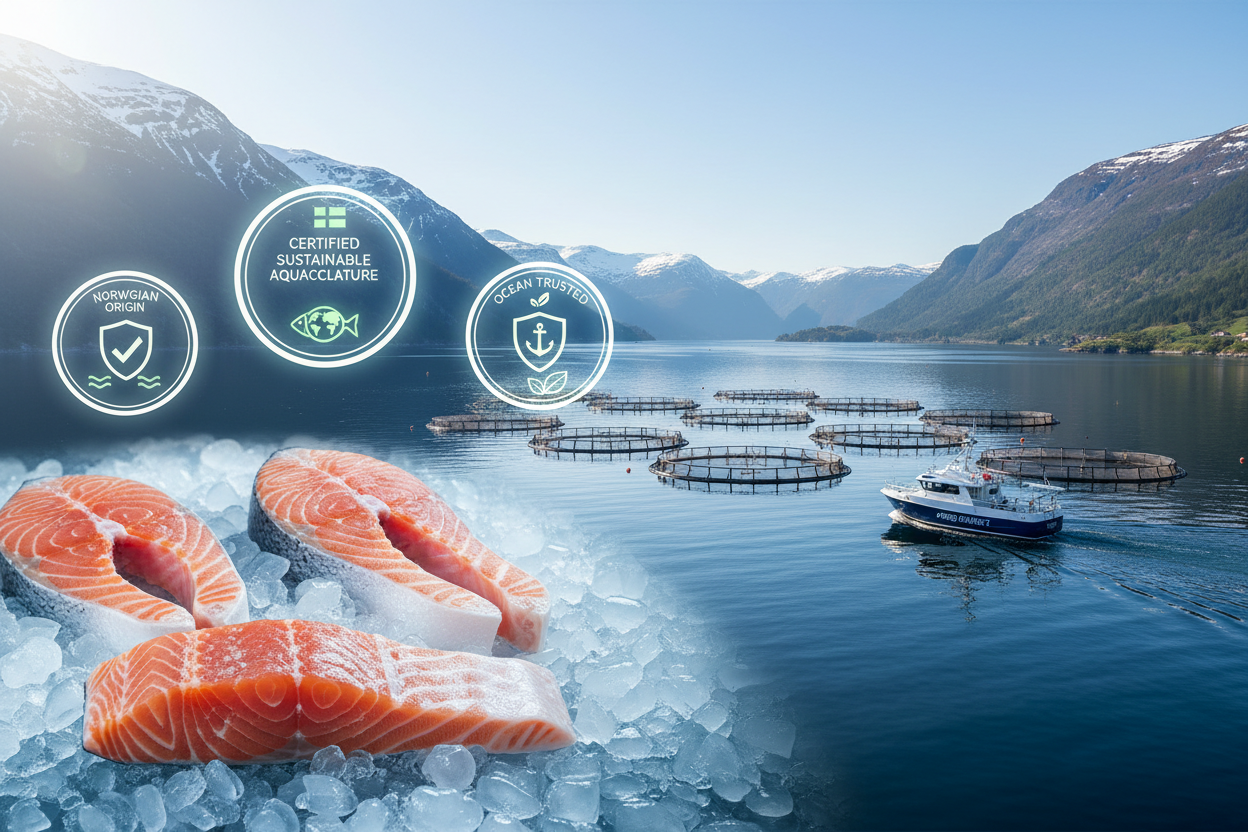
Look for certifications from the Marine Stewardship Council (MSC) or Aquaculture Stewardship Council (ASC) on packaging. Norwegian fish farming and fishing practices are among the most regulated globally, but these certifications provide additional assurance of sustainable and responsible sourcing practices.