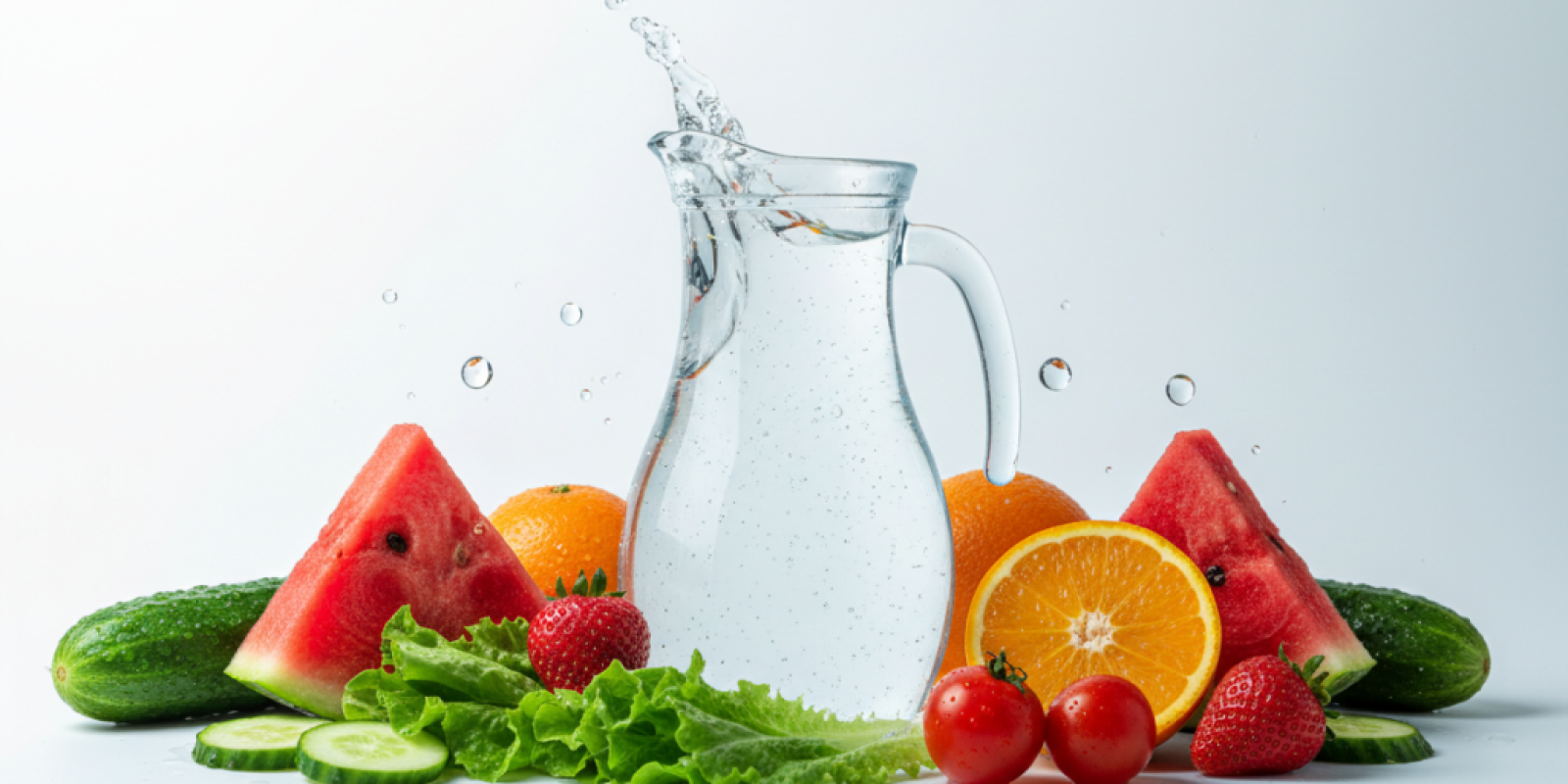
Seasonal Hydration: Fruits and Vegetables That Boost Water Intake
Table of Contents
1. Introduction: Why Seasonal Hydration Matters
2. Understanding Water Content in Produce
3. Spring Hydration Heroes
4. Summer’s Thirst-Quenching Champions
5. Fall’s Moisture-Rich Harvest
6. Winter Hydration Solutions
7. Tips for Maximizing Hydration Through Food
8. Creative Ways to Incorporate High-Water Foods
9. Conclusion
10. Frequently Asked Questions
Introduction: Why Seasonal Hydration Matters
Let’s be honest – chugging eight glasses of water daily can feel like a chore. I’ve been there, staring at my water bottle wondering how I’ll possibly finish it before bedtime. But here’s something that changed my perspective completely: nature has already solved our hydration puzzle through the incredible variety of water-rich fruits and vegetables available throughout the seasons.
Staying properly hydrated isn’t just about preventing thirst. It’s about maintaining energy levels, supporting healthy skin, aiding digestion, and keeping our bodies functioning at their peak. While plain water remains essential, incorporating seasonal produce with high water content can make hydration feel effortless and delicious.
The beauty of seasonal eating lies in how perfectly it aligns with our body’s changing needs. Summer brings us cooling, water-packed fruits just when we need them most, while winter offers warming, nutrient-dense options that still contribute to our fluid intake. This natural synchronicity isn’t coincidental – it’s evolutionary wisdom we can tap into for optimal health.
Understanding Water Content in Produce
Before diving into seasonal selections, it’s helpful to understand what makes certain fruits and vegetables hydration powerhouses. Most fresh produce contains between 80-95% water, but some varieties stand out as exceptional sources.
The water content in fruits and vegetables serves multiple purposes beyond hydration. It helps transport nutrients throughout the plant, maintains cellular structure, and contributes to that satisfying crunch we love in fresh produce. When we consume these foods, we’re getting pure, naturally filtered water along with vitamins, minerals, and fiber – a combination that plain water simply can’t match.
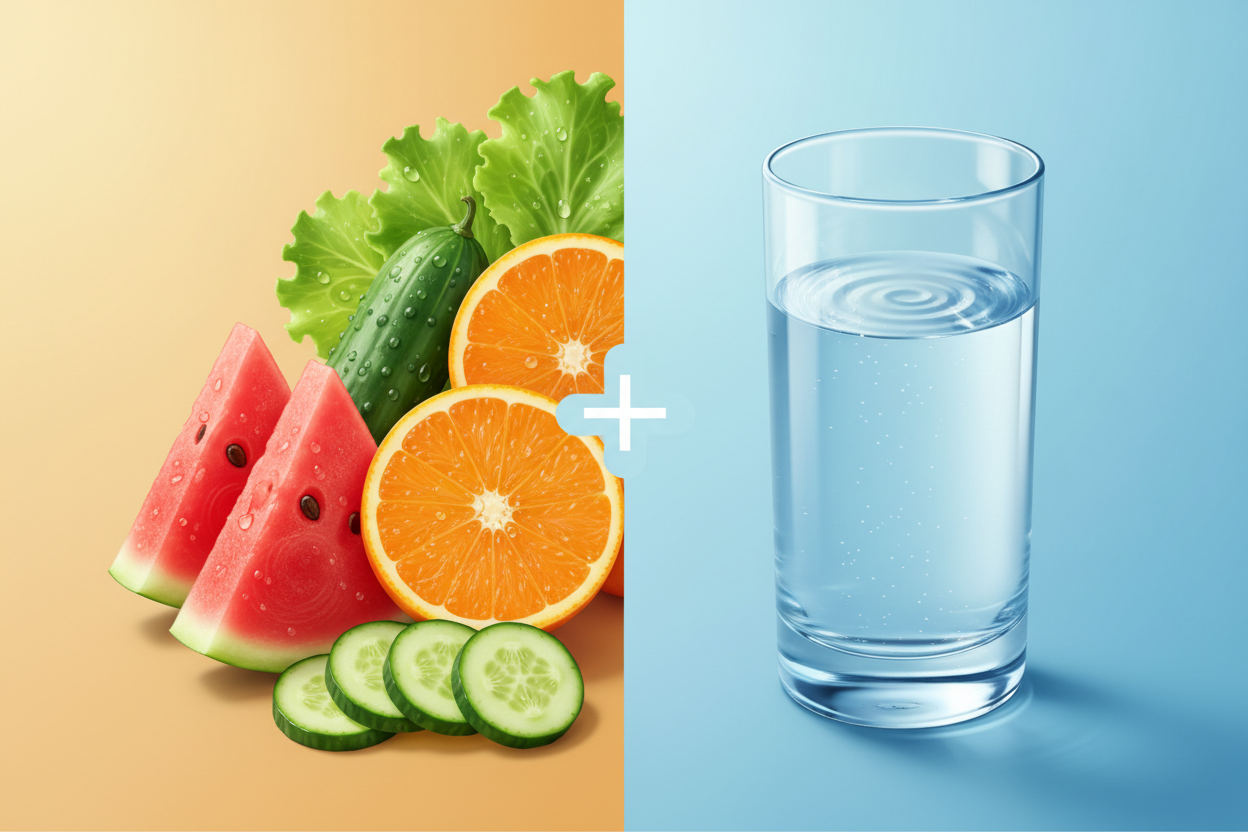
Interestingly, the water in fruits and vegetables is often absorbed more slowly by our bodies than plain water, providing sustained hydration rather than the quick in-and-out effect we sometimes experience with beverages. This makes produce an excellent complement to your regular water intake, especially during busy days when remembering to drink enough fluids becomes challenging.
Spring Hydration Heroes
Spring arrives with a fresh lineup of hydrating produce that helps us shake off winter’s sluggishness. This season’s offerings are particularly rich in water content and packed with nutrients that support our body’s natural detoxification processes.
Asparagus leads the spring charge with approximately 93% water content. Beyond hydration, these tender spears provide natural diuretic properties that help flush excess sodium from our systems. I love adding them to morning omelets or enjoying them lightly steamed with a squeeze of lemon.
Strawberries make their grand entrance in late spring, boasting about 91% water content along with vitamin C and antioxidants. There’s something magical about biting into that first perfectly ripe strawberry of the season – it’s like tasting sunshine and rain combined.
Lettuce varieties, including butter lettuce and romaine, contain around 95% water, making them excellent foundations for hydrating salads. Spring radishes add a peppery crunch while contributing their own 95% water content. These crisp vegetables are perfect for creating refreshing salads that hydrate while satisfying our craving for fresh, clean flavors after a long winter.
Summer’s Thirst-Quenching Champions
Summer brings the ultimate hydration all-stars, and for good reason. As temperatures soar and we spend more time outdoors, our bodies naturally crave the cooling, water-rich foods that peak during these hot months.
Watermelon reigns supreme with an impressive 92% water content. Beyond its hydrating properties, watermelon contains lycopene and citrulline, compounds that support heart health and may help reduce muscle soreness after exercise. Nothing beats the refreshing burst of a cold watermelon slice on a sweltering afternoon.
Cucumbers are summer’s cooling champions, containing about 96% water – the highest of any solid food. Their mild flavor makes them incredibly versatile. I often slice them into my water for a spa-like drink or use them as the base for refreshing gazpacho.
Tomatoes, at their peak in summer, offer 94% water content along with lycopene and potassium. Whether you’re enjoying them in a fresh caprese salad or blended into a cooling gazpacho, tomatoes provide substantial hydration while delivering incredible flavor.
Zucchini, often overlooked as a hydration source, contains 95% water and can be spiralized into refreshing “noodles” or blended into smoothies without significantly altering the taste. Bell peppers, particularly the sweet varieties, provide 92% water content and add satisfying crunch to summer meals.
Fall’s Moisture-Rich Harvest
As temperatures begin to cool, fall produce continues supporting our hydration needs while providing the heartier nutrition our bodies crave as we prepare for winter. Many people assume fall foods are less hydrating, but several autumn favorites pack surprising water content.
Pears reach their peak in fall, offering about 84% water content along with fiber that supports digestive health. Their natural sweetness makes them perfect for satisfying autumn cravings while contributing to daily fluid intake.
Apples, another fall staple, contain roughly 86% water. The old saying “an apple a day keeps the doctor away” takes on new meaning when you consider their hydration benefits alongside their fiber and antioxidant content.
Cranberries, though tart in their natural state, provide about 87% water content and are packed with compounds that support urinary tract health. When incorporated into smoothies or homemade sauces, they add both hydration and nutritional value to fall meals.
Even some winter squashes contribute to hydration. Butternut squash contains about 86% water and can be transformed into hydrating soups that warm us from the inside while supporting fluid intake during cooler months.
Winter Hydration Solutions
Winter hydration requires a different approach, as our bodies naturally crave warming foods rather than cooling ones. However, several winter produce options still provide excellent hydration while satisfying our need for comfort foods.
Citrus fruits shine during winter months, with oranges containing about 87% water and grapefruits offering 88%. These vitamin C powerhouses not only support immune function during cold season but also provide substantial hydration in a warming, energizing package.
Cabbage, available throughout winter, contains approximately 92% water and forms the base for hydrating soups and stews. When slow-cooked, cabbage releases its water content into broths, creating deeply hydrating meals perfect for cold days.
Celery maintains its 95% water content year-round and adds satisfying crunch to winter soups and stews. Its mild flavor makes it an excellent vehicle for hydrating dips and spreads during indoor entertaining season.
Winter herbs like parsley contain surprising amounts of water (about 88%) and can be incorporated into warming teas or added generously to cooked dishes for both flavor and hydration benefits.
Tips for Maximizing Hydration Through Food
Getting the most hydration from your produce requires some strategic thinking about preparation and consumption methods. The way we prepare and eat these foods can significantly impact their hydrating effects.
Eating produce raw generally provides maximum water content, as cooking can reduce water levels. However, this doesn’t mean cooked vegetables can’t contribute to hydration. Steaming, for example, retains most water content while making nutrients more bioavailable.
Timing matters too. Consuming water-rich foods throughout the day provides steady hydration rather than overwhelming your system all at once. I’ve found that starting my day with water-rich fruit and incorporating hydrating vegetables into each meal creates a natural rhythm of fluid intake.
Combining high-water foods with small amounts of healthy fats can actually improve hydration by slowing digestion and allowing for better water absorption. Adding avocado to cucumber salads or drizzling olive oil on tomatoes isn’t just delicious – it’s strategically hydrating.
Don’t forget about food temperature. Cold foods can be more refreshing in summer, while room temperature or slightly warm preparations might be more appealing during cooler months. The key is finding preparations that make you want to eat more hydrating foods consistently.
Creative Ways to Incorporate High-Water Foods
Making hydrating foods a regular part of your diet requires creativity and planning. The good news is that water-rich produce tends to be versatile and adaptable to various cooking methods and flavor profiles.
Smoothies offer an excellent way to pack multiple hydrating ingredients into one delicious drink. Combining cucumber, watermelon, and mint creates a refreshing beverage that’s more hydrating than many commercial sports drinks. During winter, try blending oranges with a small amount of ginger for a warming, hydrating treat.
Soups and broths made with high-water vegetables provide comfort food that’s secretly a hydration powerhouse. A simple soup made with tomatoes, zucchini, and celery delivers substantial fluid intake while satisfying hunger and providing essential nutrients.
Infused waters using cucumber, watermelon, or citrus fruits make plain water more appealing while adding subtle flavors and additional nutrients. These preparations are particularly helpful for people who struggle with drinking enough plain water throughout the day.
Frozen treats made from pureed fruits offer hydration disguised as dessert. Watermelon popsicles or frozen grape “ice cream” provide cooling relief during hot weather while contributing to daily fluid needs.
Conclusion
Embracing seasonal hydration through fruits and vegetables transforms the sometimes tedious task of staying hydrated into an enjoyable, nourishing experience. By aligning our eating habits with nature’s seasonal offerings, we can effortlessly increase our water intake while enjoying peak flavors and maximum nutritional benefits.
The key is recognizing that hydration doesn’t have to come solely from glasses of water. Every bite of cucumber, slice of watermelon, or spoonful of tomato soup contributes to your daily fluid needs while providing vitamins, minerals, and fiber that plain water cannot offer.
As you move through the seasons, pay attention to which hydrating foods naturally appeal to you. Your body’s wisdom often guides you toward exactly what you need. Summer’s craving for juicy watermelon isn’t just about taste – it’s your body requesting the cooling, hydrating nutrition it needs to thrive in hot weather.
Start small by adding one or two high-water foods to your daily routine, then gradually expand your repertoire as you discover new favorites. Before long, seasonal hydration will become second nature, and you’ll wonder why you ever thought staying hydrated was difficult.
Frequently Asked Questions
Q: Can I rely entirely on fruits and vegetables for hydration instead of drinking water?
A: While fruits and vegetables contribute significantly to hydration, they shouldn’t completely replace water intake. Aim for a combination of both – the water content in produce supplements rather than substitutes for drinking fluids directly.
Q: Do frozen fruits and vegetables retain their water content?
A: Frozen produce retains most of its water content, though the texture may change upon thawing. Frozen fruits work excellently in smoothies, while frozen vegetables are perfect for soups and cooked dishes.
Q: Which preparation methods preserve the most water content in vegetables?
A: Raw consumption preserves maximum water content, followed by steaming and light sautéing. Avoid boiling vegetables in large amounts of water, as this can leach both water-soluble vitamins and reduce overall water content.
Q: Are there any fruits or vegetables I should avoid for hydration?
A: Most fresh produce contributes to hydration, but dried fruits and vegetables have significantly reduced water content. Stick to fresh or minimally processed options for maximum hydrating benefits.
Q: How can I tell if I’m getting enough hydration from food and water combined?
A: Monitor your urine color (pale yellow indicates good hydration), energy levels, and skin elasticity. If you’re eating plenty of water-rich foods and drinking fluids regularly, you’re likely meeting your hydration needs adequately.