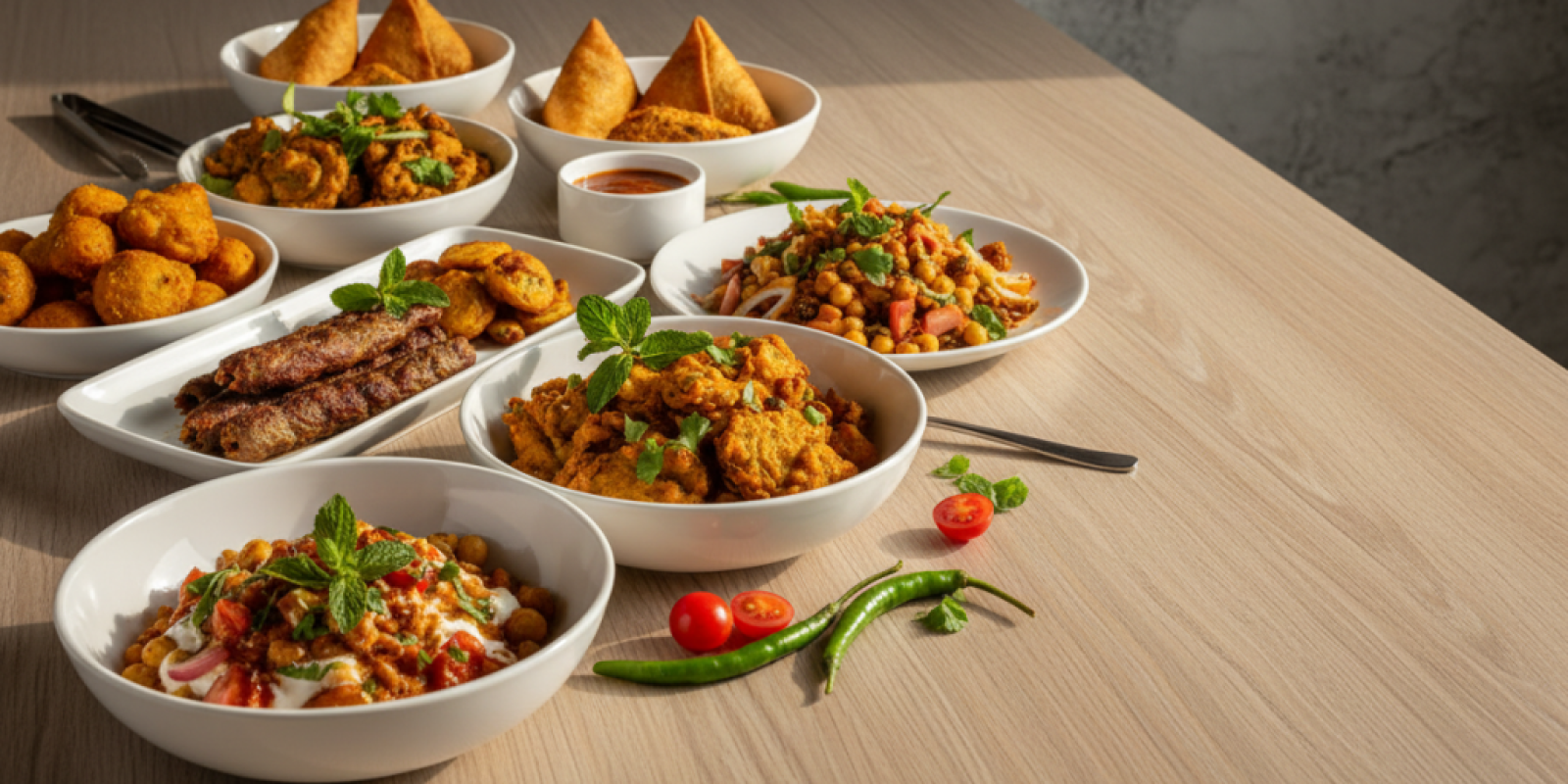
Pakistani Street Food Reimagined: Quick, Healthy Recipes for Modern Food Lovers
Table of Contents
1. Introduction to Pakistani Street Food Culture
2. The Health Challenge of Traditional Street Food
3. Reimagining Pakistani Street Food: The Healthy Approach
4. Quick and Healthy Pakistani Street Food Recipes
– Baked Samosas with Whole Wheat Pastry
– Air-Fried Pakoras with Chickpea Flour
– Grilled Seekh Kebabs with Lean Meat
– Healthy Chaat Bowls with Fresh Ingredients
– Quinoa Biryani Cups
5. Essential Ingredients for Healthy Pakistani Cooking
6. Time-Saving Tips for Busy Weeknights
7. Nutritional Benefits of Modified Recipes
8. Conclusion
9. Frequently Asked Questions
Introduction to Pakistani Street Food Culture
There’s something magical about Pakistani street food that captures hearts and taste buds across the globe. The sizzling sounds of kebabs on hot grills, the aromatic spices wafting through bustling markets, and the vibrant colors of fresh chutneys create an experience that goes far beyond just eating. As someone who grew up savoring these incredible flavors, I understand the deep emotional connection we have with our traditional street food.
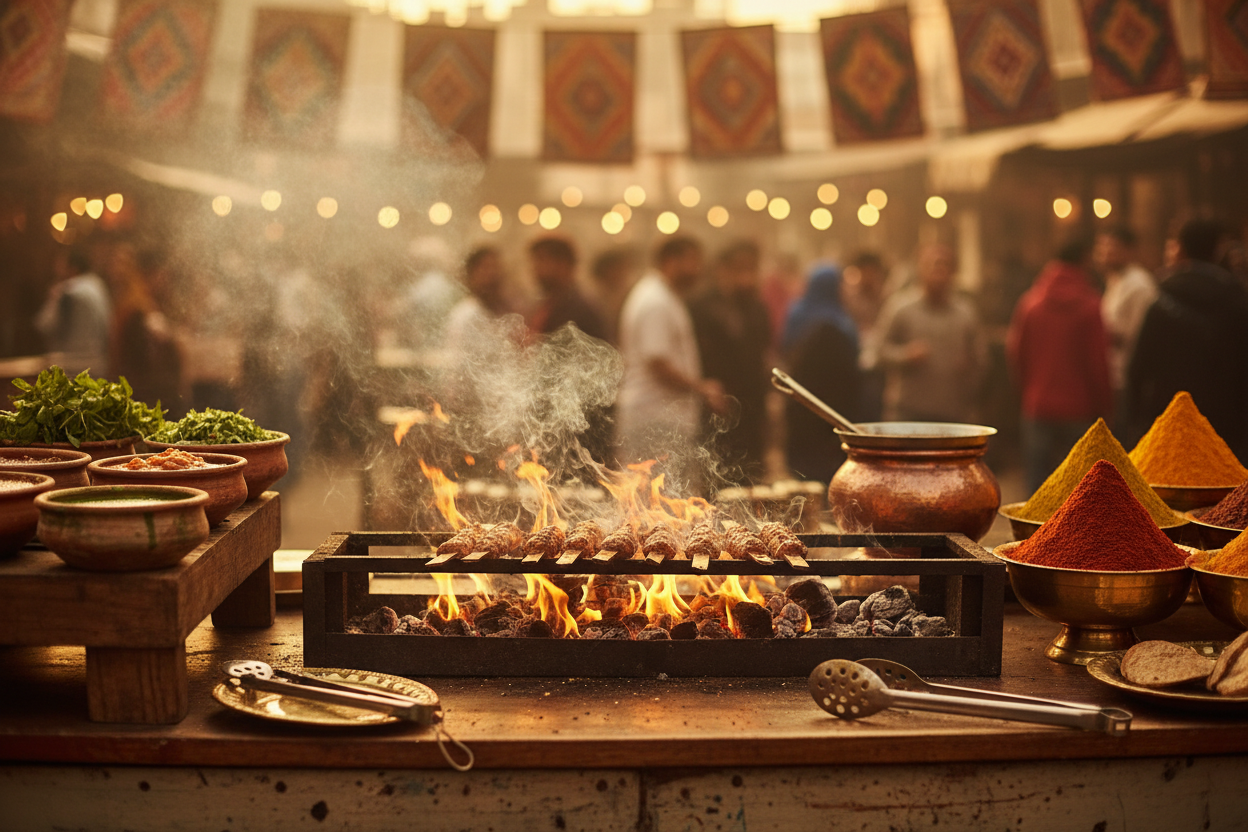
However, modern life demands a balance between indulgence and health consciousness. The good news? You don’t have to sacrifice the authentic flavors of Pakistani street food to maintain a healthy lifestyle. Today’s food enthusiasts are discovering innovative ways to recreate these beloved dishes with nutritious ingredients and cooking methods that fit seamlessly into busy schedules.
This comprehensive guide will transform your kitchen into a healthy Pakistani street food haven, where traditional recipes meet modern nutritional awareness. Whether you’re a busy professional craving home-cooked meals or a health-conscious food lover wanting to explore Pakistani cuisine, these reimagined recipes will satisfy your cravings without compromising your wellness goals.
The Health Challenge of Traditional Street Food
Traditional Pakistani street food, while absolutely delicious, often presents several health challenges that modern eaters face. Most conventional recipes rely heavily on deep-frying, which significantly increases calorie content and unhealthy fat consumption. The generous use of refined flour, processed ingredients, and excessive oil can make these dishes quite heavy for regular consumption.
Street vendors typically use ingredients that prioritize taste and cost-effectiveness over nutritional value. White flour dominates most recipes, refined sugars sweeten chutneys, and cooking methods often involve prolonged frying in reused oils. Additionally, portion sizes at street stalls are usually designed for immediate satisfaction rather than balanced nutrition.
The challenge becomes even more complex when we consider food safety and hygiene standards. While street food culture thrives on spontaneity and accessibility, home cooking allows us to control ingredient quality, cooking methods, and portion sizes. This control becomes the foundation for creating healthier versions that maintain authentic flavors while supporting our nutritional goals.
Reimagining Pakistani Street Food: The Healthy Approach
The art of reimagining Pakistani street food lies in understanding which elements create the signature flavors and which can be modified for better health outcomes. The secret isn’t eliminating traditional ingredients entirely but rather making smart substitutions and adopting healthier cooking techniques.
Modern healthy cooking focuses on preserving the essence of spices, herbs, and aromatics that define Pakistani cuisine while reducing unnecessary fats, refined carbohydrates, and processed additives. This approach involves using whole grains instead of refined flour, incorporating lean proteins, increasing vegetable content, and exploring alternative cooking methods like baking, grilling, and air-frying.
The beauty of this transformation is that many traditional Pakistani ingredients are naturally healthy. Turmeric offers anti-inflammatory properties, ginger aids digestion, garlic provides immune support, and fresh herbs like cilantro and mint add both flavor and nutrients. By highlighting these beneficial ingredients and reducing less healthy components, we create dishes that nourish both body and soul.
Quick and Healthy Pakistani Street Food Recipes
Baked Samosas with Whole Wheat Pastry
Traditional samosas get a healthy makeover with whole wheat pastry and baking instead of deep-frying. This version reduces oil content by approximately 70% while maintaining the crispy texture and flavorful filling that makes samosas irresistible.
For the filling, use lean ground turkey or chicken mixed with finely diced potatoes, peas, and traditional spices like cumin, coriander, and garam masala. The whole wheat pastry provides additional fiber and nutrients compared to refined flour versions. Brush the assembled samosas with a small amount of olive oil and bake at 375°F for 25-30 minutes until golden brown.
This recipe takes approximately 45 minutes from start to finish, making it perfect for weekend meal prep. You can prepare large batches and freeze them for quick weeknight dinners. The baked version offers all the satisfaction of traditional samosas with significantly improved nutritional value.
Air-Fried Pakoras with Chickpea Flour
Pakoras represent the heart of Pakistani snack culture, and air-frying transforms them into a guilt-free indulgence. Chickpea flour naturally provides protein and fiber, while air-frying eliminates the need for excessive oil without sacrificing the crispy exterior that makes pakoras so appealing.
Create a batter using chickpea flour, water, and traditional spices including turmeric, red chili powder, and carom seeds. Add thinly sliced onions, spinach, or cauliflower for extra vegetables and nutrients. The air fryer creates perfectly crispy pakoras in just 12-15 minutes, compared to the oil-heavy traditional method.
These air-fried pakoras contain approximately 60% fewer calories than their deep-fried counterparts while providing more protein and fiber. Serve them with fresh mint chutney made from yogurt, mint, cilantro, and a touch of honey for a complete healthy snack experience.
Grilled Seekh Kebabs with Lean Meat
Seekh kebabs traditionally showcase the art of Pakistani grilling, and using lean meats with smart preparation techniques creates a protein-rich, flavorful dish that fits perfectly into healthy eating plans. Choose lean ground beef, chicken, or turkey as your base protein.
Mix the meat with finely minced onions, garlic, ginger, and traditional spices like cumin, coriander, and red chili powder. Add fresh herbs like cilantro and mint for additional flavor and nutrients. Form the mixture around skewers and grill for 15-20 minutes, turning occasionally for even cooking.
Grilling allows excess fat to drain away while creating the characteristic smoky flavor that defines great seekh kebabs. Serve with whole wheat naan or brown rice and fresh salad for a complete, balanced meal that delivers authentic Pakistani flavors with improved nutritional content.
Healthy Chaat Bowls with Fresh Ingredients
Chaat represents the colorful, tangy side of Pakistani street food, and creating healthy versions focuses on fresh ingredients and portion control. Build your chaat bowls with a base of mixed greens, chickpeas, and diced vegetables like tomatoes, cucumbers, and red onions.
Replace fried elements with roasted chickpeas or baked whole wheat crackers for crunch. Use Greek yogurt instead of heavy cream-based chutneys, and create fresh mint and tamarind sauces using natural ingredients without added sugars. Top with fresh pomegranate seeds, cilantro, and a sprinkle of chaat masala.
These chaat bowls provide complete nutrition with protein from chickpeas and yogurt, fiber from vegetables and legumes, and probiotics from yogurt. The fresh ingredients deliver the tangy, spicy flavors characteristic of traditional chaat while supporting digestive health and providing sustained energy.
Quinoa Biryani Cups
Biryani gets a modern twist with quinoa replacing traditional basmati rice, creating individual serving cups that are perfect for portion control and meal prep. Quinoa provides complete protein and significantly more fiber than white rice while absorbing the aromatic spices beautifully.
Cook quinoa with traditional biryani spices including cardamom, cinnamon, bay leaves, and saffron. Layer with grilled chicken or vegetables in muffin tins, creating individual portions that bake perfectly in 25 minutes. This method ensures even distribution of flavors while creating convenient, grab-and-go meals.
Each quinoa biryani cup contains approximately 40% more protein and 60% more fiber than traditional rice biryani while maintaining the complex flavors that make biryani a celebration dish. These cups freeze beautifully and reheat perfectly for quick, satisfying meals throughout the week.
Essential Ingredients for Healthy Pakistani Cooking
Stocking your pantry with the right ingredients makes healthy Pakistani cooking both convenient and delicious. Focus on whole grains like brown basmati rice, quinoa, and whole wheat flour as your foundation carbohydrates. These provide sustained energy and additional nutrients compared to refined alternatives.
Invest in high-quality spices including turmeric, cumin, coriander, garam masala, and red chili powder. Fresh spices not only provide better flavor but also offer maximum health benefits. Store them in airtight containers away from light and heat to maintain potency.
Keep lean proteins like chicken breast, turkey, fish, and legumes readily available. Lentils, chickpeas, and black beans work beautifully in Pakistani dishes while providing plant-based protein and fiber. Greek yogurt serves as an excellent substitute for heavy cream in many recipes while adding probiotics and protein.
Fresh ingredients like ginger, garlic, onions, cilantro, and mint form the aromatic base of most Pakistani dishes. These ingredients provide both flavor and health benefits, supporting immune function and digestion while creating the authentic taste profiles that define Pakistani cuisine.
Time-Saving Tips for Busy Weeknights
Successful healthy Pakistani cooking during busy weeknights requires strategic planning and smart preparation techniques. Spend Sunday afternoons preparing spice blends, chopping vegetables, and marinating proteins for the week ahead. This investment of time pays dividends throughout the week.
Batch cooking works exceptionally well for Pakistani dishes. Prepare large quantities of base sauces, cooked lentils, and grilled proteins that can be quickly combined into different meals throughout the week. Many Pakistani dishes actually improve in flavor after sitting overnight, making them perfect for meal prep.
Utilize modern appliances like slow cookers, pressure cookers, and air fryers to reduce active cooking time while maintaining authentic flavors. These appliances excel at creating tender meats and perfectly cooked grains with minimal supervision, allowing you to prepare healthy Pakistani meals even on the busiest days.
Keep a selection of pre-made healthy components in your freezer, including baked samosas, cooked quinoa, and portioned proteins. These building blocks allow you to create complete Pakistani meals in 15-20 minutes, making healthy eating sustainable even during hectic periods.
Nutritional Benefits of Modified Recipes
The nutritional improvements in these reimagined Pakistani recipes extend far beyond simple calorie reduction. By incorporating whole grains, lean proteins, and increased vegetables, these dishes provide sustained energy, improved digestion, and better overall nutrition compared to traditional versions.
Whole wheat and quinoa provide complex carbohydrates that release energy slowly, preventing the blood sugar spikes associated with refined flour products. The increased fiber content supports digestive health and promotes feelings of fullness, naturally supporting portion control and weight management.
Lean proteins and legumes provide essential amino acids while reducing saturated fat intake. The generous use of traditional Pakistani spices offers numerous health benefits, including anti-inflammatory properties from turmeric, digestive support from ginger, and immune system benefits from garlic.
These modifications create dishes that not only taste authentic but also support long-term health goals. The combination of traditional flavors with modern nutritional awareness proves that healthy eating doesn’t require sacrificing cultural food traditions or personal satisfaction.
Conclusion
Reimagining Pakistani street food for modern healthy living represents more than just recipe modifications; it’s about preserving cultural heritage while embracing wellness. These quick, healthy recipes prove that we can honor traditional flavors while making choices that support our health and busy lifestyles.
The journey from traditional street food to healthy home cooking doesn’t require abandoning the spices, techniques, and cultural significance that make Pakistani cuisine so special. Instead, it involves thoughtful adaptations that enhance nutritional value while maintaining the soul of these beloved dishes.
By incorporating these recipes into your regular cooking routine, you’re not just preparing meals; you’re creating a sustainable approach to enjoying Pakistani flavors that fits seamlessly into modern life. These dishes offer the comfort and satisfaction of traditional street food with the added benefits of improved nutrition and convenient preparation.
Start with one or two recipes that appeal to you most, gradually building your repertoire of healthy Pakistani dishes. With practice, these cooking methods and ingredient substitutions will become second nature, allowing you to create authentic, healthy Pakistani meals that satisfy both your taste buds and your wellness goals.
Frequently Asked Questions
Can I make these recipes ahead of time for meal prep?
Absolutely! Most of these recipes are excellent for meal prep. Baked samosas, quinoa biryani cups, and grilled kebabs freeze beautifully and reheat well. Chaat bowls are best assembled fresh, but you can prepare all components ahead of time and combine them when ready to eat.
Where can I find authentic Pakistani spices for these recipes?
Look for Pakistani or Indian grocery stores in your area for the best selection and prices. Many regular supermarkets now carry basic spices like turmeric, cumin, and garam masala. Online retailers also offer comprehensive spice collections specifically for Pakistani cooking.
Are these recipes suitable for people with dietary restrictions?
Many of these recipes can be easily adapted for various dietary needs. Use gluten-free flour for samosas, substitute plant-based proteins for kebabs, and ensure all spice blends are free from unwanted additives. Always check individual ingredients for specific dietary requirements.
How do the nutritional values compare to traditional versions?
These healthy versions typically contain 40-70% fewer calories, significantly more fiber and protein, and reduced unhealthy fats compared to traditional street food preparations. The exact nutritional improvements depend on the specific recipe and traditional preparation method being compared.
Can children enjoy these healthier versions of Pakistani street food?
Yes! These recipes often appeal to children even more than traditional versions because they’re less greasy and heavy. You can adjust spice levels to suit young palates while still providing authentic flavors and improved nutrition for growing bodies.