Quick Sauce Recipes Using Seasonal Ingredients for Flavor Variety
Table of Contents
1. Introduction to Seasonal Sauce Making
2. Spring Sauce Recipes: Fresh and Vibrant
3. Summer Sauce Recipes: Light and Refreshing
4. Fall Sauce Recipes: Rich and Warming
5. Winter Sauce Recipes: Hearty and Comforting
6. Essential Tips for Quick Sauce Success
7. Storage and Preservation Methods
8. Conclusion
9. Frequently Asked Questions
Introduction to Seasonal Sauce Making
There’s something magical about transforming simple seasonal ingredients into flavor-packed sauces that can elevate any dish from ordinary to extraordinary. As someone who’s spent countless hours experimenting in the kitchen, I’ve discovered that the secret to consistently delicious meals lies not in complicated techniques, but in understanding how to harness the natural flavors of ingredients at their peak.
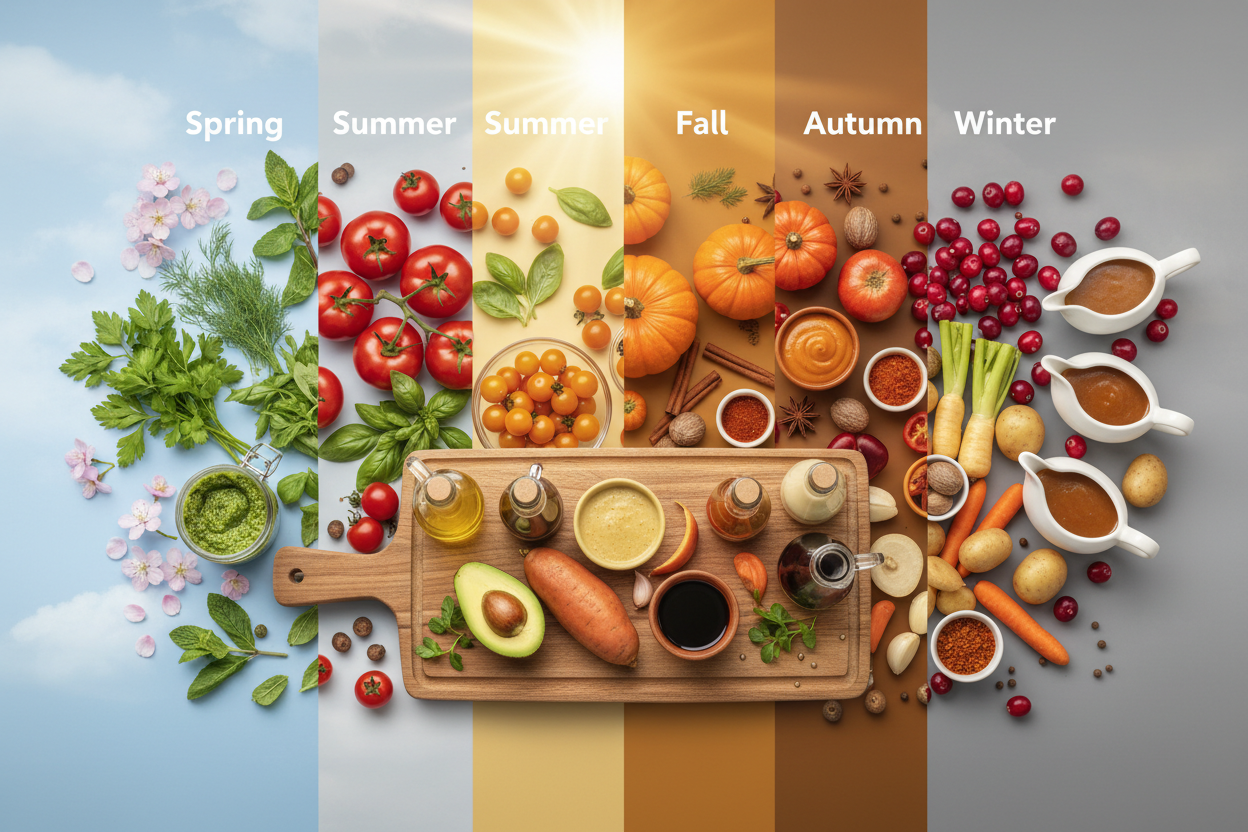
Quick sauce recipes using seasonal ingredients offer home cooks an incredible opportunity to add variety and depth to their cooking without breaking the bank or spending hours in the kitchen. When you work with ingredients that are naturally at their best, you’re already ahead of the game. Spring’s tender herbs, summer’s juicy tomatoes, fall’s robust squashes, and winter’s hearty root vegetables each bring their own unique character to sauce-making.
The beauty of seasonal cooking extends beyond just taste. You’ll find that seasonal ingredients are typically more affordable, more nutritious, and more environmentally sustainable. Plus, there’s an undeniable satisfaction in eating with the rhythm of nature, knowing that what’s on your plate reflects the time and place you’re living in.
Spring Sauce Recipes: Fresh and Vibrant
Spring awakens our palates with its fresh, green flavors and tender vegetables. This season calls for sauces that celebrate renewal and lightness, perfect for drizzling over grilled proteins or tossing with pasta.
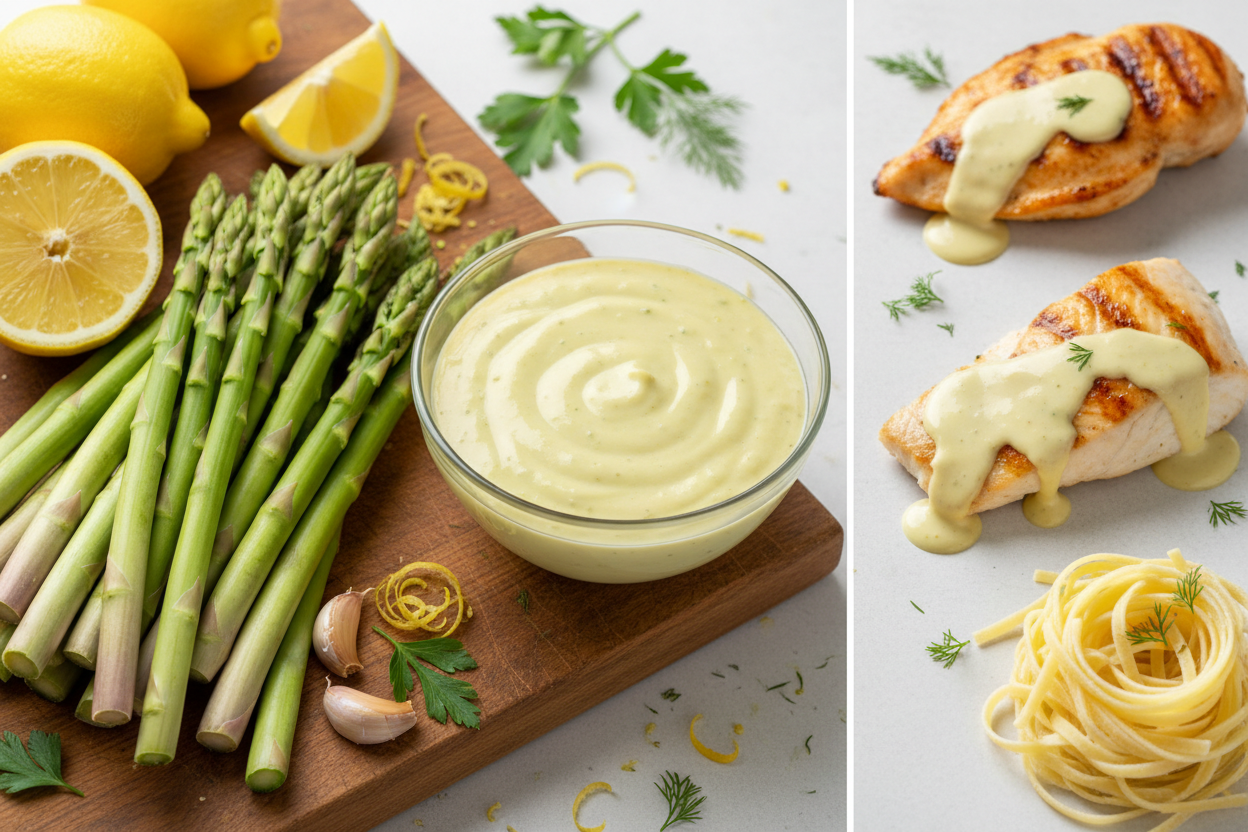
Asparagus and Lemon Cream Sauce captures the essence of spring in every spoonful. Simply blanch one pound of fresh asparagus until bright green, then puree with heavy cream, lemon juice, and a touch of garlic. This versatile sauce works beautifully over chicken, fish, or fresh pasta. The key is not to overcook the asparagus, preserving that vibrant color and crisp flavor that makes spring vegetables so special.
Fresh Pea and Mint Sauce brings together two classic spring companions. Blanch two cups of fresh peas, then blend with fresh mint leaves, olive oil, and a splash of vegetable broth. The result is a bright green sauce that tastes like spring itself. I love serving this over grilled lamb or stirring it into risotto for an instant flavor boost.
Ramp and Garlic Scape Pesto takes advantage of these fleeting spring alliums. If you’re lucky enough to find ramps at your local farmers market, grab them. Combine equal parts ramps and garlic scapes with pine nuts, Parmesan, and olive oil for a pesto that’s more complex and nuanced than traditional basil versions.
Summer Sauce Recipes: Light and Refreshing
Summer’s abundance gives us permission to be bold with flavors while keeping things light and fresh. The season’s peak produce practically begs to be turned into vibrant sauces that complement rather than overwhelm.
Fresh Tomato Basil Sauce might seem obvious, but when made with peak-season tomatoes, it’s absolutely transcendent. Skip the canned tomatoes and instead blanch, peel, and roughly chop about three pounds of ripe tomatoes. Saute with garlic, fresh basil, and a touch of good olive oil. The sauce should taste like concentrated summer sunshine.
Cucumber Yogurt Sauce offers cooling relief on hot summer days. Grate two large cucumbers, salt them, and let drain for thirty minutes. Mix with Greek yogurt, fresh dill, lemon juice, and minced garlic. This sauce transforms grilled meats and vegetables into something refreshing and satisfying.
Peach and Jalapeño Salsa balances sweet summer fruit with a gentle heat. Dice ripe peaches and combine with minced jalapeño, red onion, cilantro, and lime juice. The natural sweetness of the peaches mellows the jalapeño’s heat, creating a complex sauce that’s perfect with grilled pork or fish.
Zucchini and Herb Sauce makes use of summer’s most prolific vegetable. Grate zucchini and sauté until just tender, then blend with fresh herbs like basil, parsley, and chives. Add olive oil and lemon juice to create a light, garden-fresh sauce that’s perfect for pasta or grilled vegetables.
Fall Sauce Recipes: Rich and Warming
As temperatures drop and leaves change, our sauce preferences shift toward richer, more warming flavors. Fall ingredients like squash, apples, and root vegetables create sauces with depth and substance that satisfy our need for comfort.
Butternut Squash Sage Sauce embodies autumn in a single bite. Roast cubed butternut squash until caramelized, then puree with cream, fresh sage, and a touch of nutmeg. The natural sweetness of the squash pairs beautifully with the earthy sage, creating a sauce that’s elegant enough for company but simple enough for weeknight dinners.
Apple Cider Reduction concentrates fall’s signature flavor into a glossy, complex sauce. Reduce apple cider by half, then whisk in butter and a splash of apple cider vinegar. This sauce is incredible with pork chops or roasted chicken, adding both sweetness and acidity to balance rich meats.
Roasted Red Pepper and Walnut Sauce draws inspiration from Middle Eastern cuisine. Roast red peppers until charred, then blend with toasted walnuts, garlic, and pomegranate molasses. The result is a sauce with incredible depth and a subtle smokiness that complements both meat and vegetarian dishes.
Pumpkin Cream Sauce transforms jack-o’-lantern season into culinary gold. Puree roasted pumpkin with cream, fresh thyme, and a pinch of warming spices like cinnamon and nutmeg. This sauce is particularly beautiful with pasta or as a base for fall soups.
Winter Sauce Recipes: Hearty and Comforting
Winter calls for sauces that warm us from the inside out. Root vegetables, preserved ingredients, and heartier flavors dominate this season’s sauce repertoire, providing comfort during the coldest months.
Caramelized Onion and Red Wine Sauce requires patience but rewards you with incredible depth. Slowly cook sliced onions until deeply caramelized, then deglaze with red wine and simmer until reduced. This sauce transforms simple steaks or roasted vegetables into something restaurant-worthy.
Roasted Garlic and Parsnip Sauce showcases winter’s underappreciated root vegetables. Roast whole garlic heads and parsnips until tender and sweet, then puree with cream and fresh herbs. The result is a sauce that’s both familiar and surprising, perfect for winter comfort foods.
Cranberry Orange Sauce goes beyond traditional holiday applications. Simmer fresh cranberries with orange juice and zest until they burst, then add a touch of honey. This bright, tart sauce cuts through rich winter dishes and adds a pop of color to dreary winter plates.
Mushroom and Thyme Sauce celebrates winter’s earthy fungi. Sauté a mix of mushrooms until golden, then deglaze with white wine and finish with cream and fresh thyme. This sauce is particularly good with pasta, risotto, or roasted chicken.
Essential Tips for Quick Sauce Success
Creating exceptional sauces doesn’t require professional training, but a few key techniques can dramatically improve your results. First, always taste as you go. Seasoning should be adjusted throughout the cooking process, not just at the end.
Temperature control is crucial for sauce success. Most cream-based sauces should never reach a full boil, as this can cause curdling. Instead, aim for a gentle simmer that allows flavors to meld without breaking the sauce.
Don’t underestimate the power of acid in balancing flavors. A splash of lemon juice, vinegar, or wine can brighten heavy sauces and make flavors pop. Similarly, a pinch of salt can enhance sweetness in fruit-based sauces.
Texture matters as much as flavor. Some sauces benefit from being completely smooth, while others are better with a bit of texture. Consider your final dish when deciding whether to blend completely or leave some chunks.
Fresh herbs should typically be added at the end of cooking to preserve their bright flavor and color. Dried herbs, on the other hand, benefit from longer cooking times to fully release their flavors.
Storage and Preservation Methods
Proper storage extends the life of your seasonal sauces and allows you to enjoy peak flavors year-round. Most cream-based sauces are best used fresh but can be refrigerated for up to three days. When reheating, do so gently and consider adding a splash of cream or broth to restore consistency.
Oil-based sauces like pestos freeze beautifully for up to six months. Pour into ice cube trays for convenient portion sizes, then transfer to freezer bags once frozen. This method allows you to enjoy summer’s basil pesto in the depths of winter.
Fruit-based sauces often improve with time, as flavors have a chance to meld. Many can be canned using proper canning techniques, allowing you to preserve peak-season flavors for months.
Always label your stored sauces with contents and date. What seems obvious today might be a mystery in three months. Consider keeping a small notebook of successful sauce combinations for future reference.
Conclusion
Mastering quick sauce recipes using seasonal ingredients opens up a world of culinary possibilities that can transform your everyday cooking. By working with ingredients at their peak, you’re not only creating more flavorful dishes but also connecting with the natural rhythm of the seasons.
The beauty of seasonal sauce making lies in its simplicity and flexibility. These recipes serve as starting points rather than rigid formulas. Feel free to adjust seasonings, swap similar ingredients, or combine techniques to create your own signature sauces.
Remember that the best sauces often come from understanding your ingredients and trusting your palate. Start with quality seasonal produce, apply basic cooking techniques, and don’t be afraid to experiment. With practice, you’ll develop an intuitive sense for flavor combinations that work well together.
As you continue your sauce-making journey, keep notes on successful combinations and techniques. Your future self will thank you when you’re looking for that perfect sauce recipe you created last spring. Most importantly, have fun with the process and enjoy the incredible flavors that each season has to offer.
Frequently Asked Questions
How long do homemade sauces typically last in the refrigerator?
Most homemade sauces last 3-5 days in the refrigerator when stored in airtight containers. Cream-based sauces should be used within 3 days, while oil-based sauces can often last up to a week. Always check for signs of spoilage before using.
Can I substitute frozen vegetables for fresh in these seasonal sauce recipes?
While fresh ingredients typically provide the best flavor and texture, frozen vegetables can work in many sauce recipes. Thaw and drain frozen vegetables thoroughly before using, and expect slightly different textures in the final sauce.
What’s the best way to reheat cream-based sauces without curdling?
Reheat cream-based sauces gently over low heat, stirring frequently. If the sauce appears to separate, whisk in a small amount of cold cream or milk. Never microwave cream sauces on high power, as this can cause curdling.
How can I thicken a sauce that’s too thin?
For cream-based sauces, simmer uncovered to reduce liquid, or whisk in a small amount of flour mixed with cold cream. For other sauces, try simmering to reduce, adding tomato paste, or blending in cooked vegetables for natural thickening.
Are there any seasonal ingredients that don’t work well in sauces?
Most seasonal ingredients can be incorporated into sauces with proper technique. However, very watery vegetables like lettuce or cucumber work better in cold sauces, while high-starch vegetables like potatoes are better roasted or cooked before blending into sauces.
Can I make these sauces ahead of time for meal prep?
Many sauces actually improve when made ahead, allowing flavors to meld. Oil-based sauces, tomato sauces, and fruit salsas are particularly good make-ahead options. Store in portioned containers for easy weeknight meal preparation.