Laotian Herb Gardens: Quick Recipes for Natural Recovery
Table of Contents
1. Introduction to Laotian Herbal Medicine
2. Essential Herbs in Traditional Laotian Gardens
3. Setting Up Your Own Laotian Herb Garden
4. Quick Recovery Recipes Using Laotian Herbs
5. Seasonal Herb Harvesting and Storage Tips
6. Safety Considerations and Precautions
7. Integrating Laotian Herbs into Daily Wellness
8. Conclusion
9. Frequently Asked Questions
Introduction to Laotian Herbal Medicine
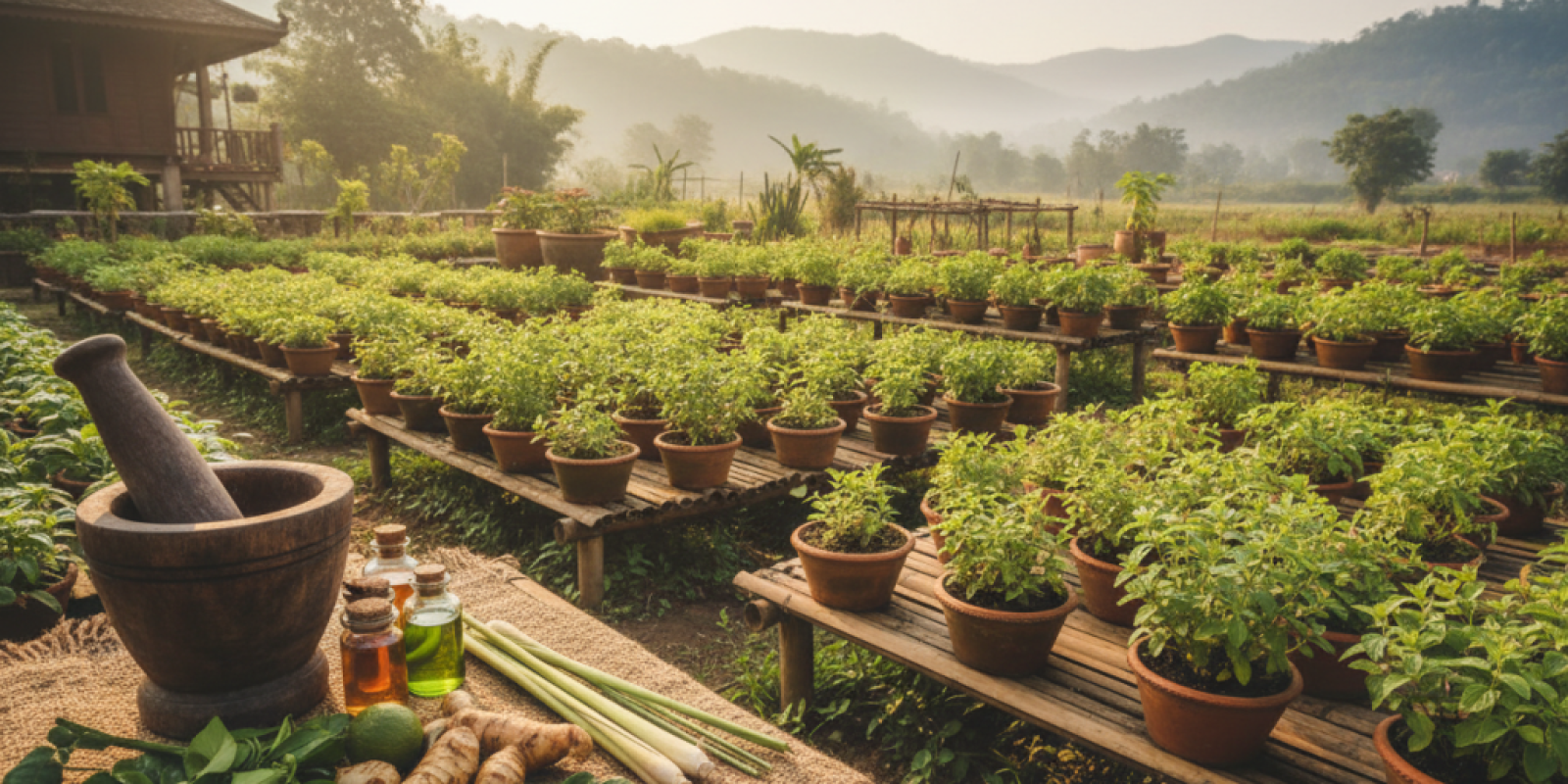
Walking through a traditional Laotian village, you’ll notice something remarkable about the gardens surrounding each home. These aren’t just decorative spaces filled with ornamental plants. Instead, they’re living pharmacies, carefully cultivated collections of healing herbs that have sustained communities for generations.

Laotian herbal medicine represents thousands of years of accumulated wisdom, passed down through families like precious heirlooms. What makes these herb gardens particularly fascinating is how they seamlessly blend into daily life. A grandmother might step outside to gather ingredients for dinner and return with both vegetables and medicine for her grandson’s upset stomach.
The beauty of Laotian herb gardens lies in their accessibility and practicality. Unlike complex pharmaceutical preparations, these natural remedies can be prepared quickly in your own kitchen using fresh or dried herbs. Whether you’re dealing with digestive issues, stress, minor injuries, or seasonal ailments, traditional Laotian herbs offer gentle yet effective solutions that work in harmony with your body’s natural healing processes.
Essential Herbs in Traditional Laotian Gardens
Every authentic Laotian herb garden contains certain foundational plants that serve as the backbone of traditional healing practices. Understanding these essential herbs will help you create your own therapeutic garden and prepare effective recovery remedies.
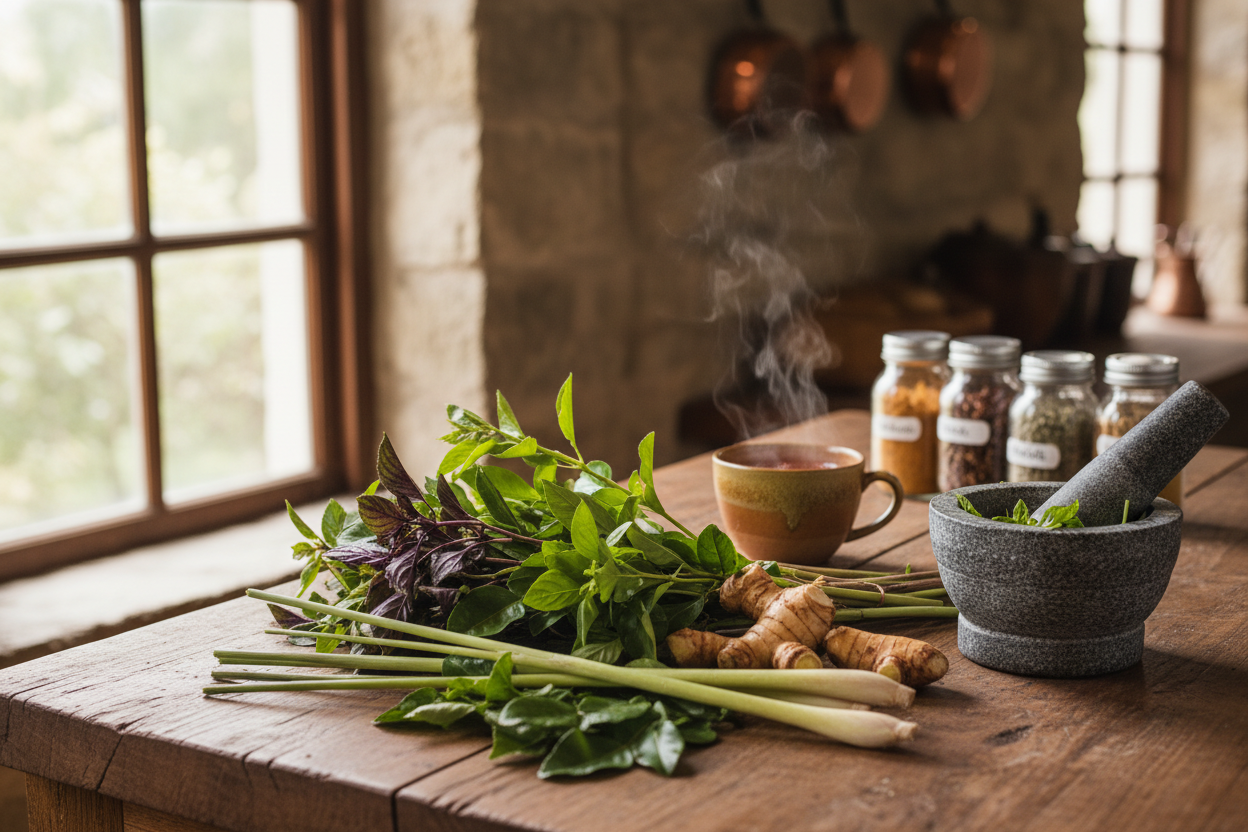
Lemongrass stands as perhaps the most versatile herb in Laotian medicine. Its citrusy fragrance isn’t just pleasant – it contains powerful compounds that aid digestion, reduce inflammation, and promote relaxation. Fresh lemongrass tea has saved me countless times during stressful periods, providing both comfort and genuine therapeutic benefits.
Holy basil, known locally as “horapha,” differs significantly from the sweet basil you might use in Italian cooking. This sacred herb possesses adaptogenic properties, meaning it helps your body manage stress more effectively. Traditional healers often recommend holy basil for anxiety, respiratory issues, and general fatigue.
Galangal root, a cousin to ginger, brings both culinary and medicinal value to Laotian gardens. Its warming properties make it excellent for digestive complaints and circulation issues. I’ve found that fresh galangal tea works wonders for settling an upset stomach, especially when combined with a touch of honey.
Turmeric, with its distinctive golden color, serves as nature’s anti-inflammatory powerhouse. Laotian families traditionally use fresh turmeric root in healing pastes for wounds and in warming drinks for joint pain. The fresh root contains higher levels of active compounds compared to dried powder, making it particularly valuable for recovery recipes.
Kaffir lime leaves might seem like purely culinary ingredients, but they play important roles in traditional healing. Their essential oils support respiratory health and can help clear mental fog. Many Laotian households keep these aromatic leaves on hand for both cooking and quick therapeutic preparations.
Setting Up Your Own Laotian Herb Garden
Creating a Laotian-inspired herb garden doesn’t require extensive space or specialized knowledge. Many of these healing plants adapt well to container growing, making them accessible even for apartment dwellers or those with limited outdoor space.
Start with the basics: lemongrass, holy basil, and mint varieties form an excellent foundation. These herbs are relatively easy to grow and provide immediate benefits for common health concerns. Lemongrass, in particular, thrives in warm conditions and can even grow indoors near a sunny window during colder months.
Consider your local climate when selecting herbs. While some tropical Laotian plants might struggle in cooler regions, many adapt surprisingly well to different conditions. I’ve successfully grown galangal in containers that I move indoors during winter, and it continues producing fresh roots for my healing preparations.
Companion planting works beautifully in herb gardens. Traditional Laotian gardens often intermix healing herbs with vegetables and flowers, creating beneficial relationships between plants. Basil varieties help repel pests from neighboring plants, while lemongrass can serve as a natural border that deters insects.
Water management plays a crucial role in herb garden success. Most Laotian herbs prefer well-draining soil that stays consistently moist but never waterlogged. Adding organic compost improves soil structure and provides gentle nutrition that enhances the herbs’ therapeutic properties.
Quick Recovery Recipes Using Laotian Herbs
The true value of maintaining an herb garden becomes apparent when you need quick, effective remedies for common health issues. These traditional Laotian recipes have been tested by generations of families and continue proving their worth in modern households.
For digestive upset, try this simple lemongrass and ginger tea. Combine two stalks of fresh lemongrass (bruised to release oils) with a thumb-sized piece of fresh ginger in two cups of boiling water. Steep for ten minutes, strain, and add honey to taste. This warming blend soothes stomach irritation and promotes healthy digestion.
When stress overwhelms your system, holy basil tea provides gentle yet noticeable relief. Use about ten fresh holy basil leaves per cup of hot water, steeping for five to seven minutes. The slightly spicy, clove-like flavor grows on you, and the calming effects become apparent within twenty minutes of drinking.
For minor cuts or skin irritations, create a healing turmeric paste by grinding fresh turmeric root with a small amount of water until it forms a thick consistency. Apply directly to clean wounds and cover with a bandage. The natural antiseptic and anti-inflammatory properties help prevent infection and reduce healing time.
Respiratory congestion responds well to a steam inhalation using kaffir lime leaves and lemongrass. Add a handful of torn leaves to a bowl of steaming water, cover your head with a towel, and breathe deeply for five to ten minutes. The aromatic oils help clear nasal passages and ease breathing difficulties.
Joint pain and muscle soreness benefit from a warming galangal compress. Grate fresh galangal root and wrap it in a clean cloth, then apply to affected areas for fifteen to twenty minutes. The warming sensation increases circulation and helps reduce inflammation naturally.
Seasonal Herb Harvesting and Storage Tips
Maximizing your herb garden’s therapeutic potential requires understanding when and how to harvest different plants. Timing significantly affects the concentration of active compounds in healing herbs, making proper harvesting techniques essential for effective remedies.
Morning hours, just after the dew evaporates but before the day becomes hot, typically offer the best harvesting conditions. Plants contain their highest concentration of essential oils during this time, ensuring maximum potency in your preparations.
Lemongrass can be harvested throughout the growing season by cutting stalks at ground level. The outer leaves may appear tough, but they contain valuable oils perfect for teas and broths. Harvest regularly to encourage new growth and maintain tender, flavorful stalks.
Holy basil requires a different approach – pinch off flowering tops regularly to maintain leaf production and concentrate the plant’s energy into foliage rather than seed production. This technique also extends the harvesting season significantly.
Proper drying preserves herbs for year-round use when fresh options aren’t available. Bundle small amounts of herbs with rubber bands and hang them in a warm, dry location away from direct sunlight. Most herbs dry completely within one to two weeks, depending on humidity levels.
Storage containers matter more than you might expect. Glass jars with tight-fitting lids protect dried herbs from moisture and light while preserving their therapeutic properties. Label everything clearly with harvest dates, as most dried herbs maintain peak potency for about one year.
Safety Considerations and Precautions
While Laotian herbs offer gentle, natural healing support, responsible use requires understanding potential interactions and contraindications. Even natural remedies can cause problems when used inappropriately or in excessive amounts.
Pregnancy and nursing require extra caution with herbal remedies. Some herbs that are perfectly safe for general use may not be appropriate during these sensitive periods. Always consult with healthcare providers before incorporating new herbs into your routine if you’re pregnant, nursing, or planning to become pregnant.
Medication interactions deserve serious consideration. Herbs like turmeric can enhance the effects of blood-thinning medications, while others might interfere with prescription drugs. Maintain open communication with your healthcare providers about any herbal remedies you use regularly.
Start with small amounts when trying new herbs, especially if you have known allergies or sensitivities. What works wonderfully for one person might cause reactions in another. Begin with weak preparations and gradually increase strength as you gauge your body’s response.
Quality sourcing becomes crucial when purchasing herbs you can’t grow yourself. Seek out reputable suppliers who can provide information about growing conditions and processing methods. Organic certification offers additional assurance about the absence of harmful pesticides or chemicals.
Integrating Laotian Herbs into Daily Wellness
The most effective approach to herbal healing involves consistent, gentle integration rather than sporadic intensive use. Traditional Laotian families incorporate healing herbs into daily routines, creating a foundation of wellness that supports the body’s natural resilience.
Morning rituals can include herbal teas that energize and focus your mind for the day ahead. A simple lemongrass and mint tea provides refreshing hydration while supporting digestive health and mental clarity. This gentle start sets a positive tone for whatever challenges the day might bring.
Cooking with fresh herbs doubles their value – you’re simultaneously creating delicious meals and supporting your family’s health. Fresh galangal in soups, holy basil in stir-fries, and turmeric in rice dishes transform ordinary meals into therapeutic experiences.
Evening wind-down routines benefit enormously from calming herbal preparations. Holy basil tea about an hour before bedtime helps transition your nervous system from the day’s activities toward restful sleep. The ritual itself becomes as valuable as the herb’s physiological effects.
Seasonal adjustments keep your herbal practice relevant and effective throughout the year. Warming herbs like ginger and galangal become more important during cold months, while cooling herbs like mint gain prominence during hot summer periods.
Conclusion
Laotian herb gardens represent more than just collections of useful plants – they embody a philosophy of living in harmony with nature’s healing wisdom. By cultivating these traditional herbs and learning to prepare simple remedies, you’re connecting with thousands of years of accumulated knowledge about natural health and recovery.
The beauty of this approach lies in its accessibility and gentleness. You don’t need extensive training or expensive equipment to benefit from these time-tested herbs. A small garden space, some basic knowledge, and respect for traditional wisdom can provide your family with effective, natural support for common health concerns.
Starting small makes the journey manageable and sustainable. Choose two or three herbs that appeal to you and focus on learning their properties and uses thoroughly. As your confidence grows, you can expand your garden and repertoire of healing recipes.
Remember that herbal healing works best as part of a holistic approach to wellness that includes proper nutrition, adequate sleep, regular exercise, and stress management. These herbs support and enhance your body’s natural healing abilities rather than replacing common-sense health practices.
The investment in time and energy required to establish an herb garden pays dividends far beyond the immediate therapeutic benefits. You’re creating a living connection to traditional wisdom while developing skills that can serve your family for generations to come.
Frequently Asked Questions
Can I grow Laotian herbs in containers if I don’t have garden space?
Absolutely! Many Laotian herbs adapt well to container growing. Lemongrass, holy basil, and mint varieties thrive in pots with adequate drainage. Choose containers at least 12 inches deep for root development, and ensure they receive sufficient sunlight throughout the day.
How long do homemade herbal preparations stay fresh?
Fresh herbal teas should be consumed within 24 hours when stored in the refrigerator. Dried herb preparations can last up to one year when stored properly in airtight containers away from light and moisture. Always check for signs of spoilage before use.
Are there any herbs I should avoid if I’m taking prescription medications?
Several herbs can interact with medications. Turmeric may enhance blood-thinning effects, while some herbs can affect blood sugar levels. Always consult your healthcare provider before adding new herbs to your routine, especially if you take prescription medications.
What’s the difference between using fresh versus dried herbs in remedies?
Fresh herbs generally contain higher concentrations of volatile oils and active compounds, making them more potent for therapeutic use. However, dried herbs offer convenience and year-round availability. Use about three times more fresh herbs than dried when substituting in recipes.
How do I know if I’m using the right amount of herbs in my preparations?
Start with traditional ratios: one teaspoon of dried herbs or one tablespoon of fresh herbs per cup of water for teas. Begin with weaker preparations and gradually increase strength based on your body’s response and the desired therapeutic effect.
Can children safely use these herbal remedies?
Many Laotian herbs are safe for children when used appropriately, but dosages should be adjusted based on age and weight. Generally, children should receive about half the adult dose. Always consult with a pediatrician before giving herbal remedies to children under two years old.