The Art of Seasonal Batch Cooking for Busy Fitness Women: Your Ultimate Guide to Meal Prep Success
Table of Contents
1. Introduction
2. Understanding Seasonal Batch Cooking
3. Why Seasonal Batch Cooking Works for Fitness-Focused Women
4. Essential Equipment for Successful Batch Cooking
5. Spring Batch Cooking Strategies
6. Summer Meal Prep Solutions
7. Fall Comfort Food Preparation
8. Winter Warming Batch Recipes
9. Storage and Food Safety Tips
10. Time-Saving Batch Cooking Hacks
11. Conclusion
12. Frequently Asked Questions
Introduction
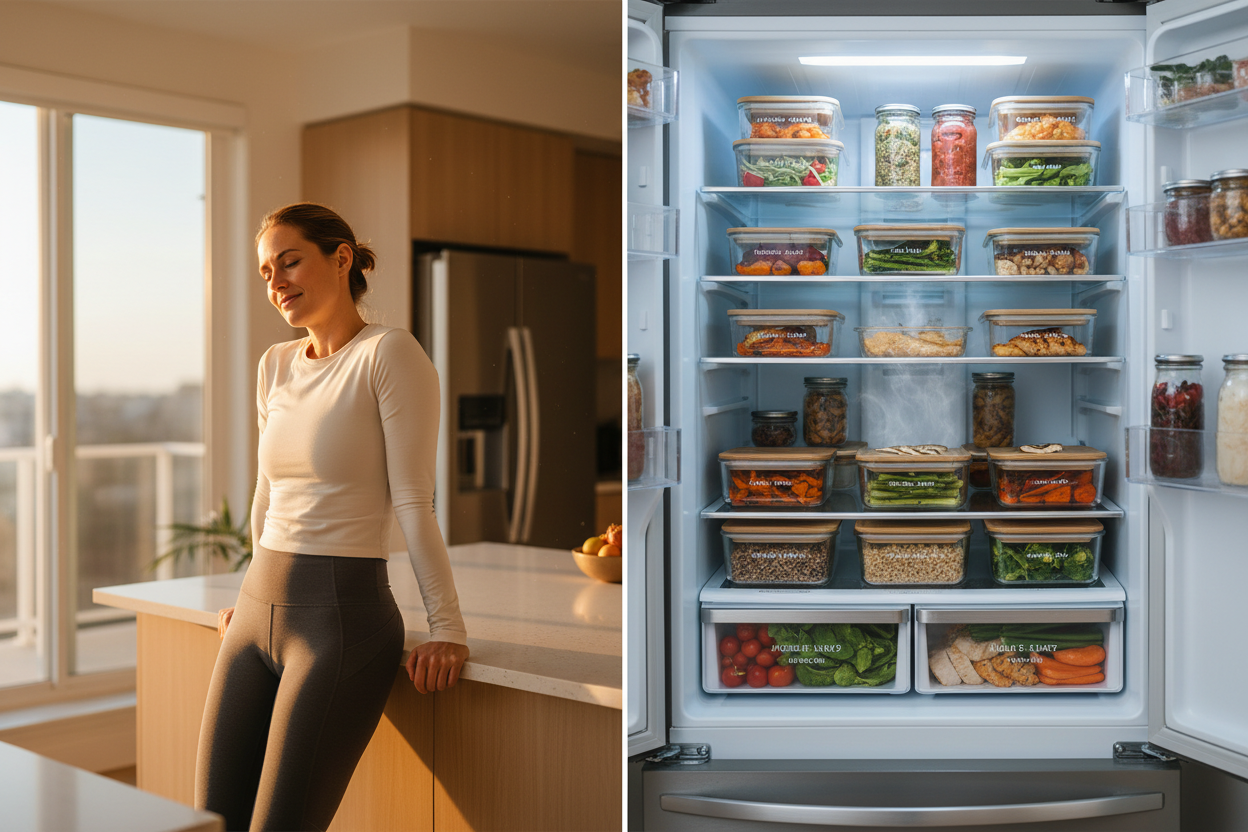
Picture this: It’s Tuesday evening, you’ve just finished an intense workout, and you’re absolutely starving. Instead of reaching for takeout or settling for a protein bar dinner, you open your fridge to find perfectly portioned, nutritious meals ready to heat and eat. This isn’t a fantasy – it’s the reality of mastering seasonal batch cooking.
As a fitness-focused woman juggling work, workouts, and life’s endless demands, you know that nutrition plays a crucial role in reaching your goals. Yet finding time to prepare healthy meals consistently can feel like an impossible task. That’s where the art of seasonal batch cooking comes in, transforming your relationship with meal preparation from stressful to strategic.
Seasonal batch cooking isn’t just about making large quantities of food – it’s about working with nature’s rhythm to create meals that nourish your body while respecting your busy schedule. By aligning your meal prep with seasonal ingredients, you’ll discover fresher flavors, better prices, and recipes that naturally complement your body’s changing needs throughout the year.
Understanding Seasonal Batch Cooking
Seasonal batch cooking combines the efficiency of meal preparation with the wisdom of eating seasonally. This approach involves preparing large quantities of meals using ingredients that are naturally abundant during specific times of the year. Think hearty stews in winter, fresh salads in summer, and everything in between.
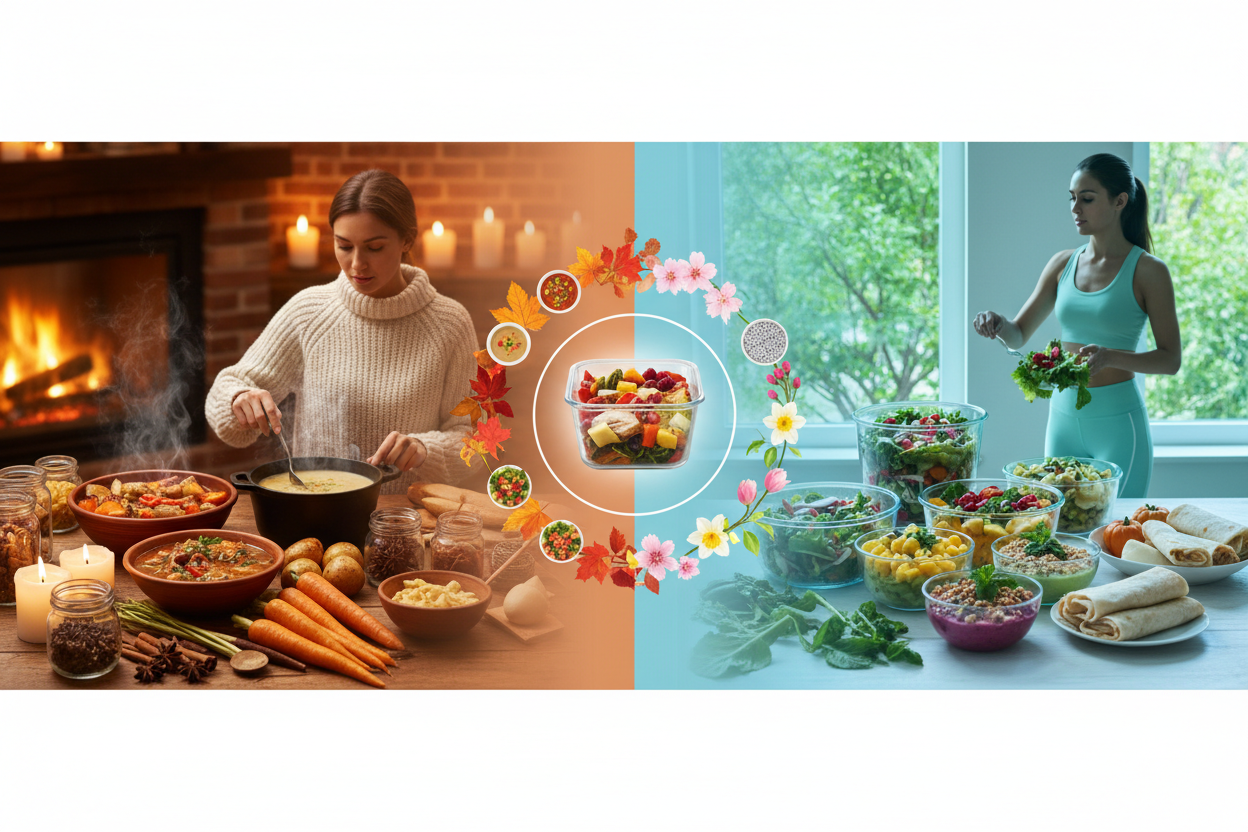
The concept goes beyond simple meal prep by considering how your nutritional needs shift with the seasons. During colder months, your body craves warming, grounding foods that provide sustained energy. Summer calls for lighter, hydrating meals that won’t weigh you down during outdoor activities. By understanding these natural rhythms, you can create a meal prep system that feels intuitive rather than forced.
This method also takes advantage of seasonal produce pricing and availability. When strawberries are in peak season, they’re not only more affordable but also packed with maximum nutrition and flavor. Building your batch cooking around these natural cycles means better-tasting food and a more sustainable approach to healthy eating.
Why Seasonal Batch Cooking Works for Fitness-Focused Women
Your fitness journey demands consistent nutrition, but your busy lifestyle often works against this goal. Seasonal batch cooking addresses this challenge by creating a sustainable system that adapts to both your schedule and your body’s needs.
First, it eliminates decision fatigue. When you’re exhausted after a challenging workout, the last thing you want to do is figure out what to eat. Having pre-planned, pre-prepared meals removes this mental burden entirely. You’ve already made the healthy choice when you were in the right mindset – now you just need to execute.
Second, it ensures nutritional consistency. Fitness goals require steady fuel, not the rollercoaster of takeout binges followed by restrictive eating. Batch cooking provides the foundation for consistent macro and micronutrient intake, supporting your training recovery and energy levels.
The seasonal aspect adds another layer of benefits. Your training intensity and goals often shift with the seasons – maybe you’re focused on outdoor activities in summer or building strength during winter months. Seasonal eating naturally supports these changes, providing the right types of nutrients when your body needs them most.
Essential Equipment for Successful Batch Cooking
The right tools can make the difference between batch cooking success and kitchen chaos. You don’t need a professional kitchen, but investing in a few key pieces of equipment will streamline your process significantly.
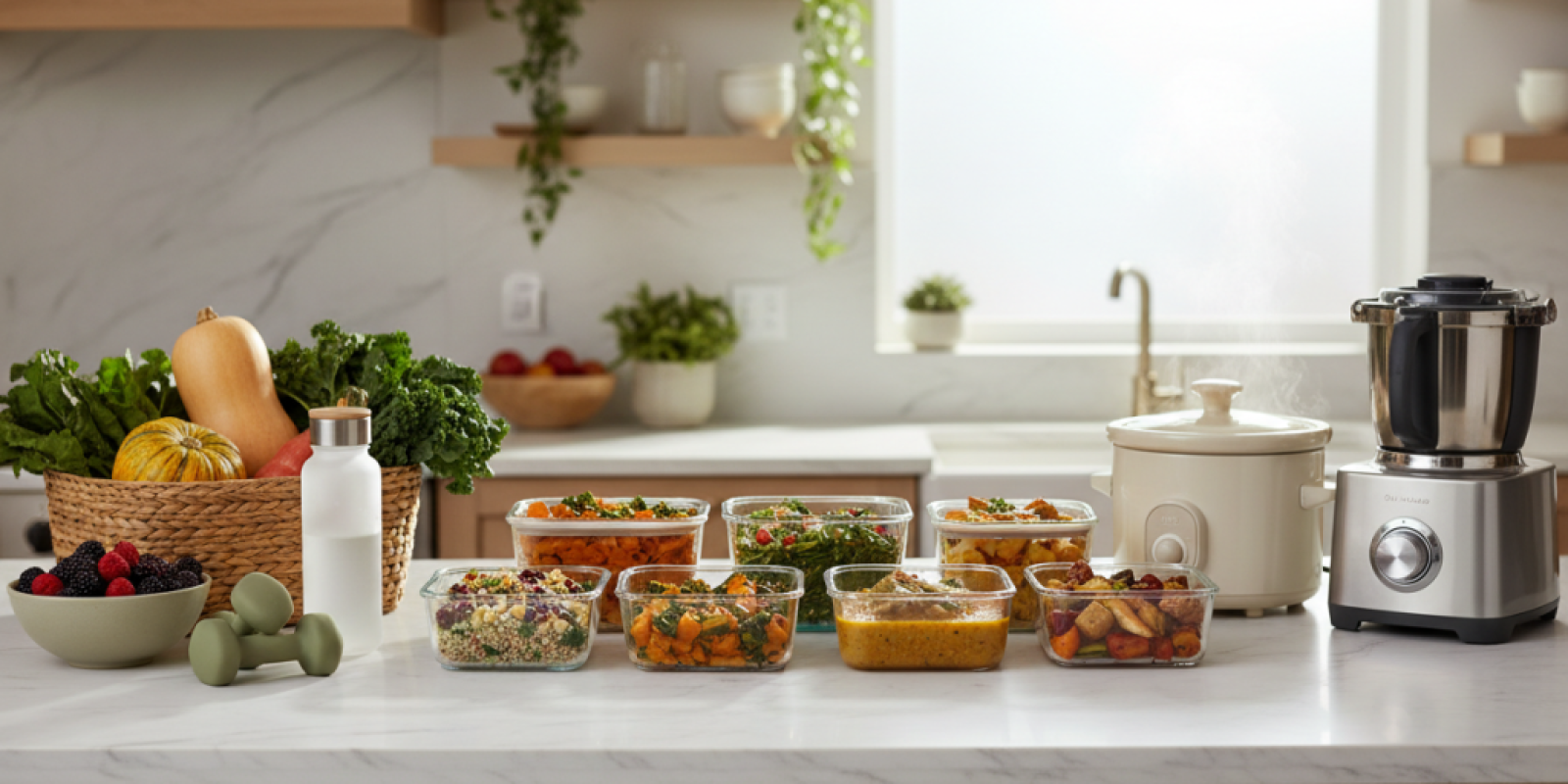
Start with quality food storage containers. Glass containers with airtight lids are ideal because they’re microwave-safe, don’t retain odors, and allow you to see what’s inside. Invest in various sizes – large containers for family-style dishes and individual portion containers for grab-and-go meals.
A slow cooker or Instant Pot becomes your best friend for hands-off cooking. These appliances allow you to prepare large quantities of soups, stews, and proteins with minimal active cooking time. Many fitness women find that starting a slow cooker meal before their morning workout results in a perfectly cooked dinner waiting when they return home.
Don’t underestimate the power of good sheet pans and a sharp knife. Sheet pan meals allow you to roast large quantities of vegetables and proteins simultaneously, while a quality knife makes prep work faster and safer. A food processor can also be invaluable for quickly chopping vegetables or preparing sauces and dressings in bulk.
Spring Batch Cooking Strategies
Spring brings renewal and lighter eating after the heavier comfort foods of winter. This season is perfect for transitioning your batch cooking to include more fresh vegetables and cleaner flavors that support increased outdoor activity.
Focus on preparing versatile protein bases that can be used multiple ways throughout the week. Batch cook chicken breast seasoned simply with herbs, or prepare a large portion of quinoa that can serve as the foundation for different meals. Spring vegetables like asparagus, peas, and early greens are perfect for quick-cooking methods that preserve their vibrant flavors and nutrients.
This is also an excellent time to batch prep fresh sauces and dressings. A homemade pesto using early spring herbs can transform simple proteins and grains into exciting meals. Prepare several different dressings and store them in small containers – they’ll keep your salads interesting and ensure you’re not reaching for processed options.
Consider batch preparing breakfast options like overnight oats or egg muffins. Spring’s energy makes it tempting to skip breakfast in favor of getting outside, but having grab-and-go options ensures you fuel your body properly for whatever activities await.
Summer Meal Prep Solutions
Summer batch cooking requires a different approach than other seasons. The last thing you want is to heat up your kitchen when it’s already sweltering outside, and your body craves lighter, more hydrating foods during this active season.
Embrace no-cook and minimal-cook preparation methods. Batch prep ingredients rather than fully cooked meals. Wash and chop vegetables in large quantities, cook grains and proteins that taste great cold, and prepare components that can be quickly assembled into fresh meals.
Cold soups like gazpacho are perfect summer batch cooking projects. They actually improve in flavor over time and provide hydration along with nutrition. Similarly, grain salads with seasonal vegetables can be prepared in large quantities and actually taste better after the flavors have time to meld.
Take advantage of your grill for batch cooking proteins. Grill large quantities of chicken, fish, or vegetables when you’re already cooking outdoors. These can be portioned and used throughout the week in salads, wraps, or alongside fresh sides.
Don’t forget about frozen treats. Batch prepare smoothie packs with pre-portioned fruits and vegetables that you can quickly blend with protein powder for post-workout nutrition. Homemade popsicles with real fruit can satisfy sweet cravings while providing hydration and nutrients.
Fall Comfort Food Preparation
As temperatures drop and training shifts indoors, your body naturally craves more substantial, warming foods. Fall batch cooking is all about preparing nourishing comfort foods that support your fitness goals without derailing your nutrition.
Root vegetables are your friends during fall batch cooking sessions. Sweet potatoes, butternut squash, and carrots roast beautifully in large quantities and can be repurposed throughout the week. Roast several sheet pans worth and use them in salads, grain bowls, soups, and as simple sides.
This is the perfect season for batch cooking hearty soups and stews. These one-pot meals are nutritionally dense, incredibly satisfying, and often taste better after sitting for a day or two. Prepare large batches and freeze portions for busy weeks ahead.
Fall spices like cinnamon, nutmeg, and ginger not only add warmth and flavor but also provide anti-inflammatory benefits that support recovery. Incorporate these into both sweet and savory batch cooking projects. Apple cinnamon overnight oats or spiced roasted vegetables can make healthy eating feel indulgent.
Winter Warming Batch Recipes
Winter batch cooking focuses on creating meals that provide sustained energy and warmth during the coldest months. Your body needs more calories to maintain temperature, and your training might shift to focus on strength building, requiring different nutritional support.
Slow-cooked proteins become essential during winter months. Batch cook pulled chicken, beef stew, or braised pork that can be portioned and frozen. These proteins are incredibly versatile and can be used in tacos, over rice, in sandwiches, or alongside roasted vegetables.
Warming spices like turmeric, ginger, and cayenne not only add flavor but provide anti-inflammatory benefits that support immune function during cold and flu season. Batch prepare spice blends and use them to season proteins and vegetables consistently.
Don’t forget about warming beverages. Batch prepare golden milk concentrate or herbal tea blends that can provide comfort and nutrition. Having these prepared makes it easy to choose nourishing options over less healthy warm drinks.
Storage and Food Safety Tips
Proper storage is crucial for successful batch cooking. Understanding food safety guidelines ensures your prepared meals remain delicious and safe throughout the week.
Cool foods completely before refrigerating to prevent raising your refrigerator’s temperature. Most batch-cooked meals will stay fresh in the refrigerator for 3-4 days, though some items like cooked grains and roasted vegetables can last up to a week.
Label everything with contents and date. Even if you think you’ll remember what’s in each container, a week later you might not be so sure. Use freezer-safe containers for items you won’t use within a few days, and remember that most cooked foods can be frozen for up to three months.
When reheating, ensure foods reach proper internal temperatures. Add a splash of water or broth to prevent drying out, and consider partially thawing frozen items in the refrigerator overnight for more even heating.
Time-Saving Batch Cooking Hacks
Efficiency is key when you’re already pressed for time. These strategies will help you maximize your batch cooking sessions without spending entire days in the kitchen.
Plan your batch cooking around your schedule, not against it. Many successful batch cookers find that Sunday afternoon or evening works best, but choose whatever day gives you 2-3 uninterrupted hours. Having a consistent schedule makes the habit easier to maintain.
Use your oven, stovetop, and small appliances simultaneously. While vegetables roast in the oven, you can cook grains on the stovetop and prepare proteins in a slow cooker. This parallel processing dramatically reduces total cooking time.
Prep ingredients in the order that makes sense for your kitchen flow. Start with items that need the longest cooking time, then move to quicker-cooking items. Clean as you go to avoid ending up with a disaster zone that takes longer to clean than the cooking took.
Conclusion
Mastering the art of seasonal batch cooking transforms meal preparation from a daily stressor into a weekly ritual that supports your fitness goals and busy lifestyle. By aligning your food preparation with nature’s rhythm, you create a sustainable system that provides consistent nutrition while honoring your body’s changing needs throughout the year.
Remember, perfection isn’t the goal – consistency is. Start small, perhaps by batch preparing just one or two items each week, and gradually expand your repertoire as the habit becomes natural. The investment of time on your prep day pays dividends throughout the week in the form of stress-free meals, consistent nutrition, and more time for the activities that matter most to you.
Your fitness journey deserves the support of proper nutrition, and seasonal batch cooking provides the framework to make healthy eating both achievable and enjoyable. Embrace the seasons, honor your schedule, and watch as this simple practice transforms not just your meal times, but your entire relationship with food and fitness.
Frequently Asked Questions
Q: How long does food stay fresh when batch cooking?
A: Most batch-cooked meals stay fresh in the refrigerator for 3-4 days. Cooked grains and roasted vegetables can last up to a week. For longer storage, freeze portions for up to 3 months. Always label containers with dates and contents.
Q: What’s the best day of the week for batch cooking?
A: Sunday afternoon or evening works well for many people, but choose whatever day gives you 2-3 uninterrupted hours. Consistency matters more than the specific day you choose.
Q: Can I batch cook if I have a small kitchen?
A: Absolutely! Focus on one-pot meals, use your oven efficiently with sheet pan cooking, and consider investing in a slow cooker or Instant Pot for hands-off cooking. You might batch cook smaller quantities more frequently.
Q: How do I prevent batch-cooked food from getting boring?
A: Prepare versatile base ingredients that can be used in multiple ways, batch cook several different sauces and seasonings, and vary your preparation methods. Seasonal eating naturally provides variety throughout the year.
Q: Is batch cooking cost-effective?
A: Yes, especially when you focus on seasonal ingredients. Buying in bulk and cooking at home is typically much less expensive than eating out or buying pre-prepared meals. You’ll also reduce food waste by using ingredients efficiently.
Q: What if I get tired of eating the same foods all week?
A: Prepare components rather than complete meals. Cook proteins, grains, and vegetables separately so you can mix and match throughout the week. Having 2-3 different sauces or seasonings can make the same ingredients feel like completely different meals.