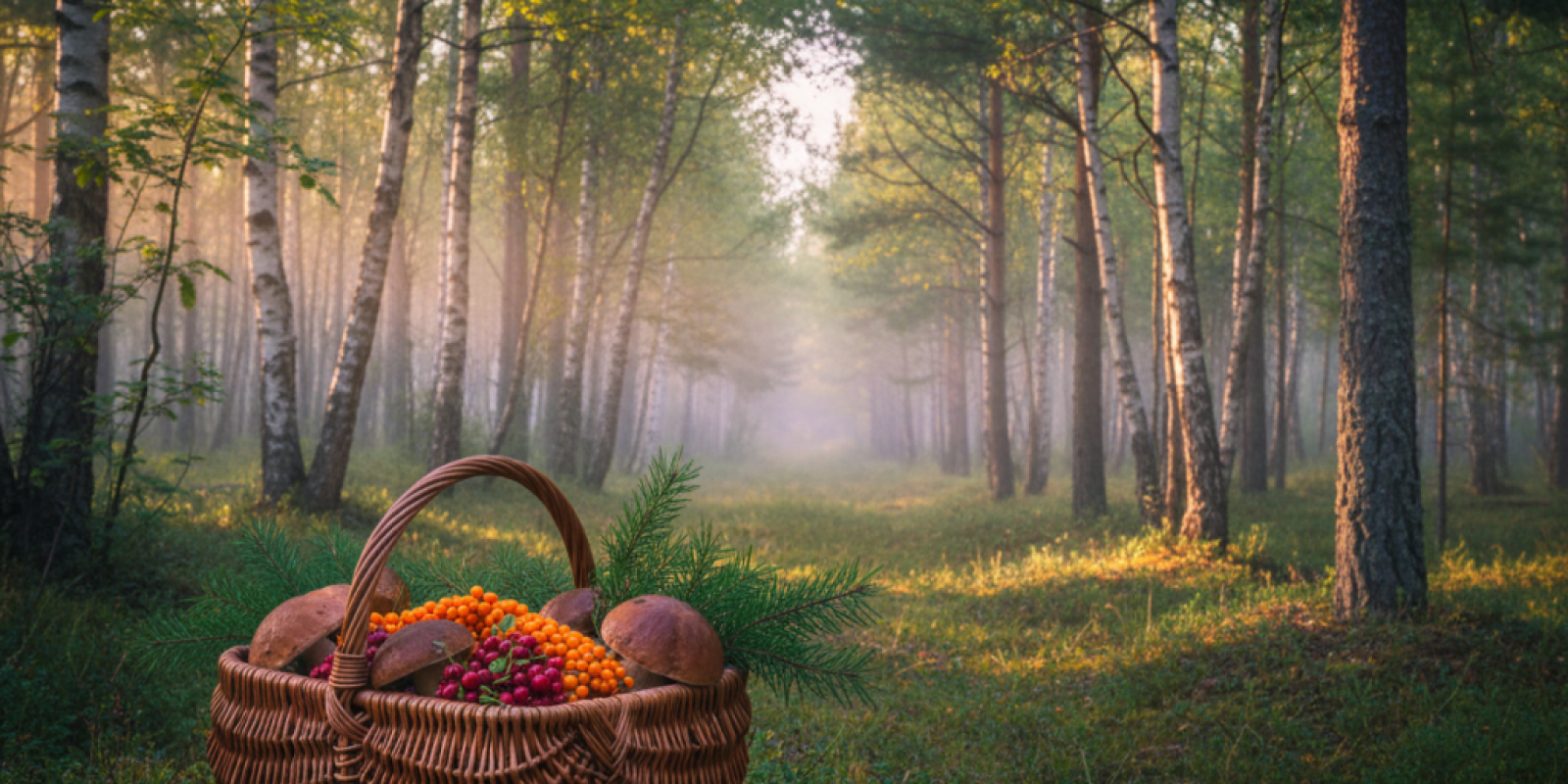
Estonian Forest Foods: Wild Ingredients for Women’s Health
Table of Contents
1. Introduction to Estonian Forest Foods
2. The Ancient Wisdom of Forest Foraging
3. Nutrient-Dense Wild Berries for Women’s Wellness
4. Medicinal Mushrooms and Their Health Benefits
5. Wild Herbs Supporting Hormonal Balance
6. Sea Buckthorn: Estonia’s Golden Berry
7. Sustainable Foraging Practices
8. How to Incorporate Estonian Forest Foods into Your Diet
9. Conclusion
10. Frequently Asked Questions
Introduction to Estonian Forest Foods
Nestled in the heart of the Baltic region, Estonia’s pristine forests have been nature’s pharmacy for centuries. These ancient woodlands, covering nearly half of the country’s territory, harbor an incredible array of wild ingredients that have traditionally supported women’s health and vitality. From antioxidant-rich berries to adaptogenic mushrooms, Estonian forest foods offer a treasure trove of natural remedies that modern science is just beginning to understand and appreciate.
For generations, Estonian women have turned to these wild ingredients to address everything from hormonal imbalances to immune system support. Today, as we seek more natural approaches to wellness, these time-tested forest foods are gaining recognition worldwide for their remarkable health benefits. Let’s explore how these wild ingredients can support women’s health in our modern world.
The Ancient Wisdom of Forest Foraging
Estonian foraging traditions run deep, passed down through generations of women who understood the healing power of nature. This knowledge wasn’t just about survival – it was about thriving in harmony with the natural world. Estonian grandmothers knew exactly when to harvest lingonberries for maximum antioxidant content, which mushrooms could boost immunity during harsh winters, and how to prepare herbal teas that would ease monthly discomfort.
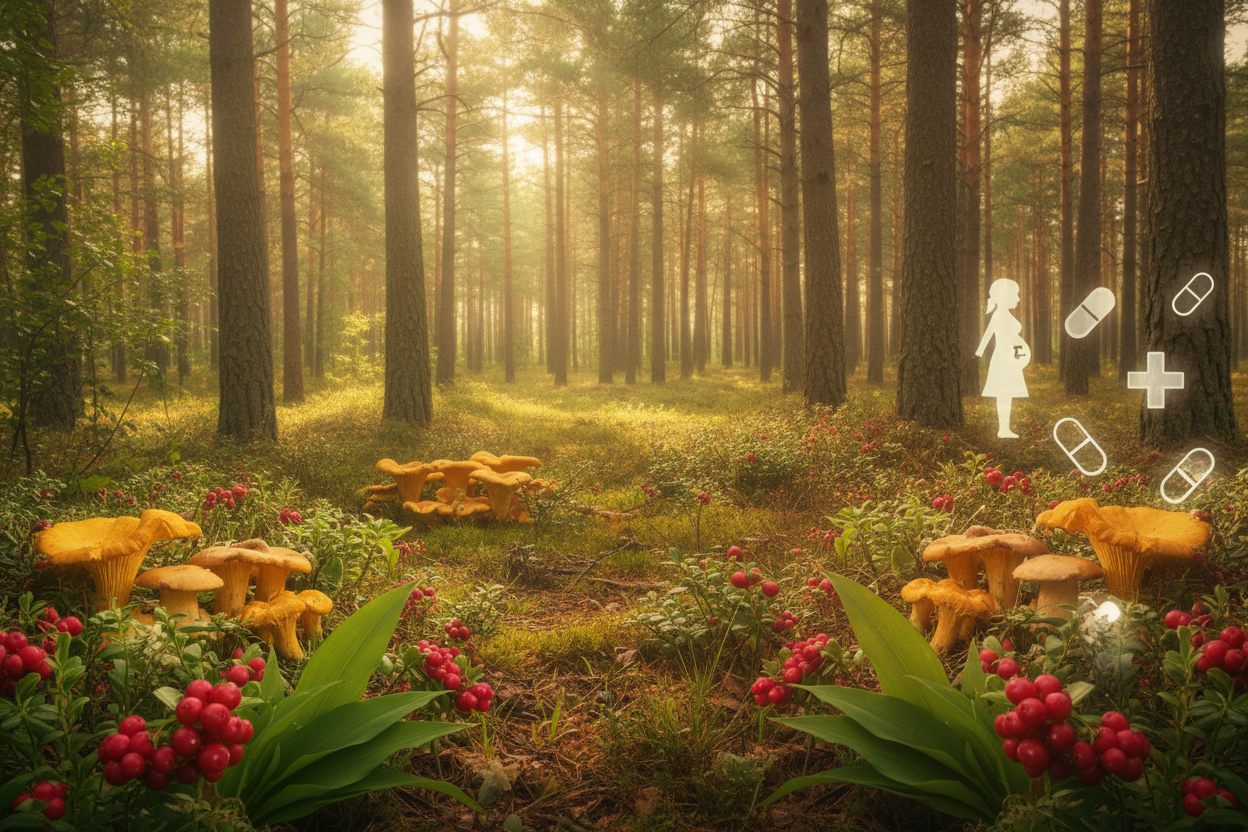
The concept of “forest bathing” or spending therapeutic time in nature originated long before it became a wellness trend. Estonian women instinctively understood that the forest provided not just physical nourishment but emotional and spiritual healing as well. This holistic approach to health – considering the mind, body, and spirit as interconnected – remains at the heart of Estonian forest food traditions.
Nutrient-Dense Wild Berries for Women’s Wellness
Estonia’s forests burst with an impressive variety of wild berries, each offering unique benefits for women’s health. These small but mighty fruits pack an extraordinary nutritional punch, often containing significantly higher levels of vitamins, minerals, and antioxidants than their cultivated counterparts.
Lingonberries, perhaps the most iconic of Estonian forest berries, are nutritional powerhouses that support urinary tract health – a common concern for many women. These tart, ruby-red berries contain proanthocyanidins, compounds that prevent harmful bacteria from adhering to urinary tract walls. Traditional Estonian medicine has long used lingonberry preparations to maintain urinary health, and modern research confirms these time-honored practices.
Bilberries, closely related to blueberries but with deeper color and more intense flavor, offer exceptional support for eye health and circulation. These berries contain high levels of anthocyanins, which strengthen capillary walls and improve blood flow. For women experiencing circulation issues or spending long hours in front of screens, bilberries provide natural support for maintaining healthy vision and vascular function.
Cloudberries, rare golden treasures found in Estonia’s northern bogs, contain more vitamin C than oranges and offer exceptional antioxidant protection. These amber-colored berries ripen slowly in the cool northern climate, concentrating their nutrients to extraordinary levels. Estonian women have traditionally valued cloudberries for their ability to boost immunity and support skin health from within.
Medicinal Mushrooms and Their Health Benefits
Estonia’s damp, temperate forests create ideal conditions for a diverse array of medicinal mushrooms. These fascinating organisms have been used in traditional Estonian medicine to support immune function, reduce inflammation, and promote overall vitality.
Chaga mushrooms, often called the “king of medicinal mushrooms,” grow on birch trees throughout Estonian forests. These black, charcoal-like growths contain one of the highest concentrations of antioxidants found in nature. Estonian women have traditionally prepared chaga tea to support immune function and promote longevity. Modern research suggests that chaga may help regulate blood sugar levels and support healthy aging – benefits particularly relevant for women navigating hormonal changes.
Reishi mushrooms, known as the “mushroom of immortality,” offer adaptogenic properties that help the body manage stress more effectively. For women juggling multiple responsibilities, reishi can provide natural support for maintaining energy levels and emotional balance. Estonian folk medicine has long recognized reishi’s ability to promote restful sleep and support liver function, two crucial aspects of women’s health.
Birch polypore, another common Estonian forest mushroom, has been traditionally used to support digestive health and boost immunity. This bracket fungus contains compounds that may help regulate cholesterol levels and support cardiovascular health – important considerations for women’s long-term wellness.
Wild Herbs Supporting Hormonal Balance
Estonian forests are home to numerous wild herbs that have traditionally supported women through various life stages. These plants contain phytoestrogens and other compounds that can help maintain hormonal balance naturally.
Red clover, abundant in Estonian meadows and forest clearings, contains isoflavones that may help ease menopausal symptoms. Estonian herbalists have long prepared red clover tea to support women during transitional periods, and modern research suggests these traditional uses have scientific merit.
Nettle, while often dismissed as a troublesome weed, is actually a nutritional powerhouse rich in iron, calcium, and vitamins A and C. Estonian women have traditionally used nettle preparations to combat fatigue and support healthy hair and nails. The high iron content makes nettle particularly valuable for women who may be prone to iron deficiency.
Lady’s mantle, with its distinctive pleated leaves that collect morning dew, has been called “women’s best friend” in traditional Estonian herbalism. This gentle herb has been used to support reproductive health and ease menstrual discomfort. The astringent properties of lady’s mantle have made it a valued ally for women’s wellness throughout Estonian history.
Sea Buckthorn: Estonia’s Golden Berry
While technically growing along Estonia’s coastal regions rather than deep in the forests, sea buckthorn deserves special mention as one of the country’s most remarkable wild foods. These bright orange berries are nutritional superstars, containing more vitamin C than citrus fruits and offering a complete spectrum of omega fatty acids.
Sea buckthorn oil, extracted from both the berries and seeds, has been used in Estonian folk medicine to support skin health, wound healing, and digestive function. The berries contain rare omega-7 fatty acids, which support healthy mucous membranes throughout the body. For women dealing with dry skin, digestive issues, or hormonal changes affecting skin health, sea buckthorn offers comprehensive nutritional support.
The antioxidant profile of sea buckthorn is truly exceptional, containing over 190 bioactive compounds including vitamins A, C, and E, flavonoids, and carotenoids. Estonian women have traditionally used sea buckthorn preparations to maintain energy levels during long, dark winters and to support overall vitality.
Sustainable Foraging Practices
The Estonian approach to forest foraging emphasizes sustainability and respect for nature. Traditional foraging practices ensure that wild populations remain healthy and abundant for future generations. This wisdom becomes increasingly important as interest in wild foods grows globally.
Sustainable foraging begins with proper identification and understanding of each plant’s growth patterns and habitat needs. Estonian foragers follow the “rule of thirds” – taking no more than one-third of available berries or herbs from any given area, leaving the rest for wildlife and natural regeneration.
Timing is crucial in sustainable foraging. Estonian women learned to harvest at optimal times when plants have maximum nutritional content while ensuring seeds have time to disperse for next year’s growth. This knowledge, passed down through generations, represents a sophisticated understanding of forest ecology.
Modern foragers can honor these traditions by educating themselves thoroughly before harvesting, using proper tools that don’t damage plants, and always obtaining permission when foraging on private land. The goal is to take only what is needed while leaving the forest healthier for the experience.
How to Incorporate Estonian Forest Foods into Your Diet
While not everyone has access to Estonian forests, many of these beneficial ingredients are available through specialty suppliers, health food stores, or online retailers. Understanding how to incorporate these foods into modern diets can help women access their health benefits regardless of location.
Dried berries like lingonberries and bilberries can be added to smoothies, yogurt, or oatmeal for an antioxidant boost. These concentrated forms retain most of their nutritional benefits while offering convenient storage and use. Many Estonian companies now export high-quality dried forest berries that maintain their traditional harvesting methods.
Mushroom powders and extracts offer convenient ways to access the benefits of medicinal mushrooms. Chaga powder can be mixed into coffee or tea, while reishi extracts can be added to evening beverages to support relaxation and sleep. Starting with small amounts allows the body to adjust gradually to these potent natural medicines.
Herbal teas remain one of the most accessible ways to benefit from Estonian forest herbs. Many traditional Estonian herb blends are now available internationally, offering authentic preparations based on generations of traditional knowledge. These teas can be incorporated into daily routines as gentle, ongoing support for women’s health.
Sea buckthorn products, including oils, juices, and supplements, are increasingly available in health food stores. The oil can be used both internally and externally, while the juice provides a concentrated source of vitamins and antioxidants. Starting with small amounts helps assess individual tolerance and optimal dosing.
Conclusion
Estonian forest foods represent a remarkable intersection of traditional wisdom and modern nutritional science. These wild ingredients offer women natural, sustainable options for supporting health and vitality throughout all life stages. From the antioxidant power of wild berries to the adaptogenic benefits of forest mushrooms, Estonia’s woodlands provide a comprehensive pharmacy for women’s wellness.
The key to benefiting from these forest foods lies in understanding their traditional uses while respecting both the environment and our individual health needs. Whether accessed through sustainable foraging, quality supplements, or traditional preparations, these Estonian forest treasures offer time-tested support for women seeking natural approaches to health and wellness.
As we continue to explore the connections between traditional knowledge and modern health science, Estonian forest foods stand as powerful examples of nature’s ability to nourish and heal. By honoring these traditions while embracing sustainable practices, we can ensure that future generations of women continue to benefit from these remarkable gifts from the forest.
Frequently Asked Questions
Are Estonian forest foods safe for everyone to consume?
While Estonian forest foods are generally safe for most people, it’s important to start with small amounts and consult healthcare providers, especially if you’re pregnant, nursing, or taking medications. Some wild mushrooms and herbs can interact with certain medications or may not be suitable for specific health conditions.
Where can I find authentic Estonian forest food products?
Many Estonian companies now export their forest food products internationally. Look for certified organic suppliers who work directly with Estonian foragers and processors. Health food stores, specialty online retailers, and Nordic food suppliers often carry authentic Estonian forest products.
How do I know if forest food supplements are high quality?
Look for products that specify their source location, harvesting methods, and processing techniques. Third-party testing for purity and potency is important. Companies that work directly with traditional Estonian foragers often provide the highest quality products that maintain traditional preparation methods.
Can I forage for these foods in other countries?
Many of these plants grow in similar climates throughout Northern Europe and North America. However, proper identification is crucial for safety. Take classes from experienced foragers, use multiple identification resources, and never consume anything you’re not 100% certain about. Always check local regulations regarding foraging permissions.
How long do Estonian forest foods typically take to show health benefits?
This varies depending on the specific food and individual health status. Some benefits, like the antioxidant effects of berries, may be immediate, while adaptogenic effects from mushrooms might take several weeks of consistent use to become noticeable. Traditional Estonian medicine emphasizes consistent, long-term use for optimal benefits.