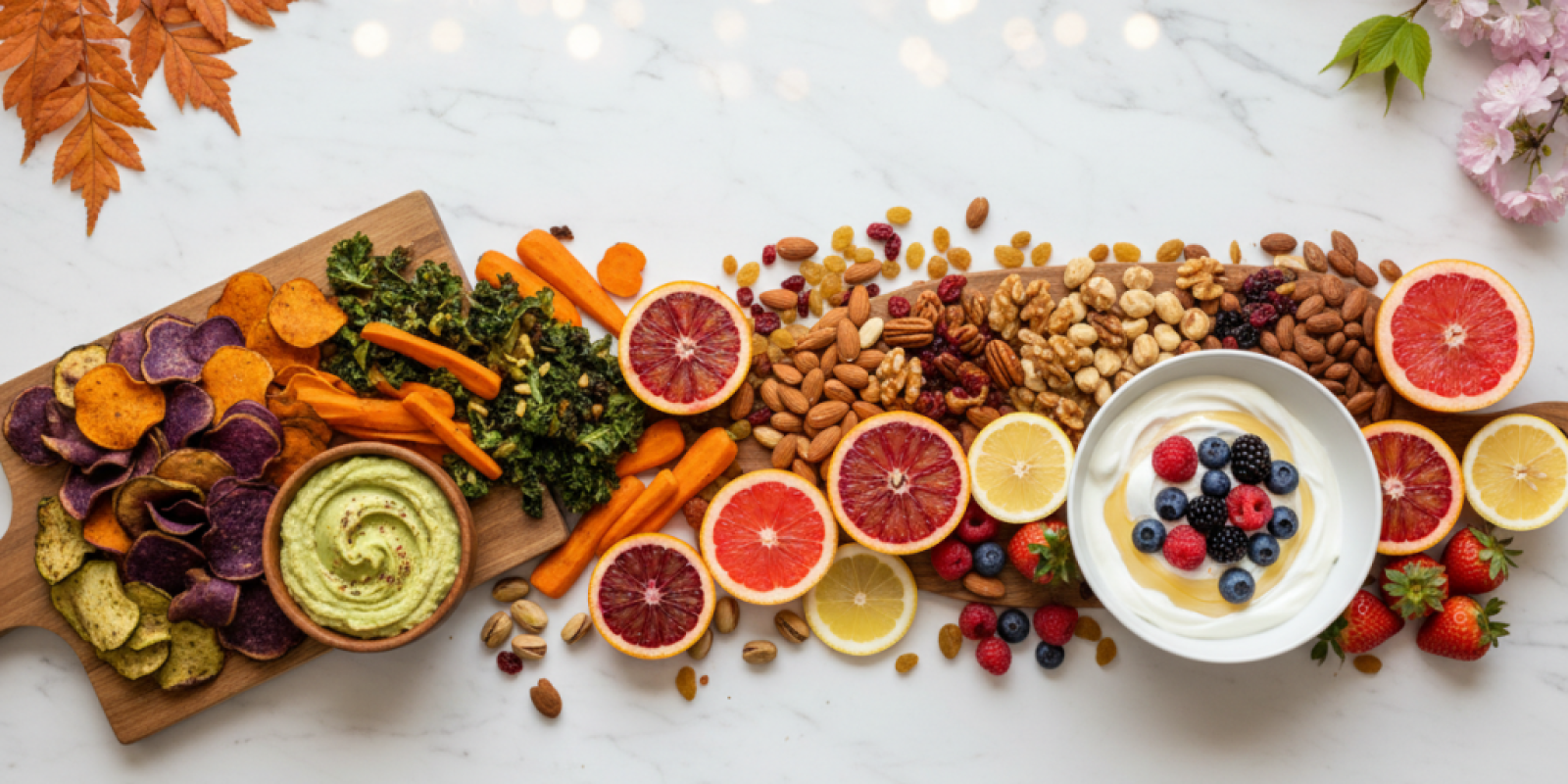
Quick Snack Recipes That Bridge Seasonal Nutritional Gaps
Table of Contents
1. Introduction
2. Understanding Seasonal Nutritional Gaps
3. Winter Warming Snacks for Immune Support
4. Spring Detox Snacks for Energy Renewal
5. Summer Hydrating Snacks for Heat Protection
6. Fall Harvest Snacks for Seasonal Transition
7. Year-Round Nutrient-Dense Emergency Snacks
8. Meal Prep Tips for Seasonal Snacking
9. Conclusion
10. Frequently Asked Questions
Introduction
Ever notice how your body craves different foods throughout the year? There’s actually science behind these seasonal cravings. As the months change, so do our nutritional needs, and unfortunately, many of us experience what nutritionists call “seasonal nutritional gaps” – periods when our diets fall short of providing optimal nutrients for the current season.

I’ve been there myself. Last winter, I found myself constantly tired and fighting off one cold after another until I realized my snacking habits weren’t supporting my immune system during the harsh months. That’s when I discovered the power of strategic seasonal snacking.
Creating quick, nutrient-dense snacks that align with seasonal needs doesn’t have to be complicated or time-intensive. In fact, some of the most effective seasonal snacks take less than five minutes to prepare. Let me share the game-changing recipes and strategies that have helped me and countless others maintain optimal nutrition year-round.
Understanding Seasonal Nutritional Gaps
Before diving into recipes, it’s crucial to understand why our nutritional needs fluctuate with the seasons. During winter, our bodies require more warming foods rich in vitamin D, zinc, and immune-boosting compounds to combat reduced sunlight and increased illness risk. Spring calls for detoxifying nutrients that help our systems reset after heavier winter eating patterns.
Summer demands increased hydration and electrolyte balance due to higher temperatures and increased activity levels. Fall requires grounding nutrients that help our bodies prepare for the colder months ahead while supporting the natural transition our metabolism undergoes.
The modern food system often disconnects us from these natural rhythms. Processed snacks remain the same year-round, failing to provide the targeted nutrition our bodies instinctively seek. This disconnect can lead to persistent fatigue, weakened immunity, and general feelings of being “off” during seasonal transitions.
Winter Warming Snacks for Immune Support
Winter snacks should focus on warming spices, healthy fats, and immune-supporting nutrients. These recipes have become my go-to options during the colder months, providing both comfort and crucial nutrition.
Golden Turmeric Energy Balls
Mix two cups of pitted dates, one cup of raw almonds, two tablespoons of coconut oil, one teaspoon of turmeric, half a teaspoon of ginger, and a pinch of black pepper in a food processor. Roll into bite-sized balls and refrigerate. These provide anti-inflammatory compounds and sustained energy that helps combat winter sluggishness.
Spiced Roasted Chickpeas
Drain and rinse one can of chickpeas, toss with olive oil, cumin, paprika, and a touch of cayenne pepper. Roast at 400°F for 20 minutes until crispy. This protein-rich snack provides warming spices that boost circulation and metabolism during cold weather.
Immune-Boosting Bone Broth Shots
Heat high-quality bone broth with fresh grated ginger, garlic, and a squeeze of lemon. Sip warm in small portions throughout the day. This provides easily absorbed minerals and compounds that support immune function when your body needs it most.
Spring Detox Snacks for Energy Renewal
Spring is nature’s reset button, and our snacks should support this natural detoxification process. These recipes help eliminate winter’s accumulated toxins while providing fresh energy for the active months ahead.
Green Goddess Smoothie Popsicles
Blend spinach, cucumber, green apple, lemon juice, and coconut water until smooth. Pour into popsicle molds and freeze. These provide chlorophyll and natural enzymes that support liver detoxification while satisfying sweet cravings in a healthy way.
Dandelion and Walnut Crackers
Combine ground walnuts, flaxseed meal, dried dandelion leaves, and enough water to form a dough. Dehydrate or bake at low temperature until crispy. Dandelion naturally supports liver function, while walnuts provide omega-3 fatty acids for brain health during this energizing season.
Lemon-Herb Hummus with Raw Vegetables
Prepare traditional hummus with extra lemon juice and fresh herbs like parsley and cilantro. Serve with raw vegetables like radishes, snap peas, and bell peppers. The combination provides fiber for digestive health and fresh enzymes that support the body’s natural cleansing processes.
Summer Hydrating Snacks for Heat Protection
Summer snacking should prioritize hydration, electrolyte balance, and cooling foods that help regulate body temperature. These recipes have saved me during countless hot summer days when traditional snacks felt too heavy.
Watermelon-Mint Ice Cubes
Blend fresh watermelon with mint leaves and freeze in ice cube trays. Add to water or eat directly for instant cooling relief. Watermelon provides natural electrolytes and high water content, while mint offers cooling properties that help regulate body temperature.
Frozen Grape and Yogurt Bark
Spread Greek yogurt on a parchment-lined baking sheet, sprinkle with halved grapes and a drizzle of honey, then freeze until solid. Break into pieces for a cooling snack that provides probiotics and natural sugars for sustained energy during active summer days.
Cucumber-Avocado Rolls
Use a vegetable peeler to create thin cucumber strips, then roll them around avocado slices seasoned with lime juice and sea salt. These provide healthy fats and high water content while being incredibly refreshing and light.
Fall Harvest Snacks for Seasonal Transition
Fall snacks should help ground your energy while providing nutrients that prepare your body for winter. These recipes celebrate autumn’s abundant harvest while supporting your body’s natural seasonal transition.
Roasted Pumpkin Seed Trail Mix
Combine roasted pumpkin seeds with dried cranberries, chopped walnuts, and a sprinkle of cinnamon. This provides magnesium, healthy fats, and antioxidants that support nervous system health during the stressful back-to-school season.
Apple Cinnamon Chia Pudding
Mix chia seeds with almond milk, diced apples, cinnamon, and a touch of maple syrup. Let sit overnight to thicken. This provides omega-3 fatty acids and fiber while satisfying cravings for warming, comforting flavors.
Sweet Potato Rounds with Almond Butter
Slice sweet potatoes into rounds and bake until tender. Top with almond butter and a sprinkle of hemp seeds. This combination provides beta-carotene, healthy fats, and plant-based protein that supports immune function as temperatures drop.
Year-Round Nutrient-Dense Emergency Snacks
Sometimes you need quick nutrition regardless of the season. These pantry-stable options provide consistent nutrition when fresh seasonal options aren’t available.
Seaweed and Sesame Crackers
Mix ground sesame seeds, nori flakes, and enough water to form a dough. Dehydrate or bake until crispy. These provide iodine, calcium, and healthy fats that support thyroid function year-round.
Adaptogenic Chocolate Truffles
Blend dates, raw cacao powder, coconut oil, and adaptogenic herbs like ashwagandha or reishi mushroom powder. Roll into balls and dust with cacao powder. These provide stress-fighting compounds and antioxidants that support overall resilience.
Sprouted Seed Crackers
Combine sprouted sunflower seeds, pumpkin seeds, and flax seeds with enough water to bind. Season with herbs and dehydrate until crispy. These provide easily digestible proteins and enzymes that support optimal nutrition absorption.
Meal Prep Tips for Seasonal Snacking
Success with seasonal snacking requires some strategic preparation. I’ve learned that dedicating one hour each weekend to snack preparation makes healthy choices effortless throughout the week.
Start by assessing your upcoming week’s schedule and choosing two to three seasonal snacks that align with your needs. Prepare larger batches and store them properly – energy balls keep well in the refrigerator for up to a week, while dehydrated crackers can last several weeks in airtight containers.
Invest in quality storage containers that maintain freshness. Glass containers work best for wet ingredients, while airtight containers are perfect for crispy snacks. Label everything with preparation dates to ensure optimal freshness.
Keep a seasonal snack rotation calendar. This prevents boredom while ensuring you’re consistently providing your body with appropriate seasonal nutrition. I change my snack rotation every two weeks, which keeps things interesting while allowing enough time to truly benefit from specific nutrients.
Conclusion
Creating quick snacks that bridge seasonal nutritional gaps isn’t just about following recipes – it’s about developing an intuitive relationship with your body’s changing needs throughout the year. These seasonal snacking strategies have transformed not only my energy levels but also my overall relationship with food.
The beauty of seasonal snacking lies in its simplicity and effectiveness. By aligning your snack choices with natural seasonal rhythms, you’re supporting your body’s innate wisdom while enjoying delicious, satisfying foods that actually serve your health.
Start small by incorporating one or two seasonal snacks into your routine this week. Pay attention to how your body responds, and gradually expand your seasonal snacking repertoire. Your future self will thank you for taking this proactive approach to year-round nutrition.
Remember, the goal isn’t perfection – it’s progress. Even small steps toward seasonal eating can create significant improvements in how you feel throughout the year. Trust your body’s wisdom, embrace seasonal variety, and enjoy the journey toward optimal nutrition.
Frequently Asked Questions
Q: How do I know if I have seasonal nutritional gaps?
A: Common signs include persistent fatigue during seasonal transitions, frequent illness during winter months, difficulty adjusting to temperature changes, and cravings for foods that don’t align with the current season. If you consistently feel “off” during certain times of year, seasonal nutritional gaps might be the culprit.
Q: Can I prepare these snacks if I have food allergies?
A: Absolutely! Most of these recipes are easily adaptable. Substitute nuts with seeds if you have nut allergies, use coconut yogurt instead of dairy, or replace gluten-containing ingredients with alternatives like rice flour or almond flour. The key is maintaining the seasonal nutritional principles while accommodating your specific needs.
Q: How long do homemade seasonal snacks typically last?
A: Storage time varies by recipe. Energy balls and chia puddings last 5-7 days refrigerated, while dehydrated crackers can last 2-3 weeks in airtight containers. Frozen options like smoothie popsicles can last several months. Always check for signs of spoilage and trust your senses.
Q: Are seasonal snacks more expensive than regular snacks?
A: Initially, the cost might seem higher due to purchasing whole food ingredients, but seasonal snacking often becomes more economical over time. Buying seasonal produce when it’s abundant and at peak freshness typically costs less, and homemade snacks generally cost less per serving than packaged alternatives.
Q: What if I don’t have time for elaborate snack preparation?
A: Many seasonal snacks require minimal preparation. Simple combinations like apple slices with almond butter in fall, or cucumber with hummus in summer, provide seasonal benefits without extensive prep time. Focus on the simplest recipes that still align with seasonal nutritional needs.