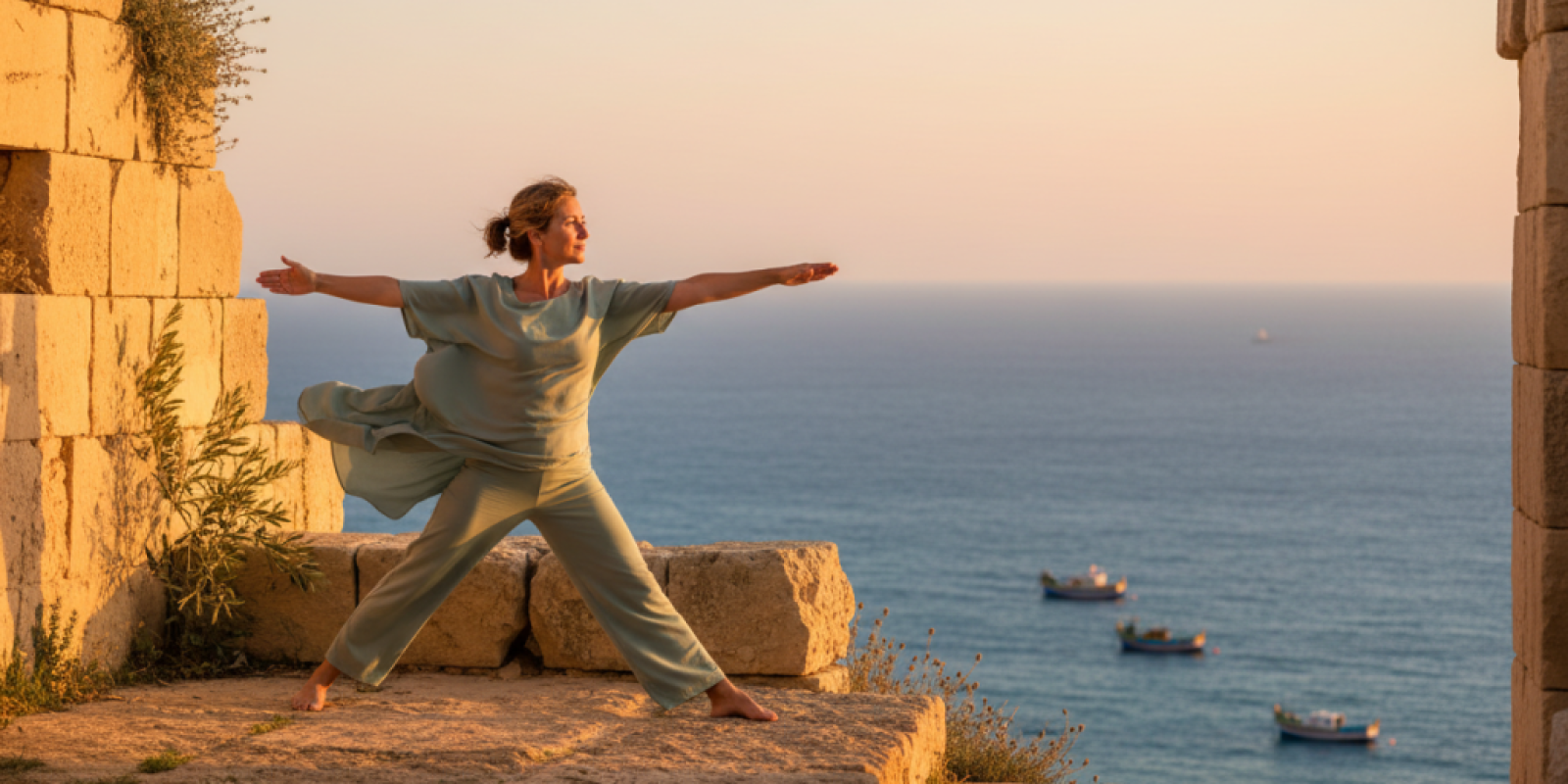
The Maltese Mediterranean Approach to Women’s Longevity Fitness: Ancient Wisdom for Modern Wellness
Table of Contents:
1. Introduction: Discovering Malta’s Secret to Women’s Longevity
2. The Foundation of Mediterranean Fitness Philosophy
3. Traditional Maltese Movement Patterns for Women
4. Seasonal Fitness Adaptations in Maltese Culture
5. The Role of Community in Women’s Fitness Longevity
6. Nutrition Integration with Physical Activity
7. Mental Wellness and Spiritual Connection
8. Adapting Maltese Principles to Modern Life
9. Creating Your Own Mediterranean Fitness Routine
10. Conclusion: Embracing the Maltese Way
11. Frequently Asked Questions
Introduction: Discovering Malta’s Secret to Women’s Longevity
Nestled in the heart of the Mediterranean Sea, the small island nation of Malta holds remarkable secrets about women’s health and longevity. With one of the highest life expectancies in Europe and particularly impressive statistics for women’s wellness, Malta offers a unique perspective on fitness that goes far beyond conventional gym routines.
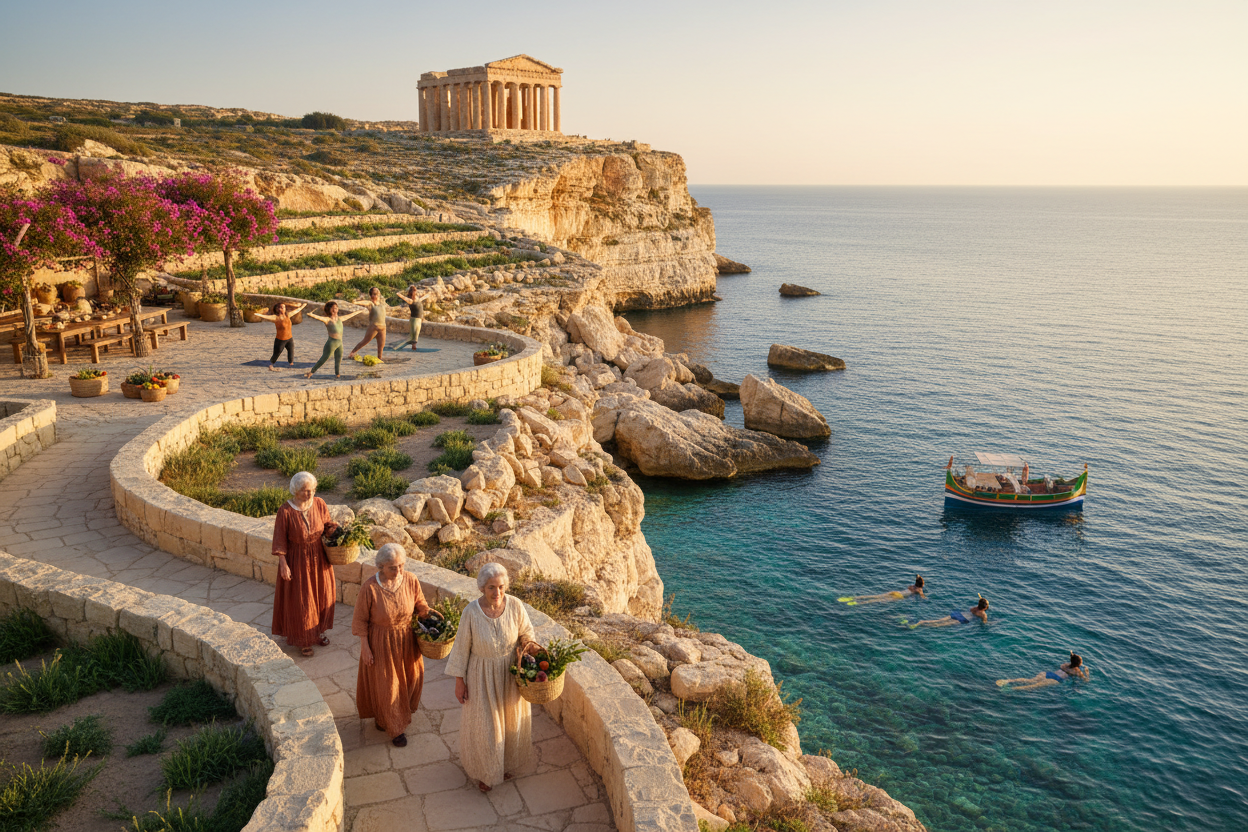
The Maltese Mediterranean approach to women’s longevity fitness isn’t about intense workouts or restrictive regimens. Instead, it’s a holistic lifestyle that seamlessly weaves movement, community, nutrition, and mindfulness into daily life. This time-tested approach has helped Maltese women maintain vitality, strength, and mental clarity well into their golden years.
What makes this approach so special? It’s the understanding that true fitness longevity comes from sustainable practices that honor the body’s natural rhythms while building lasting strength from within. Let’s explore how you can incorporate these Mediterranean wisdom traditions into your own wellness journey.
The Foundation of Mediterranean Fitness Philosophy
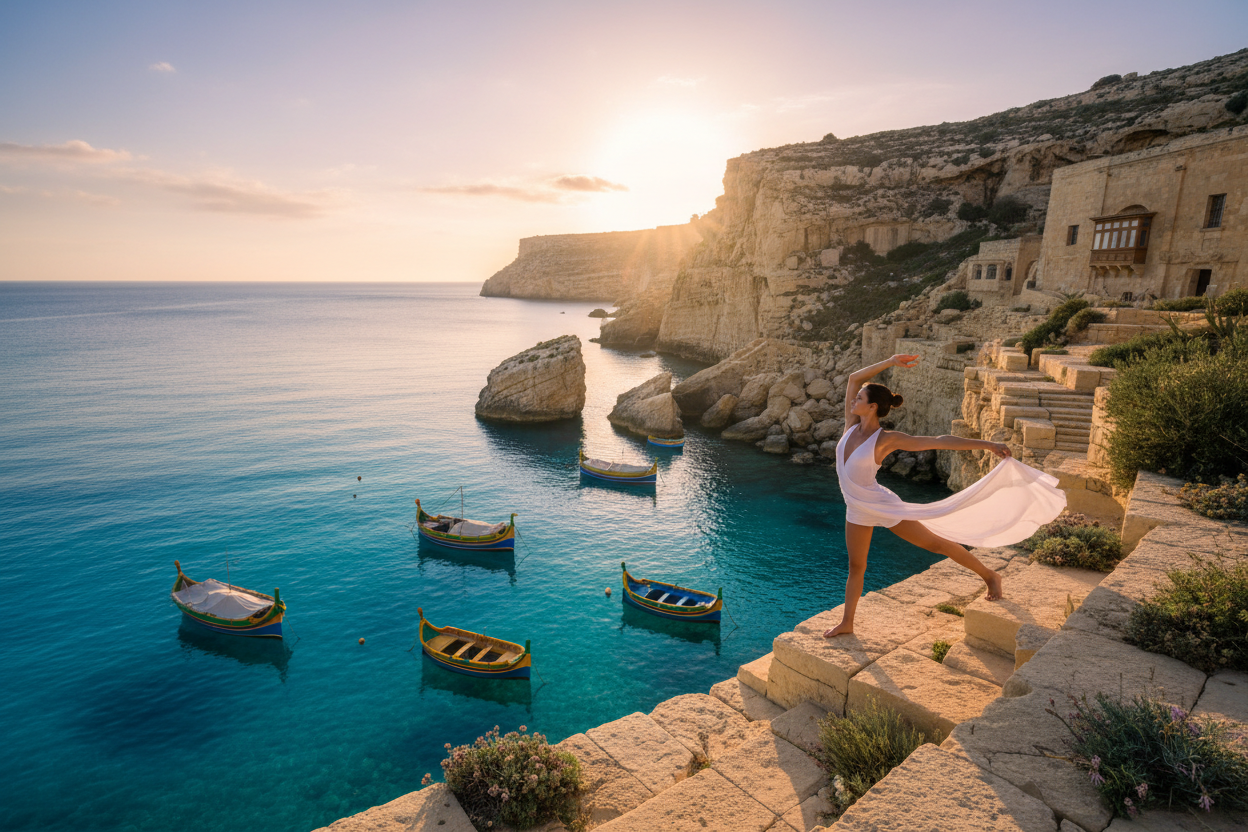
The Maltese approach to women’s fitness is built on several core principles that differ significantly from Western fitness culture. Rather than viewing exercise as a separate activity to be squeezed into busy schedules, Maltese women traditionally integrate movement into their daily lives as naturally as breathing.
This philosophy recognizes that women’s bodies have unique needs throughout different life stages. From adolescence through menopause and beyond, the Maltese Mediterranean approach adapts to support hormonal changes, bone health, and emotional well-being. The focus isn’t on achieving a particular body type but on maintaining functional strength and vitality.
The concept of “gentle persistence” is central to this approach. Instead of intense bursts of activity followed by periods of inactivity, Maltese women embrace consistent, moderate movement that can be sustained throughout their lives. This creates a foundation of fitness that grows stronger over time rather than burning out.
Traditional Maltese Movement Patterns for Women
Traditional Maltese women’s fitness incorporates movement patterns that have been refined over centuries. These activities were born from necessity but have proven to be incredibly effective for building the type of functional strength that supports longevity.
Walking remains the cornerstone of Maltese fitness culture. The island’s terrain naturally provides varied elevation and surfaces, creating what modern fitness experts would recognize as functional training. Maltese women traditionally walked to markets, visited neighbors, and participated in religious processions, accumulating hours of low-impact cardiovascular exercise weekly.
Household activities also played a crucial role in maintaining strength and flexibility. Traditional bread-making, which involved kneading heavy dough, provided excellent upper body and core strengthening. Hanging laundry, tending gardens, and maintaining homes created natural resistance training that engaged multiple muscle groups.
Swimming and water-based activities have always been integral to island life. The Mediterranean Sea provided year-round opportunities for low-impact exercise that’s particularly beneficial for joint health and circulation. Many Maltese women continued swimming well into their elderly years, maintaining cardiovascular health and muscle tone.
Seasonal Fitness Adaptations in Maltese Culture
The Maltese Mediterranean approach recognizes that fitness needs change with the seasons, and women’s bodies respond differently to various environmental conditions. This seasonal awareness creates a natural periodization that prevents overtraining while ensuring year-round activity.
During Malta’s warm summers, early morning and evening activities become preferred. Traditional summer fitness included dawn walks along coastal paths, swimming during cooler parts of the day, and lighter indoor activities during peak heat. This pattern naturally supports circadian rhythms and hormonal balance.
Winter months brought different movement opportunities. The milder Mediterranean winter allowed for continued outdoor activities while also encouraging more indoor crafts and household tasks that maintained fine motor skills and upper body strength. This seasonal variation prevented the fitness plateaus that often occur with repetitive exercise routines.
The approach also acknowledges women’s monthly cycles, encouraging gentler activities during certain times and more vigorous movement when energy levels naturally peak. This cyclical awareness helps prevent injury and supports overall hormonal health.
The Role of Community in Women’s Fitness Longevity
Perhaps one of the most powerful aspects of the Maltese Mediterranean approach is its emphasis on community-based fitness. Unlike solitary gym workouts, traditional Maltese women’s fitness was inherently social, creating accountability, motivation, and emotional support systems.
Group walks to church, market visits with friends, and communal work activities created natural fitness partnerships. These social connections provided motivation to stay active while also supporting mental health and emotional resilience. Research consistently shows that social support significantly impacts fitness adherence and overall health outcomes.
Intergenerational fitness was also common, with grandmothers, mothers, and daughters participating in activities together. This created knowledge transfer about body awareness, movement techniques, and the importance of maintaining activity throughout life. Younger women learned sustainable practices while older women stayed engaged and active.
Community celebrations and festivals often included dancing, walking processions, and other group activities that combined cultural participation with physical movement. This integration made fitness feel celebratory rather than obligatory.
Nutrition Integration with Physical Activity
The Maltese Mediterranean approach doesn’t separate nutrition from fitness but sees them as complementary aspects of overall wellness. Traditional eating patterns naturally supported active lifestyles while providing the nutrients needed for recovery and sustained energy.
Meal timing often coordinated with activity levels. Light breakfasts preceded morning walks or swimming, while more substantial meals followed physical activities. This natural eating pattern supported metabolism and energy levels throughout the day.
The traditional Mediterranean diet provided anti-inflammatory foods that supported recovery and joint health. Olive oil, fresh fish, seasonal vegetables, and herbs created a nutritional foundation that enhanced the benefits of regular movement while reducing exercise-related inflammation.
Hydration practices also reflected the integration of nutrition and fitness. Herbal teas, fresh water, and seasonal fruits provided natural electrolyte replacement and supported the body’s recovery processes.
Mental Wellness and Spiritual Connection
The Maltese Mediterranean approach recognizes that true fitness longevity requires mental and spiritual wellness alongside physical health. Traditional practices incorporated meditation, prayer, and mindfulness into movement activities.
Walking meditation was common, with women using their daily walks as opportunities for reflection and spiritual connection. This practice provided stress relief while maintaining physical activity, creating a powerful combination for overall wellness.
The connection to nature through outdoor activities supported mental health and provided natural stress relief. Exposure to sunlight, fresh air, and natural environments created psychological benefits that enhanced the physical benefits of movement.
Community worship and spiritual practices often included physical elements like walking, standing, and participating in processions. This integration supported both spiritual and physical well-being while reinforcing community connections.
Adapting Maltese Principles to Modern Life
While we may not live on a Mediterranean island, we can adapt the core principles of the Maltese approach to support our own fitness longevity. The key is understanding the underlying philosophy rather than trying to replicate exact activities.
Start by looking for opportunities to integrate movement into daily activities. Take stairs instead of elevators, walk to nearby destinations, and find ways to add gentle activity throughout your day. This mirrors the natural integration of movement in traditional Maltese life.
Create seasonal variations in your fitness routine. Adjust activities based on weather, daylight hours, and your body’s natural energy cycles. This prevents boredom and supports your body’s changing needs throughout the year.
Build community connections around fitness activities. Join walking groups, find workout partners, or participate in community events that include physical activity. The social support will enhance both your fitness adherence and overall well-being.
Creating Your Own Mediterranean Fitness Routine
Developing a Maltese-inspired fitness routine starts with assessing your current lifestyle and identifying opportunities for sustainable integration of movement. Begin with activities you enjoy and can maintain consistently rather than dramatic changes that are difficult to sustain.
Morning routines might include gentle stretching, short walks, or light movement to awaken your body. This mirrors the traditional early morning activities of Maltese women and supports natural circadian rhythms.
Throughout the day, look for opportunities to add functional movement. Gardening, household tasks, and walking meetings can provide exercise while accomplishing other goals. This integration makes fitness feel natural rather than burdensome.
Evening activities might focus on relaxation and recovery through gentle yoga, leisurely walks, or swimming if available. This supports better sleep while maintaining daily movement goals.
Conclusion: Embracing the Maltese Way
The Maltese Mediterranean approach to women’s longevity fitness offers a refreshing alternative to intense, unsustainable fitness trends. By focusing on integration, community, and gentle persistence, this approach creates a foundation for lifelong wellness that adapts to changing needs and circumstances.
The wisdom embedded in this traditional approach recognizes that true fitness longevity comes from sustainable practices that honor the whole person – body, mind, and spirit. By embracing these principles, modern women can create fitness routines that support not just physical health but overall well-being and life satisfaction.
Remember that the journey toward fitness longevity is exactly that – a journey. Start small, be consistent, and allow your practice to evolve naturally. The Maltese Mediterranean approach teaches us that the most powerful fitness routines are those that feel like natural extensions of a life well-lived.
Frequently Asked Questions
What makes the Maltese approach different from other fitness methods?
The Maltese Mediterranean approach emphasizes integration of movement into daily life rather than separate exercise sessions. It focuses on sustainable, community-based activities that support long-term health rather than short-term fitness goals.
Do I need special equipment to follow this approach?
No special equipment is required. The Maltese approach relies on bodyweight movements, walking, swimming when available, and functional activities using household items or natural environments.
How does this approach address different life stages for women?
The approach naturally adapts to hormonal changes, energy levels, and physical capabilities throughout different life stages. It emphasizes listening to your body and adjusting activities accordingly rather than following rigid programs.
Can this approach help with weight management?
Yes, the combination of consistent daily movement, seasonal eating patterns, and stress reduction naturally supports healthy weight management without restrictive dieting or intense exercise regimens.
How important is the community aspect of this fitness approach?
Community support is crucial for long-term success. Social connections provide motivation, accountability, and emotional support that significantly improve fitness adherence and overall well-being.
What if I live in a climate very different from Malta?
The principles can be adapted to any climate. Focus on seasonal activities appropriate to your environment, maintain consistent daily movement, and build community connections around fitness activities available in your area.