How to Build a Women’s Home Gym on Any Budget: Your Complete Guide to Fitness Freedom
Creating your own home gym has never been more appealing or necessary. Whether you’re a busy mom juggling multiple responsibilities, a professional with limited time, or simply someone who prefers the comfort and privacy of working out at home, building a personal fitness space can be a game-changer for your health journey.
The beauty of a home gym lies not just in its convenience, but in its ability to be tailored specifically to your needs, preferences, and yes – your budget. You don’t need to break the bank or transform an entire room to create an effective workout space. With some creativity, smart planning, and the right approach, you can build a functional home gym that serves your fitness goals without compromising your financial well-being.
Table of Contents
1. Planning Your Home Gym Space
2. Budget-Friendly Equipment Essentials
3. Low-Budget Home Gym Setup (Under $100)
4. Mid-Range Budget Options ($100-$500)
5. Higher-End Home Gym Ideas ($500+)
6. DIY Equipment and Creative Solutions
7. Space-Saving Storage Solutions
8. Safety Considerations for Your Home Gym
9. Maintaining Motivation in Your Home Gym
10. Frequently Asked Questions
Planning Your Home Gym Space
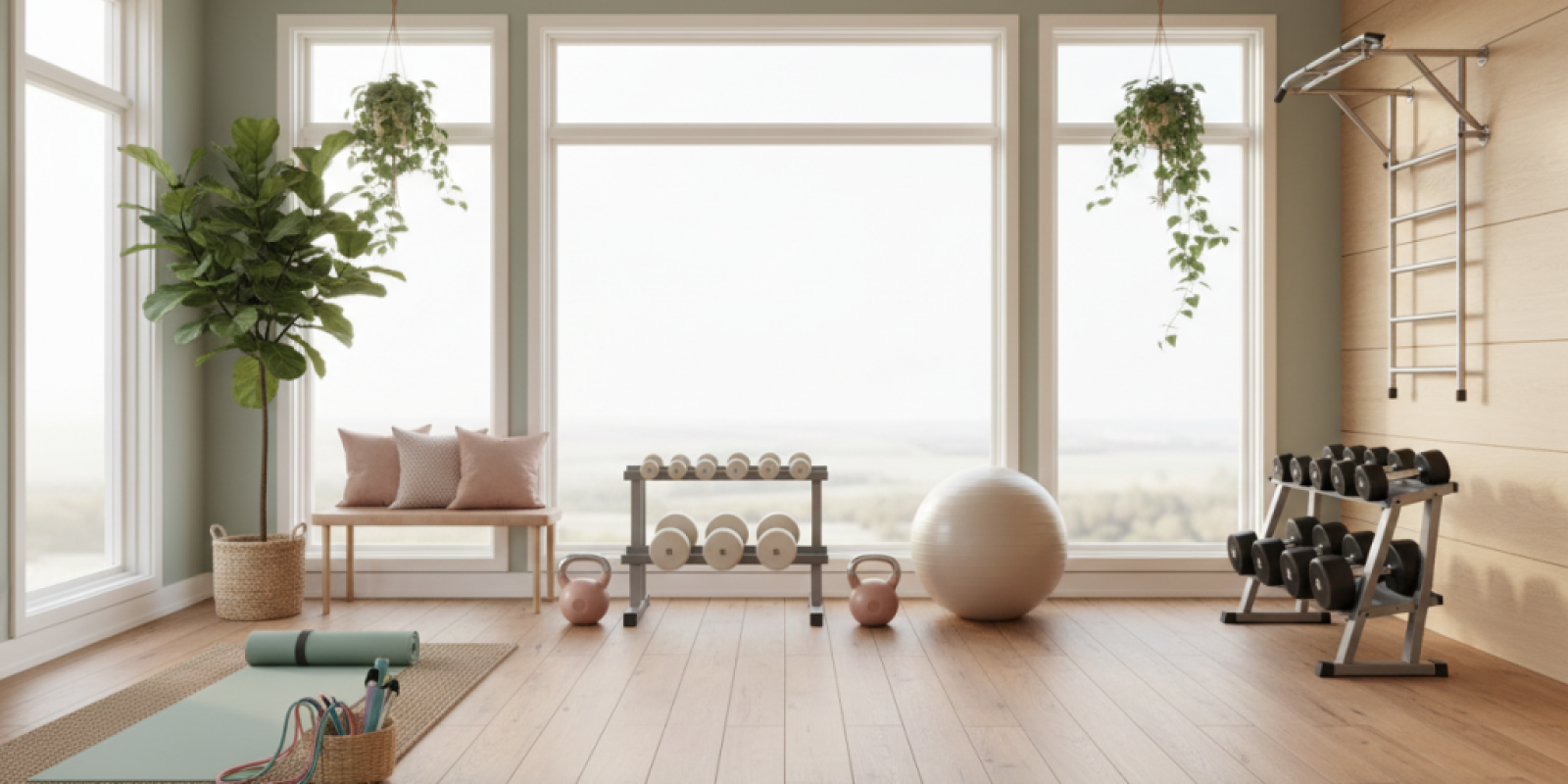
Before you start shopping for equipment or rearranging furniture, take time to assess your available space and define your fitness goals. Your home gym doesn’t need to be a dedicated room – it can be a corner of your bedroom, a section of your living room, or even your garage.
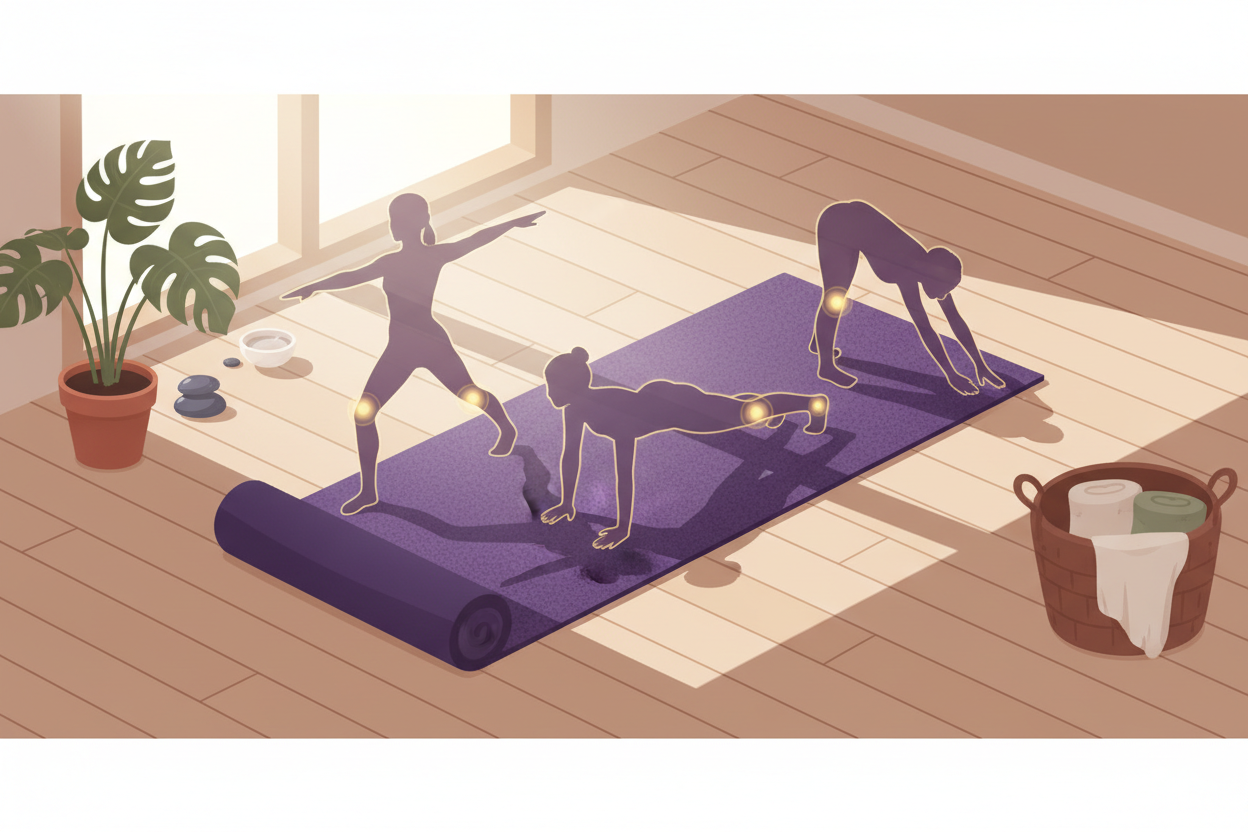
Start by measuring your available space and considering the types of workouts you enjoy most. Are you drawn to strength training, cardio, yoga, or a combination? Do you prefer high-intensity interval training or steady-state exercises? Understanding your preferences will help you make smarter equipment choices that align with both your fitness goals and spatial constraints.
Consider factors like flooring, ventilation, and lighting. A yoga mat can protect your floors and provide cushioning, while proper ventilation ensures comfortable workouts. Natural light can boost your mood and energy, but if that’s not available, invest in bright, motivating lighting that makes your space feel welcoming.
Budget-Friendly Equipment Essentials
The foundation of any great home gym lies in versatile, multi-functional equipment that maximizes your investment. Focus on pieces that can serve multiple purposes and grow with your fitness level rather than single-use items that might collect dust.
Resistance bands top the list of budget-friendly essentials. These lightweight, portable tools can provide a full-body workout and come in various resistance levels. They’re perfect for strength training, stretching, and rehabilitation exercises. A complete set typically costs less than $30 and takes up virtually no storage space.
A quality yoga mat serves as your foundation for floor exercises, stretching, yoga, and core work. Look for mats that are at least 6mm thick for adequate cushioning and joint protection. This single piece of equipment opens up countless workout possibilities and creates a designated exercise space in any room.
Adjustable dumbbells or a set of various weights can transform your strength training routine. While traditional dumbbells can be expensive and space-consuming, newer adjustable options or even water-filled weights offer flexibility and affordability.
Low-Budget Home Gym Setup (Under $100)
Building an effective home gym on a shoestring budget is entirely possible with smart choices and creative thinking. Your under-$100 setup should focus on bodyweight exercises enhanced by a few key pieces of equipment.
Start with a high-quality exercise mat ($20-30), a set of resistance bands with different resistance levels ($15-25), and a stability ball ($15-20). These three items alone provide endless workout possibilities. Add a jump rope ($10-15) for cardio and a suspension trainer or TRX alternative ($20-30) for bodyweight strength training.
Don’t overlook household items that can double as workout equipment. Water jugs make excellent weights, stairs provide cardio opportunities, and chairs can assist with dips, step-ups, and stretching. A towel can add resistance to exercises and help with stretching routines.
YouTube and fitness apps become your personal trainers in this setup. Many offer free, high-quality workouts designed specifically for minimal equipment. This approach proves that motivation and consistency matter more than expensive equipment when it comes to achieving fitness goals.
Mid-Range Budget Options ($100-$500)
With a moderate budget, you can significantly expand your home gym capabilities while still maintaining excellent value. This range allows for higher-quality equipment and more specialized pieces that can enhance your workout experience.
Consider investing in adjustable dumbbells ($100-200) that can replace an entire rack of weights. Kettlebells in various weights ($30-50 each) offer incredible versatility for both strength and cardio workouts. A pull-up bar that fits in your doorway ($20-40) adds upper body and core training options.
A quality foam roller ($25-50) becomes essential for recovery and injury prevention. Add resistance loops and bands with handles ($30-50) for more targeted muscle work. If space allows, a compact bench ($80-150) opens up numerous strength training possibilities and can double as storage.
Technology can enhance your workouts too. A fitness tracker or smartwatch ($100-300) helps monitor progress and maintain motivation. Consider a tablet or smartphone holder ($15-30) for following along with workout videos more comfortably.
Higher-End Home Gym Ideas ($500+)
A larger budget allows you to create a more comprehensive home gym that rivals commercial facilities. Focus on quality pieces that will last for years and provide professional-level workout experiences.
A power rack or squat stand ($300-800) becomes the centerpiece of a serious strength training setup. Pair it with an Olympic barbell and weight plates for compound movements that build functional strength. A quality adjustable bench with incline capabilities ($200-400) expands your exercise options significantly.
For cardio enthusiasts, consider a treadmill, stationary bike, or rowing machine ($400-2000+). These machines provide consistent, weather-independent cardio options. Rowing machines offer full-body workouts and often fold for storage, making them excellent space-efficient choices.
Smart equipment like interactive mirrors or connected fitness systems ($1000-3000) bring the studio experience home. While expensive, these systems often include live and on-demand classes, personal training, and progress tracking that can justify the investment for dedicated users.
DIY Equipment and Creative Solutions
Creativity and resourcefulness can stretch your budget further than you might imagine. Many effective workout tools can be created or repurposed from everyday items, adding personality and cost-savings to your home gym.
Fill gallon water jugs with sand or water to create adjustable weights. Paint buckets with handles work similarly and can hold more weight. Old tires make excellent tools for flipping, jumping, and resistance exercises. Sandbags created from duffel bags and sand provide unstable load training that challenges your core and stabilizing muscles.
Wooden boxes of varying heights create plyometric training opportunities for jumping and step exercises. PVC pipes can become lightweight barbells for technique practice or resistance tools. Even something as simple as a towel can add instability to planks or resistance to stretches.
The internet offers countless tutorials for creating DIY gym equipment. Pinterest and YouTube are goldmines for creative, budget-friendly fitness solutions. Remember that commercial equipment often started as someone’s creative DIY solution.
Space-Saving Storage Solutions
Efficient storage ensures your home gym remains functional and your living space stays organized. The key is choosing storage solutions that are as versatile as your equipment.
Wall-mounted racks keep resistance bands, jump ropes, and small accessories organized and easily accessible. Pegboards offer customizable storage that grows with your equipment collection. Under-bed storage containers can house yoga blocks, resistance bands, and other small items.
Multi-functional furniture serves double duty in smaller spaces. Storage ottomans can hold equipment while providing seating or a workout platform. Benches with built-in storage compartments maximize space efficiency. Even decorative baskets can stylishly contain workout gear while blending with your home decor.
Consider equipment that stacks, nests, or folds. Resistance bands take up virtually no space, while folding equipment like certain benches or cardio machines can be stored away when not in use. The goal is creating a system where setup and breakdown become quick, easy processes that don’t discourage regular use.
Safety Considerations for Your Home Gym
Safety should never be compromised, regardless of your budget or space constraints. Proper planning and awareness can prevent injuries and ensure your home gym remains a positive space for health and wellness.
Ensure adequate space around equipment for safe movement. A general rule is maintaining at least three feet of clearance around exercise equipment. Check that your flooring provides adequate grip and cushioning – yoga mats or interlocking foam tiles can improve safety on hard surfaces.
Inspect equipment regularly for wear and tear. Resistance bands can snap unexpectedly if they develop nicks or thin spots. Ensure all equipment is properly assembled and secured according to manufacturer instructions. When in doubt, err on the side of caution and replace questionable equipment.
Keep a first aid kit accessible and ensure someone knows your workout schedule, especially if you exercise alone. Stay hydrated and listen to your body. The convenience of a home gym shouldn’t lead to overexertion or pushing through pain that might indicate injury.
Maintaining Motivation in Your Home Gym
The biggest challenge of a home gym often isn’t the equipment or space – it’s maintaining the motivation to use it consistently. Creating an environment and routine that supports regular exercise becomes crucial for long-term success.
Establish a dedicated workout schedule and treat it as non-negotiable appointment time. Layout your workout clothes the night before and remove barriers that might discourage exercise. Keep your space clean, organized, and visually appealing to make workouts feel special rather than like a chore.
Set specific, measurable goals and track your progress. Whether it’s increasing the number of push-ups you can do or improving your flexibility, visible progress maintains motivation. Consider workout buddies via video calls or virtual fitness challenges with friends to add accountability and social connection.
Variety prevents boredom and plateaus. Rotate between different workout styles, try new fitness apps, or follow different YouTube instructors. Your home gym should evolve with your interests and fitness level to remain engaging and challenging.
Conclusion
Building a women’s home gym on any budget is not only possible but can be incredibly rewarding. The key lies in understanding that effective fitness doesn’t require expensive equipment or large spaces – it requires consistency, creativity, and commitment to your health goals.
Whether you’re working with $50 or $5,000, focus on versatile, quality pieces that align with your fitness preferences and spatial constraints. Remember that the best home gym is the one you’ll actually use regularly. Start small, build gradually, and let your success and changing needs guide your investments.
Your home gym represents more than just equipment and space – it’s an investment in your health, convenience, and long-term well-being. With thoughtful planning and smart choices, you can create a fitness sanctuary that serves your needs for years to come, regardless of your starting budget.
Frequently Asked Questions
Q: How much space do I need for a home gym?
A: You can create an effective workout space in as little as 6×6 feet. The key is choosing equipment and exercises that fit your available space and can be easily stored when not in use.
Q: What’s the most important piece of equipment for a beginner?
A: A quality exercise mat is essential as it provides a foundation for bodyweight exercises, stretching, and yoga. Resistance bands are a close second due to their versatility and affordability.
Q: Can I get a good workout without any equipment?
A: Absolutely! Bodyweight exercises like push-ups, squats, lunges, and planks can provide excellent strength training. Add in some cardio movements like jumping jacks or burpees, and you have a complete workout.
Q: How do I prevent my home gym from becoming a clothes rack?
A: Create a consistent routine, keep the space organized and visually appealing, set specific fitness goals, and remove barriers to exercise. Schedule workouts like appointments and lay out clothes in advance.
Q: Should I buy new or used equipment?
A: Used equipment can offer excellent value, especially for items like weights and benches. However, inspect carefully for safety issues and consider the warranty benefits of new equipment for electronic or complex mechanical items.
Q: How often should I replace home gym equipment?
A: Quality equipment can last many years with proper care. Replace items when they show signs of wear that could affect safety, such as frayed resistance bands or unstable benches. Regular inspection and maintenance extend equipment life significantly.