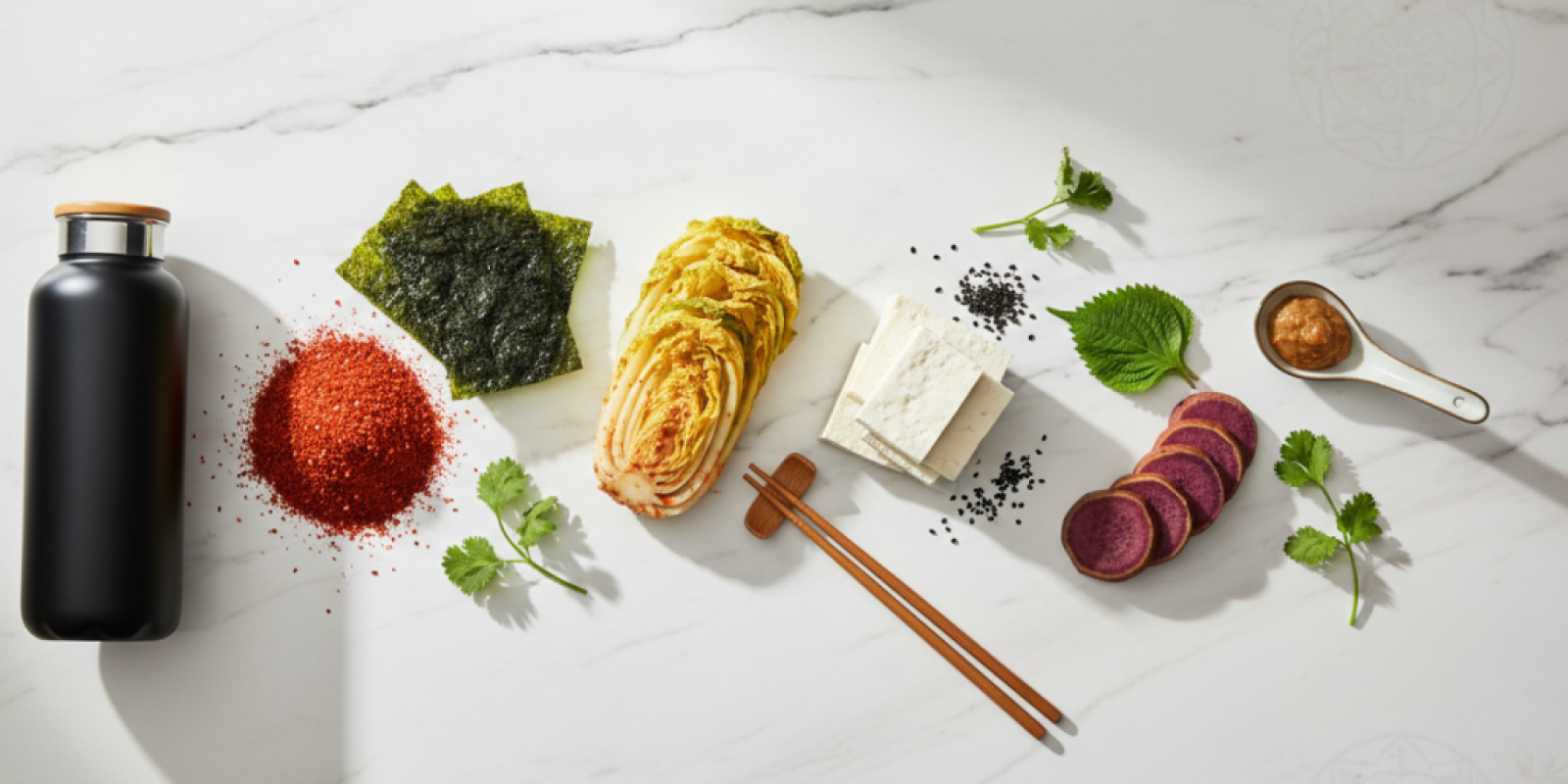
7 Korean Superfoods Every Fitness-Conscious Woman Should Know
Table of Contents
1. Introduction to Korean Superfoods for Women’s Fitness
2. Kimchi: The Probiotic Powerhouse
3. Ginseng: The Ancient Energy Booster
4. Seaweed: Ocean’s Gift to Your Health
5. Gochujang: The Metabolism-Boosting Chili Paste
6. Black Sesame Seeds: Tiny Seeds, Massive Benefits
7. Korean Sweet Potato: The Perfect Pre-Workout Fuel
8. Barley Tea: The Hydrating Health Elixir
9. How to Incorporate These Superfoods Into Your Daily Routine
10. Frequently Asked Questions
11. Conclusion
Introduction to Korean Superfoods for Women’s Fitness
Have you ever wondered why Korean women seem to have that enviable glow and maintain such incredible fitness levels well into their later years? The secret might just lie in their traditional diet, packed with nutrient-dense superfoods that have been nourishing bodies for centuries.
As someone who’s spent years exploring different wellness approaches, I’ve discovered that Korean cuisine offers some of the most powerful superfoods for women’s health and fitness. These aren’t just trendy ingredients that’ll disappear next season – they’re time-tested foods that Korean grandmothers have been using to keep their families healthy for generations.
Korean superfoods are particularly beneficial for fitness-conscious women because they address multiple health concerns simultaneously. They boost metabolism, support hormonal balance, enhance recovery after workouts, and provide sustained energy throughout the day. What’s even better? Most of these ingredients are now readily available in international markets and online stores.
Let’s dive into seven incredible Korean superfoods that deserve a permanent spot in your wellness arsenal.
Kimchi: The Probiotic Powerhouse
Kimchi isn’t just a side dish – it’s a fermented miracle that should be on every health-conscious woman’s radar. This spicy, tangy cabbage dish is loaded with probiotics that support digestive health, which is crucial for nutrient absorption and overall wellness.
What makes kimchi particularly valuable for fitness enthusiasts is its ability to reduce inflammation in the body. After intense workouts, your muscles need all the help they can get to recover, and the anti-inflammatory compounds in kimchi can speed up this process. The fermentation process also creates beneficial bacteria that support immune function, keeping you healthy and consistent with your fitness routine.
From a nutritional standpoint, kimchi is incredibly low in calories but high in vitamins A, B, and C. It’s also rich in fiber, which helps maintain stable blood sugar levels – essential for sustained energy during workouts. The capsaicin from the chili peppers can even boost your metabolism slightly, giving you an extra edge in your fitness journey.
I love adding kimchi to my post-workout bowls or eating it as a mid-afternoon snack. The tangy flavor satisfies cravings while providing genuine nutritional benefits.
Ginseng: The Ancient Energy Booster
Korean red ginseng has been revered for over 2,000 years as a natural energy enhancer and stress reducer. For modern women juggling careers, families, and fitness goals, ginseng offers a natural way to maintain energy levels without relying on caffeine crashes.
What sets Korean ginseng apart from other varieties is its processing method. The steaming and drying process creates unique compounds called ginsenosides, which have been shown to improve physical performance and reduce fatigue. This makes it particularly valuable for women who struggle with afternoon energy dips or find it challenging to maintain motivation for evening workouts.
Research has also shown that ginseng can help regulate cortisol levels, which is crucial for women dealing with stress-related weight gain or difficulty losing weight. When your stress hormones are balanced, your body is more efficient at burning fat and building lean muscle.
You can find Korean ginseng in various forms – teas, supplements, or even fresh root. I prefer starting with ginseng tea in the morning as a gentler alternative to coffee, especially on days when I have evening workout sessions planned.
Seaweed: Ocean’s Gift to Your Health
Korean cuisine features various types of seaweed, from miyeok (wakame) to kim (nori), and each variety brings unique health benefits to the table. Seaweed is one of the most nutrient-dense foods on the planet, packed with minerals that are often lacking in land-based diets.
For fitness-conscious women, seaweed’s high iodine content is particularly valuable. Iodine supports thyroid function, which directly impacts metabolism and energy levels. Many women struggle with sluggish metabolism due to thyroid issues, and incorporating seaweed into their diet can provide natural support.
Seaweed is also an excellent source of iron, which is crucial for women who may be at risk for iron deficiency. Iron carries oxygen to your muscles during exercise, so maintaining adequate levels is essential for peak performance. The vitamin K in seaweed supports bone health, which becomes increasingly important as women age.
Miyeok soup is traditionally eaten by new mothers in Korea for its nourishing properties, but it’s beneficial for all women. The soup is light, hydrating, and provides sustained energy without feeling heavy before or after workouts.
Gochujang: The Metabolism-Boosting Chili Paste
Gochujang might look intimidating with its deep red color, but this fermented chili paste is a game-changer for women looking to naturally boost their metabolism. Unlike regular hot sauce, gochujang undergoes a fermentation process that creates beneficial enzymes and probiotics.
The capsaicin in gochujang has thermogenic properties, meaning it can temporarily increase your metabolic rate after eating. This isn’t a miracle weight-loss solution, but it’s a natural way to give your metabolism a gentle nudge. The fermentation process also makes gochujang easier to digest than fresh chili peppers, reducing the likelihood of stomach upset.
What I love about gochujang is its complex flavor profile. It’s not just hot – it’s sweet, savory, and slightly funky from fermentation. This makes it incredibly versatile for creating satisfying, flavorful meals that don’t feel like “diet food.” When your food tastes amazing, you’re more likely to stick with healthy eating habits long-term.
Try mixing a small amount of gochujang into salad dressings, marinades, or stir-fries. A little goes a long way, and you’ll be surprised how it transforms simple ingredients into something special.
Black Sesame Seeds: Tiny Seeds, Massive Benefits
Black sesame seeds are a staple in Korean cuisine, often used in desserts and as a garnish, but their health benefits make them worthy of superfood status. These tiny seeds are nutritional powerhouses, particularly beneficial for women’s hormonal health.
Black sesame seeds are rich in lignans, plant compounds that can help balance estrogen levels naturally. For women experiencing hormonal fluctuations that affect weight management, mood, or energy levels, incorporating these seeds into their diet may provide gentle support.
From a fitness perspective, black sesame seeds are an excellent source of healthy fats and protein. They provide sustained energy and can help you feel satisfied longer after meals. The seeds are also rich in calcium and magnesium, minerals that support muscle function and bone health.
In Korean cuisine, black sesame seeds are often ground into a paste or powder and used in various dishes. You can sprinkle them on salads, blend them into smoothies, or make traditional Korean black sesame porridge for a nourishing breakfast before morning workouts.
Korean Sweet Potato: The Perfect Pre-Workout Fuel
Korean sweet potatoes, or goguma, are different from the orange sweet potatoes common in Western countries. They have a chestnut-like flavor and a drier texture, making them incredibly satisfying and perfect for fitness nutrition.
What makes Korean sweet potatoes ideal for active women is their complex carbohydrate profile. They provide steady, sustained energy without causing blood sugar spikes and crashes. This makes them excellent pre-workout fuel, giving you energy for your training session without the jittery feeling that comes from simple sugars.
Korean sweet potatoes are also rich in potassium, which helps prevent muscle cramps during exercise. The fiber content supports digestive health and helps you feel full, which can be helpful for weight management goals.
In Korea, roasted sweet potatoes are a popular street food and healthy snack. You can roast them whole in the oven or steam and mash them as a side dish. They’re naturally sweet, so they can satisfy dessert cravings while providing genuine nutrition.
Barley Tea: The Hydrating Health Elixir
Barley tea, or boricha, is the unsung hero of Korean beverages. This caffeine-free drink is consumed hot or cold throughout the day and offers numerous health benefits that make it perfect for active women.
Unlike many flavored beverages, barley tea is naturally calorie-free while providing antioxidants and minerals. The roasted barley gives it a nutty, slightly sweet flavor that’s incredibly satisfying. This makes it an excellent replacement for sugary drinks or even as an alternative to plain water when you want something more interesting.
Barley tea has natural cooling properties in traditional Korean medicine, making it particularly refreshing after workouts. It’s also believed to support digestion and may help with bloating, which many women experience, especially around their menstrual cycle.
The best part about barley tea is how easy it is to prepare. You can buy roasted barley tea bags or loose barley and steep it like regular tea. Many Korean families keep a pitcher of cold barley tea in the refrigerator as their go-to beverage.
How to Incorporate These Superfoods Into Your Daily Routine
The beauty of Korean superfoods lies not just in their individual benefits, but in how easily they can be integrated into your existing routine. You don’t need to completely overhaul your diet or spend hours in the kitchen preparing elaborate Korean meals.
Start small and focus on one or two superfoods at first. If you’re new to fermented foods, begin with small amounts of kimchi to allow your digestive system to adjust. Add a spoonful to grain bowls, eggs, or even avocado toast for an instant flavor and nutrition boost.
For busy mornings, keep roasted Korean sweet potatoes prepared in your refrigerator. They’re perfect for grab-and-go breakfasts or pre-workout snacks. You can slice them and add them to overnight oats or eat them plain with a sprinkle of cinnamon.
Replace your afternoon coffee with ginseng tea or barley tea to avoid caffeine crashes that might interfere with evening workouts. Both teas can be prepared in large batches and stored in the refrigerator for convenient cold drinks throughout the week.
Experiment with gochujang as a condiment replacement. Use it instead of ketchup, hot sauce, or salad dressing. Mix it with a little rice vinegar and sesame oil for an instant Korean-inspired dressing that transforms any salad.
Frequently Asked Questions
Q: Where can I buy these Korean superfoods?
A: Most Korean superfoods are available at Asian grocery stores, health food stores, or online retailers like Amazon. Korean markets often have the best selection and prices, especially for items like gochujang and seaweed.
Q: Are Korean superfoods safe during pregnancy?
A: While most Korean superfoods are generally safe, pregnant women should consult their healthcare provider before adding new foods to their diet, especially fermented foods and herbs like ginseng.
Q: How much kimchi should I eat daily for health benefits?
A: Start with 1-2 tablespoons daily and gradually increase to about 1/4 cup if your digestive system tolerates it well. The key is consistency rather than large quantities.
Q: Can I take ginseng supplements instead of drinking ginseng tea?
A: Yes, but tea allows for better control of dosage and is generally gentler on the stomach. If you choose supplements, look for standardized Korean red ginseng extracts from reputable brands.
Q: Will eating spicy foods like gochujang cause stomach problems?
A: Gochujang is fermented, which makes it gentler than fresh chili peppers. Start with small amounts and gradually increase as your tolerance builds. If you have sensitive digestion, consume it with other foods rather than on an empty stomach.
Q: How long does it take to see benefits from eating Korean superfoods?
A: Some benefits, like improved digestion from probiotics, may be noticed within a few days to weeks. Other benefits, such as improved energy levels and metabolism support, typically become apparent after 4-6 weeks of consistent consumption.
Conclusion
Korean superfoods offer a time-tested approach to supporting women’s health and fitness goals naturally. These seven powerhouse ingredients – kimchi, ginseng, seaweed, gochujang, black sesame seeds, Korean sweet potato, and barley tea – provide a comprehensive range of benefits from metabolism support to hormonal balance.
What makes Korean superfoods particularly appealing is their practicality. They’re not exotic ingredients that require special preparation or cost a fortune. Instead, they’re everyday foods that Korean families have relied on for generations to maintain health and vitality.
The key to success with any superfood is consistency and integration into your existing lifestyle. Start with the ingredients that appeal to you most and gradually expand your repertoire. Remember, the goal isn’t perfection – it’s progress toward better health and sustained energy for your fitness journey.
As you explore these Korean superfoods, pay attention to how your body responds. You might find that certain foods give you more energy, improve your recovery time, or simply make your meals more enjoyable. The best superfood is the one you’ll actually eat regularly, so experiment and find what works for your taste preferences and lifestyle.
Your fitness journey is unique, and incorporating these traditional Korean superfoods might just be the missing piece that helps you achieve your health and wellness goals while enjoying delicious, satisfying meals along the way.