Quick Meal Prep Strategies Using Seasonal Produce: Your Guide to Fresh, Efficient Cooking
Table of Contents
1. Introduction to Seasonal Meal Prep
2. Understanding Seasonal Produce Benefits
3. Spring Meal Prep Strategies
4. Summer Seasonal Prep Ideas
5. Fall Harvest Meal Planning
6. Winter Comfort Food Prep
7. Essential Tools for Seasonal Meal Prep
8. Storage Tips for Maximum Freshness
9. Time-Saving Techniques
10. Budget-Friendly Seasonal Shopping
11. Conclusion
12. Frequently Asked Questions
Introduction to Seasonal Meal Prep
There’s something magical about walking through a farmer’s market in peak season, surrounded by vibrant tomatoes in summer or crisp apples in fall. As someone who’s been meal prepping for over five years, I’ve discovered that aligning my weekly food preparation with seasonal produce isn’t just about saving money – it’s about maximizing flavor, nutrition, and variety in my kitchen.
Seasonal meal prep strategies transform the sometimes mundane task of weekly food preparation into an exciting culinary adventure. When you work with nature’s calendar, you’re not only getting the freshest ingredients at their nutritional peak, but you’re also embracing a sustainable approach to cooking that your wallet will appreciate.
In this comprehensive guide, we’ll explore how to master quick meal prep using seasonal produce throughout the year. Whether you’re a busy professional looking to streamline your weekly cooking routine or a family trying to incorporate more fresh vegetables into your diet, these strategies will revolutionize your approach to meal planning.
Understanding Seasonal Produce Benefits
Before diving into specific strategies, let’s explore why seasonal eating makes such a difference in your meal prep routine. Seasonal produce offers superior taste because fruits and vegetables are harvested at their peak ripeness rather than being picked early for long-distance shipping. This means better flavor profiles and higher nutritional content in your prepared meals.
From a practical standpoint, seasonal produce is significantly more affordable. When strawberries are in season locally, you’ll pay a fraction of what you’d spend on imported berries in winter. This cost advantage allows you to buy in larger quantities for meal prep without breaking your budget.
Environmental benefits also play a role in seasonal meal prep. By choosing local, seasonal ingredients, you’re reducing the carbon footprint associated with long-distance transportation and supporting sustainable farming practices in your community.
Spring Meal Prep Strategies
Spring brings a refreshing change from heavy winter meals, and the season’s produce reflects this shift toward lighter, more energizing foods. Asparagus, peas, artichokes, and fresh herbs dominate the spring landscape, offering perfect ingredients for meal prep success.
Start your spring meal prep by blanching large batches of asparagus and snap peas. These vegetables maintain their crisp texture when properly blanched and shocked in ice water, making them perfect for quick additions to stir-fries, salads, or grain bowls throughout the week. I typically prepare about two pounds of mixed spring vegetables on Sunday, which provides enough components for four to five different meals.
Fresh herbs deserve special attention in spring meal prep. Create herb-infused oils, pestos, and herb butters that can transform simple proteins and grains into restaurant-quality dishes. Basil pesto freezes beautifully in ice cube trays, giving you portion-controlled flavor bombs ready to enhance any meal.
Spring greens like arugula, spinach, and lettuce require different handling than heartier winter vegetables. Wash and thoroughly dry these delicate leaves, then store them between paper towels in airtight containers. This method keeps them fresh for up to a week, ensuring you always have salad components ready.
Summer Seasonal Prep Ideas
Summer’s abundance can be overwhelming, but it’s also the most rewarding season for meal prep enthusiasts. Tomatoes, zucchini, corn, berries, and stone fruits offer endless possibilities for creative meal preparation.
Tomato season calls for strategic preservation techniques. Roast large batches of cherry tomatoes with olive oil, garlic, and herbs. These concentrated flavor bombs can be stored in the refrigerator for up to two weeks and instantly elevate pasta dishes, grain bowls, or breakfast eggs.
Zucchini’s prolific nature makes it perfect for batch preparation. Spiralize several zucchini at once, creating ready-to-use vegetable noodles that cook in minutes. Store spiralized zucchini in paper towel-lined containers to absorb excess moisture and maintain texture.
Summer berries require immediate attention due to their delicate nature. Wash and hull strawberries, then freeze them in single layers on baking sheets before transferring to storage bags. This prevents clumping and gives you individually frozen berries perfect for smoothies or quick desserts.
Corn prep becomes effortless when you blanch multiple ears simultaneously. Cut kernels from cooled cobs and freeze in measured portions. These sweet kernels add instant summer flavor to soups, salads, and grain dishes throughout the year.
Fall Harvest Meal Planning
Fall’s hearty produce lends itself beautifully to comfort food meal prep. Root vegetables, squashes, apples, and cruciferous vegetables form the foundation of satisfying, warming meals that fuel you through cooler months.
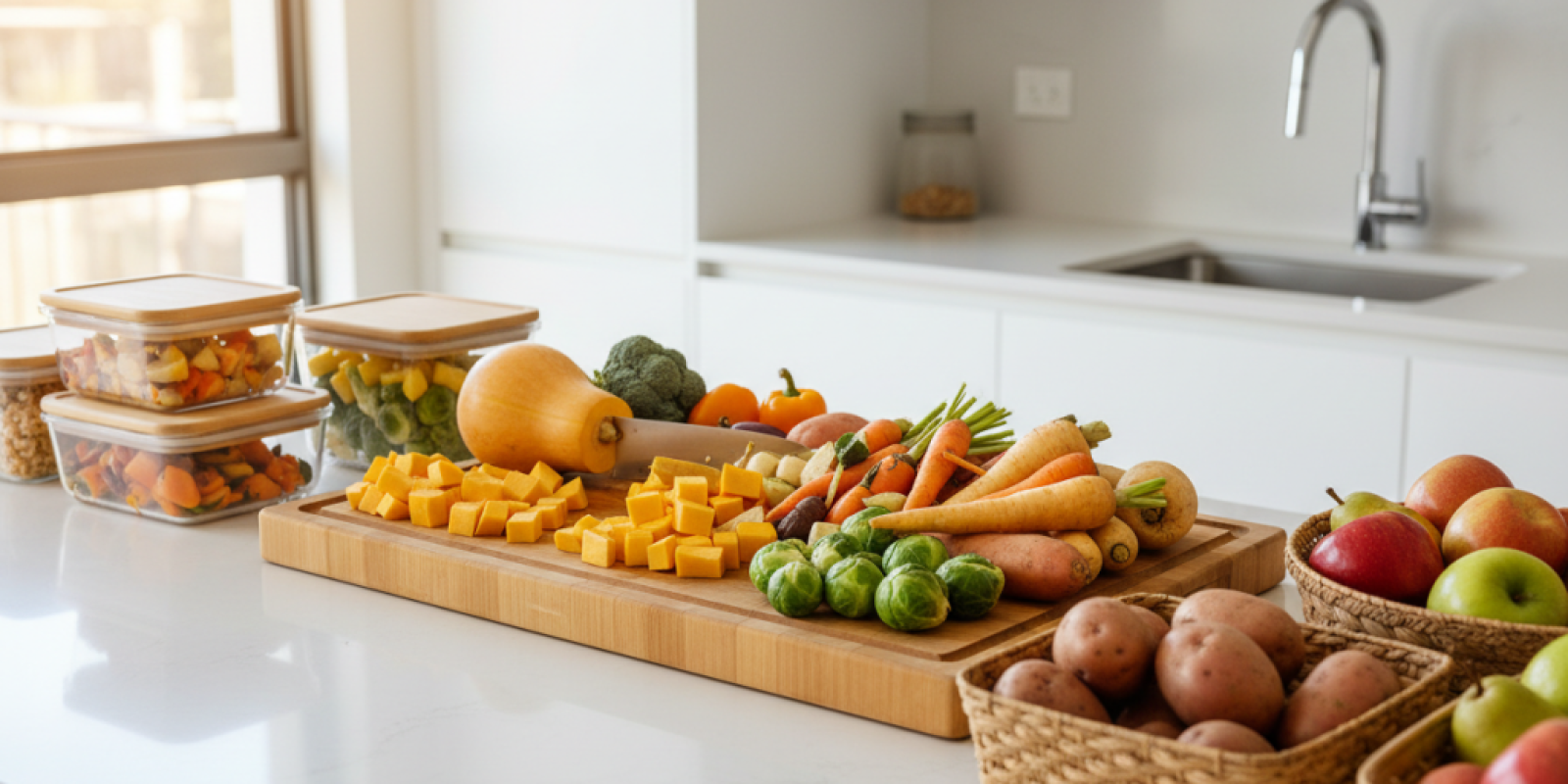
Root vegetable roasting becomes a weekly ritual in my fall meal prep routine. Dice sweet potatoes, carrots, parsnips, and beets into uniform pieces, toss with oil and seasonings, then roast large sheet pans simultaneously. These caramelized vegetables serve as bases for Buddha bowls, soup additions, or simple side dishes.
Winter squash preparation requires some upfront effort but pays dividends throughout the season. Roast whole butternut or acorn squash, then scoop out the flesh and freeze in portion-sized containers. This pre-cooked squash transforms into soups, purees, or pasta sauces with minimal additional cooking time.
Apple season opens opportunities for both sweet and savory preparations. Slice apples and toss with lemon juice to prevent browning, creating ready-to-eat snacks or salad components. For longer storage, dice and freeze apples specifically designated for baking or cooking applications.
Winter Comfort Food Prep
Winter meal prep focuses on warming, nourishing foods that provide comfort during cold months. Citrus fruits, hardy greens, and stored root vegetables become your primary ingredients for satisfying meal preparation.
Citrus supreming might seem time-intensive, but preparing several oranges and grapefruits at once provides bright, fresh elements for winter salads and grain bowls. Store segmented citrus in their own juices to maintain freshness and prevent drying out.
Hardy greens like kale, collards, and Brussels sprouts benefit from massage techniques that break down tough fibers. Prepare large batches of massaged kale salad base, which actually improves in flavor over several days as dressings penetrate the leaves.
Winter is perfect for slow-cooker meal prep strategies. Combine seasonal vegetables with proteins and broths, then portion completed meals into freezer-safe containers. These one-pot meals provide instant comfort food solutions on busy weeknights.
Essential Tools for Seasonal Meal Prep
Successful seasonal meal prep relies on having the right tools to handle different types of produce efficiently. A high-quality chef’s knife remains your most important investment, but several specialized tools can streamline seasonal preparation.
A mandoline slicer proves invaluable for creating uniform vegetable slices, especially when preparing large quantities of root vegetables or creating vegetable chips. Safety should be your top priority when using this tool – always use the hand guard and work slowly.
Food processors excel at handling bulk preparation tasks like shredding cabbage for slaw, making large batches of pesto, or creating vegetable-based sauces. The time saved on repetitive chopping tasks makes this appliance worthwhile for serious meal preppers.
Quality storage containers in various sizes ensure your prepared ingredients maintain freshness throughout the week. Glass containers work best for acidic foods like tomato-based preparations, while plastic containers are lighter and more practical for freezer storage.
Storage Tips for Maximum Freshness
Proper storage techniques can extend the life of your prepared seasonal ingredients significantly. Understanding how different vegetables behave in storage helps you maintain quality and reduce food waste.
Most blanched vegetables benefit from thorough cooling and drying before storage. Excess moisture leads to soggy textures and shortened storage life. Pat vegetables dry with clean kitchen towels and allow them to air dry for several minutes before containerizing.
Ethylene-producing fruits like apples, bananas, and tomatoes should be stored separately from ethylene-sensitive vegetables like leafy greens and herbs. This simple separation prevents premature ripening and wilting of prepared ingredients.
Labeling becomes crucial when you’re preparing multiple seasonal ingredients simultaneously. Include preparation dates and intended use on your storage containers. This system helps you rotate ingredients properly and prevents forgotten items from spoiling.
Time-Saving Techniques
Efficiency is key to sustainable meal prep practices. Several techniques can dramatically reduce the time spent on seasonal produce preparation while maintaining quality results.
Batch processing similar ingredients together maximizes your efficiency. When your knife and cutting board are already dirty from chopping onions, continue with other alliums like shallots or leeks. This approach minimizes cleanup time and keeps you in a productive rhythm.
Multi-tasking with cooking methods saves both time and energy. While vegetables roast in the oven, use stovetop space for blanching or sautéing other ingredients. This parallel processing approach can cut your total prep time in half.
Prep-ahead seasoning blends tailored to seasonal produce eliminate decision-making during busy weeknight cooking. Create custom spice mixtures that complement fall root vegetables or summer grilled items, storing them in small jars for quick access.
Budget-Friendly Seasonal Shopping
Strategic shopping approaches help you maximize your seasonal meal prep budget while ensuring you have abundant, fresh ingredients to work with throughout the week.
Farmers markets often offer bulk pricing for customers buying large quantities of seasonal produce. Don’t hesitate to ask vendors about discounts for purchasing entire flats of berries or cases of tomatoes, especially near closing time when they prefer to sell remaining inventory.
Community Supported Agriculture (CSA) programs provide consistent access to seasonal produce while supporting local farms. These programs often deliver more vegetables than a typical family can consume fresh, making them perfect for meal prep enthusiasts who can preserve the abundance.
Seasonal buying clubs or co-ops allow you to pool resources with neighbors or friends to purchase larger quantities at wholesale prices. This approach works particularly well for items that require significant processing time, like apple sauce or tomato sauce preparation.
Conclusion
Mastering seasonal meal prep strategies transforms your weekly cooking routine from a chore into an enjoyable connection with nature’s rhythms. By aligning your food preparation with seasonal availability, you’ll discover that eating well becomes more affordable, flavorful, and sustainable.
The key to success lies in starting small and gradually building your seasonal meal prep skills. Choose one or two seasonal ingredients each week to focus on, perfecting your techniques before expanding to more complex preparations. Remember that seasonal eating is a journey, not a destination – there’s always something new to learn and explore.
As you develop your seasonal meal prep practice, you’ll find that your relationship with food becomes more intentional and satisfying. The anticipation of spring’s first asparagus or summer’s peak tomato season adds excitement to meal planning that simply can’t be replicated with year-round imported produce.
Start this week by identifying what’s currently in season in your area, then choose one simple preparation technique to try. Your future self will thank you for the delicious, nutritious meals that await, and your budget will appreciate the savings that come with eating seasonally.
Frequently Asked Questions
How long can I store prepared seasonal vegetables in the refrigerator?
Most properly prepared and stored seasonal vegetables last 4-7 days in the refrigerator. Blanched vegetables typically maintain quality for up to a week, while raw prepared vegetables like chopped onions or sliced peppers are best used within 3-4 days. Always check for signs of spoilage before using stored ingredients.
Can I freeze all types of seasonal produce for meal prep?
While many seasonal vegetables freeze well, some lose texture and quality when frozen. Vegetables with high water content like lettuce, cucumbers, and radishes don’t freeze successfully. However, most fruits, blanched vegetables, and cooked preparations freeze excellently for 3-6 months.
What’s the best way to find out what’s in season in my area?
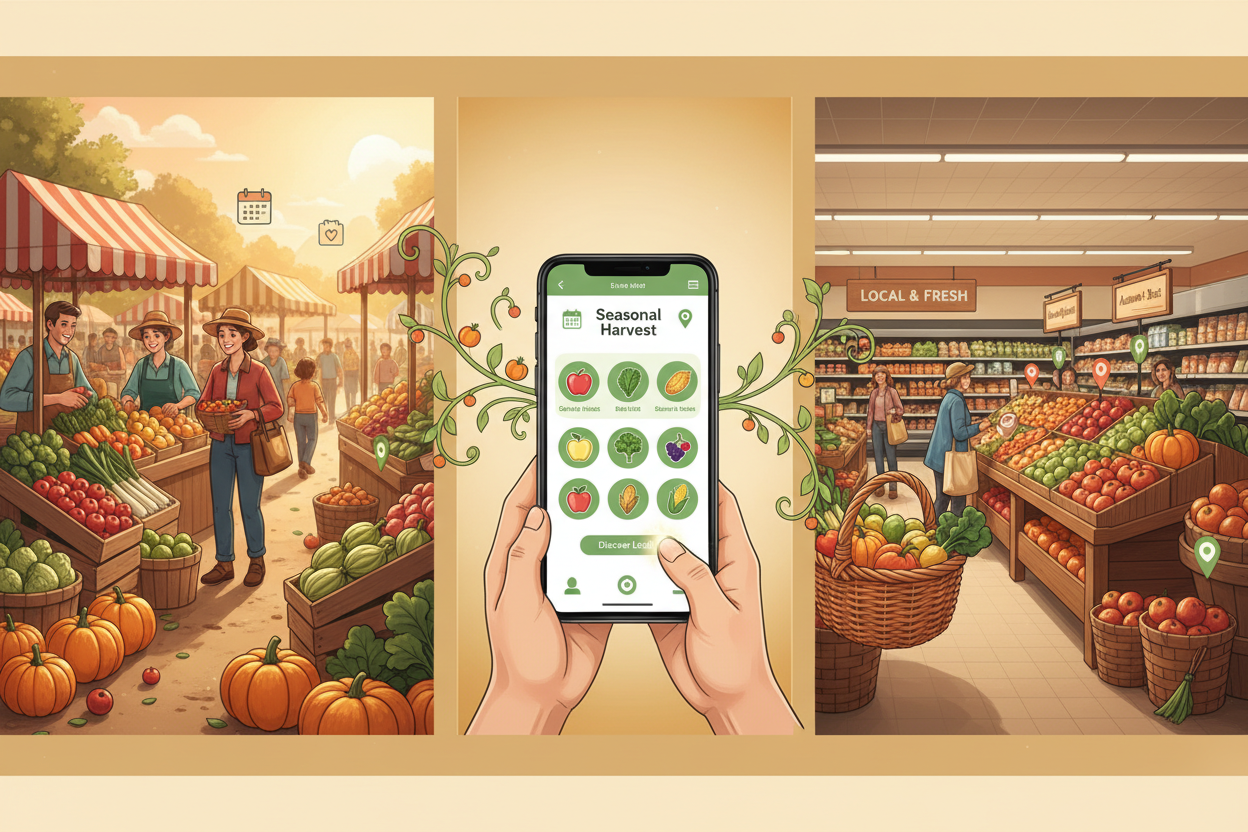
Check with local farmers markets, visit your state’s agricultural extension website, or use seasonal produce apps and websites. Many grocery stores also label locally grown, seasonal items. Building relationships with local farmers and vendors provides insider knowledge about peak seasons and availability.
How do I prevent seasonal produce from spoiling during meal prep?
Proper washing, thorough drying, appropriate storage containers, and correct temperature control are essential. Don’t wash produce until you’re ready to prep it, ensure vegetables are completely dry before storing, and maintain proper refrigerator temperatures around 37-40°F.
Is seasonal meal prep more expensive than buying conventional produce year-round?
Seasonal meal prep is typically more cost-effective because you’re buying ingredients at their peak availability when prices are lowest. While you might spend more upfront buying larger quantities, the per-unit cost is usually significantly lower than purchasing the same items out of season.
How do I meal prep when seasonal produce has a very short shelf life?
Focus on immediate processing techniques like blanching, roasting, or freezing within 24-48 hours of purchase. Delicate items like berries should be sorted, washed, and frozen or used immediately. Consider preserving methods like dehydrating, pickling, or making sauces to extend usability.