
Hungarian Paprika Power: Quick Recipes That Ignite Metabolism
Table of Contents
1. Introduction to Hungarian Paprika’s Metabolic Magic
2. The Science Behind Paprika’s Metabolism-Boosting Properties
3. Types of Hungarian Paprika and Their Benefits
4. Quick Paprika Recipes for Metabolic Enhancement
5. Incorporating Paprika into Your Daily Diet
6. Health Benefits Beyond Metabolism
7. Storage and Selection Tips
8. Conclusion
9. Frequently Asked Questions
Introduction to Hungarian Paprika’s Metabolic Magic
When I first discovered the incredible power of Hungarian paprika, I was simply looking for ways to add more flavor to my meals. What I found was so much more than just a spice – it was a metabolism-boosting powerhouse that transformed both my cooking and my health journey. Hungarian paprika isn’t just another pretty spice sitting in your cabinet; it’s a vibrant, flavorful ingredient that can literally fire up your metabolism while making your taste buds dance with joy.
The deep red powder that gives Hungarian cuisine its distinctive character has been quietly working metabolic magic for centuries. From the bustling markets of Budapest to modern wellness kitchens around the world, this remarkable spice continues to prove that the best health solutions often come from the most unexpected places. Today, we’re diving deep into the world of Hungarian paprika and discovering quick, delicious recipes that will ignite your metabolism naturally.
The Science Behind Paprika’s Metabolism-Boosting Properties
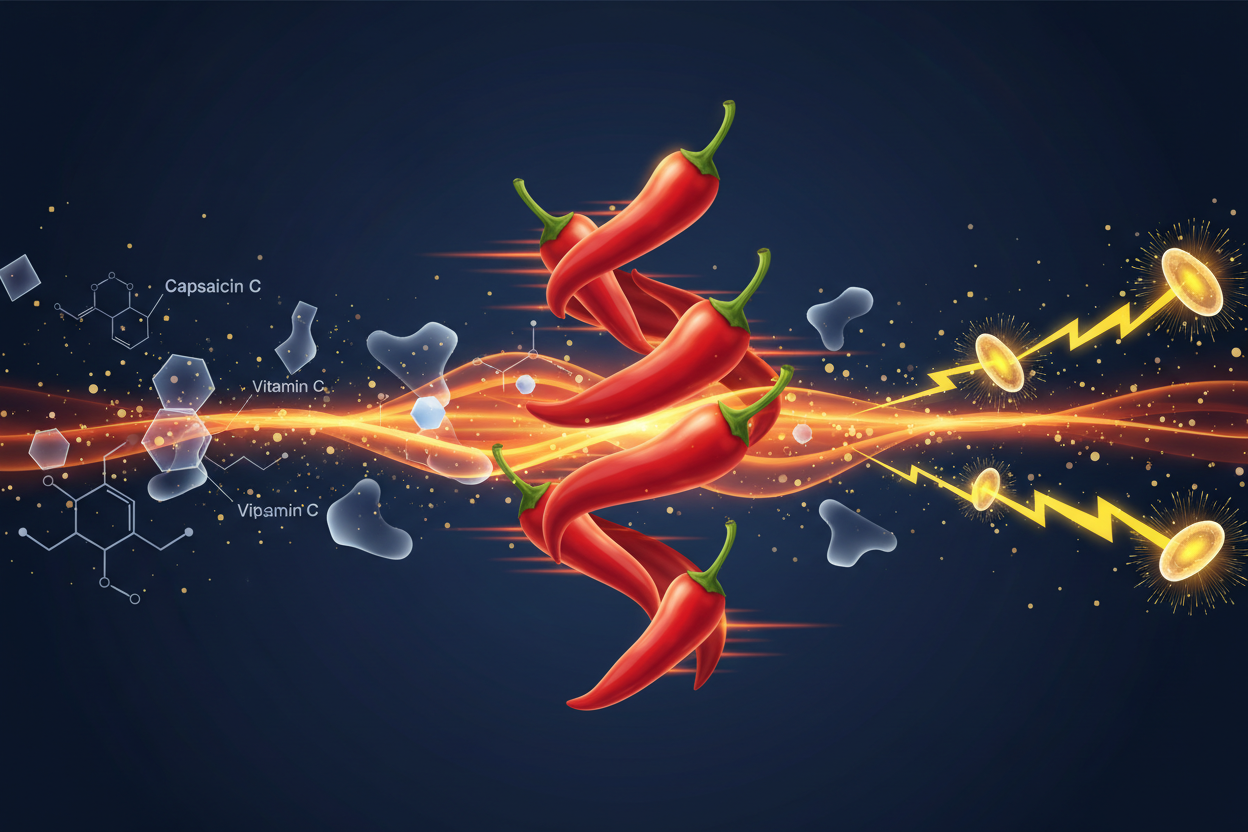
Hungarian paprika owes its metabolism-boosting powers to a compound called capsaicin, though in much milder concentrations than its fiery cousin, cayenne pepper. This makes it perfect for those who want metabolic benefits without setting their mouth on fire. Capsaicin works by increasing thermogenesis – the process by which your body burns calories to produce heat.
Research has shown that consuming capsaicin can increase your metabolic rate by up to 25% for several hours after eating. But that’s not all – Hungarian paprika also contains high levels of vitamin C, which supports healthy metabolism by helping your body produce carnitine, a compound that helps convert fat into energy. The antioxidants in paprika, particularly carotenoids, also play a crucial role in supporting cellular health and energy production.
What makes Hungarian paprika particularly special is its unique processing method. The peppers are slowly dried and ground, preserving more of their beneficial compounds compared to other paprika varieties. This traditional method, passed down through generations, ensures that every teaspoon packs maximum nutritional punch.
Types of Hungarian Paprika and Their Benefits
Not all Hungarian paprika is created equal, and understanding the different varieties can help you choose the right one for your metabolic goals. Sweet Hungarian paprika, or “édes,” is the mildest variety and perfect for beginners. It provides gentle metabolic support while adding beautiful color and subtle sweetness to dishes.
Hot Hungarian paprika, known as “erős,” contains higher levels of capsaicin and delivers more significant metabolic benefits. The heat level varies, but it’s generally more potent than sweet paprika while remaining much milder than cayenne. This variety is my personal favorite for metabolism-boosting recipes because it strikes the perfect balance between flavor and function.
Smoked Hungarian paprika adds another dimension with its deep, complex flavor profile. While the smoking process may slightly reduce some heat compounds, it concentrates other beneficial antioxidants, making it an excellent choice for those who prefer rich, earthy flavors in their metabolism-boosting meals.
Quick Paprika Recipes for Metabolic Enhancement
Let me share some of my favorite quick recipes that harness the metabolic power of Hungarian paprika. These dishes are designed to be prepared in 20 minutes or less, making them perfect for busy lifestyles while still delivering maximum health benefits.
Metabolism-Boosting Paprika Chicken Skillet: Heat two tablespoons of olive oil in a large skillet over medium-high heat. Season four chicken breasts with salt, pepper, and two tablespoons of hot Hungarian paprika. Cook the chicken for 6-7 minutes per side until golden and cooked through. Remove chicken and add sliced bell peppers and onions to the same pan. Sprinkle with one tablespoon of sweet paprika and cook for 5 minutes. This dish combines lean protein with metabolism-boosting spices for a perfect metabolic meal.
Hungarian Paprika Power Soup: In a large pot, sauté diced onions, carrots, and celery in olive oil for 5 minutes. Add three tablespoons of sweet Hungarian paprika, one can of diced tomatoes, four cups of low-sodium broth, and one cup of cooked white beans. Simmer for 15 minutes and season with salt and pepper. This warming soup delivers sustained energy while gently boosting your metabolism throughout the day.
Quick Paprika Roasted Vegetables: Toss your favorite vegetables – I love using Brussels sprouts, sweet potatoes, and cauliflower – with olive oil, two tablespoons of hot Hungarian paprika, garlic powder, and sea salt. Roast at 425°F for 18-20 minutes until tender and slightly caramelized. The high heat activates the paprika’s compounds while creating a deliciously crispy exterior.
Metabolic Paprika Scrambled Eggs: Whisk six eggs with two tablespoons of milk and one tablespoon of sweet Hungarian paprika. Cook in a non-stick pan over medium-low heat, stirring gently until creamy and set. Serve with sliced avocado and whole grain toast for a metabolism-boosting breakfast that will energize your entire morning.
Incorporating Paprika into Your Daily Diet
The beauty of Hungarian paprika lies in its versatility. I’ve found countless ways to incorporate this metabolic powerhouse into everyday meals without dramatically changing my cooking routine. Start your day by adding a pinch to your morning eggs or sprinkling it over avocado toast. The mild heat wakes up your taste buds and kickstarts your metabolism for the day ahead.
For lunch, try adding paprika to salad dressings or marinades. A simple vinaigrette made with olive oil, lemon juice, Dijon mustard, and a teaspoon of Hungarian paprika transforms any salad into a metabolism-boosting meal. I also love dusting roasted nuts with paprika for a healthy, energizing snack that satisfies cravings while supporting metabolic function.
Dinner presents endless opportunities to harness paprika’s power. Beyond traditional Hungarian dishes, try adding it to grain bowls, pasta sauces, or even homemade popcorn. The key is consistency – using paprika regularly, even in small amounts, provides cumulative metabolic benefits over time.
Health Benefits Beyond Metabolism
While we’re focusing on metabolic benefits, Hungarian paprika offers so much more for your overall health. The high vitamin C content – often higher than many citrus fruits – supports immune function and collagen production. This makes paprika not just a metabolism booster, but also a beauty enhancer from the inside out.
The antioxidants in Hungarian paprika, particularly beta-carotene and lutein, support eye health and may help protect against age-related vision problems. These same compounds also contribute to healthy skin by protecting against oxidative stress and supporting cellular repair processes.
Research suggests that regular consumption of paprika may help support healthy blood pressure levels and cardiovascular function. The anti-inflammatory properties of the carotenoids in paprika may also help reduce chronic inflammation, which is linked to numerous health issues including metabolic dysfunction.
Storage and Selection Tips
To maximize the metabolic benefits of Hungarian paprika, proper selection and storage are crucial. When shopping, look for paprika with vibrant, deep red color – dull or brownish paprika has likely lost much of its potency. The aroma should be rich and slightly sweet, even in hot varieties.
Store your paprika in an airtight container away from light and heat. I keep mine in a cool, dark cupboard and replace it every six months to ensure maximum freshness and potency. Whole dried paprika peppers, if you can find them, maintain their beneficial compounds longer than pre-ground versions.
Consider buying from specialty spice shops or Hungarian importers for the highest quality. While it may cost slightly more, authentic Hungarian paprika provides significantly better flavor and health benefits compared to generic supermarket varieties.
Conclusion
Hungarian paprika truly is a metabolic powerhouse hiding in plain sight. From its scientifically-backed ability to boost thermogenesis to its rich array of vitamins and antioxidants, this remarkable spice offers a delicious and natural way to support your metabolic health. The quick recipes I’ve shared demonstrate how easy it is to incorporate this beneficial ingredient into your daily routine without sacrificing flavor or convenience.
Remember, the key to harnessing paprika’s metabolic power lies in consistency and quality. Choose authentic Hungarian paprika, use it regularly in your cooking, and pair it with a balanced diet and active lifestyle for optimal results. Your metabolism – and your taste buds – will thank you for this flavorful addition to your wellness journey.
Start small, experiment with different varieties, and discover how this ancient Hungarian treasure can ignite your modern metabolic goals. The path to better health doesn’t have to be complicated or bland – sometimes it’s as simple as reaching for that vibrant red jar of Hungarian paprika in your spice cabinet.
Frequently Asked Questions
How much Hungarian paprika should I consume daily for metabolic benefits?
For metabolic benefits, aim for 1-2 teaspoons of Hungarian paprika daily. This amount provides sufficient capsaicin and antioxidants to support metabolism without overwhelming your palate. Start with smaller amounts if you’re sensitive to spice and gradually increase as your tolerance builds.
Is Hungarian paprika safe for everyone to consume?
Hungarian paprika is generally safe for most people when consumed in culinary amounts. However, those with pepper allergies, gastroesophageal reflux disease (GERD), or sensitive stomachs should consult their healthcare provider before increasing consumption. Pregnant and nursing women should also seek medical advice before significantly increasing spice intake.
Can I substitute regular paprika for Hungarian paprika in these recipes?
While you can substitute regular paprika, Hungarian paprika provides superior flavor and potentially higher levels of beneficial compounds due to its traditional processing methods. If using regular paprika, you may need to increase the amount slightly to achieve similar metabolic benefits and flavor intensity.
How long does it take to see metabolic benefits from consuming Hungarian paprika?
The immediate thermogenic effects of capsaicin can be felt within 30 minutes of consumption and may last 2-3 hours. However, long-term metabolic benefits from regular paprika consumption typically become noticeable after 2-4 weeks of consistent use as part of a balanced diet and healthy lifestyle.
Does cooking reduce the metabolic benefits of Hungarian paprika?
Light cooking actually helps release some beneficial compounds in paprika, making them more bioavailable. However, excessive heat or prolonged cooking can degrade some vitamins. Add paprika toward the end of cooking or use it in both cooked and raw applications to maximize benefits.