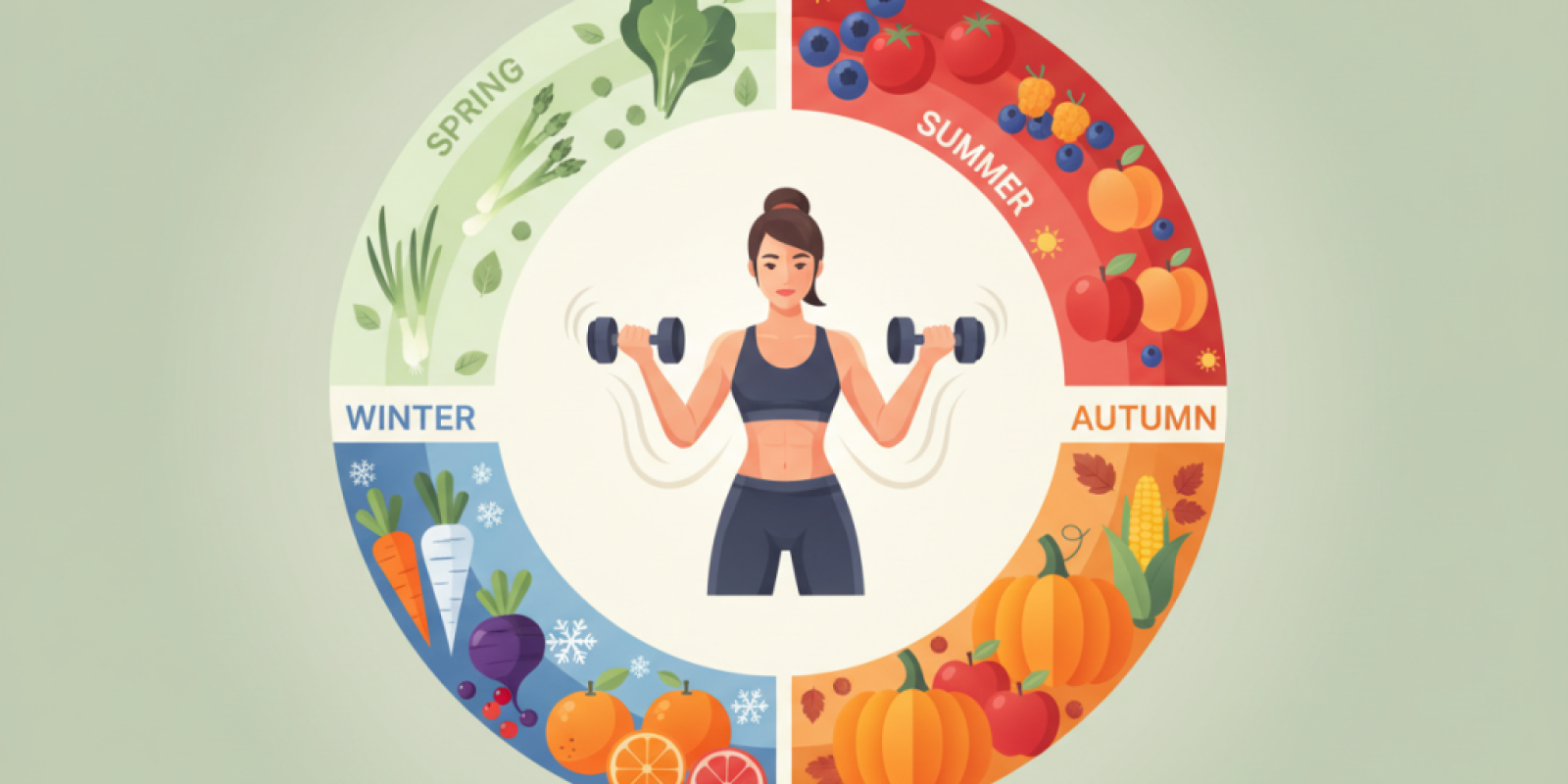
The Impact of Seasonal Eating on Women’s Workout Performance: Fueling Your Fitness Journey Year-Round
Table of Contents
1. Introduction: Why Seasonal Eating Matters for Female Athletes
2. Understanding Women’s Unique Nutritional Needs
3. Spring Nutrition: Energizing Your Workout Routine
4. Summer Eating: Hydration and Performance in the Heat
5. Fall Fueling: Preparing Your Body for Intensive Training
6. Winter Nutrition: Maintaining Energy During Cold Weather Workouts
7. Hormonal Considerations Throughout the Seasons
8. Practical Tips for Seasonal Meal Planning
9. Common Seasonal Eating Mistakes to Avoid
10. Conclusion: Creating Your Year-Round Performance Strategy
11. Frequently Asked Questions
Introduction: Why Seasonal Eating Matters for Female Athletes
Have you ever noticed how your energy levels and workout performance seem to fluctuate throughout the year? You’re not imagining things. The connection between seasonal eating patterns and women’s exercise performance is more profound than most people realize. As the seasons change, so do our bodies’ nutritional needs, energy requirements, and even our hormonal fluctuations.
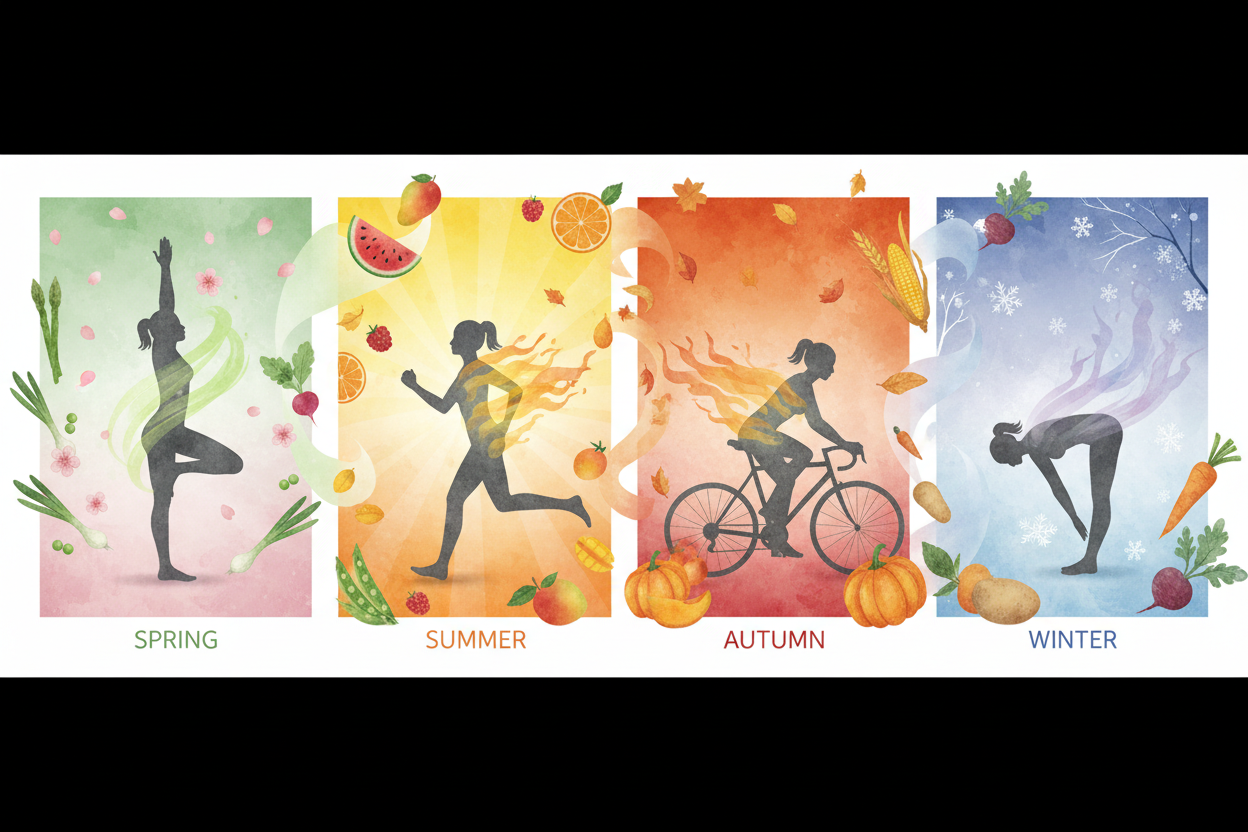
For women who are serious about their fitness goals, understanding how to align nutrition with seasonal changes can be a game-changer. Whether you’re training for a marathon, building strength in the gym, or simply maintaining an active lifestyle, seasonal eating strategies can optimize your performance, enhance recovery, and help you feel your absolute best year-round.
This comprehensive guide explores how different seasons affect women’s workout performance and provides actionable strategies for adapting your nutrition to maximize results. From spring’s energy-boosting foods to winter’s warming nutrients, we’ll uncover the secrets to seasonal success in your fitness journey.
Understanding Women’s Unique Nutritional Needs
Before diving into seasonal specifics, it’s crucial to understand that women have distinct nutritional requirements that differ significantly from men. These differences become even more pronounced when considering seasonal variations and exercise performance.
Women typically have higher iron needs due to menstruation, requiring approximately 18 milligrams daily compared to men’s 8 milligrams. This need becomes more critical during intense training periods when iron stores can become depleted more rapidly. Additionally, women’s bodies tend to rely more heavily on fat for fuel during endurance activities, making healthy fat intake particularly important.
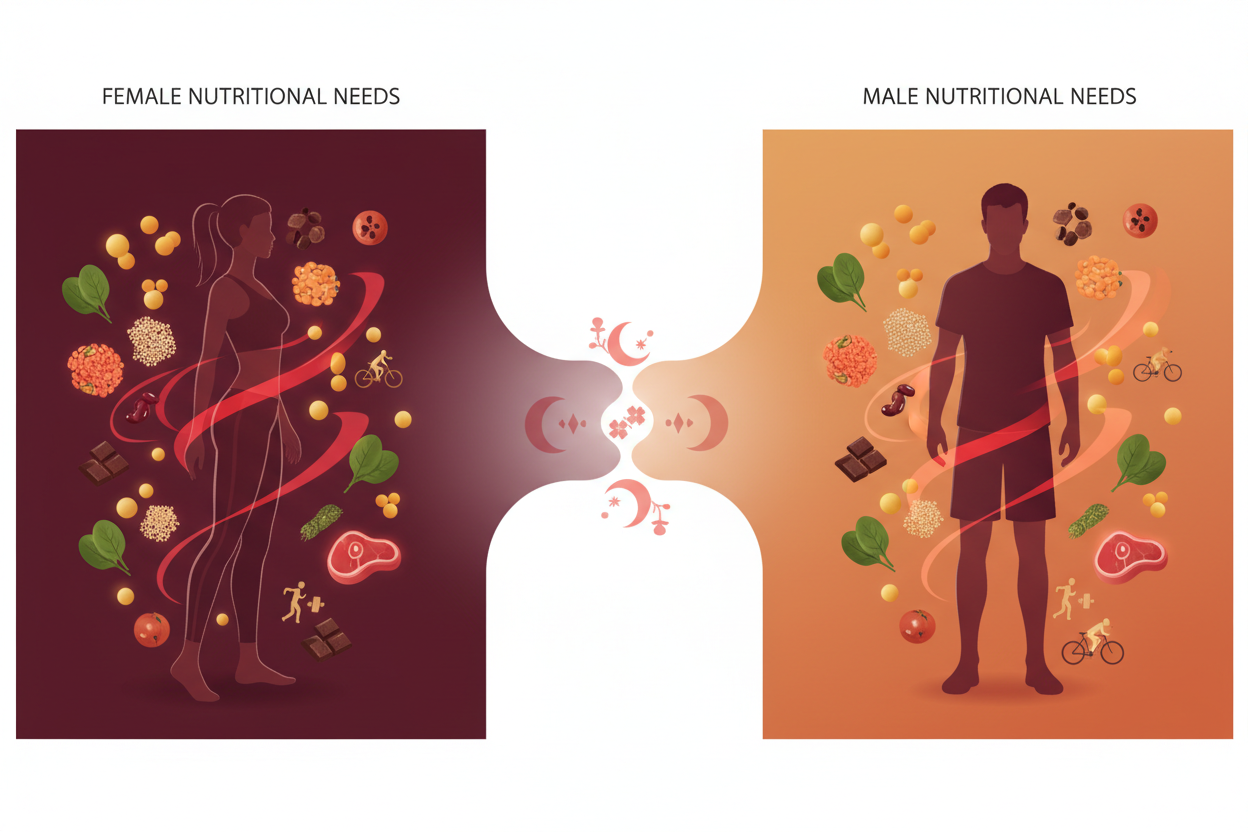
Calcium requirements are also higher for women, especially those engaged in weight-bearing exercises. The recommended daily intake of 1,000-1,200 milligrams supports not only bone health but also muscle function and recovery. These baseline needs form the foundation upon which seasonal eating strategies are built.
Hormonal fluctuations throughout the menstrual cycle add another layer of complexity to women’s nutritional needs. During the luteal phase, for instance, women may require additional calories and have increased cravings for certain nutrients. Understanding these patterns helps create more effective seasonal nutrition plans.
Spring Nutrition: Energizing Your Workout Routine
Spring represents renewal and increased activity levels for many women. After potentially less active winter months, your body craves fresh, energizing foods that support renewed fitness goals. This season offers an abundance of nutrient-dense options that can significantly boost workout performance.
Leafy greens like spinach, arugula, and kale become readily available and provide essential folate, iron, and nitrates that enhance oxygen delivery to muscles. These vegetables are particularly beneficial for women who may have experienced winter vitamin deficiencies. Incorporating them into pre-workout smoothies or post-exercise salads can dramatically improve energy levels.
Spring’s natural detoxification foods, including asparagus, artichokes, and dandelion greens, help eliminate winter toxin buildup while providing antioxidants that reduce exercise-induced inflammation. These foods support liver function, which is crucial for hormone metabolism and energy production during workouts.
Fresh berries begin appearing in spring, offering powerful antioxidants like anthocyanins that combat oxidative stress from increased exercise. Strawberries, in particular, provide vitamin C that supports collagen synthesis for joint health and muscle recovery. The natural sugars in these fruits also provide quick energy for high-intensity workouts.
Hydration becomes increasingly important as temperatures rise and workout intensity increases. Spring’s naturally occurring electrolyte-rich foods like coconut water and fresh herbs help maintain proper fluid balance during exercise sessions.
Summer Eating: Hydration and Performance in the Heat
Summer presents unique challenges for women’s workout performance, primarily related to heat management and increased fluid needs. The abundance of water-rich foods during this season provides natural solutions for maintaining performance in hot weather conditions.
Watermelon, cucumbers, and tomatoes contain over 90% water content while providing essential electrolytes like potassium and magnesium. These foods help prevent dehydration-related performance declines that can occur during summer workouts. The natural sugars in watermelon also provide quick energy replacement after intense exercise sessions.
Summer’s peak produce season offers an incredible variety of colorful fruits and vegetables rich in antioxidants. Bell peppers, zucchini, and summer squash provide vitamin C and beta-carotene that protect against heat-induced oxidative stress. These nutrients become particularly important for women exercising outdoors during peak sun hours.
Cold soups and gazpachos made from fresh summer vegetables provide both hydration and nutrients while helping regulate body temperature. These foods are especially beneficial for post-workout recovery when the body needs to cool down and replenish nutrients simultaneously.
Timing becomes crucial during summer months. Eating lighter meals before workouts prevents digestive stress in hot conditions, while post-workout nutrition should focus on rapid rehydration and electrolyte replacement. Fresh fruit smoothies with coconut water or natural fruit popsicles can be both refreshing and nutritionally beneficial.
Fall Fueling: Preparing Your Body for Intensive Training
Fall often marks the beginning of more serious training cycles for many women, whether preparing for winter sports or taking advantage of cooler weather for outdoor activities. This season’s hearty produce provides the sustained energy needed for longer, more intense workout sessions.
Root vegetables like sweet potatoes, beets, and carrots offer complex carbohydrates that provide steady energy release during extended training sessions. Sweet potatoes, in particular, are rich in beta-carotene and potassium, supporting immune function and muscle contraction during increased training loads.
Fall’s harvest of nuts and seeds provides healthy fats and protein essential for hormone production and muscle recovery. Walnuts offer omega-3 fatty acids that reduce inflammation, while pumpkin seeds provide zinc and magnesium crucial for muscle function and recovery. These foods are particularly important as women’s bodies prepare for potential winter vitamin D deficiencies.
Squash varieties provide both comfort and nutrition during fall’s cooler temperatures. Butternut squash offers vitamin A and fiber while providing the satisfying, warming qualities that support increased caloric needs during more intensive training periods.
Apple season brings natural sugars and fiber that support sustained energy levels. The pectin in apples also supports digestive health, which becomes increasingly important as training intensity increases and nutritional demands rise.
Winter Nutrition: Maintaining Energy During Cold Weather Workouts
Winter presents the greatest challenges for maintaining workout performance, with shorter days, colder temperatures, and limited fresh produce availability. However, strategic seasonal eating can help women maintain energy levels and performance throughout the colder months.
Warming foods become essential for supporting circulation and energy production. Ginger, cinnamon, and other warming spices not only provide comfort but also support metabolism and blood flow to working muscles. These spices can be incorporated into pre-workout teas or post-workout warming beverages.
Citrus fruits reach peak season during winter, providing essential vitamin C that supports immune function during cold weather training. The natural sugars in oranges and grapefruits also provide quick energy for indoor workouts when motivation might be lower.
Stored vegetables like potatoes, onions, and winter squash provide the complex carbohydrates needed for longer indoor training sessions. These foods offer sustained energy release and can be prepared in warming, comforting ways that support both physical and psychological well-being during darker months.
Healthy fats become particularly important during winter months when vitamin D synthesis is limited. Avocados, nuts, and fatty fish provide essential fatty acids that support hormone production and joint health during potentially more sedentary periods.
Hormonal Considerations Throughout the Seasons
Women’s hormonal fluctuations interact significantly with seasonal changes, creating unique nutritional needs that affect workout performance. Understanding these interactions helps optimize both nutrition and training throughout the year.
During winter months, reduced sunlight exposure can affect serotonin and melatonin production, potentially impacting mood and energy levels. This seasonal affective pattern can influence workout motivation and performance. Incorporating foods rich in tryptophan, like turkey and pumpkin seeds, can help support neurotransmitter production.
Spring’s increased daylight helps regulate circadian rhythms, often leading to improved energy levels and workout performance. However, this transition period may require additional B vitamins to support increased energy demands. Leafy greens and whole grains become particularly important during this adjustment phase.
Summer’s heat can affect hormonal balance, particularly cortisol levels, which may impact recovery and performance. Adaptogenic foods like berries and herbs can help support the body’s stress response during hot weather training.
Fall’s preparation for winter can trigger increased appetite and cravings, which may align with increased training loads. Understanding these natural patterns helps women work with their bodies rather than against them when planning nutrition strategies.
Practical Tips for Seasonal Meal Planning
Implementing seasonal eating strategies requires practical planning and preparation. Successful seasonal nutrition isn’t just about knowing what to eat, but also how to incorporate these foods into busy lifestyles while maintaining workout performance.
Batch cooking seasonal vegetables at the beginning of each week ensures consistent access to performance-supporting nutrients. Roasting large quantities of seasonal vegetables like Brussels sprouts in fall or zucchini in summer provides ready-to-eat options for quick pre or post-workout meals.
Freezing seasonal produce at peak ripeness extends availability and maintains nutritional value. Summer berries can be frozen for winter smoothies, while fall squash can be pureed and frozen for quick addition to post-workout soups and stews.
Creating seasonal spice blends helps add flavor and nutritional benefits to simple foods. A warming winter blend with cinnamon, ginger, and cardamom can transform basic oatmeal into a performance-supporting pre-workout meal.
Meal timing becomes particularly important when aligning with seasonal changes. Lighter, cooling foods work best before summer workouts, while warming, substantial meals support winter training sessions. Planning meal timing around both seasonal needs and workout schedules optimizes performance.
Common Seasonal Eating Mistakes to Avoid
Even well-intentioned seasonal eating plans can go astray without proper understanding of common pitfalls. Recognizing these mistakes helps women maintain consistent workout performance throughout the year.
Over-restricting calories during winter months is a frequent mistake that can significantly impact workout performance. While activity levels might decrease, the body still requires adequate fuel for exercise and recovery. Focusing on nutrient density rather than calorie restriction maintains energy levels.
Ignoring hydration needs during cooler months can impair performance just as much as summer dehydration. Winter’s dry air and indoor heating increase fluid needs, even when thirst sensation is reduced. Warm herbal teas and broths can help maintain hydration during colder months.
Abandoning fresh produce entirely during winter limits nutrient intake and can affect workout recovery. While fresh options may be limited, frozen vegetables often retain more nutrients than fresh produce that has traveled long distances. Combining frozen and stored fresh options maintains nutritional quality.
Failing to adjust portion sizes for seasonal activity changes can lead to energy imbalances. Spring’s increased activity may require larger portions, while winter’s potentially reduced activity might need smaller, more frequent meals to maintain steady energy levels.
Conclusion: Creating Your Year-Round Performance Strategy
Seasonal eating represents a powerful tool for optimizing women’s workout performance throughout the year. By aligning nutrition choices with natural seasonal rhythms and produce availability, women can support their bodies’ changing needs while maintaining consistent fitness progress.
The key to successful seasonal eating lies in understanding that flexibility and adaptation are more important than rigid rules. Each season offers unique opportunities to support workout performance through targeted nutrition choices, from spring’s energizing greens to winter’s warming, sustaining foods.
Remember that seasonal eating should complement, not complicate, your fitness journey. Start by incorporating one or two seasonal foods into your current routine, then gradually expand as you discover what works best for your body and training schedule.
Most importantly, listen to your body’s signals throughout seasonal transitions. Energy levels, cravings, and performance indicators provide valuable feedback about how well your seasonal eating strategy is supporting your fitness goals. With patience and experimentation, you can develop a year-round nutrition approach that keeps you performing at your best regardless of the season.
Frequently Asked Questions
Q: How quickly will I notice improvements in workout performance after changing to seasonal eating?
A: Most women notice energy level improvements within 1-2 weeks of incorporating seasonal foods, with more significant performance changes typically occurring after 4-6 weeks of consistent seasonal eating patterns.
Q: Can seasonal eating help with hormonal balance during workouts?
A: Yes, seasonal eating can support hormonal balance by providing nutrients that align with your body’s natural rhythms. Foods rich in healthy fats, antioxidants, and minerals support hormone production and regulation throughout different seasons.
Q: What if I live in a climate without distinct seasons?
A: Even in consistent climates, you can benefit from seasonal eating by following the natural growing seasons of produce and adjusting nutrition based on your training cycles rather than weather patterns.
Q: Is seasonal eating more expensive than regular meal planning?
A: Seasonal eating often costs less because you’re purchasing produce when it’s most abundant and affordable. Buying in-season foods and preserving them through freezing or other methods can actually reduce grocery costs.
Q: How do I maintain seasonal eating while traveling or during busy periods?
A: Focus on portable seasonal options like nuts and seeds in fall, dried fruits in winter, or fresh berries in summer. Even small seasonal additions to regular meals can provide benefits during challenging periods.
Q: Should I completely avoid out-of-season foods?
A: No, seasonal eating is about emphasis rather than restriction. While prioritizing seasonal foods provides optimal benefits, including some out-of-season options ensures nutritional variety and practical sustainability.