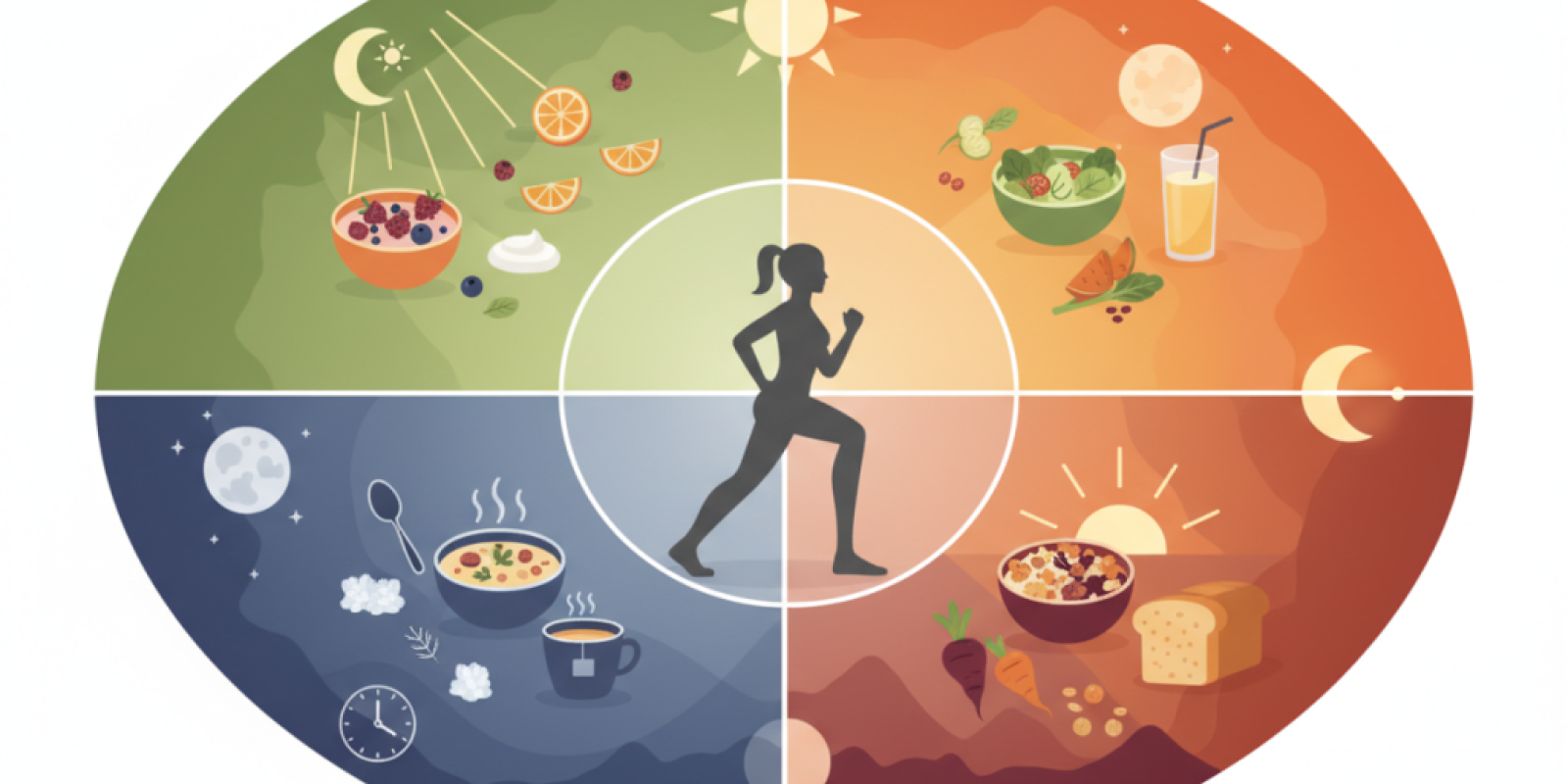
Seasonal Meal Timing: When to Eat for Optimal Women’s Performance
Table of Contents
1. Introduction: Why Seasonal Eating Matters for Women
2. Understanding Women’s Unique Nutritional Needs
3. Spring Meal Timing: Awakening Your Energy
4. Summer Nutrition Strategies: Fueling Peak Performance
5. Fall Eating Patterns: Preparing for Transition
6. Winter Meal Timing: Supporting Recovery and Restoration
7. Hormonal Considerations Across Seasons
8. Practical Tips for Seasonal Meal Planning
9. Common Mistakes to Avoid
10. Conclusion
11. Frequently Asked Questions
Introduction: Why Seasonal Eating Matters for Women
Have you ever noticed how your cravings change with the seasons? Maybe you find yourself wanting hearty stews in winter but craving fresh salads when summer arrives. There’s actually science behind these natural inclinations, and understanding seasonal meal timing can be a game-changer for women’s health and performance.
As women, our bodies operate on complex rhythms that extend far beyond our monthly cycles. These rhythms are influenced by daylight hours, temperature changes, and seasonal variations in available nutrients. When we align our eating patterns with these natural cycles, we can optimize everything from energy levels and mood to athletic performance and hormonal balance.
The concept of seasonal eating isn’t new – our ancestors naturally ate this way out of necessity. However, in our modern world of year-round grocery availability and climate-controlled environments, we’ve lost touch with these intuitive patterns. By reconnecting with seasonal meal timing, we can support our bodies’ natural rhythms and unlock our full potential throughout the year.
Understanding Women’s Unique Nutritional Needs
Before diving into seasonal strategies, it’s crucial to understand that women have distinct nutritional requirements that differ significantly from men. Our hormonal fluctuations, higher iron needs, and different muscle fiber compositions all influence how and when we should fuel our bodies.

Women’s metabolisms tend to be more flexible, shifting between burning carbohydrates and fats more readily than men’s. This metabolic flexibility, while advantageous in many ways, means we need to be more strategic about meal timing to maintain steady energy levels and support optimal performance.
Additionally, women’s bodies are naturally designed to preserve energy for reproductive functions, which can sometimes work against us when we’re trying to maintain consistent energy for daily activities or athletic pursuits. Understanding these biological realities helps us work with our bodies rather than against them.
Spring Meal Timing: Awakening Your Energy
Spring represents renewal and awakening, and your meal timing should reflect this natural energy shift. As daylight hours increase and temperatures warm, your body begins to emerge from winter’s more sedentary state.
During spring months, focus on eating your largest meal earlier in the day, ideally between 7 AM and 1 PM. This timing takes advantage of your naturally higher morning cortisol levels and supports the body’s tendency to be more metabolically active during longer daylight hours.
Start your day with a protein-rich breakfast within an hour of waking. Think eggs with seasonal greens, Greek yogurt with fresh berries, or a smoothie packed with leafy vegetables and plant-based protein. This early fuel helps stabilize blood sugar and provides sustained energy as your activity levels naturally increase.
For lunch, embrace the abundance of fresh spring vegetables. A substantial salad with lean protein or a vegetable-packed grain bowl works perfectly. The key is eating enough during this midday meal to carry you through the afternoon without the energy crashes that often plague women.
Keep dinner lighter during spring months, focusing on easily digestible foods that won’t interfere with the longer daylight hours. Your body’s natural circadian rhythms are shifting, and a heavy evening meal can disrupt this delicate transition.
Summer Nutrition Strategies: Fueling Peak Performance
Summer brings peak daylight hours and often our highest activity levels. This is when many women feel most energetic and motivated to pursue fitness goals or outdoor activities. Your meal timing should support this natural peak performance period.
The extended daylight of summer allows for more flexibility in meal timing, but it’s important not to let this freedom derail your nutrition. Consider adopting a pattern of frequent, smaller meals rather than three large ones. This approach helps maintain steady energy levels during long, active days.
Pre-activity fueling becomes crucial during summer months. If you’re exercising or engaging in outdoor activities, eat a light meal or snack 1-2 hours beforehand. Fresh fruit, a small smoothie, or whole grain toast with nut butter provides quick energy without feeling heavy.
Hydration timing is equally important during summer. Don’t wait until you feel thirsty – by then, you’re already behind. Start each day with a large glass of water and continue sipping throughout the day. Consider eating water-rich foods like watermelon, cucumber, and leafy greens as part of your regular meal rotation.
Post-activity recovery nutrition shouldn’t be overlooked either. Within 30 minutes of intense exercise, consume a combination of protein and carbohydrates to support muscle recovery and replenish glycogen stores. A glass of chocolate milk, Greek yogurt with fruit, or a recovery smoothie all work well.
Fall Eating Patterns: Preparing for Transition
Fall is nature’s preparation season, and your body instinctively begins to shift toward a more conservation-minded approach to energy and nutrition. This is when many women notice increased cravings for heartier, more substantial foods.
Rather than fighting these natural inclinations, work with them strategically. Begin shifting your largest meal slightly later in the day, perhaps making lunch your primary meal instead of breakfast. This timing aligns with your body’s preparation for the shorter days ahead.
Embrace seasonal produce during fall months – root vegetables, squashes, apples, and pears all provide the complex carbohydrates your body craves as it prepares for winter. These foods also tend to be more satisfying and help curb the urge to overeat as daylight decreases.
This is an excellent time to focus on meal prep and batch cooking. As schedules often become busier in fall, having nutritious meals ready helps you maintain consistent eating patterns even when life gets hectic. Soups, stews, and casseroles made with seasonal ingredients can be prepared in large batches and portioned throughout the week.
Pay attention to your body’s signals during this transitional season. Many women find they need slightly more calories in fall as their bodies prepare for winter, and that’s completely normal. The key is choosing nutrient-dense options that support this natural process.
Winter Meal Timing: Supporting Recovery and Restoration
Winter is your body’s natural recovery season. Shorter daylight hours and colder temperatures signal your system to prioritize restoration and conservation. Your meal timing should support these restorative processes rather than fighting against them.
During winter months, consider shifting to a later eating schedule that aligns with the reduced daylight. This might mean having a lighter breakfast, a substantial lunch around 1-2 PM, and your main meal in the early evening. This pattern works with your body’s natural tendency to be less metabolically active during darker months.
Warm, cooked foods become especially important during winter. Your body uses additional energy to maintain core temperature, so foods that provide internal warmth – like soups, stews, herbal teas, and cooked grains – support your natural heating mechanisms.
Don’t be surprised if you find yourself naturally wanting to eat more during winter months. This is a normal biological response, and severely restricting calories during this time can actually work against your body’s natural rhythms. Instead, focus on nutrient-dense comfort foods that satisfy both physical and emotional needs.
Winter is also an excellent time to prioritize foods rich in vitamin D, omega-3 fatty acids, and B vitamins – nutrients that support mood and energy during darker months. Fatty fish, eggs, nuts, and seeds should feature prominently in your winter meal planning.
Hormonal Considerations Across Seasons
Your hormonal patterns don’t exist in isolation from seasonal changes. In fact, research shows that many women experience variations in their menstrual cycles, mood, and energy levels that correlate with seasonal shifts.
During the darker months of fall and winter, many women experience changes in serotonin and melatonin production that can affect appetite, mood, and sleep patterns. This is why you might find yourself craving carbohydrates more intensely during these seasons – your body is seeking foods that support serotonin production.
The key is distinguishing between natural, healthy seasonal variations and problematic patterns. If you’re experiencing severe mood changes, dramatic appetite shifts, or significant energy fluctuations that interfere with daily life, it’s worth consulting with a healthcare provider who understands women’s hormonal health.
For most women, gentle adjustments to meal timing and food choices can help support hormonal balance throughout seasonal transitions. This might mean increasing complex carbohydrates during winter months or focusing on lighter, more cooling foods during summer.
Practical Tips for Seasonal Meal Planning
Implementing seasonal meal timing doesn’t have to be complicated. Start with small, manageable changes that align with your natural inclinations and gradually build from there.
Keep a food and energy journal for a few weeks, noting how different foods and meal timings affect your energy, mood, and performance. You’ll likely notice patterns that correspond with seasonal changes, weather shifts, and daylight variations.
Plan your grocery shopping around seasonal produce availability. Not only is seasonal produce more nutritious and flavorful, but it’s also typically more affordable. This natural approach to meal planning automatically aligns your nutrition with seasonal rhythms.
Batch cook seasonal staples that can be used in multiple ways throughout the week. For example, roasted winter vegetables can be added to soups, grain bowls, or eaten as side dishes. Spring greens can be used in salads, smoothies, or sautéed as vegetable sides.
Don’t forget to adjust your hydration patterns seasonally as well. You might need more fluids during summer months and warm beverages during winter, but maintaining adequate hydration year-round supports optimal meal timing and nutrient absorption.
Common Mistakes to Avoid
One of the biggest mistakes women make with seasonal eating is fighting against their natural inclinations instead of working with them. If you find yourself craving heartier foods in winter, don’t force yourself to eat summer-style salads just because you think they’re “healthier.”
Another common error is making dramatic changes all at once. Seasonal transitions should be gradual, just like the natural changes happening around you. Sudden dietary shifts can disrupt your body’s adaptation process and leave you feeling worse rather than better.
Don’t ignore your individual needs in favor of general seasonal guidelines. While these principles provide a helpful framework, your personal health status, activity level, and lifestyle factors should always take priority. A competitive athlete’s needs will differ significantly from someone with a sedentary lifestyle, regardless of the season.
Finally, avoid the trap of perfectionism. Seasonal eating is about creating sustainable patterns that support your overall well-being, not about following rigid rules. There will be days when life gets in the way, and that’s perfectly normal and acceptable.
Conclusion
Seasonal meal timing offers a powerful way for women to optimize their health, energy, and performance throughout the year. By aligning our eating patterns with natural rhythms and seasonal changes, we can work with our bodies’ inherent wisdom rather than against it.
Remember that this approach is about creating sustainable, enjoyable patterns that enhance your life rather than restrict it. Start with small changes that feel natural and build from there. Pay attention to how your body responds to different foods and timing strategies across seasons, and adjust accordingly.
The goal isn’t perfection but rather a deeper connection with your body’s needs and natural rhythms. When you honor these seasonal patterns, you’ll likely find that eating well becomes more intuitive, enjoyable, and effective in supporting your overall health and performance goals.
As you begin implementing these seasonal strategies, be patient with yourself and remember that lasting change takes time. Your body has incredible wisdom – seasonal meal timing simply provides a framework for accessing and honoring that wisdom throughout the year.
Frequently Asked Questions
Q: How quickly will I notice changes when I start eating seasonally?
Most women begin noticing subtle changes in energy levels and mood within 2-3 weeks of adjusting their meal timing seasonally. More significant changes in performance and overall well-being typically become apparent after 6-8 weeks of consistent practice.
Q: Can I follow seasonal meal timing if I work night shifts or have an irregular schedule?
Yes, but you’ll need to adapt the principles to your unique schedule. Focus on aligning your eating patterns with your personal circadian rhythms rather than traditional day/night cycles. The key is maintaining consistency within your own schedule.
Q: Should I change my supplement routine seasonally as well?
Many women benefit from seasonal supplement adjustments, such as increasing vitamin D during darker months or adding electrolytes during summer. However, always consult with a healthcare provider before making significant changes to your supplement routine.
Q: What if I live in a climate without distinct seasons?
Even in tropical or desert climates, there are often subtle seasonal variations in daylight hours, humidity, or rainfall that can guide your eating patterns. Focus on any natural rhythms you notice in your environment and energy levels.
Q: Is seasonal eating safe during pregnancy or breastfeeding?
Pregnant and breastfeeding women have increased nutritional needs that should take priority over seasonal eating patterns. While you can still enjoy seasonal produce and make gentle timing adjustments, always consult with your healthcare provider about the best nutrition approach for your specific situation.
Q: How do I handle social situations that conflict with my seasonal meal timing?
Flexibility is key to long-term success. Enjoy social meals and special occasions without stress, then return to your seasonal patterns afterward. The goal is creating sustainable habits, not perfect adherence to rigid rules.