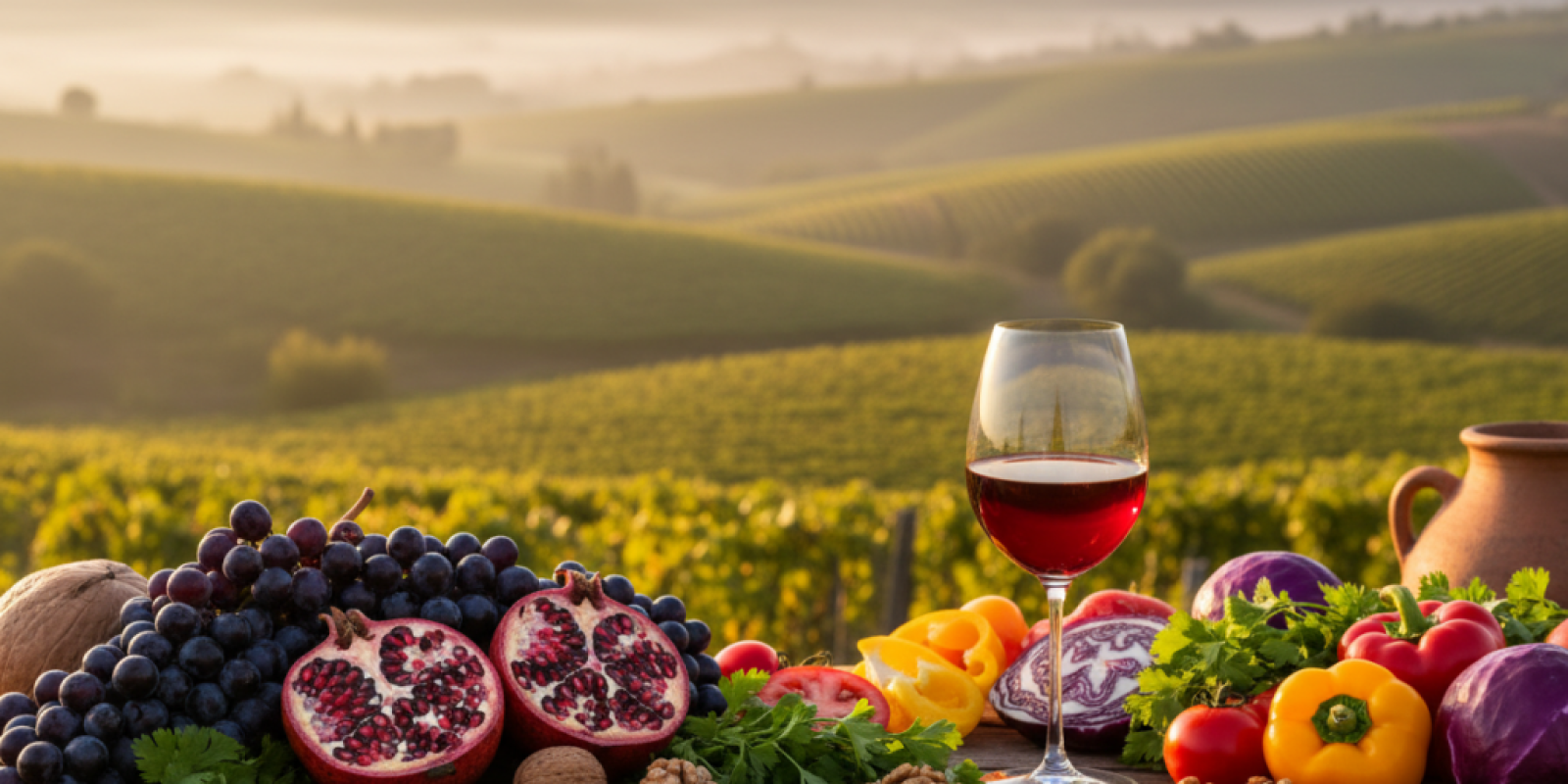
The Georgian Wine Country Diet: Antioxidant-Rich Foods for Women
Table of Contents
1. Introduction to Georgian Cuisine and Women’s Health
2. Understanding Antioxidants and Their Benefits for Women
3. Georgian Wine: More Than Just a Beverage
4. Traditional Georgian Superfoods for Women’s Wellness
5. The Mediterranean Connection: Why Georgian Foods Work
6. Incorporating Georgian Antioxidant Foods into Your Daily Diet
7. Seasonal Eating the Georgian Way
8. Modern Science Meets Ancient Wisdom
9. Frequently Asked Questions
Introduction to Georgian Cuisine and Women’s Health
Nestled between Europe and Asia, the country of Georgia has been quietly cultivating one of the world’s most antioxidant-rich diets for over 8,000 years. While the world focuses on Mediterranean and Nordic diets, Georgian cuisine offers a treasure trove of health benefits specifically tailored to women’s nutritional needs.
As someone who’s spent considerable time researching traditional diets and their impact on women’s health, I’ve discovered that Georgian food culture provides remarkable insights into longevity and vitality. The women of Georgia, particularly those from wine-growing regions like Kakheti and Kartli, have long enjoyed robust health well into their golden years.
What makes the Georgian wine country diet so special? It’s not just about the famous Georgian wine – though that plays a crucial role. It’s about a holistic approach to eating that emphasizes fresh, seasonal ingredients bursting with antioxidants, fermented foods that support gut health, and cooking methods that preserve nutritional integrity.
Understanding Antioxidants and Their Benefits for Women
Before diving into Georgian culinary traditions, let’s understand why antioxidants are particularly important for women’s health. Antioxidants are compounds that help neutralize harmful free radicals in our bodies, which can cause cellular damage and contribute to aging, heart disease, and certain cancers.
Women face unique health challenges throughout their lives – from menstruation and pregnancy to menopause and beyond. During these phases, oxidative stress can increase significantly. The right antioxidants can help support hormonal balance, maintain bone density, protect cardiovascular health, and even improve skin elasticity.
Georgian cuisine naturally provides a diverse array of antioxidants including anthocyanins, resveratrol, quercetin, and vitamin C. These compounds work synergistically to provide comprehensive protection against age-related health issues that particularly affect women.
Georgian Wine: More Than Just a Beverage
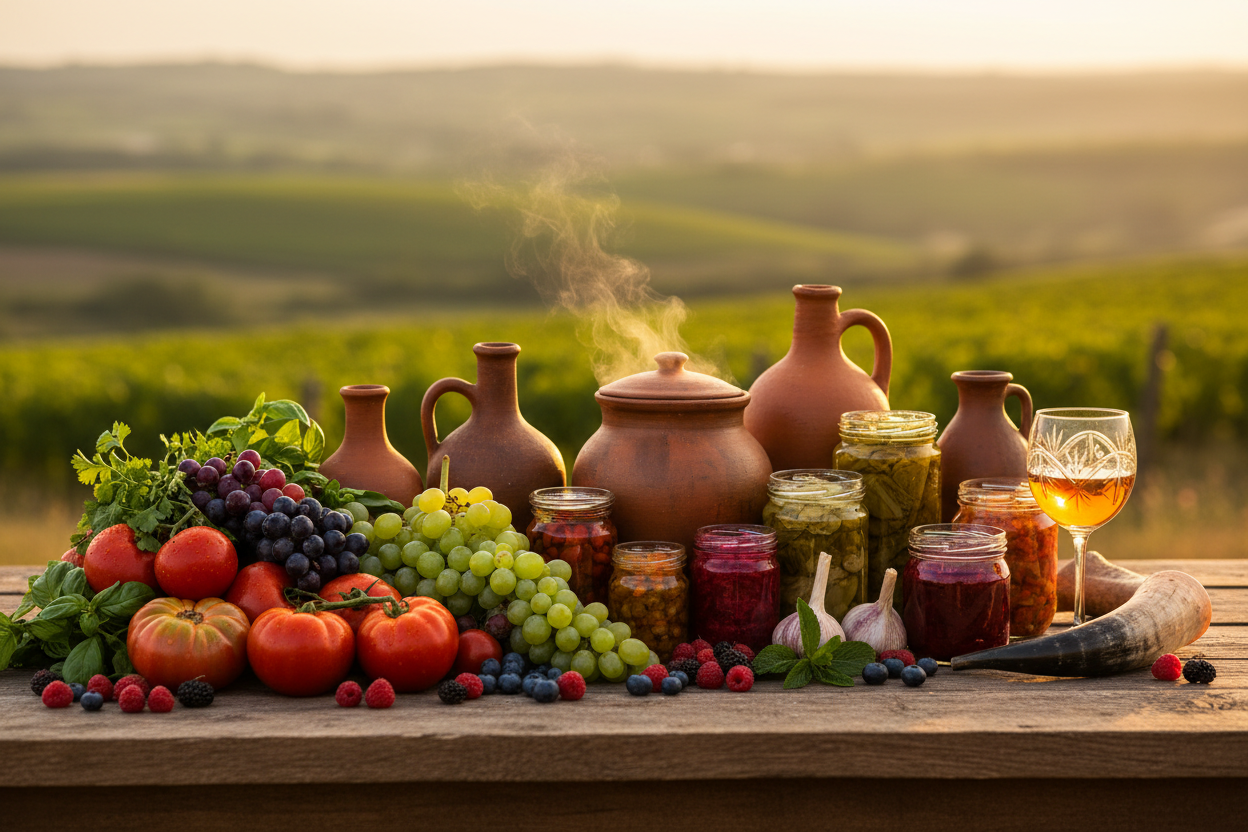
Georgian wine deserves special attention in any discussion about antioxidant-rich foods. This isn’t your typical wine – Georgian winemaking uses an ancient method called qvevri, where grapes are fermented in large clay vessels buried underground.
This traditional method creates wines with significantly higher levels of antioxidants, particularly resveratrol and tannins, compared to conventional winemaking techniques. The extended skin contact during fermentation extracts maximum beneficial compounds from the grape skins and seeds.
For women, moderate consumption of Georgian wine (about one glass per day) can provide cardiovascular benefits, support bone health, and may even help regulate hormones during menopause. The key word here is moderate – the health benefits come from consistency and restraint, not excess.
Georgian red wines like Saperavi are particularly rich in anthocyanins, the same compounds that make blueberries so healthy. Meanwhile, their amber wines (white wines made with extended skin contact) offer unique antioxidant profiles not found in traditional white wines.
Traditional Georgian Superfoods for Women’s Wellness
Beyond wine, Georgian cuisine features numerous antioxidant powerhouses that support women’s health. Let me share some of the most remarkable ones I’ve discovered through my research.
Tkemali, a traditional Georgian plum sauce, contains high levels of vitamin C and anthocyanins. Unlike many commercial condiments, tkemali is naturally fermented, providing probiotics alongside its antioxidant benefits. Georgian women traditionally use this sauce to enhance iron absorption from meat dishes – crucial for preventing anemia.
Churchkhela, often called “Georgian Snickers,” is actually a nutrient-dense energy bar made from grape must and nuts. The grape must provides concentrated antioxidants while walnuts add healthy omega-3 fatty acids essential for brain health and hormone production.
Georgian cheese, particularly the string cheese called Sulguni, is rich in calcium and probiotics. When combined with fresh herbs like cilantro, parsley, and tarragon (staples in Georgian cooking), it creates meals that support both bone health and detoxification.
Adjika, a spicy Georgian condiment made with red peppers, garlic, and herbs, provides capsaicin and vitamin C. These compounds support metabolism and immune function while potentially helping with pain management – something many women appreciate during menstrual cycles.
The Mediterranean Connection: Why Georgian Foods Work
Georgian cuisine shares many principles with the well-studied Mediterranean diet, but with its own unique twists. Both emphasize fresh vegetables, healthy fats, fermented foods, and moderate wine consumption.
However, Georgian cuisine incorporates more fermented vegetables and uses different spice combinations that may provide enhanced benefits for women. For instance, the frequent use of blue fenugreek (a spice unique to Georgian cooking) may help regulate blood sugar and support hormonal balance.
The Georgian tradition of eating large amounts of fresh herbs – often consuming them by the handful rather than as garnishes – provides concentrated doses of antioxidants and phytonutrients. Cilantro, for example, is consumed in quantities that can support heavy metal detoxification, while fresh tarragon provides compounds that may help regulate menstrual cycles.
Incorporating Georgian Antioxidant Foods into Your Daily Diet
You don’t need to move to Georgia to benefit from these nutritional principles. Here’s how you can incorporate Georgian-inspired antioxidant foods into your daily routine.
Start your morning with a Georgian-style breakfast featuring fresh cheese, herbs, and tomatoes. Add a handful of fresh cilantro and parsley to your eggs or yogurt. These herbs provide morning detoxification support and help your body process toxins accumulated overnight.
For lunch, create Georgian-inspired salads using seasonal vegetables, walnuts, and pomegranate seeds. The combination provides vitamin C, healthy fats, and fiber while supporting heart health and maintaining stable blood sugar levels.
Dinner can feature Georgian-style preparations of familiar proteins. Marinate chicken or fish in wine and herbs, or try making a simplified version of chakhokhbili (Georgian chicken stew) using tomatoes, herbs, and warming spices.
Don’t forget about snacks. Keep a homemade trail mix of walnuts, dried fruits, and a small piece of dark chocolate nearby. This combination provides sustained energy while delivering antioxidants throughout the day.
Seasonal Eating the Georgian Way
Georgian food culture emphasizes eating with the seasons, a practice that naturally maximizes antioxidant intake. Spring brings fresh herbs and early vegetables, summer offers an abundance of tomatoes and peppers, autumn provides grapes and nuts, and winter features preserved foods rich in probiotics.
This seasonal approach ensures variety in antioxidant types throughout the year. Spring’s fresh greens support liver detoxification after winter, summer’s colorful vegetables provide sun protection from within, autumn’s nuts and grapes prepare the body for winter, and winter’s fermented foods maintain gut health during darker months.
For modern women, adopting this seasonal mindset can help optimize nutrition while reducing food costs and environmental impact. It also adds excitement to meal planning and helps maintain a diverse gut microbiome.
Modern Science Meets Ancient Wisdom
Recent research validates many traditional Georgian food practices. Studies show that the polyphenols in Georgian wines can help reduce inflammation markers associated with cardiovascular disease and arthritis – conditions that disproportionately affect women as they age.
The fermented foods central to Georgian cuisine support gut health, which research increasingly links to immune function, mood regulation, and even hormone production. For women dealing with mood swings, digestive issues, or hormonal imbalances, incorporating more fermented foods Georgian-style might provide natural support.
The herb-heavy Georgian diet also aligns with research showing that consuming diverse plant compounds supports cellular health and may help prevent age-related cognitive decline – a particular concern for women, who have higher rates of Alzheimer’s disease.
Conclusion
The Georgian wine country diet offers a delicious and scientifically-backed approach to women’s health through antioxidant-rich foods. By incorporating Georgian principles like eating abundant fresh herbs, enjoying moderate amounts of high-quality wine, consuming fermented foods, and following seasonal eating patterns, women can support their health naturally.
What I find most appealing about the Georgian approach is its emphasis on pleasure and community alongside health. Food isn’t just fuel – it’s medicine, celebration, and connection all rolled into one. This holistic view of nutrition may be exactly what modern women need to achieve sustainable wellness.
Start small by adding more fresh herbs to your meals, trying Georgian-style fermented vegetables, or seeking out natural wines made with traditional methods. Your body – and your taste buds – will thank you for this delicious journey toward better health.
Frequently Asked Questions
Q: Is Georgian wine healthier than other wines?
A: Georgian wines made using traditional qvevri methods often contain higher levels of antioxidants due to extended skin contact during fermentation. However, the health benefits come from moderate consumption regardless of wine type.
Q: Can I get Georgian health benefits without drinking wine?
A: Absolutely! The Georgian diet’s health benefits come primarily from fresh herbs, fermented vegetables, nuts, and seasonal eating patterns. Wine is just one component of the overall dietary approach.
Q: Where can I find Georgian ingredients?
A: Many Georgian ingredients like walnuts, fresh herbs, and fermented vegetables are available at regular grocery stores. Specialty items can be found at international markets or ordered online from Georgian food importers.
Q: Are there any precautions for women following a Georgian-inspired diet?
A: Pregnant and breastfeeding women should avoid alcohol entirely. Those with nut allergies should substitute seeds for nuts. As with any dietary change, consult your healthcare provider, especially if you have existing health conditions.
Q: How quickly can I expect to see health benefits?
A: Some benefits like improved digestion from fermented foods may be noticed within weeks, while longer-term benefits like improved cardiovascular health develop over months to years of consistent healthy eating patterns.