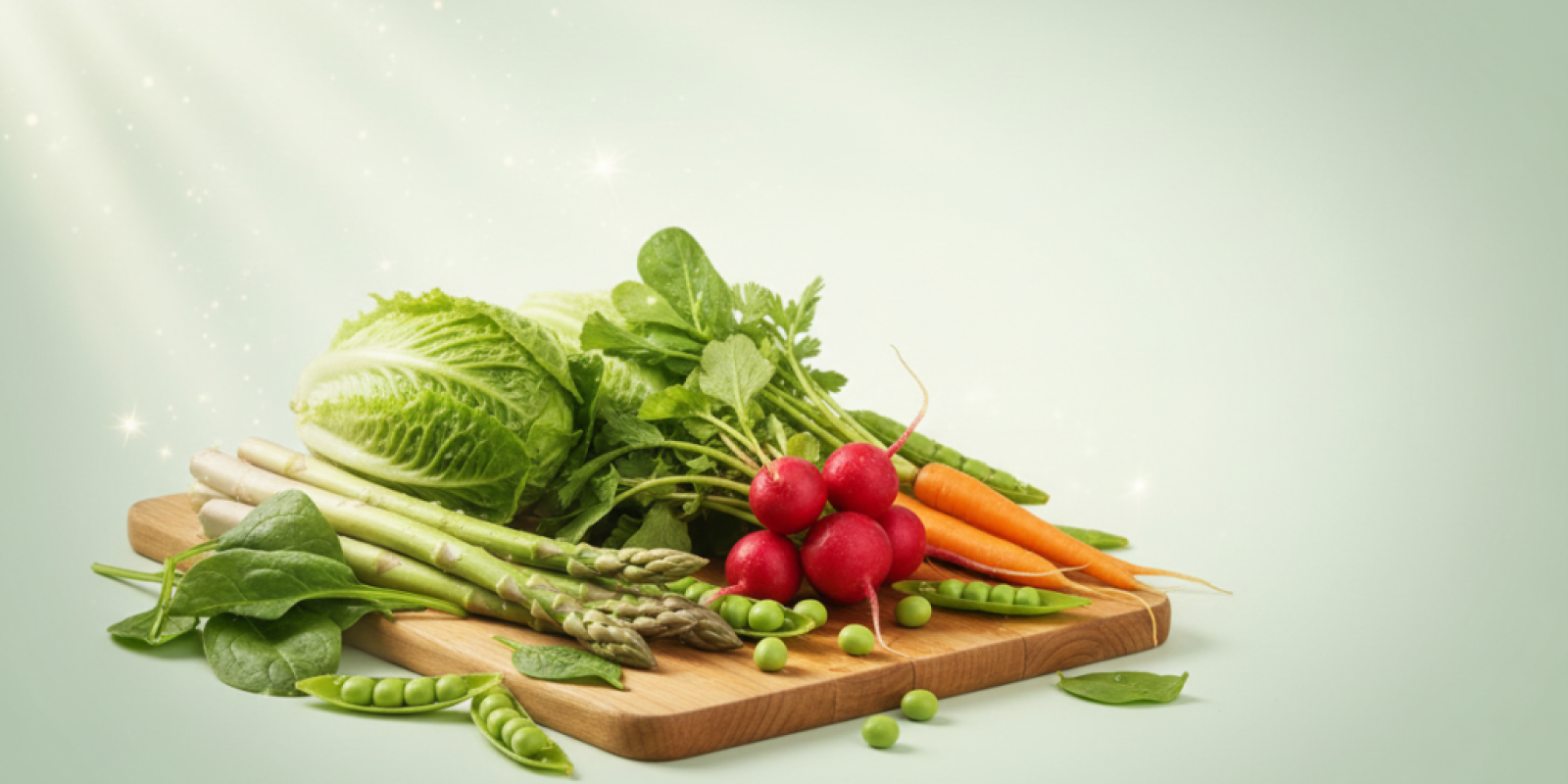
Spring Vegetables That Naturally Detox and Energize Your Body
Table of Contents
1. Introduction: Why Spring Vegetables Are Nature’s Reset Button
2. The Science Behind Natural Detoxification
3. Top 8 Spring Vegetables for Detox and Energy
4. How to Incorporate These Powerhouse Vegetables Into Your Diet
5. Simple Spring Detox Recipes to Try Today
6. Maximizing the Benefits: Tips for Optimal Nutrition
7. Conclusion: Embrace Spring’s Natural Healing Power
8. Frequently Asked Questions
Introduction: Why Spring Vegetables Are Nature’s Reset Button
After months of hearty winter comfort foods and reduced activity, your body is probably craving something fresh, light, and revitalizing. Spring vegetables arrive like nature’s own pharmacy, packed with compounds that support your liver’s natural detoxification processes while providing the energy boost you need to shake off winter’s sluggishness.
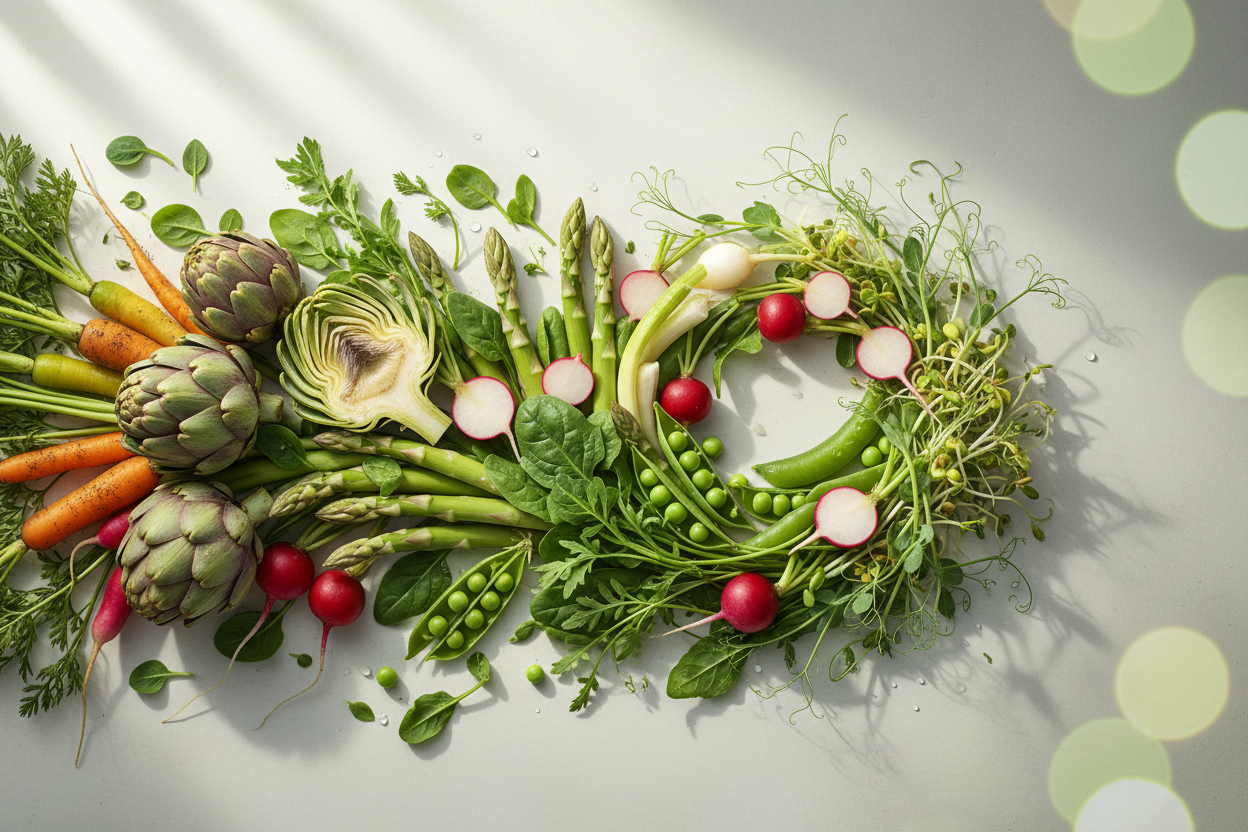
I’ve always found it fascinating how seasonal eating aligns perfectly with our body’s needs. Just as we emerge from winter feeling heavy and sluggish, the earth offers us crisp, bitter greens and vibrant vegetables that naturally cleanse and energize. It’s as if Mother Nature has designed the perfect seasonal menu for optimal health.
Spring vegetables aren’t just about following food trends or jumping on the latest detox bandwagon. These nutrient-dense powerhouses contain specific compounds that support your liver, kidneys, and digestive system while providing essential vitamins and minerals that boost energy levels naturally. Unlike harsh detox programs or expensive supplements, incorporating spring vegetables into your diet offers a gentle, sustainable approach to cleansing and revitalization.
The Science Behind Natural Detoxification
Before diving into specific vegetables, let’s understand what natural detoxification actually means. Your body has sophisticated systems already in place for removing toxins, primarily through your liver, kidneys, lungs, and skin. Spring vegetables support these natural processes by providing specific nutrients and compounds that enhance their function.

Many spring vegetables contain sulfur compounds, particularly glucosinolates, which support phase II liver detoxification. This process helps neutralize potentially harmful substances and prepare them for elimination. Additionally, these vegetables are rich in antioxidants like vitamin C, beta-carotene, and various phytonutrients that protect cells from oxidative stress.
The bitter compounds found in many spring greens also stimulate digestive juices and bile production, supporting healthy digestion and nutrient absorption. This enhanced digestive function means your body can more effectively extract energy from the foods you eat, naturally boosting your vitality.
Top 8 Spring Vegetables for Detox and Energy
Asparagus: The Natural Diuretic
Asparagus stands out as one of spring’s most potent detoxifiers. Rich in glutathione, often called the body’s master antioxidant, asparagus supports liver detoxification pathways while providing natural diuretic properties that help flush excess water and waste from your system.
This elegant vegetable also contains high levels of folate, essential for DNA repair and energy production at the cellular level. The amino acid asparagine gives asparagus its distinctive smell when eliminated through urine, which is actually a sign that your kidneys are efficiently processing this beneficial compound.
Dandelion Greens: The Liver’s Best Friend
While many people consider dandelions weeds, these bitter greens are nutritional goldmines. Dandelion greens contain potent compounds that stimulate bile production, supporting fat digestion and liver detoxification. They’re also incredibly rich in vitamins A, C, and K, plus iron and potassium.
The bitter taste that makes some people wrinkle their nose is actually what makes dandelion greens so effective. These bitter compounds trigger digestive processes and help regulate blood sugar levels, providing steady energy throughout the day rather than the spikes and crashes associated with processed foods.
Artichokes: Nature’s Liver Tonic
Artichokes contain cynarin and silymarin, compounds specifically known for their liver-protective and regenerative properties. These substances increase bile production and flow, which is crucial for breaking down fats and eliminating toxins. Regular consumption of artichokes has been shown to support healthy cholesterol levels and improve digestive function.
Beyond their detoxifying properties, artichokes are excellent sources of fiber, which feeds beneficial gut bacteria and supports the elimination of waste through the digestive tract. This fiber also helps stabilize blood sugar levels, providing sustained energy.
Spinach: The Iron-Rich Energy Booster
Fresh spring spinach offers a completely different experience from its frozen counterpart. Young, tender spinach leaves are packed with easily absorbable iron, essential for oxygen transport and energy production. The vitamin C in spinach enhances iron absorption, making it particularly effective at combating fatigue.
Spinach also contains nitrates, which convert to nitric oxide in the body, supporting healthy blood flow and cardiovascular function. This improved circulation means better oxygen and nutrient delivery to your cells, naturally boosting energy levels.
Radishes: The Peppery Purifiers
Don’t underestimate these small, peppery roots. Radishes contain compounds called isothiocyanates, which support liver detoxification and have natural antimicrobial properties. They also stimulate digestive juices and bile production, supporting overall digestive health.
The high water content in radishes provides natural hydration while their fiber content supports healthy elimination. The peppery compounds that give radishes their bite also help clear respiratory passages and support circulation.
Watercress: The Nutrient-Dense Superfood
Gram for gram, watercress is one of the most nutrient-dense foods on the planet. This peppery green contains high levels of vitamins A, C, and K, plus significant amounts of calcium and iron. The glucosinolates in watercress support phase II liver detoxification while providing natural antimicrobial benefits.
Watercress also contains compounds that support healthy thyroid function, which is crucial for maintaining steady energy levels and efficient metabolism. Its high chlorophyll content supports the body’s natural cleansing processes.
Peas: The Protein-Packed Energy Source
Fresh spring peas offer more than just sweetness and crunch. They’re excellent sources of plant-based protein, providing amino acids necessary for neurotransmitter production and energy metabolism. Peas also contain B vitamins, particularly thiamine and folate, which are essential for converting food into energy.
The fiber in peas supports healthy digestion and helps regulate blood sugar levels, preventing energy crashes. Their natural sweetness satisfies cravings while providing sustained energy rather than quick sugar spikes.
Fennel: The Digestive Soother
Fennel bulbs offer a unique combination of detoxifying and energizing properties. The volatile oils in fennel, particularly anethole, support healthy digestion and have natural anti-inflammatory properties. Fennel also acts as a natural diuretic, supporting kidney function and fluid balance.
This crisp, slightly sweet vegetable is rich in vitamin C and potassium while being naturally low in calories. Its fiber content supports healthy gut bacteria, which play crucial roles in both detoxification and energy production.
How to Incorporate These Powerhouse Vegetables Into Your Diet
The key to benefiting from spring vegetables is consistency rather than intensity. You don’t need to consume massive quantities or follow restrictive protocols. Instead, focus on incorporating small amounts of these vegetables into your daily meals.
Start your day with a green smoothie containing spinach or watercress, or add fresh peas to your morning omelet. For lunch, try a salad featuring dandelion greens, radishes, and fennel with a simple lemon vinaigrette. Dinner might include roasted asparagus or steamed artichokes as side dishes.
If you’re new to bitter greens like dandelion, start by mixing small amounts with milder greens like spinach or lettuce. Gradually increase the proportion of bitter greens as your taste buds adapt. Remember, those bitter compounds are exactly what provide the detoxifying benefits.
Simple Spring Detox Recipes to Try Today
Creating delicious meals with spring vegetables doesn’t require complicated recipes or exotic ingredients. A simple asparagus and pea soup can be made by sautéing these vegetables with onions, adding vegetable broth, and blending until smooth. Season with fresh herbs and a squeeze of lemon for brightness.
For a refreshing salad, combine shaved fennel, watercress, and radishes with a dressing made from olive oil, lemon juice, and Dijon mustard. This combination provides a perfect balance of bitter, peppery, and sweet flavors while delivering powerful detoxifying compounds.
Try roasting artichokes with garlic and herbs, or create a simple spinach and dandelion green sauté with olive oil and red pepper flakes. These preparations preserve the vegetables’ beneficial compounds while making them more palatable for those unaccustomed to bitter flavors.
Maximizing the Benefits: Tips for Optimal Nutrition
To get the most from your spring vegetables, focus on freshness and proper preparation. Buy from local farmers’ markets when possible, as vegetables lose nutrients quickly after harvesting. Store leafy greens properly in the refrigerator and use them within a few days of purchase.
Avoid overcooking spring vegetables, as heat can destroy delicate vitamins and phytonutrients. Light steaming, quick sautéing, or eating them raw preserves maximum nutritional value. When cooking, add a small amount of healthy fat like olive oil to enhance the absorption of fat-soluble vitamins.
Pair these vegetables with foods rich in vitamin C to enhance iron absorption, or combine them with healthy fats to maximize the uptake of fat-soluble vitamins. The key is variety and balance rather than focusing on any single vegetable or nutrient.
Conclusion: Embrace Spring’s Natural Healing Power
Spring vegetables offer a gentle, effective way to support your body’s natural detoxification processes while boosting energy levels naturally. Unlike harsh cleanses or restrictive diets, incorporating these nutrient-dense foods into your regular meals provides sustainable benefits that support long-term health.
The beauty of seasonal eating lies in its simplicity and accessibility. These vegetables are appearing in markets and gardens right now, at the peak of their nutritional value and natural flavor. By choosing to eat with the seasons, you’re not only supporting your health but also connecting with natural rhythms that have sustained human health for millennia.
Remember, the goal isn’t perfection but progress. Start by adding one or two spring vegetables to your weekly shopping list and gradually expand from there. Your body will thank you for the gentle support these natural detoxifiers provide, and you’ll likely notice improvements in energy, digestion, and overall well-being within just a few weeks of consistent consumption.
Frequently Asked Questions
How quickly will I notice the detoxifying effects of spring vegetables?
Most people begin noticing improvements in energy and digestion within 1-2 weeks of regularly incorporating spring vegetables into their diet. However, the timeline varies depending on individual health status, overall diet, and lifestyle factors.
Can I eat too many spring vegetables?
While spring vegetables are generally safe and beneficial, eating extremely large quantities of certain vegetables like spinach or dandelion greens could potentially cause issues due to their high mineral content. Moderation and variety are key to a balanced approach.
Are frozen spring vegetables as effective as fresh ones?
Fresh vegetables typically contain higher levels of certain nutrients, particularly vitamin C and some phytonutrients. However, frozen vegetables can still provide significant benefits and are better than no vegetables at all. Choose frozen options without added sauces or preservatives.
Should I avoid spring vegetables if I’m taking medication?
Some vegetables, particularly those high in vitamin K like spinach and watercress, can interact with blood-thinning medications. If you’re taking any medications, consult with your healthcare provider before significantly increasing your intake of these vegetables.
How should I prepare spring vegetables to maximize their detox benefits?
Light cooking methods like steaming, quick sautéing, or eating raw preserve the most beneficial compounds. Avoid boiling vegetables for extended periods, as this can leach water-soluble vitamins and reduce the concentration of beneficial phytonutrients.