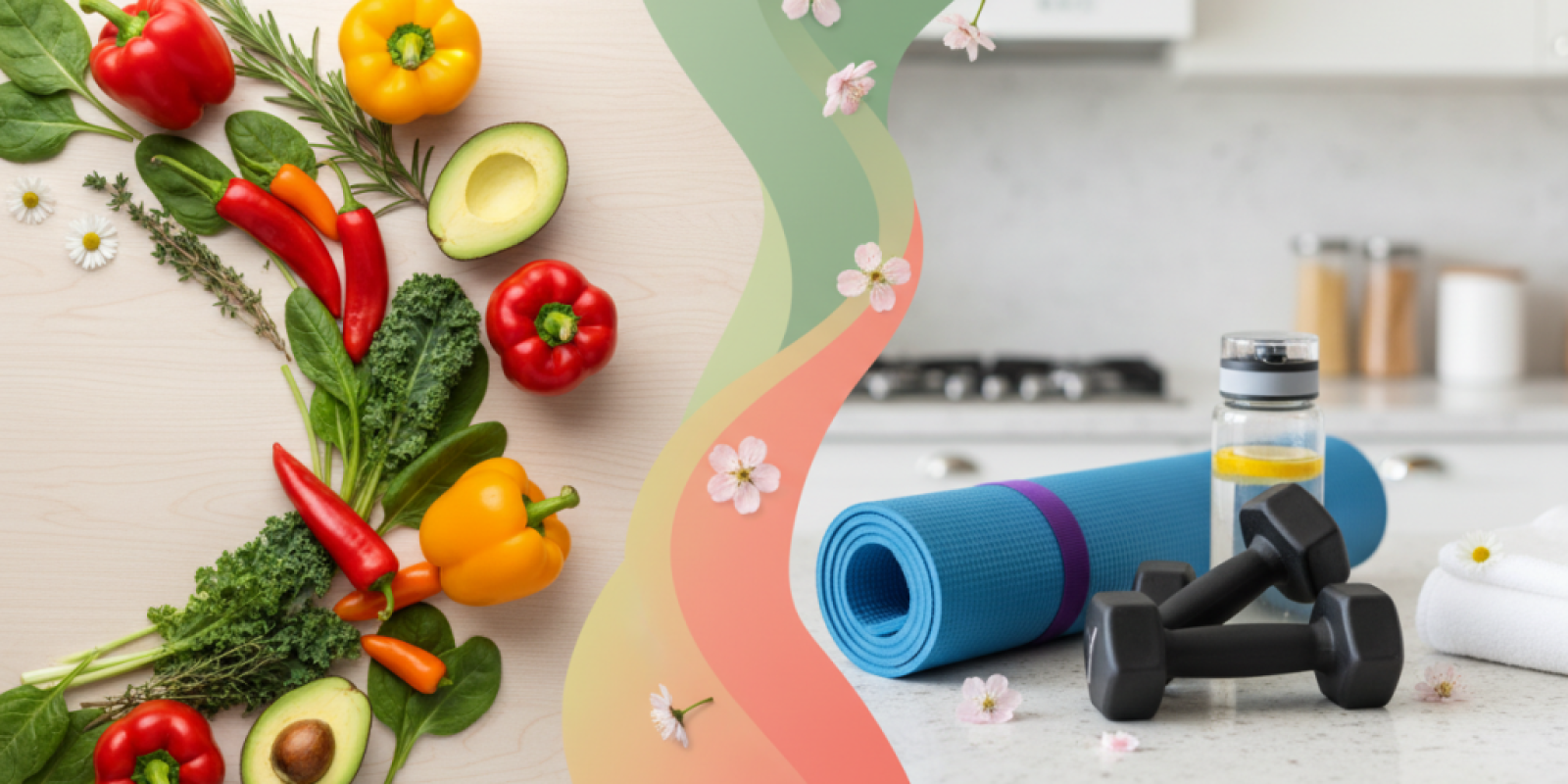
The Ultimate Spring Cleaning Diet for Women’s Fitness: Refresh Your Body and Mind
Table of Contents
1. Introduction: Why Spring is Perfect for a Fitness Reset
2. Understanding the Spring Cleaning Diet Concept
3. Essential Nutrients for Women’s Spring Fitness Goals
4. Foods to Embrace During Your Spring Detox
5. What to Eliminate from Your Spring Diet
6. Sample 7-Day Spring Cleaning Meal Plan
7. Combining Diet with Spring Fitness Activities
8. Hydration and Supplementation Tips
9. Maintaining Long-Term Success
10. Frequently Asked Questions
Introduction: Why Spring is Perfect for a Fitness Reset
There’s something magical about spring that makes us want to throw open the windows, clear out the clutter, and start fresh. Just as we deep-clean our homes, our bodies deserve the same attention after months of winter comfort foods and reduced activity levels. The spring cleaning diet for women’s fitness isn’t just another fad – it’s a thoughtful approach to resetting your metabolism, boosting energy levels, and preparing your body for the active months ahead.
As a woman who’s navigated countless seasonal transitions, I’ve learned that spring offers the perfect opportunity to realign our eating habits with our fitness goals. The abundance of fresh produce, longer daylight hours, and natural motivation that comes with warmer weather creates an ideal environment for transformation. This comprehensive guide will walk you through everything you need to know about implementing a spring cleaning diet that supports your unique nutritional needs as a woman while enhancing your fitness journey.
Understanding the Spring Cleaning Diet Concept
The spring cleaning diet goes beyond simple weight loss – it’s about creating a sustainable eating pattern that supports women’s hormonal health, energy levels, and fitness performance. Unlike restrictive crash diets, this approach focuses on nourishing your body with nutrient-dense foods while gently eliminating toxins and inflammatory substances that may have accumulated during the winter months.
Women’s bodies have unique nutritional requirements, especially when it comes to supporting hormonal balance, bone health, and reproductive function. The spring cleaning diet takes these factors into account, emphasizing foods rich in iron, calcium, folate, and other essential nutrients that women often lack in their diets.

This dietary approach typically spans 4-6 weeks, allowing your body time to adjust and establish new habits without the shock of extreme restrictions. The gradual nature of this cleanse makes it more sustainable and less likely to trigger the metabolic slowdown that often accompanies rapid weight loss attempts.
Essential Nutrients for Women’s Spring Fitness Goals
When embarking on a spring cleaning diet, it’s crucial to prioritize nutrients that specifically support women’s health and fitness objectives. Iron plays a vital role, as women lose iron through menstruation and need adequate levels to maintain energy and support oxygen transport during workouts. Include lean red meat, spinach, lentils, and pumpkin seeds in your meal planning.
Calcium and vitamin D work together to support bone health, which becomes increasingly important as we age. Greek yogurt, leafy greens, and fortified plant-based milks can help meet these needs. Don’t overlook the importance of omega-3 fatty acids, which support heart health and can help reduce exercise-induced inflammation. Salmon, walnuts, and flaxseeds are excellent sources.
B vitamins, particularly B12 and folate, support energy metabolism and are essential for women of childbearing age. Whole grains, eggs, and leafy vegetables provide these nutrients naturally. Finally, adequate protein intake – approximately 0.8-1.2 grams per kilogram of body weight for active women – supports muscle maintenance and recovery from exercise.
Foods to Embrace During Your Spring Detox
Spring brings an abundance of fresh, detoxifying foods that naturally support your body’s cleansing processes. Asparagus acts as a natural diuretic, helping to reduce bloating and support kidney function. Its high fiber content also promotes healthy digestion, which is essential during any cleansing period.
Leafy greens like arugula, spinach, and dandelion greens are powerhouses of nutrients and natural detoxifiers. They’re rich in chlorophyll, which helps cleanse the blood, and provide essential vitamins and minerals with minimal calories. Incorporate these into smoothies, salads, and cooked dishes throughout your day.
Citrus fruits deserve special attention during spring cleaning. Lemons and grapefruits support liver function, while their vitamin C content boosts immune system function and aids in collagen production. Start your day with warm lemon water to kickstart your metabolism and support hydration.
Cruciferous vegetables such as broccoli, cauliflower, and Brussels sprouts contain compounds that support the liver’s detoxification pathways. These vegetables are also high in fiber, helping to eliminate waste products from the body efficiently. Steam them lightly to preserve their nutritional value while making them easier to digest.
What to Eliminate from Your Spring Diet
While focusing on what to add to your diet is important, knowing what to temporarily eliminate can accelerate your spring cleaning results. Processed foods high in sodium, preservatives, and artificial additives should be the first to go. These foods can contribute to inflammation and water retention, counteracting your fitness efforts.
Refined sugars and high-glycemic carbohydrates can cause energy spikes and crashes that interfere with consistent workout performance. This doesn’t mean eliminating all carbohydrates – instead, choose complex carbs like quinoa, sweet potatoes, and oats that provide sustained energy.
Excessive caffeine and alcohol can disrupt sleep patterns and hydration levels, both crucial for recovery and performance. If you’re a regular coffee drinker, gradually reduce your intake rather than stopping abruptly to avoid withdrawal symptoms. Replace alcoholic beverages with herbal teas or sparkling water with fresh fruit.
Dairy products, while not inherently unhealthy, can cause bloating and digestive issues in some women. Consider temporarily reducing dairy intake and observing how your body responds. If you notice improved digestion and reduced bloating, you might choose to limit dairy long-term or explore lactose-free alternatives.
Sample 7-Day Spring Cleaning Meal Plan
Day 1 begins with a green smoothie containing spinach, banana, almond milk, and chia seeds, providing fiber, protein, and healthy fats to start your day. For lunch, enjoy a quinoa bowl with roasted vegetables and grilled chicken, offering complete proteins and complex carbohydrates. Dinner features baked salmon with steamed asparagus and sweet potato, delivering omega-3s and essential vitamins.
Day 2 starts with overnight oats topped with berries and ground flaxseed, supporting digestive health and providing antioxidants. A large salad with mixed greens, chickpeas, and avocado makes a satisfying lunch, while dinner consists of vegetable stir-fry with tofu over brown rice, ensuring adequate plant-based protein.
Continue this pattern throughout the week, varying proteins between fish, lean poultry, legumes, and plant-based options. Include a variety of colorful vegetables to ensure a wide range of nutrients, and don’t forget healthy snacks like raw almonds, apple slices with almond butter, or vegetable sticks with hummus.
Meal timing also matters during your spring cleaning diet. Aim to eat every 3-4 hours to maintain stable blood sugar levels and support consistent energy for workouts. Stop eating at least 2-3 hours before bedtime to allow for proper digestion and better sleep quality.
Combining Diet with Spring Fitness Activities
The spring cleaning diet works best when paired with appropriate physical activity that takes advantage of the season’s opportunities. Outdoor activities like hiking, cycling, and running become more appealing as temperatures warm up, and these exercises complement your dietary changes by boosting metabolism and mood.
Strength training remains crucial for women, especially during a cleansing period when you want to maintain muscle mass while potentially losing fat. Focus on compound movements like squats, deadlifts, and push-ups that work multiple muscle groups efficiently. Aim for 2-3 strength training sessions per week.
Yoga and Pilates complement the spring cleaning diet beautifully, as these practices emphasize mindful movement and can aid in digestion and stress reduction. The mindfulness aspect of these activities also supports mindful eating, helping you tune into hunger and satiety cues more effectively.
Don’t underestimate the power of walking, especially in nature. Spring walks not only burn calories but also provide vitamin D from sun exposure and can improve mental health. Aim for at least 30 minutes of moderate activity most days of the week, adjusting intensity based on your energy levels during the dietary transition.
Hydration and Supplementation Tips
Proper hydration becomes even more critical during a spring cleaning diet, as your body works to eliminate toxins and adjust to new eating patterns. Aim for at least 8-10 glasses of water daily, increasing this amount if you’re active or live in a warm climate. Water helps transport nutrients, regulate body temperature, and support the elimination of waste products.
Herbal teas can contribute to your fluid intake while providing additional benefits. Dandelion tea supports liver function, green tea provides antioxidants and a gentle caffeine boost, and peppermint tea aids digestion. Avoid teas late in the day if they contain caffeine, as this can interfere with sleep quality.
While a well-planned spring cleaning diet should provide most necessary nutrients, certain supplements might be beneficial for women. A high-quality multivitamin can fill any nutritional gaps, while omega-3 supplements support heart and brain health if you don’t consume fish regularly. Probiotics can help maintain digestive health during dietary changes.
Consider adding a greens powder to smoothies or water if you struggle to consume enough vegetables daily. These supplements shouldn’t replace whole foods but can provide additional nutrients and phytocompounds that support detoxification processes.
Maintaining Long-Term Success
The true measure of a successful spring cleaning diet isn’t just how you feel during the 4-6 week period, but how well you maintain positive changes afterward. Gradually reintroduce eliminated foods one at a time, paying attention to how your body responds. This process helps identify foods that may not serve your health and fitness goals.
Establish sustainable habits that you can maintain year-round, such as starting each day with lemon water, including vegetables in every meal, and choosing whole foods over processed options most of the time. Remember that perfection isn’t the goal – consistency is.
Keep a food and mood journal during and after your spring cleaning diet to identify patterns and triggers. Note how different foods affect your energy levels, workout performance, and overall well-being. This information becomes invaluable for making informed dietary choices in the future.
Plan for challenges and setbacks, because they’re inevitable. Develop strategies for handling social situations, travel, and stressful periods without completely abandoning your healthy habits. Having a plan makes it easier to get back on track quickly when life gets in the way.
Conclusion
The ultimate spring cleaning diet for women’s fitness is more than a temporary eating plan – it’s an opportunity to reset your relationship with food and establish habits that support your health and fitness goals throughout the year. By focusing on nutrient-dense foods that support women’s unique physiological needs while eliminating inflammatory substances, you create an environment where your body can thrive.
Remember that every woman’s body is different, and what works for others may need to be modified for your individual needs, preferences, and lifestyle. Listen to your body throughout the process, and don’t hesitate to adjust the plan as needed. The goal is to feel energized, strong, and confident in your body – not to achieve perfection or meet someone else’s standards.
As you embark on this spring cleaning journey, be patient with yourself and celebrate small victories along the way. The habits you build during these focused weeks can transform not just how you look and feel, but how you approach nutrition and fitness for years to come. Spring is indeed the perfect time for renewal, and your body deserves the same attention and care you give to spring cleaning your home.
Frequently Asked Questions
How long should I follow the spring cleaning diet?
The spring cleaning diet is typically followed for 4-6 weeks. This duration allows your body to adjust to new eating patterns while establishing sustainable habits without the stress of extreme long-term restrictions.
Can I exercise intensely while on this diet?
Yes, but listen to your body. During the first week, you might experience lower energy as your body adjusts. Moderate your workout intensity initially and gradually increase as you feel more energized. The diet provides adequate nutrients to support regular exercise.
Will I lose weight on the spring cleaning diet?
Many women experience weight loss as a side effect of eating nutrient-dense, whole foods and eliminating processed foods. However, the primary goal is improved health and energy, not rapid weight loss. Sustainable weight management often follows naturally.
What if I have food allergies or dietary restrictions?
The spring cleaning diet can be adapted for most dietary needs. Focus on whole, unprocessed foods within your dietary restrictions. Consult with a registered dietitian if you have multiple allergies or medical conditions that affect your nutritional needs.
Can I drink coffee during the spring cleaning diet?
Moderate coffee consumption (1-2 cups daily) is generally acceptable, but avoid adding sugar or artificial creamers. If you typically drink more than this, gradually reduce your intake to prevent withdrawal symptoms. Consider switching to green tea for additional antioxidants.
How do I handle social situations and dining out?
Plan ahead by reviewing menus online and choosing restaurants with healthy options. Focus on grilled proteins, vegetables, and salads. Don’t stress about being perfect – one meal won’t derail your progress. Return to your spring cleaning plan at the next meal.