The Complete Guide to Women’s Strength Training Nutrition
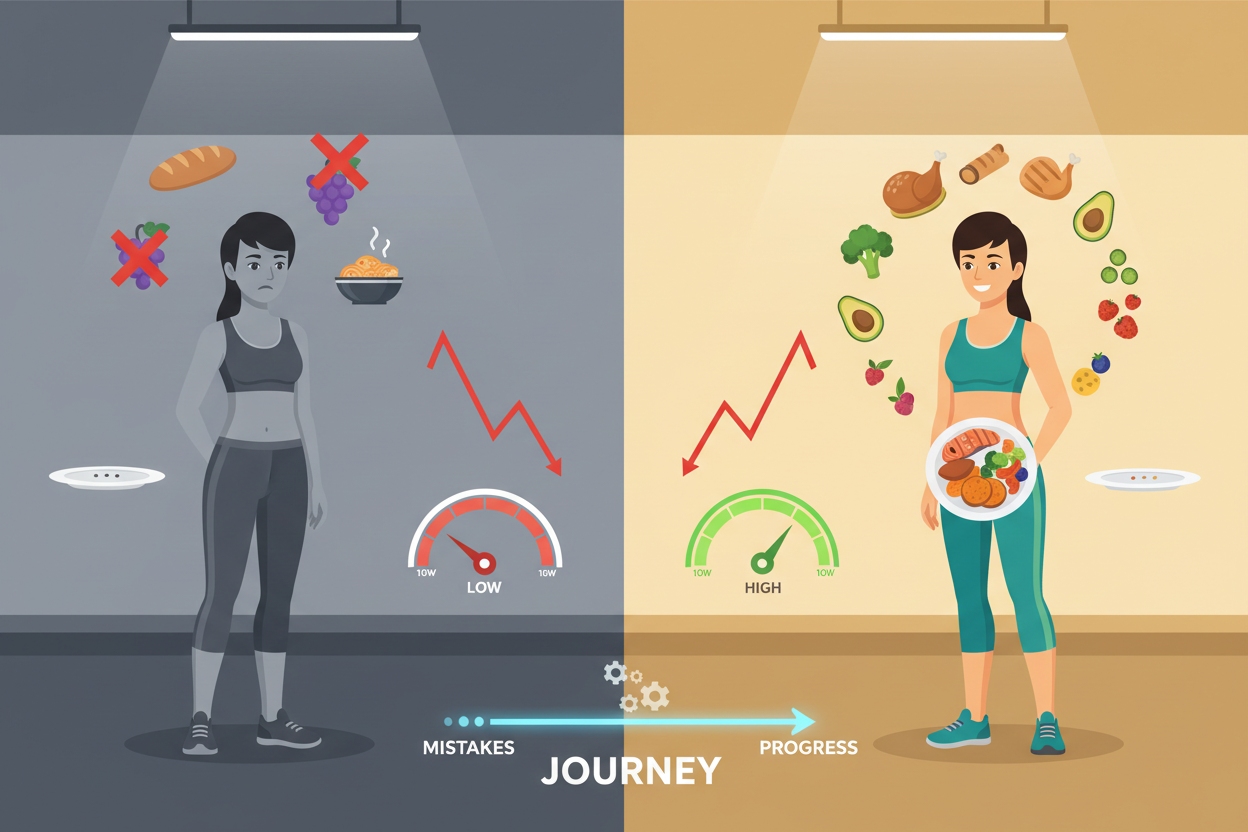
When Sarah first started lifting weights three years ago, she made every nutrition mistake in the book. She drastically cut calories, avoided carbs like the plague, and wondered why her strength gains stalled after just a few weeks. Sound familiar? You’re not alone. Many women struggle with the nutrition side of strength training, often because the fitness industry has fed us conflicting information for decades.
Here’s the truth: proper nutrition isn’t just important for strength training success—it’s absolutely essential. Without the right fuel, your body simply can’t build muscle, recover effectively, or perform at its best. This comprehensive guide will walk you through everything you need to know about fueling your strength training journey, from macronutrient basics to meal timing strategies that actually work.

Table of Contents
1. Understanding Women’s Unique Nutritional Needs
2. Macronutrients: The Building Blocks of Strength
3. Caloric Requirements for Strength Training
4. Pre-Workout Nutrition Strategies
5. Post-Workout Recovery Nutrition
6. Hydration and Electrolyte Balance
7. Supplements Worth Considering
8. Common Nutrition Mistakes to Avoid
9. Sample Meal Plans and Timing
10. Frequently Asked Questions
Understanding Women’s Unique Nutritional Needs
Women’s bodies operate differently than men’s, especially when it comes to strength training and muscle building. We typically have lower testosterone levels, which means muscle protein synthesis happens more slowly. We also experience hormonal fluctuations throughout our menstrual cycles that can affect everything from energy levels to nutrient absorption.
During the follicular phase (first half of your cycle), your body tends to use carbohydrates more efficiently for fuel. This is when you might feel strongest in the gym and recover fastest between sessions. During the luteal phase (second half), your body shifts toward using more fats for energy, and you may need slightly more calories overall.
These natural variations don’t mean you need to completely overhaul your nutrition every two weeks, but being aware of them can help you understand why some days feel harder than others. The key is maintaining consistency in your overall approach while allowing for small adjustments based on how you feel.
Macronutrients: The Building Blocks of Strength
Let’s break down the three macronutrients and their specific roles in supporting your strength training goals.
Protein: Your Muscle-Building Foundation
Protein is arguably the most critical macronutrient for anyone serious about strength training. It provides the amino acids your body needs to repair and build muscle tissue after workouts. For women engaged in regular strength training, aim for 0.8 to 1.2 grams of protein per pound of body weight daily.
This might seem like a lot if you’re used to typical dietary recommendations, but remember—you’re asking your body to do more than the average person. Quality matters just as much as quantity. Focus on complete proteins that contain all essential amino acids: lean meats, fish, eggs, dairy, and plant-based options like quinoa and hemp seeds.
Carbohydrates: Your Energy Powerhouse
Despite what diet culture might tell you, carbohydrates are not the enemy of women who strength train. They’re actually your best friend. Carbs provide the quick energy your muscles need for those heavy squats and deadlifts. They also help replenish glycogen stores after workouts, supporting recovery.
Aim for 2 to 3 grams of carbohydrates per pound of body weight on training days. Choose complex carbohydrates most of the time—oats, sweet potatoes, brown rice, and fruits. These provide sustained energy and valuable micronutrients.
Fats: The Hormone Supporters
Healthy fats play a crucial role in hormone production, including testosterone (yes, women need it too for muscle building). They also help with the absorption of fat-soluble vitamins and provide steady energy for longer workouts. Include 0.3 to 0.5 grams of fat per pound of body weight daily from sources like avocados, nuts, olive oil, and fatty fish.
Caloric Requirements for Strength Training
One of the biggest mistakes women make is eating too little while trying to build strength. Your body needs adequate calories to fuel workouts, recover properly, and build muscle tissue. Chronic under-eating leads to fatigue, poor performance, and increased injury risk.
Start by calculating your baseline metabolic rate, then add calories for your activity level. A woman who strength trains 3-4 times per week typically needs her body weight multiplied by 14-16 for maintenance calories. If you’re trying to build muscle, you might need a slight surplus of 200-300 calories above maintenance.
Remember, the scale might not always reflect your progress when you’re building muscle and losing fat simultaneously. Focus on how you feel, how your clothes fit, and your performance in the gym rather than just the number on the scale.
Pre-Workout Nutrition Strategies
What you eat before training can significantly impact your performance and how you feel during your workout. The timing and composition of your pre-workout meal or snack depends on when you train and your individual tolerance.
If you work out first thing in the morning, you might train fasted or have something light like a banana with a small amount of nut butter. For afternoon or evening sessions, aim to eat a balanced meal 2-3 hours beforehand, or a smaller snack 30-60 minutes prior.
Your pre-workout nutrition should emphasize easily digestible carbohydrates for quick energy, moderate protein to support muscle protein synthesis, and minimal fat and fiber to avoid digestive discomfort. A turkey and banana wrap, Greek yogurt with berries, or oatmeal with protein powder are all excellent options.
Post-Workout Recovery Nutrition
The post-workout window isn’t as narrow as once believed, but getting quality nutrition within 2 hours of training is still important for optimal recovery. Your muscles are primed to absorb nutrients, and this is when protein synthesis rates are elevated.
Aim for 20-30 grams of high-quality protein paired with 30-50 grams of carbohydrates after your workout. This combination helps repair muscle tissue and replenish glycogen stores. A protein smoothie with fruit, chocolate milk, or a turkey sandwich are all practical options.
Don’t stress if you can’t eat immediately after training. Your body continues the recovery process for hours after your workout, so focus on getting quality nutrition throughout the day rather than obsessing over precise timing.
Hydration and Electrolyte Balance
Proper hydration affects every aspect of your training, from strength and endurance to recovery and injury prevention. Even mild dehydration can reduce your performance by 10-15%. As a general rule, aim for half your body weight in ounces of water daily, plus extra for sweat losses during training.
Pay attention to your urine color—it should be pale yellow. If it’s dark, you need more fluids. If it’s completely clear, you might be over-hydrating and diluting important electrolytes.
Speaking of electrolytes, sodium, potassium, and magnesium become especially important when you’re sweating regularly. Most people get enough sodium from food, but consider adding a pinch of sea salt to your water or choosing foods rich in potassium and magnesium like bananas, spinach, and nuts.
Supplements Worth Considering
While whole foods should always be your foundation, certain supplements can support your strength training goals when used strategically.
Creatine monohydrate is one of the most researched and effective supplements for strength and power. Take 3-5 grams daily, regardless of timing. It’s completely safe for women and won’t cause unwanted bulk.
Whey or plant-based protein powder can help you meet your daily protein needs, especially on busy days or immediately post-workout when whole foods aren’t convenient.
Vitamin D supports bone health, immune function, and muscle strength. Many people, especially those in northern climates, are deficient.
Omega-3 fatty acids help reduce inflammation and support recovery. If you don’t eat fish regularly, consider a high-quality fish oil or algae-based supplement.
Common Nutrition Mistakes to Avoid
Learning what not to do is just as important as knowing what to do. Here are the most common nutrition mistakes that can sabotage your strength training progress:
Severely restricting calories while trying to build muscle is like trying to build a house without enough materials. Your body needs adequate energy to support muscle protein synthesis and recovery.
Avoiding carbohydrates entirely will leave you feeling weak and sluggish during workouts. Carbs are your muscles’ preferred fuel source for high-intensity training.
Neglecting protein timing and distribution throughout the day can limit muscle protein synthesis. Try to include protein at every meal and snack.
Obsessing over “clean” eating to the point where it interferes with your social life or mental health isn’t sustainable. The 80/20 rule works well—eat nutritiously 80% of the time and allow flexibility for the other 20%.
Sample Meal Plans and Timing
Here’s what a day of eating might look like for a 140-pound woman who strength trains in the evening:
Breakfast (7 AM): Three-egg omelet with spinach and cheese, one slice whole grain toast, half an avocado. This provides sustained energy and quality protein to start the day.
Mid-morning snack (10 AM): Greek yogurt with berries and a small handful of almonds. Perfect for maintaining steady blood sugar and adding extra protein.
Lunch (1 PM): Grilled chicken salad with mixed greens, quinoa, chickpeas, and olive oil dressing. This combination offers complete proteins and complex carbohydrates.
Pre-workout snack (4 PM): Banana with almond butter. Easy to digest carbs with a small amount of protein and fat.
Post-workout (7 PM): Protein smoothie with whey protein, frozen berries, and spinach. Quick and convenient recovery nutrition.
Dinner (8 PM): Baked salmon with roasted sweet potatoes and steamed broccoli. Omega-3 fatty acids, complex carbs, and micronutrients for recovery.
Frequently Asked Questions
Do I need to eat differently on rest days?
Your caloric needs might be slightly lower on rest days, but your body is still recovering and rebuilding muscle tissue. Keep protein intake consistent and reduce carbohydrates slightly if desired, but don’t drastically change your eating patterns.
Will eating more protein make me bulky?
No, protein alone cannot make you bulky. Women have significantly lower testosterone levels than men, making it much harder to build large amounts of muscle mass. Adequate protein supports lean muscle development and a toned appearance.
Should I avoid eating before morning workouts?
This depends on your individual tolerance and workout intensity. Some women perform well fasted, while others need fuel. If you choose to eat beforehand, keep it light and easily digestible—a banana or small amount of oatmeal works well.
How much water should I drink during workouts?
Aim for 6-8 ounces every 15-20 minutes during longer workouts. For sessions under an hour, sipping water as needed is usually sufficient. Listen to your thirst cues and monitor your sweat rate.
Can I build muscle while losing fat?
Yes, especially if you’re new to strength training or returning after a break. This process, called body recomposition, requires adequate protein intake, consistent training, and a modest caloric deficit. Progress may be slower than focusing on one goal at a time, but it’s definitely possible.
Do I need different nutrition during my menstrual cycle?
While your nutritional needs don’t change dramatically, you might notice variations in appetite, cravings, and energy levels. Honor these changes by eating slightly more during the luteal phase if needed, and don’t fight intense carbohydrate cravings—your body might actually need the extra fuel.
Mastering nutrition for strength training isn’t about perfection—it’s about consistency, listening to your body, and making sustainable choices that support your goals. Remember that Sarah from the beginning of this article? She eventually learned to fuel her body properly and saw incredible improvements in both her strength and overall health. Your journey might look different, but with the right nutritional foundation, you’ll be amazed at what your body can achieve.
Start with the basics: eat enough calories, prioritize protein, don’t fear carbohydrates, and stay hydrated. As you become more experienced, you can fine-tune your approach based on your individual response and preferences. Most importantly, be patient with yourself and trust the process. Your strongest self is waiting on the other side of proper nutrition.