
How to Create a Fitness-Focused Seasonal Meal Plan: Your Complete Guide to Year-Round Nutrition Success
Table of Contents
1. Understanding Seasonal Nutrition for Fitness Goals
2. Spring Meal Planning: Fresh Starts and Clean Energy
3. Summer Nutrition Strategy: Hydration and Light Performance Foods
4. Fall Meal Planning: Building Strength for Colder Months
5. Winter Fitness Nutrition: Maintaining Energy and Motivation
6. Essential Components of Every Seasonal Meal Plan
7. Practical Tips for Seasonal Meal Prep Success
8. Common Mistakes to Avoid When Planning Seasonal Fitness Meals
9. Frequently Asked Questions
Creating a fitness-focused meal plan that adapts to the changing seasons isn’t just about following trends – it’s about working with your body’s natural rhythms and the abundance of seasonal produce to optimize your performance year-round. After years of helping clients navigate their nutrition journeys, I’ve discovered that the most successful meal plans are those that embrace seasonal variety while maintaining consistent fitness goals.
When you align your nutrition with the seasons, you’re not only supporting your fitness objectives but also enjoying fresher, more affordable ingredients while keeping your meals exciting and varied. This approach prevents the dreaded meal plan burnout that causes so many people to abandon their healthy eating habits after just a few weeks.
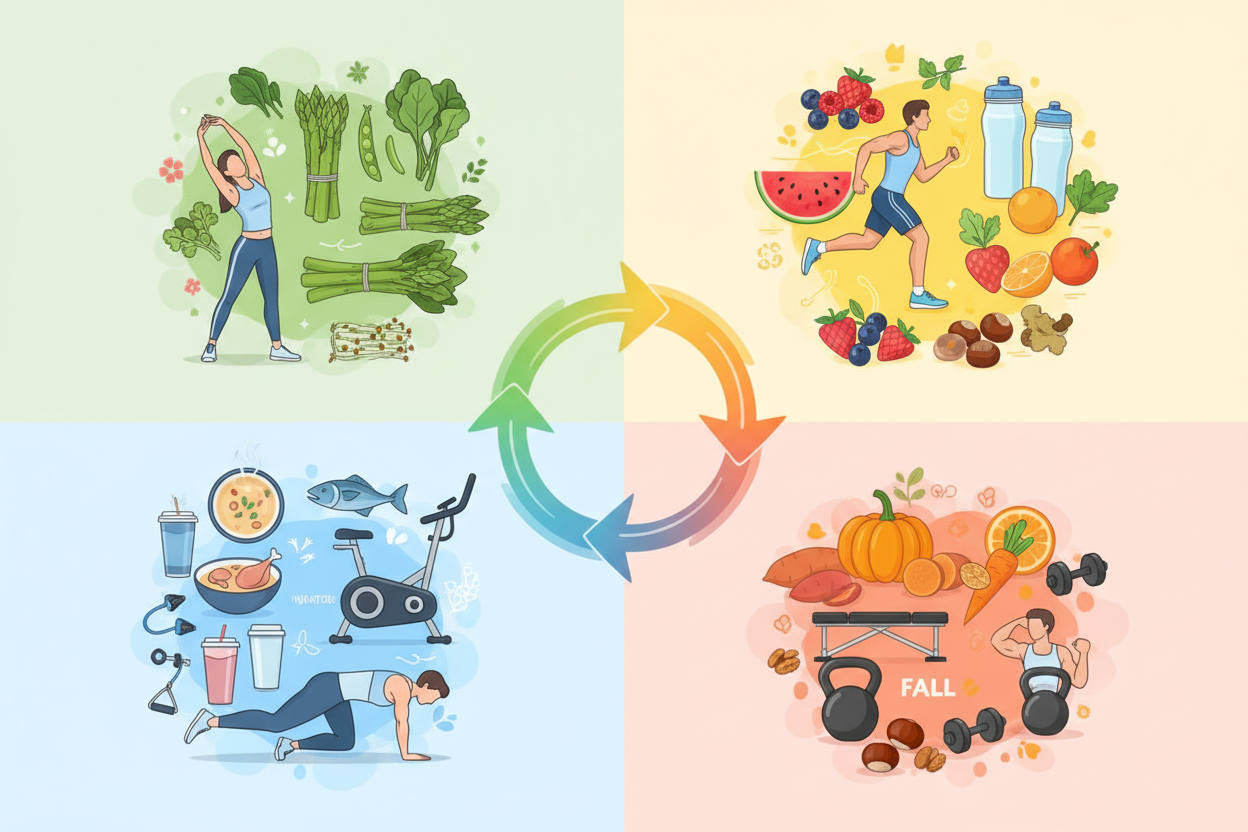
Understanding Seasonal Nutrition for Fitness Goals
Your body’s nutritional needs don’t remain static throughout the year, and neither should your meal plan. During warmer months, you naturally crave lighter, more hydrating foods, while colder seasons call for heartier, warming meals that provide sustained energy for indoor workouts and outdoor activities.

Seasonal eating for fitness means considering factors like your activity levels, which often change with daylight hours and weather conditions, your body’s natural energy fluctuations, and the availability of fresh, nutrient-dense foods. This approach ensures you’re getting optimal nutrition while supporting your fitness goals regardless of the season.
The key is understanding that seasonal meal planning isn’t about completely overhauling your diet every three months. Instead, it’s about making strategic adjustments to your core nutrition framework that enhance your performance and satisfaction with your meals.
Spring Meal Planning: Fresh Starts and Clean Energy
Spring represents renewal and fresh beginnings, making it the perfect time to reset your nutrition habits after the heavier foods of winter. This season’s meal planning should focus on detoxifying ingredients and lighter proteins that support increased outdoor activity as the weather warms.
Take advantage of spring’s bounty of leafy greens like arugula, spinach, and early lettuce varieties. These nutrient-dense vegetables provide essential vitamins and minerals while being naturally low in calories, perfect for those looking to lean out for summer activities. Asparagus, artichokes, and fresh herbs become abundant, offering natural diuretic properties that help reduce bloating and support digestive health.
Your spring fitness meal plan should emphasize lean proteins such as wild-caught salmon, which provides omega-3 fatty acids for recovery, and plant-based options like lentils and chickpeas. These proteins support muscle maintenance while being easier to digest than the heavier proteins you might have relied on during winter months.
Consider incorporating more raw foods into your spring meal plan. Fresh salads, smoothie bowls, and lightly steamed vegetables provide enzymes that support digestion and give you the clean energy needed for longer outdoor workouts as daylight hours increase.
Summer Nutrition Strategy: Hydration and Light Performance Foods
Summer meal planning revolves around two critical factors: staying properly hydrated and fueling high-intensity activities without feeling weighed down by heavy foods. The abundance of fresh fruits and vegetables during summer months makes this the easiest season to eat for both health and performance.
Hydrating foods become your best friends during summer months. Watermelon, cucumber, zucchini, and tomatoes all contain high water content while providing essential electrolytes. These foods help maintain proper hydration levels during intense summer workouts when you’re losing more fluids through sweat.
Your summer protein strategy should focus on lighter options that don’t require heavy cooking methods. Grilled fish, cold-water fish like tuna and salmon, and plant-based proteins work exceptionally well. Greek yogurt becomes particularly valuable as it provides probiotics for digestive health while offering a cooling effect on the body.
Summer is also the perfect time to experiment with cold soups, gazpacho, and chilled protein smoothies. These options provide necessary nutrients while helping regulate body temperature during hot weather workouts. Fresh berries reach their peak during summer, offering antioxidants that support recovery from increased sun exposure and higher activity levels.
Fall Meal Planning: Building Strength for Colder Months
As temperatures begin to drop and daylight hours shorten, your fall meal plan should focus on building strength and preparing your body for the more sedentary winter months ahead. This season offers an incredible variety of nutrient-dense foods that support both muscle building and immune system preparation.
Fall brings an abundance of complex carbohydrates in the form of winter squashes, sweet potatoes, and root vegetables. These foods provide sustained energy for strength training sessions and help maintain stable blood sugar levels as your activity patterns shift. The natural sweetness of these vegetables can satisfy cravings for comfort foods while supporting your fitness goals.
This is the season to increase your intake of warming spices like cinnamon, ginger, and turmeric, which offer anti-inflammatory properties crucial for recovery as you potentially increase your training intensity. These spices also help boost metabolism naturally, supporting body composition goals during a season when many people tend to gain weight.
Fall proteins should focus on options that support muscle building and immune function. Wild game, grass-fed beef, and heartier fish like salmon become more appealing as temperatures drop. Plant-based options like beans, lentils, and nuts provide both protein and healthy fats necessary for hormone production and joint health.
Winter Fitness Nutrition: Maintaining Energy and Motivation
Winter presents unique challenges for fitness-focused meal planning. Shorter days, colder temperatures, and holiday temptations can derail even the most dedicated individuals. Your winter meal plan needs to address both physical and psychological needs while supporting consistent training despite environmental challenges.
Comfort foods don’t have to derail your fitness goals if you approach them strategically. Hearty stews, chilis, and soups can be incredibly nutritious when built around lean proteins, plenty of vegetables, and complex carbohydrates. These warming meals provide psychological satisfaction while delivering the nutrients needed for indoor training sessions and cold-weather activities.
Winter is when healthy fats become particularly important. Avocados, nuts, seeds, and fatty fish provide essential fatty acids that support mood regulation and joint health during colder months when vitamin D levels naturally decrease. These fats also help with satiety, preventing overconsumption of less nutritious comfort foods.
Don’t neglect vitamin-rich foods during winter months. Citrus fruits reach their peak, providing vitamin C for immune support. Stored apples and pears offer fiber and natural sweetness, while frozen berries maintain their nutritional value and can be incorporated into warming breakfast options like oatmeal and smoothies.
Essential Components of Every Seasonal Meal Plan
Regardless of the season, certain nutritional principles remain constant in a fitness-focused meal plan. Understanding these foundations ensures that your seasonal adaptations enhance rather than compromise your overall nutrition strategy.
Protein intake should remain consistent throughout the year, though the sources may vary seasonally. Aim for approximately 0.8 to 1.2 grams of protein per pound of body weight, depending on your training intensity and goals. This consistency supports muscle maintenance and recovery regardless of seasonal activity changes.
Micronutrient density becomes even more important when eating seasonally because you’re naturally varying your food choices. Each season offers unique nutritional profiles, so embracing variety ensures you’re getting a comprehensive range of vitamins, minerals, and antioxidants throughout the year.
Meal timing principles remain important across all seasons, though they may require adjustment based on changing daylight hours and activity schedules. Pre and post-workout nutrition needs don’t change dramatically with seasons, but the specific foods you choose to meet these needs can and should adapt to seasonal availability and your body’s preferences.
Practical Tips for Seasonal Meal Prep Success
Successfully implementing a seasonal meal plan requires practical strategies that make healthy eating convenient regardless of your schedule or the time of year. The key is developing systems that work with seasonal rhythms rather than against them.
Start by researching what’s in season in your area and planning your meals around these ingredients. Local farmers markets, seasonal produce guides, and even grocery store sales can help you identify the best options for each season. This approach not only improves nutrition and taste but also helps control costs.
Batch cooking becomes particularly important during busy seasons or when weather makes frequent shopping trips challenging. Prepare large quantities of seasonal staples like roasted vegetables, grains, and proteins that can be combined in different ways throughout the week. This strategy maintains variety while ensuring you always have healthy options available.
Invest in proper food storage solutions that work for each season’s requirements. Summer might require more refrigerator space for fresh produce, while fall and winter benefit from pantry storage for root vegetables and preserved foods. Having the right storage systems prevents food waste and makes meal prep more efficient.
Common Mistakes to Avoid When Planning Seasonal Fitness Meals
Even well-intentioned seasonal meal planning can go awry without proper understanding of common pitfalls. Recognizing these mistakes early can save you time, money, and frustration while keeping your fitness goals on track.
One of the biggest mistakes is completely abandoning successful eating patterns in favor of seasonal trends. While variety is important, dramatic changes can disrupt your body’s adaptation and make it harder to maintain consistent energy levels and performance. Instead, make gradual adjustments to your existing successful meal plan framework.
Another common error is assuming that seasonal eating automatically means healthy eating. Just because pumpkin spice everything is available in fall doesn’t mean these processed foods align with your fitness goals. Focus on whole, minimally processed seasonal foods rather than seasonal flavors in packaged products.
Don’t fall into the trap of seasonal perfectionism, where you feel you must eat only foods that are perfectly in season in your exact location. This approach can become restrictive and expensive, potentially leading to meal plan abandonment. Instead, use seasonal eating as a guide while maintaining flexibility for practical and budgetary constraints.
Creating a fitness-focused seasonal meal plan is an investment in both your health and your relationship with food. By working with natural seasonal rhythms while maintaining consistent nutritional principles, you create a sustainable approach to eating that supports your fitness goals year-round.
Remember that the best meal plan is one you can actually follow consistently. Start by making small seasonal adjustments to your current eating pattern rather than attempting a complete overhaul. As you become more comfortable with seasonal eating principles, you can gradually incorporate more seasonal variety and complexity.
The journey toward optimal seasonal nutrition is ongoing, and each season offers new opportunities to refine your approach. Embrace the process, listen to your body’s responses to different seasonal foods, and adjust your plan based on what works best for your individual needs and preferences. With time and practice, seasonal meal planning becomes an intuitive and enjoyable part of your fitness lifestyle.
Frequently Asked Questions
How often should I completely change my meal plan with the seasons?
You don’t need to completely overhaul your meal plan with each season. Instead, make gradual adjustments every 4-6 weeks, incorporating more seasonal ingredients while maintaining your core nutritional framework. This approach prevents disruption to your body’s adaptation while keeping meals interesting and varied.
Can I still achieve my fitness goals if seasonal foods don’t align with my specific dietary requirements?
Absolutely. Seasonal eating should complement, not override, your specific dietary needs. If you have food allergies, intolerances, or follow a specific eating pattern like vegetarian or keto, use seasonal principles as a guide for variety within your existing framework rather than a strict rule to follow.
Is seasonal meal planning more expensive than eating the same foods year-round?
Seasonal meal planning can actually be more cost-effective because you’re buying foods when they’re most abundant and therefore typically less expensive. However, if you’re trying to eat only local, organic seasonal foods, costs may increase. Focus on incorporating some seasonal elements rather than making your entire meal plan seasonal if budget is a concern.
How do I handle seasonal meal planning when I live in a climate with minimal seasonal variation?
Even in climates with less dramatic seasonal changes, you can still benefit from seasonal meal planning by focusing on your body’s natural rhythms and activity level changes throughout the year. You might also consider following seasonal patterns from other regions or focusing on seasonal variety in cooking methods and meal temperatures.
Should my supplement routine change with my seasonal meal plan?
Your basic supplement needs may remain consistent, but some adjustments might be beneficial. For example, vitamin D supplementation might be more important in winter months, while electrolyte needs may increase during summer. Consult with a healthcare provider to determine if your supplement routine should adjust seasonally based on your individual needs and meal plan changes.