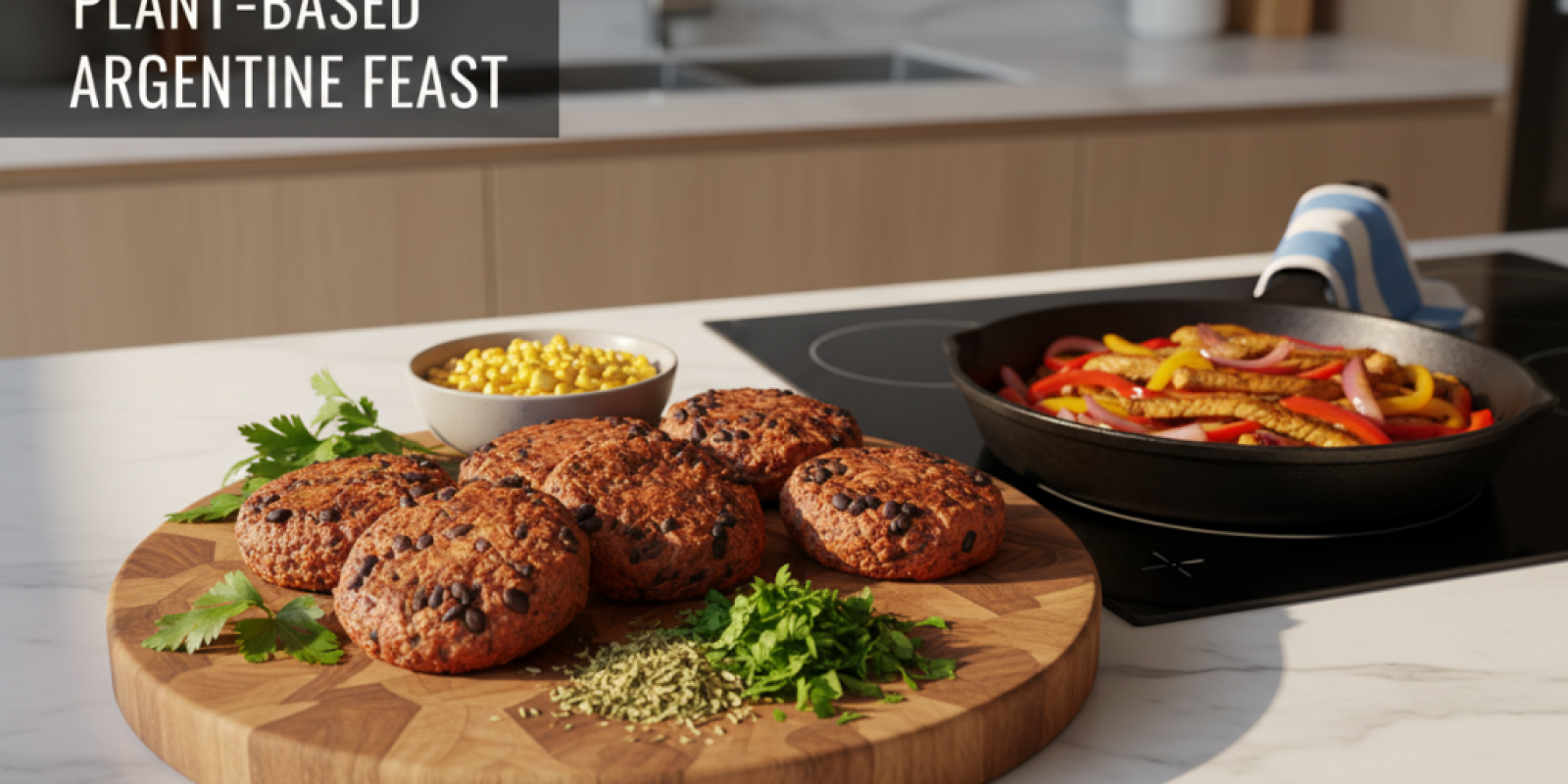
Argentinian Beef Alternatives: Plant-Based Quick Recipes for Women
Table of Contents
1. Introduction to Plant-Based Argentinian Cuisine
2. Why Choose Plant-Based Alternatives to Argentinian Beef
3. Essential Ingredients for Argentinian-Inspired Plant-Based Cooking
4. Quick Plant-Based Asado Recipes
5. Empanada Alternatives That Will Surprise You
6. Chimichurri and Other Traditional Sauces
7. Nutritional Benefits for Women’s Health
8. Time-Saving Tips for Busy Women
9. Conclusion
10. Frequently Asked Questions
Introduction to Plant-Based Argentinian Cuisine
When you think of Argentinian cuisine, images of sizzling steaks and traditional asados probably come to mind. But what if I told you that the rich, bold flavors of Argentina could be recreated using entirely plant-based ingredients? As someone who’s spent countless evenings experimenting in the kitchen, I’ve discovered that the secret to authentic Argentinian taste isn’t just in the meat – it’s in the spices, cooking techniques, and that unmistakable passion for food that defines this South American culinary culture.
For busy women looking to embrace healthier eating without sacrificing flavor or spending hours in the kitchen, plant-based Argentinian alternatives offer the perfect solution. These recipes capture the essence of traditional dishes while providing quick, nutritious options that fit seamlessly into our hectic schedules.
Why Choose Plant-Based Alternatives to Argentinian Beef
Making the switch to plant-based alternatives doesn’t mean compromising on the robust flavors that make Argentinian cuisine so beloved. In fact, it opens up a world of creative possibilities while offering numerous benefits that particularly appeal to health-conscious women.
The environmental impact alone is staggering – plant-based proteins require significantly less water and produce fewer greenhouse gases than traditional beef production. But beyond the environmental benefits, these alternatives often provide more fiber, essential vitamins, and minerals while being easier to digest.
I remember the first time I served my plant-based “carne asada” to friends. The skeptical looks quickly turned to surprise, then genuine enjoyment. The key lies in understanding that Argentinian cuisine’s magic comes from its bold seasonings, cooking methods, and the social experience of sharing good food – not necessarily from the meat itself.
Essential Ingredients for Argentinian-Inspired Plant-Based Cooking
Building your plant-based Argentinian pantry doesn’t require exotic ingredients or a massive shopping list. Most items are readily available at your local grocery store, making it easy to whip up these dishes whenever the craving strikes.
Mushrooms serve as excellent meat substitutes, particularly portobello and king oyster varieties. Their meaty texture and ability to absorb flavors make them perfect for grilling and roasting. Jackfruit, when properly seasoned, provides an incredibly convincing pulled beef texture that works beautifully in traditional dishes.
Spice-wise, you’ll want to stock up on smoked paprika, cumin, oregano, and garlic powder. These form the foundation of that distinctive Argentinian flavor profile. Don’t forget about chimichurri ingredients – fresh parsley, cilantro, red wine vinegar, and good quality olive oil are non-negotiables.
Protein-rich alternatives like tempeh, seitan, and high-quality plant-based ground “meat” can transform any recipe. I’ve found that marinating these proteins overnight in Argentinian-inspired spice blends creates depth of flavor that rivals traditional preparations.
Quick Plant-Based Asado Recipes
The asado is Argentina’s crown jewel – a social grilling experience that brings families together. Recreating this experience with plant-based ingredients might seem challenging, but it’s surprisingly straightforward and incredibly rewarding.
For a quick weeknight asado, try marinated portobello steaks. Slice large portobello caps into thick “steaks,” then marinate them for just 15 minutes in a mixture of olive oil, balsamic vinegar, minced garlic, smoked paprika, and a touch of soy sauce for umami depth. Grill them for 4-5 minutes per side, and you’ll have perfectly charred, juicy “steaks” that pair beautifully with chimichurri.
Another favorite in my household is jackfruit “short ribs.” Drain and shred young green jackfruit, then sauté it with onions, garlic, and a spice blend of cumin, smoked paprika, and oregano. Add a splash of red wine and let it simmer for 20 minutes. The result is tender, flavorful “meat” that pulls apart just like traditional short ribs.
For those really pressed for time, seasoned tempeh strips work wonderfully. Slice tempeh thinly, steam for 10 minutes to remove bitterness, then marinate in Argentinian spices and grill for 3-4 minutes per side. It’s protein-packed and ready in under 30 minutes.
Empanada Alternatives That Will Surprise You
Empanadas hold a special place in Argentinian culture, and creating plant-based versions opens up exciting flavor possibilities while maintaining that beloved handheld convenience that busy women appreciate.
My go-to filling combines seasoned lentils with sautéed onions, bell peppers, and a generous amount of cumin and smoked paprika. The lentils provide protein and a satisfying texture, while the vegetables add sweetness and crunch. I often make a double batch on Sunday and freeze half for quick weeknight dinners.
For a more indulgent option, try a mushroom and “cheese” filling. Sauté mixed mushrooms with garlic and thyme, then fold in cashew cream or your favorite plant-based cheese. The earthiness of the mushrooms paired with creamy cheese creates a luxurious filling that feels decidedly special.
Spinach and chickpea empanadas offer another nutritious option. Mash chickpeas lightly, leaving some texture, then mix with wilted spinach, diced tomatoes, and traditional Argentinian seasonings. This combination provides iron, protein, and folate – nutrients particularly important for women’s health.
The beauty of plant-based empanadas lies in their versatility. You can prepare the fillings ahead of time, assemble them quickly when needed, and even bake them straight from frozen for those unexpectedly busy evenings.
Chimichurri and Other Traditional Sauces
No discussion of Argentinian cuisine would be complete without diving deep into chimichurri – the vibrant green sauce that elevates everything it touches. The wonderful news is that traditional chimichurri is already plant-based, requiring no modifications whatsoever.
The key to exceptional chimichurri lies in the quality and balance of ingredients. Use the freshest parsley and cilantro you can find, mince your garlic finely, and don’t skimp on the olive oil. I like to add a small amount of oregano and a pinch of red pepper flakes for complexity. The sauce improves with time, so making it a day ahead allows the flavors to meld beautifully.
Beyond chimichurri, consider exploring salsa criolla – a fresh onion and tomato salsa that adds brightness to rich, grilled foods. Thinly slice red onions, dice fresh tomatoes, and dress with red wine vinegar, olive oil, and a touch of salt. It’s refreshing, requires no cooking, and keeps well in the refrigerator.
For those who enjoy heat, ají sauce brings Argentinian fire to your plant-based dishes. Blend red chilies with garlic, vinegar, and oil for a sauce that adds both heat and flavor complexity to any meal.
Nutritional Benefits for Women’s Health
Plant-based Argentinian alternatives offer specific nutritional advantages that align beautifully with women’s health needs. The high fiber content in legumes and vegetables supports digestive health and helps maintain stable blood sugar levels – crucial for sustained energy throughout busy days.
Iron-rich ingredients like lentils, chickpeas, and leafy greens help address iron deficiency, which affects women disproportionately. Pairing these foods with vitamin C-rich ingredients like tomatoes and bell peppers enhances iron absorption, creating nutritionally optimized meals without requiring a degree in nutrition science.
The omega-3 fatty acids found in walnuts, chia seeds, and flaxseeds support heart health and may help reduce inflammation. I often incorporate these into my plant-based meat alternatives or sprinkle them over finished dishes for added nutrition and texture.
Folate, essential for women of childbearing age, is abundant in the leafy greens and legumes featured prominently in these recipes. Rather than relying solely on supplements, these dishes provide folate in its natural, easily absorbed form.
Time-Saving Tips for Busy Women
As someone who juggles multiple responsibilities, I’ve learned that successful plant-based cooking requires smart strategies, not just good recipes. Batch cooking becomes your best friend – spending an hour on Sunday preparing components for the week ahead transforms weeknight cooking from stressful to simple.
Pre-marinate proteins like tempeh or mushrooms in containers, ready to cook at a moment’s notice. Chimichurri keeps for up to a week refrigerated and actually improves with time. Cooked lentils and chickpeas freeze beautifully and thaw quickly for impromptu empanada fillings or grain bowl toppings.
Invest in a good food processor – it makes quick work of chopping vegetables for sofrito bases and ensures consistent results every time. I’ve found that having perfectly minced garlic and onions ready to go removes one of the biggest barriers to cooking fresh, flavorful meals after a long day.
Keep a well-stocked spice cabinet organized and easily accessible. When your cumin, smoked paprika, and oregano are within easy reach, throwing together an Argentinian-inspired meal becomes second nature rather than a production.
Conclusion
Embracing plant-based Argentinian alternatives doesn’t mean sacrificing the bold, satisfying flavors that make this cuisine so beloved. Instead, it opens up new possibilities for creative, healthful cooking that fits seamlessly into busy lifestyles while supporting both personal health and environmental sustainability.
These recipes prove that plant-based eating can be both deeply satisfying and authentically flavorful. Whether you’re grilling portobello steaks for a weekend asado or quickly assembling empanadas for a weeknight dinner, these alternatives capture the essence of Argentinian cuisine while providing the nutrition and convenience that modern women need.
The journey toward more plant-based eating doesn’t have to be all-or-nothing. Start with one or two recipes that appeal to you, experiment with the flavors, and gradually build your confidence and repertoire. Before long, you’ll find yourself naturally reaching for these alternatives not because you have to, but because they genuinely taste incredible and make you feel energized and satisfied.
Frequently Asked Questions
Q: How do plant-based proteins compare nutritionally to beef?
A: Plant-based proteins often provide more fiber, essential vitamins, and minerals while being lower in saturated fat. Legumes like lentils and chickpeas offer protein plus folate, iron, and potassium. While they may have different amino acid profiles than beef, eating a varied plant-based diet easily provides all essential amino acids.
Q: Can I make these recipes ahead of time?
A: Absolutely! Most components can be prepared in advance. Marinated mushrooms and tempeh keep well for 2-3 days refrigerated. Empanada fillings can be made up to 3 days ahead, and assembled empanadas freeze beautifully for up to 3 months. Chimichurri actually improves with time and keeps for up to a week.
Q: Where can I find jackfruit and other specialty ingredients?
A: Young green jackfruit is increasingly available in regular grocery stores, usually in the canned goods section near other international foods. Asian markets are reliable sources, and it’s widely available online. Most other ingredients like tempeh and plant-based ground meat are now common in mainstream supermarkets.
Q: How can I ensure my plant-based dishes have enough protein?
A: Focus on protein-rich ingredients like lentils, chickpeas, tempeh, and seitan. A single cup of cooked lentils provides about 18 grams of protein. Combining different plant proteins throughout the day ensures you get all essential amino acids. Adding nuts, seeds, or nutritional yeast can boost protein content further.
Q: Will these recipes satisfy meat-eaters?
A: Many meat-eaters are surprised by how satisfying and flavorful these plant-based alternatives can be. The key is focusing on umami flavors, proper seasoning, and appealing textures. Starting with familiar preparations like empanadas or heavily seasoned “steaks” often works well for transitioning palates.