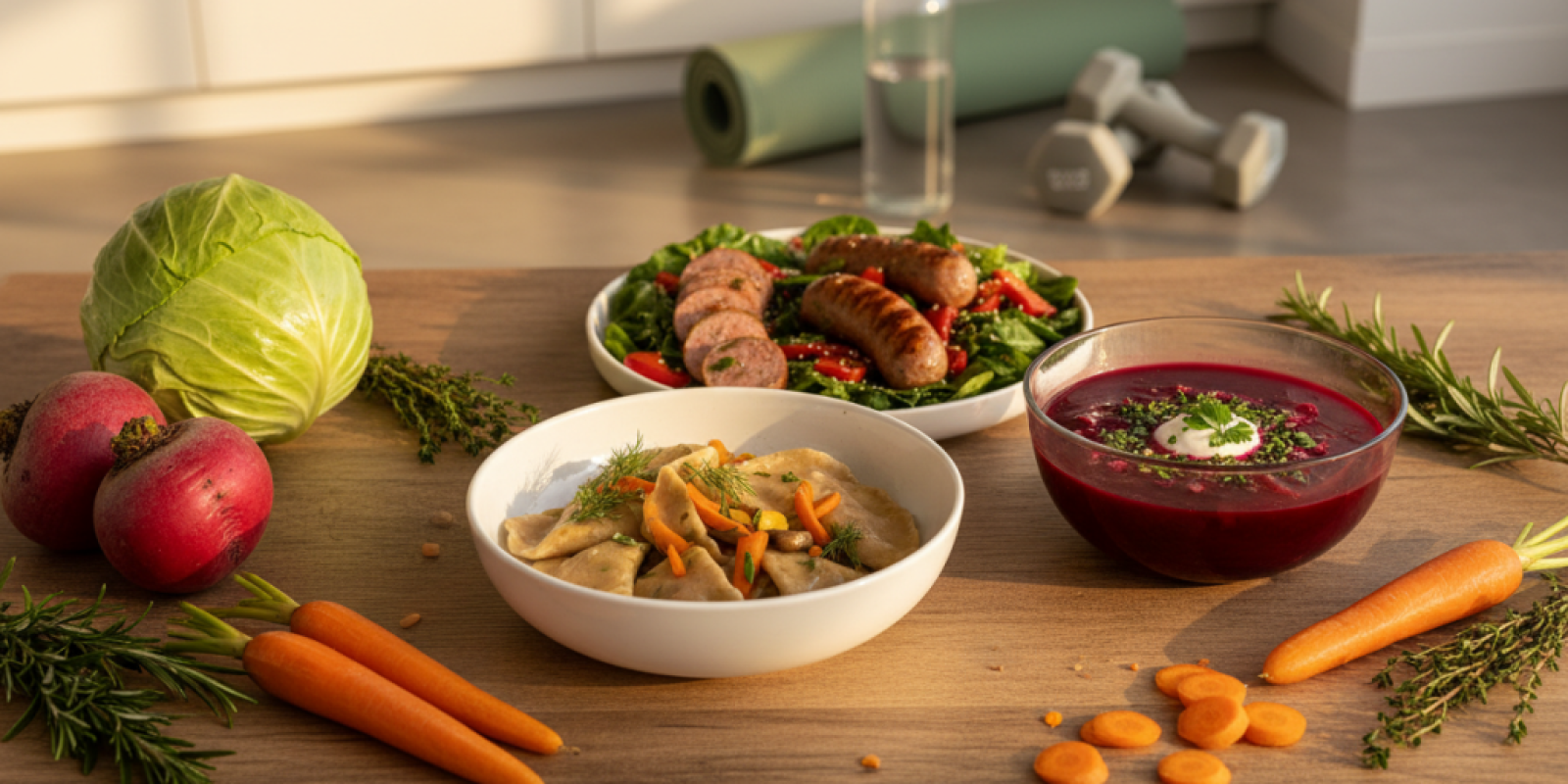
Polish Comfort Foods Made Healthy for Active Women
Table of Contents
1. Introduction: Embracing Polish Heritage While Staying Fit
2. The Challenge of Traditional Polish Cuisine for Active Lifestyles
3. Essential Nutritional Swaps for Polish Comfort Foods
4. Healthy Polish Recipe Makeovers
5. Meal Planning and Prep Tips for Busy Active Women
6. Balancing Tradition with Modern Nutrition Goals
7. Conclusion: Your Journey to Healthier Polish Comfort Food
8. Frequently Asked Questions
Introduction: Embracing Polish Heritage While Staying Fit
There’s something magical about the aroma of pierogi sizzling in butter or the comforting warmth of a hearty bowl of zurek on a cold evening. As someone who grew up with babcia’s recipes filling our kitchen with love and tradition, I understand the deep emotional connection we have with Polish comfort foods. But here’s the thing – being an active woman in today’s world doesn’t mean you have to choose between honoring your heritage and maintaining your health goals.
Polish cuisine, with its rich history and soul-warming dishes, has sustained generations through harsh winters and challenging times. However, many traditional recipes were created during eras when physical labor was more demanding and caloric needs were different. Today’s active women – whether you’re crushing it at the gym, chasing after kids, or balancing a demanding career – need nutrition that fuels performance while still satisfying those deep-rooted cravings for comfort.
This comprehensive guide will show you how to transform beloved Polish dishes into nutritious powerhouses that support your active lifestyle without sacrificing the flavors that make your heart sing. We’ll explore smart ingredient swaps, cooking techniques, and meal planning strategies that honor tradition while embracing modern nutritional science.

The Challenge of Traditional Polish Cuisine for Active Lifestyles
Traditional Polish cooking presents unique challenges for health-conscious, active women. Many classic dishes rely heavily on refined carbohydrates, saturated fats, and sodium-rich ingredients. Pierogi filled with potatoes and cheese, kielbasa loaded with preservatives, and cream-heavy soups can leave you feeling sluggish rather than energized for your next workout or busy day ahead.
The portion sizes in traditional Polish cooking also reflect a different era. When your great-grandmother was preparing meals, people often engaged in more physical labor throughout the day. Today’s sedentary work environments combined with structured exercise routines require a different approach to portion control and nutrient timing.
Another challenge lies in the cooking methods. Traditional Polish cuisine often involves frying, heavy use of butter and lard, and long cooking processes that can diminish nutritional value. While these methods create incredible flavors, they also pack dishes with unnecessary calories and unhealthy fats that can derail your fitness goals.
The good news? Every single one of these challenges has a solution that doesn’t require abandoning your culinary heritage. With some creativity and nutritional knowledge, you can maintain the essence of Polish comfort food while creating meals that fuel your active lifestyle.
Essential Nutritional Swaps for Polish Comfort Foods
The foundation of healthy Polish cooking lies in smart ingredient substitutions that maintain authentic flavors while boosting nutritional value. Let’s explore the game-changing swaps that will transform your favorite dishes.
Start with your flour choices. Traditional Polish recipes often call for white all-purpose flour, but whole wheat flour, almond flour, or a blend of both can dramatically increase fiber content and protein while adding nutty, complex flavors. For pierogi dough, try using half whole wheat flour and half all-purpose flour initially, then gradually increase the whole wheat ratio as your taste buds adjust.
Dairy products offer another excellent opportunity for nutritional upgrades. Replace heavy cream with Greek yogurt in soups and sauces – you’ll boost protein content while reducing calories and saturated fat. For cheese-filled pierogi, mix traditional farmer’s cheese with ricotta made from part-skim milk, or experiment with cottage cheese for additional protein punch.
Meat selections can make or break your healthy Polish meal plan. Instead of traditional kielbasa loaded with sodium and preservatives, seek out lean turkey or chicken versions, or better yet, make your own using ground turkey breast with traditional Polish spices. When recipes call for bacon or salt pork, try turkey bacon or even mushrooms for that umami-rich, smoky flavor.
Vegetable integration is where you can really supercharge your Polish dishes. Traditional recipes often treat vegetables as afterthoughts, but active women need the vitamins, minerals, and fiber that colorful produce provides. Grate carrots and zucchini into your pierogi filling, bulk up soups with leafy greens, and use cauliflower rice as a base for traditional grain dishes.
Healthy Polish Recipe Makeovers
Let’s dive into specific recipe transformations that will become staples in your healthy Polish cooking repertoire. These makeovers maintain the soul of traditional dishes while supporting your active lifestyle.
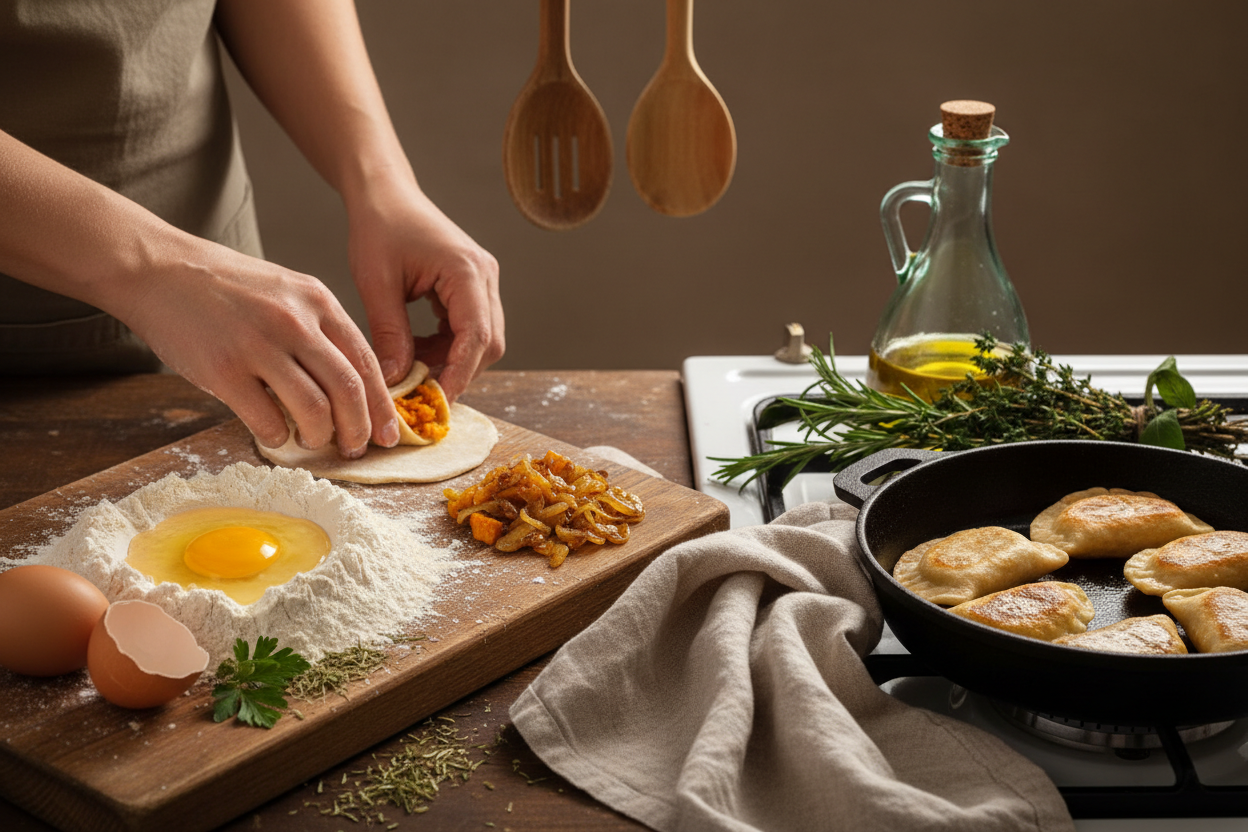
Pierogi represent the heart of Polish comfort food, and creating a healthier version doesn’t mean sacrificing tradition. Start with a dough made from half whole wheat flour, incorporating an extra egg white for protein. For fillings, try a mixture of mashed sweet potato with caramelized onions, or lean ground turkey seasoned with traditional Polish herbs. Instead of frying in butter, try boiling your pierogi and then lightly sautéing them in a small amount of olive oil with fresh herbs.
Bigos, Poland’s beloved hunter’s stew, transforms beautifully into a nutrient-dense meal perfect for active women. Use lean turkey kielbasa or omit meat entirely, doubling up on mushrooms for protein and umami flavor. Load your bigos with additional vegetables like bell peppers, carrots, and extra cabbage. The long, slow cooking process develops incredible depth of flavor while creating a meal rich in fiber and antioxidants.
Zurek, the traditional sour rye soup, becomes a probiotic powerhouse when you make it from scratch using naturally fermented rye starter. Replace heavy cream with coconut milk for richness, and add extra vegetables like leeks and parsnips. Include lean protein sources like hard-boiled eggs or grilled chicken breast to make it a complete meal that supports muscle recovery after workouts.
Kotlet schabowy, Poland’s version of schnitzel, gets a healthy makeover with a few simple changes. Use lean pork tenderloin or chicken breast, coat it in whole wheat breadcrumbs mixed with ground flaxseed for omega-3 fatty acids, and bake instead of frying. Serve with a colorful salad of shredded cabbage, carrots, and apples dressed in a light vinaigrette.
Meal Planning and Prep Tips for Busy Active Women
Successfully incorporating healthy Polish comfort foods into your active lifestyle requires strategic meal planning and preparation. The key lies in batch cooking and smart storage techniques that preserve both nutrition and authentic flavors.
Weekend meal prep becomes your secret weapon for maintaining healthy Polish eating throughout the week. Prepare large batches of pierogi filling and freeze them in portion-controlled containers. You can quickly assemble fresh pierogi on busy weeknights, or even pre-make and freeze complete pierogi for grab-and-go meals.
Soups and stews like bigos and zurek actually improve in flavor when made ahead, making them perfect for meal prep. Prepare these dishes on Sunday, portion them into individual containers, and you’ll have nutritious, satisfying meals ready for the entire week. These dishes also freeze beautifully for longer-term meal planning.
Create a Polish-inspired spice blend that you can keep on hand to quickly add authentic flavors to simple proteins and vegetables. Combine marjoram, caraway seeds, paprika, garlic powder, and black pepper. This blend transforms basic grilled chicken or roasted vegetables into satisfying Polish-inspired meals in minutes.
Invest in quality storage containers that maintain freshness while allowing you to see your prepared meals easily. Clear containers help you remember what you’ve prepared and encourage you to actually eat the healthy meals you’ve made instead of reaching for less nutritious options when hunger strikes.
Balancing Tradition with Modern Nutrition Goals
The art of healthy Polish cooking lies in respecting tradition while embracing nutritional science. This balance requires understanding which elements of traditional recipes are essential for authentic flavor and which can be modified for better health outcomes.
Timing your Polish comfort foods around your activity level maximizes both satisfaction and performance. Save heartier dishes like pierogi for post-workout meals when your body needs carbohydrates for glycogen replenishment. Lighter options like vegetable-packed zurek work perfectly for pre-workout fuel or busy weekday lunches.
Portion awareness becomes crucial when enjoying Polish comfort foods. Traditional serving sizes often exceed modern nutritional needs, especially for women with desk jobs. Use smaller plates, fill half your plate with vegetables, and savor each bite mindfully. This approach allows you to enjoy authentic flavors while maintaining appropriate caloric intake.
Consider the social and emotional aspects of Polish food culture. Many Polish dishes are meant to be shared, which naturally controls portions while maintaining the communal aspect that makes these meals so satisfying. Invite friends over for healthy Polish cooking sessions, or prepare these dishes for family gatherings where the focus shifts from individual consumption to shared experience.
Remember that perfection isn’t the goal – progress is. Some days you might enjoy traditional pierogi at your grandmother’s house, and that’s perfectly fine. The key is making healthier choices most of the time while still honoring your cultural heritage and personal relationships with food.
Conclusion: Your Journey to Healthier Polish Comfort Food
Transforming Polish comfort foods into nutrition-packed meals for active women isn’t about abandoning tradition – it’s about evolution. By making thoughtful ingredient swaps, embracing meal prep strategies, and balancing indulgence with nutrition, you can maintain your cultural connections while supporting your health and fitness goals.
The recipes and strategies outlined here provide a foundation for your own culinary exploration. Start with one or two modifications that appeal to you most, then gradually incorporate additional changes as they become natural parts of your cooking routine. Remember that the best healthy eating plan is one you can maintain long-term while still finding joy in your meals.
Your Polish heritage offers a rich tapestry of flavors, techniques, and food traditions that can absolutely coexist with an active, healthy lifestyle. By honoring the past while embracing nutritional knowledge, you’re creating a sustainable approach to eating that nourishes both body and soul.
The journey toward healthier Polish comfort food is deeply personal and wonderfully rewarding. Each meal becomes an opportunity to connect with your heritage while investing in your health, creating new traditions that you can pass down to future generations of strong, active women.
Frequently Asked Questions
Can I still enjoy pierogi while maintaining my fitness goals?
Absolutely! The key is making smart modifications like using whole grain flour in the dough, incorporating vegetables into fillings, and controlling portions. Try making mini pierogi for better portion control, or serve them alongside a large salad to increase the meal’s nutritional density while maintaining satisfaction.
What are the best protein sources for healthy Polish cooking?
Lean options include turkey kielbasa, chicken breast, lean pork tenderloin, eggs, Greek yogurt, and cottage cheese. For plant-based proteins, consider lentils, mushrooms, and beans, which work beautifully in traditional Polish stews and soups while adding fiber and nutrients.
How can I reduce sodium in traditional Polish recipes without losing flavor?
Focus on building flavor through herbs, spices, and aromatics like onions and garlic. Use fresh or low-sodium versions of traditional ingredients, and enhance umami flavors with mushrooms, tomato paste, or a small amount of aged cheese. Gradually reduce sodium over time to allow your taste buds to adjust.
Are there gluten-free options for Polish comfort foods?
Yes! Use almond flour or gluten-free flour blends for pierogi dough, focus on naturally gluten-free dishes like bigos and zurek, and explore vegetable-based alternatives like cauliflower pierogi or zucchini noodles in traditional Polish preparations.
How do I meal prep Polish foods without losing quality?
Most Polish soups and stews actually improve with time and freeze beautifully. Pierogi can be assembled and frozen before cooking, then boiled directly from frozen. Store components separately when possible – for example, keep pierogi filling separate from dough until ready to assemble and cook.
What’s the best way to introduce these healthier versions to family members who prefer traditional recipes?
Make gradual changes rather than dramatic overhauls. Start by adding extra vegetables to familiar dishes, or serve healthier versions alongside traditional ones. Focus on the positive aspects – more flavor, better nutrition, and sustained energy – rather than what’s being removed or changed.