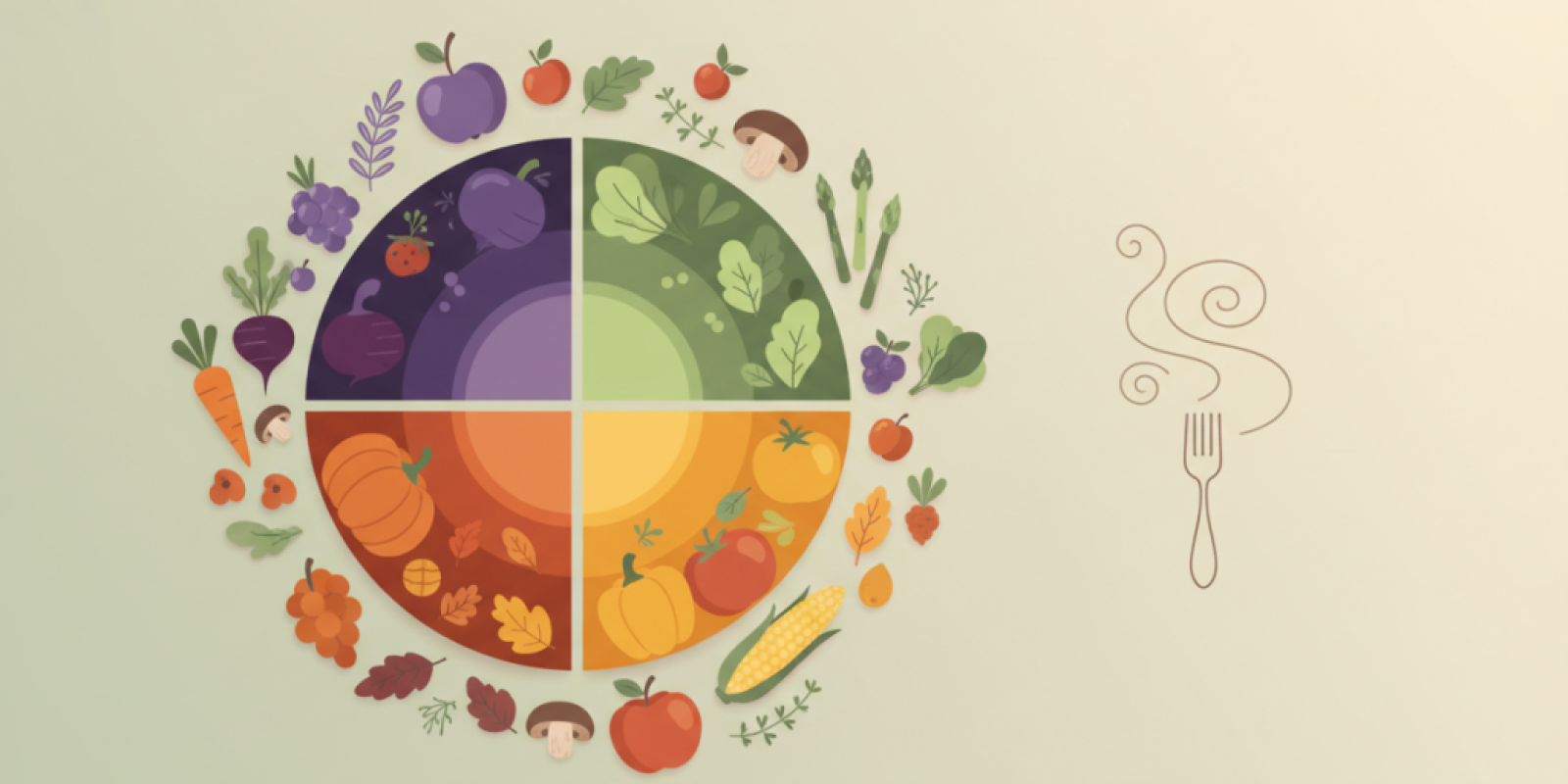
The Art of Intuitive Eating Through Seasonal Food Choices
Table of Contents
1. Introduction to Intuitive Eating and Seasonal Awareness
2. Understanding Your Body’s Natural Rhythms
3. Spring: Awakening Your Appetite for Fresh Beginnings
4. Summer: Embracing Light and Vibrant Energy
5. Fall: Nourishing Preparation and Grounding
6. Winter: Deep Comfort and Restoration
7. Building Your Seasonal Intuitive Eating Practice
8. Common Challenges and How to Overcome Them
9. Conclusion
10. Frequently Asked Questions
Introduction to Intuitive Eating and Seasonal Awareness
Have you ever noticed how your food cravings naturally shift throughout the year? Maybe you find yourself reaching for hearty soups when the first autumn chill arrives, or craving fresh salads during the peak of summer heat. This isn’t just coincidence – it’s your body’s innate wisdom speaking to you through what we call intuitive eating.

Intuitive eating is a revolutionary approach to nutrition that honors your body’s internal hunger and satiety cues rather than following external diet rules. When we combine this practice with seasonal eating patterns, we create a powerful synergy that supports both our physical health and emotional well-being throughout the year.
The concept of eating seasonally isn’t new – our ancestors naturally followed these patterns out of necessity. However, in our modern world of year-round availability of all foods, we’ve somewhat lost touch with this natural rhythm. By reconnecting with seasonal food choices through an intuitive lens, we can rediscover a more harmonious relationship with food that feels both nourishing and satisfying.
Understanding Your Body’s Natural Rhythms
Your body is incredibly intelligent, constantly adapting to environmental changes and seasonal shifts. These adaptations affect everything from your metabolism and energy levels to your mood and food preferences. Learning to tune into these natural rhythms is the foundation of seasonal intuitive eating.

During different seasons, your body requires different types of fuel. In colder months, you might naturally crave more warming, grounding foods that provide sustained energy and comfort. Warmer seasons often bring desires for lighter, cooling foods that help regulate body temperature and provide quick energy for increased activity levels.
The key to mastering seasonal intuitive eating lies in developing a deeper awareness of these internal signals. This means paying attention not just to what you’re craving, but when you’re craving it, how different foods make you feel, and how your appetite changes with the seasons.
Research has shown that our bodies actually produce different hormones and neurotransmitters in response to seasonal changes in daylight and temperature. These biochemical shifts directly influence our appetite, metabolism, and food preferences, making seasonal eating patterns a natural biological response rather than just a cultural preference.
Spring: Awakening Your Appetite for Fresh Beginnings
Spring represents renewal and awakening, and your body often reflects this energy shift through changing food preferences. After months of heavier winter foods, many people naturally begin craving lighter, fresher options as the weather warms and daylight hours increase.
This is the perfect time to honor your body’s desire for detoxification and renewal. You might find yourself drawn to leafy greens, fresh herbs, and the first tender vegetables of the season. These foods naturally support your liver’s detoxification processes and provide the nutrients your body needs to transition from winter’s slower pace to spring’s increased activity.
Common spring cravings include asparagus, artichokes, spring onions, fresh peas, and early berries. These foods are naturally cleansing and energizing, providing exactly what your body needs during this transitional season. Trust these cravings – they’re your body’s way of guiding you toward optimal health.
During spring, practice mindful eating by paying attention to how these fresh, seasonal foods affect your energy levels and mood. You might notice that lighter meals leave you feeling more energized and clear-headed, while heavier winter foods now feel too dense or sluggish.
Summer: Embracing Light and Vibrant Energy
Summer’s abundance brings with it a natural desire for cooling, hydrating foods that help regulate body temperature and provide sustained energy for longer, more active days. This season offers the perfect opportunity to practice intuitive eating with nature’s most vibrant and varied produce.
Your body’s wisdom during summer often guides you toward foods with high water content – think juicy tomatoes, crisp cucumbers, refreshing melons, and leafy salads. These foods naturally help maintain hydration while providing essential nutrients and antioxidants that protect against increased sun exposure and heat stress.
Summer is also when many people naturally eat smaller, more frequent meals rather than heavy, warming dishes. Honor this instinct – your body is adapting to the season’s demands by preferring foods that are easier to digest and won’t weigh you down during active summer days.
The key during summer is to embrace variety and color. The rainbow of summer produce – from deep purple eggplants to bright orange peaches – provides a wide spectrum of nutrients that support your body’s increased metabolic demands during this active season.
Fall: Nourishing Preparation and Grounding
As temperatures begin to drop and daylight hours shorten, your body naturally starts preparing for the colder months ahead. This preparation often manifests as cravings for more substantial, grounding foods that provide sustained energy and emotional comfort.
Fall’s harvest brings warming spices, hearty root vegetables, and comforting grains that align perfectly with your body’s seasonal needs. You might find yourself drawn to butternut squash, sweet potatoes, apples, pears, and warming spices like cinnamon and ginger. These foods provide the complex carbohydrates and warming properties your body craves as it prepares for winter.
This is also the season when many people naturally begin eating larger, more frequent meals as their bodies start building reserves for the colder months. Rather than fighting this natural tendency, embrace it as part of your body’s seasonal wisdom.
Practice intuitive eating during fall by paying attention to how warming, grounding foods affect your mood and energy levels. You might notice that these heartier foods provide a sense of comfort and stability that lighter summer foods can’t match during this transitional time.
Winter: Deep Comfort and Restoration
Winter calls for foods that provide deep nourishment, warmth, and comfort during the year’s most introspective season. Your body’s metabolism naturally slows during winter, and your appetite often shifts toward foods that provide sustained energy and emotional satisfaction.
This is the season for slow-cooked stews, warming soups, hearty grains, and nourishing fats that help maintain body temperature and support your immune system during cold and flu season. Your cravings for these foods aren’t signs of weakness or lack of willpower – they’re your body’s intelligent response to seasonal demands.
Winter is also when many people naturally eat larger portions and crave more frequent meals. This isn’t something to fight against but rather to honor as part of your body’s natural seasonal rhythm. The key is choosing nourishing, satisfying foods that truly meet your body’s needs rather than processed comfort foods that provide temporary satisfaction without real nourishment.
During winter, practice intuitive eating by tuning into what truly satisfies and nourishes you. You might find that a warm, hearty soup provides both physical warmth and emotional comfort in ways that lighter foods simply can’t during the darker months.
Building Your Seasonal Intuitive Eating Practice
Developing a successful seasonal intuitive eating practice requires patience, self-compassion, and consistent attention to your body’s signals. Start by keeping a simple food and mood journal, noting what you’re craving, when you’re craving it, and how different foods make you feel throughout the seasons.
Begin each season by taking inventory of what’s naturally available in your local area. Visit farmers markets, join a community-supported agriculture program, or simply pay attention to what’s featured prominently in grocery stores. This awareness helps you align your food choices with nature’s rhythm while supporting local agriculture.
Practice mindful eating by slowing down during meals and paying attention to flavors, textures, and how foods affect your energy and mood. Notice how the same food might taste different or affect you differently depending on the season, your activity level, and your body’s current needs.
Remember that intuitive eating is a practice, not a perfection. There will be times when you eat foods that don’t align perfectly with the season or your body’s signals, and that’s completely normal. The goal is developing a generally attuned relationship with food rather than following rigid seasonal rules.
Common Challenges and How to Overcome Them
One of the biggest challenges in seasonal intuitive eating is distinguishing between true body wisdom and conditioned responses or emotional eating patterns. Sometimes what feels like a seasonal craving might actually be stress, boredom, or habit rather than genuine physical need.
To navigate this challenge, practice the pause-and-check-in technique before eating. Ask yourself: “Am I physically hungry? What is my body actually asking for right now? How do I want to feel after eating?” This simple practice helps you distinguish between authentic body signals and other triggers.
Another common challenge is the availability and cost of seasonal produce. Not everyone has access to fresh, local, seasonal foods year-round. Focus on what’s available and affordable in your situation rather than striving for perfect seasonal alignment. Even small steps toward seasonal eating can make a meaningful difference.
Social and cultural pressures around food can also interfere with intuitive seasonal eating. Diet culture messages that certain foods are “good” or “bad” regardless of season or individual needs can override your natural instincts. Practice self-compassion and remember that your body’s wisdom is more reliable than external food rules.
Conclusion
The art of intuitive eating through seasonal food choices offers a pathway back to a more natural, satisfying relationship with food. By honoring both your body’s internal wisdom and nature’s seasonal rhythms, you create a sustainable approach to eating that supports your health, energy, and well-being throughout the year.
This practice isn’t about following rigid seasonal rules or achieving perfect alignment with nature’s calendar. Instead, it’s about developing a deeper awareness of your body’s changing needs and learning to trust your internal guidance system. As you cultivate this awareness, you’ll likely find that eating becomes more enjoyable, satisfying, and effortless.
Remember that mastering seasonal intuitive eating is a journey, not a destination. Be patient with yourself as you learn to distinguish between authentic body signals and other influences. With time and practice, you’ll develop a more attuned relationship with food that honors both your individual needs and the natural world around you.
Start small, stay curious, and trust your body’s incredible wisdom. Your path to more intuitive, seasonal eating begins with the very next meal you choose to eat mindfully and with awareness.
Frequently Asked Questions
Q: What if I crave non-seasonal foods? Should I ignore these cravings?
A: Not necessarily. True intuitive eating honors all cravings while considering context. If you’re craving strawberries in winter, ask yourself what you’re really seeking – sweetness, vitamin C, or something else? Sometimes non-seasonal cravings point to specific nutritional needs that can be met with seasonal alternatives, but sometimes they’re perfectly valid responses to your individual needs.
Q: How do I practice seasonal eating if I live in a climate without distinct seasons?
A: Even in tropical or desert climates, there are subtle seasonal variations in produce availability and weather patterns. Focus on what’s locally available and pay attention to how your body responds to different weather patterns, humidity levels, or daylight changes. Your body’s seasonal rhythms may be more subtle but are still present.
Q: Is seasonal intuitive eating suitable for people with specific dietary restrictions or health conditions?
A: Seasonal intuitive eating can be adapted to work with most dietary restrictions and health conditions. The key is working within your specific parameters while still honoring your body’s seasonal signals. Consult with a healthcare provider or registered dietitian familiar with intuitive eating if you have specific medical concerns.
Q: How long does it take to develop good seasonal intuitive eating skills?
A: This varies greatly from person to person. Some people notice changes within a few weeks, while others may take several seasons to feel fully attuned. The important thing is consistent practice and patience with yourself as you learn to distinguish between different types of hunger and cravings.
Q: Can children practice seasonal intuitive eating?
A: Children are often naturally intuitive eaters and can benefit from exposure to seasonal foods and conversations about how different foods make them feel. However, it’s important to maintain structure around meals and snacks while allowing children to honor their hunger and fullness cues within that framework.