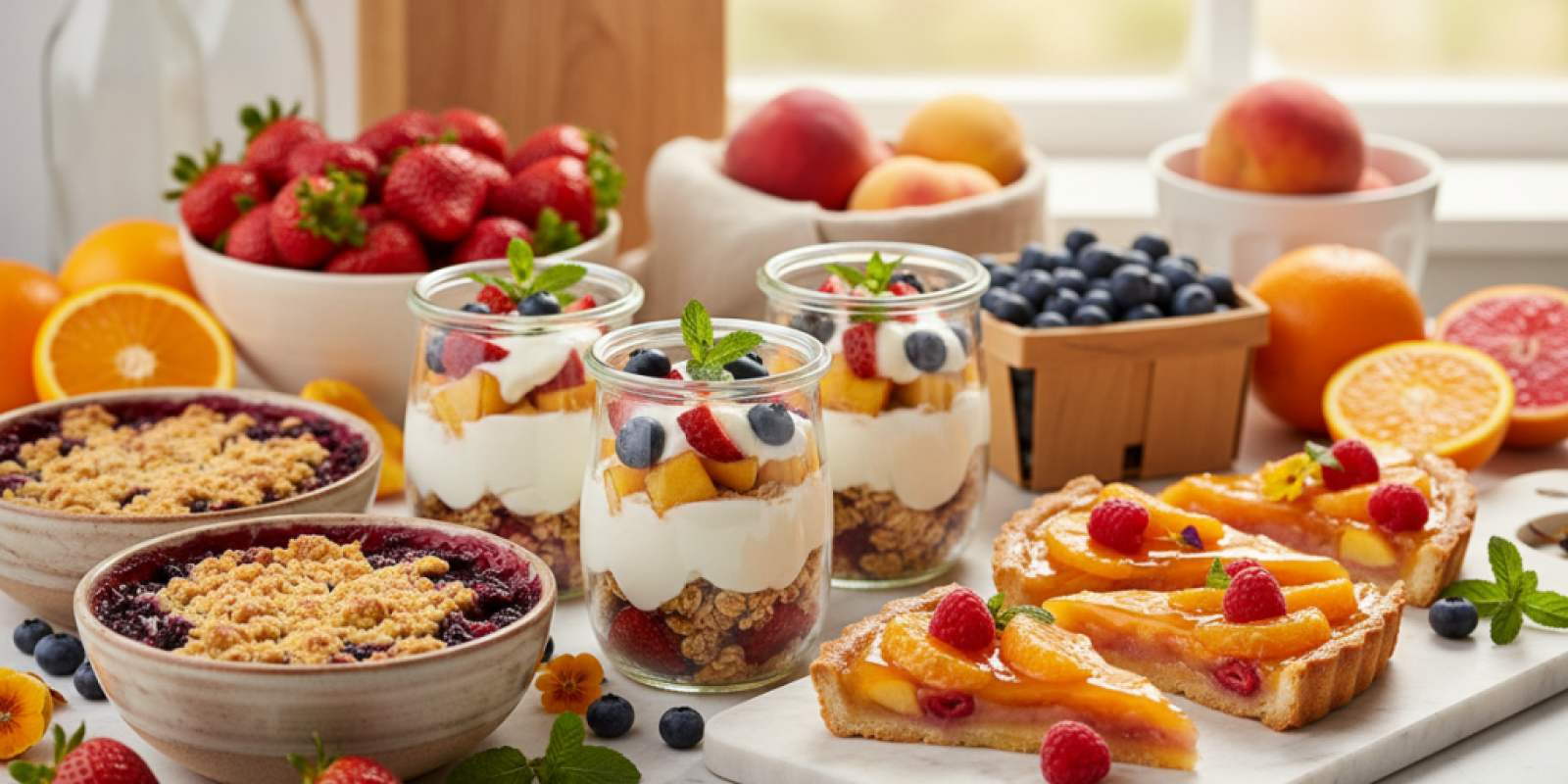
Quick Dessert Recipes Using Seasonal Fruits for Guilt-Free Indulgence
Table of Contents
1. Introduction to Seasonal Fruit Desserts
2. Why Choose Seasonal Fruits for Desserts
3. Spring Fruit Dessert Recipes
4. Summer Seasonal Sweet Treats
5. Fall Harvest Dessert Ideas
6. Winter Comfort Fruit Desserts
7. Tips for Making Healthier Fruit Desserts
8. Storage and Preparation Hacks
9. Conclusion
10. Frequently Asked Questions
Introduction to Seasonal Fruit Desserts
There’s something magical about biting into a perfectly ripe peach in summer or savoring the first strawberries of spring. When you combine these natural treasures with simple dessert techniques, you create something truly special – guilt-free indulgences that satisfy your sweet tooth while nourishing your body.
I’ve spent years experimenting in my kitchen, discovering that the best desserts often require the fewest ingredients. Seasonal fruits are nature’s candy, packed with vitamins, antioxidants, and natural sweetness that makes artificial additives seem unnecessary. Whether you’re hosting a dinner party or simply treating yourself after a long day, these quick dessert recipes will transform ordinary fruits into extraordinary experiences.
The beauty of seasonal fruit desserts lies in their simplicity and versatility. You don’t need to be a pastry chef or own expensive equipment to create impressive treats. Most of these recipes can be prepared in under 30 minutes, making them perfect for busy weeknights or last-minute entertaining.
Why Choose Seasonal Fruits for Desserts
Cooking with seasonal fruits isn’t just a trendy concept – it’s a practice rooted in both practicality and pleasure. When fruits are in season, they’re at their peak flavor, containing maximum nutrients and natural sugars. This means your desserts will taste better and require less added sweeteners.
From an economic standpoint, seasonal fruits are typically more affordable and readily available. I remember paying premium prices for out-of-season berries that tasted like disappointment, while the same money could buy abundant, flavorful fruit during peak season. Your wallet and your taste buds will thank you for this timing.
Environmental benefits also come into play when choosing seasonal produce. Local, in-season fruits require less transportation and storage, reducing their carbon footprint. Plus, you’re supporting local farmers and contributing to your community’s agricultural economy.
The nutritional advantages are compelling too. Seasonal fruits are harvested at optimal ripeness, meaning they contain higher levels of vitamins, minerals, and antioxidants compared to their out-of-season counterparts that are picked early and artificially ripened.
Spring Fruit Dessert Recipes
Spring awakens our senses with delicate flavors and vibrant colors. The season’s fruits – strawberries, rhubarb, and early stone fruits – bring freshness after winter’s heavy comfort foods.
Strawberry Yogurt Parfait with Honey Drizzle
This elegant dessert takes just five minutes to assemble. Layer Greek yogurt with sliced strawberries and a drizzle of local honey. The protein in yogurt helps stabilize blood sugar, while strawberries provide vitamin C and fiber. I like to add a sprinkle of chopped mint for an extra fresh note that makes guests think I spent hours in the kitchen.
Quick Rhubarb Compote
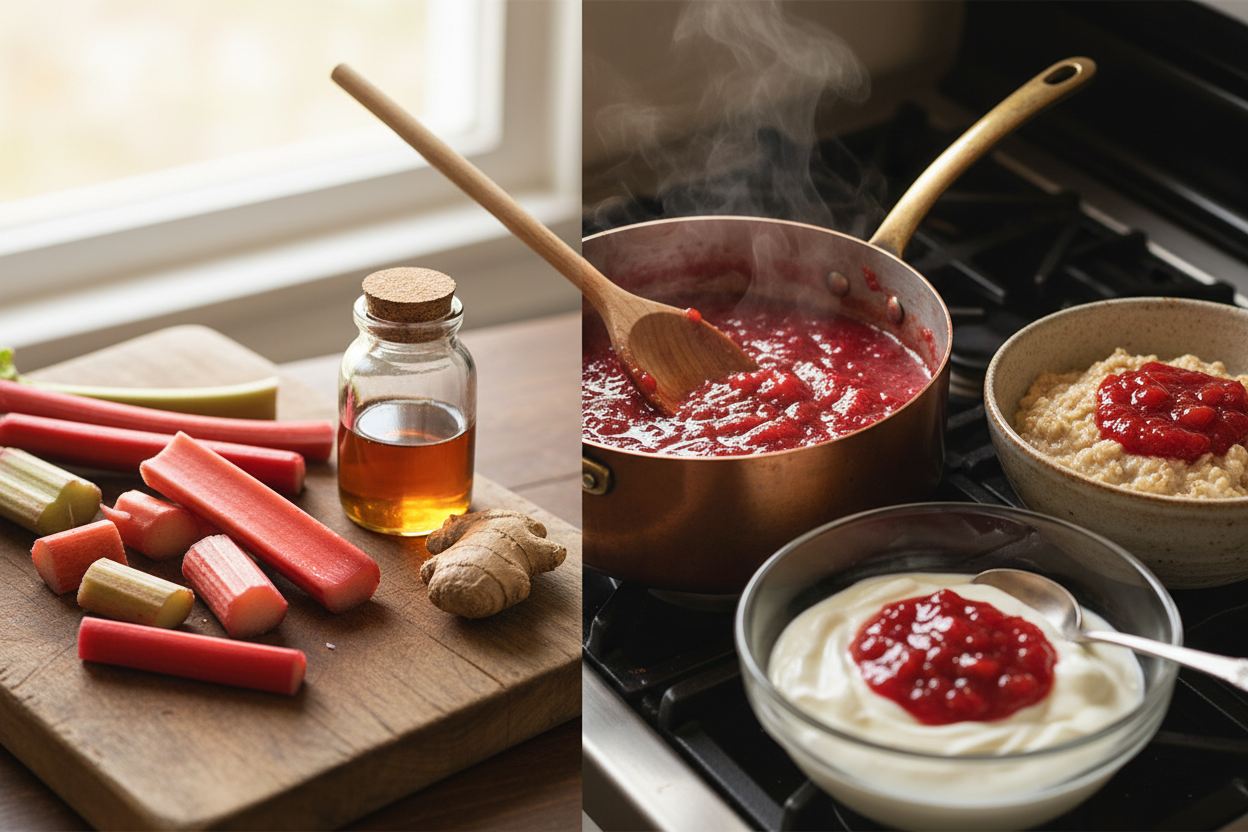
Rhubarb’s tart flavor makes it perfect for those who prefer less sweet desserts. Chop rhubarb stalks and simmer with a small amount of maple syrup and a pinch of ginger for 10 minutes. Serve warm over vanilla Greek yogurt or chilled as a topping for oatmeal. The natural pectin in rhubarb creates a lovely, jammy consistency without any artificial thickeners.
Roasted Strawberry and Balsamic Reduction
This sophisticated dessert involves roasting halved strawberries with a splash of balsamic vinegar and fresh thyme for 15 minutes at 400 degrees. The heat concentrates the strawberry flavors while the balsamic adds depth. Serve over ricotta cheese or vanilla ice cream for an impressive finish to any meal.
Summer Seasonal Sweet Treats
Summer’s abundance provides endless dessert possibilities. Stone fruits, berries, and melons are at their absolute best, requiring minimal intervention to shine.
Grilled Peach Sundae
Halve and pit ripe peaches, brush lightly with coconut oil, and grill for 3-4 minutes per side. The caramelization that occurs brings out incredible sweetness. Top with a scoop of vanilla frozen yogurt and a sprinkle of cinnamon. This dessert feels indulgent but provides beneficial nutrients and probiotics.
Mixed Berry Fool
Combine whatever berries are available – blueberries, raspberries, blackberries – with a small amount of honey and let them macerate for 30 minutes. Fold into whipped coconut cream for a dairy-free option that’s both light and satisfying. The antioxidants in mixed berries support heart health and cognitive function.
Watermelon Mint Granita
Puree fresh watermelon with chopped mint and a squeeze of lime juice. Pour into a shallow dish and freeze, scraping with a fork every 30 minutes to create crystals. This refreshing dessert is naturally fat-free and helps with hydration during hot summer days.
No-Bake Stone Fruit Tart
Create a simple crust using crushed almonds, dates, and a pinch of sea salt. Press into a tart pan and top with sliced nectarines, plums, or apricots arranged in overlapping circles. Brush with a light honey glaze and chill for two hours. This raw dessert preserves all the fruits’ enzymes and nutrients.
Fall Harvest Dessert Ideas
Autumn brings comfort and warmth to our dessert repertoire. Apples, pears, and cranberries pair beautifully with warming spices that make your kitchen smell like heaven.
Cinnamon Baked Apples
Core apples and stuff with a mixture of chopped walnuts, a drizzle of maple syrup, and cinnamon. Bake at 375 degrees for 25 minutes until tender. This classic dessert provides fiber, healthy fats, and natural sweetness without any processed ingredients. I often make these on Sunday afternoons when I want something special but don’t want to spend hours baking.
Pear and Ginger Crisp
Slice pears and toss with fresh grated ginger and a touch of lemon juice. Top with a mixture of oats, almond flour, and a small amount of coconut oil. Bake until golden and bubbly. The combination of sweet pears and spicy ginger creates a complex flavor profile that satisfies on multiple levels.
Cranberry Orange Compote
Simmer fresh cranberries with orange zest and a minimal amount of honey until they pop and release their juices. This tart-sweet mixture works beautifully over Greek yogurt, oatmeal, or even as a topping for savory dishes. Cranberries are packed with antioxidants and vitamin C, making this dessert a nutritional powerhouse.
Winter Comfort Fruit Desserts
Winter fruits like citrus and stored apples and pears can create warming, comforting desserts that brighten cold days.
Citrus Salad with Honey and Pistachios
Segment oranges, grapefruits, and blood oranges, removing all pith. Arrange on a platter and drizzle with honey, then sprinkle with chopped pistachios and fresh mint. This bright dessert provides a burst of vitamin C and healthy fats when fresh produce is scarce.
Poached Pears in Spiced Wine
Gently simmer peeled pears in red wine with cinnamon, star anise, and a bay leaf until tender. The alcohol cooks off, leaving behind complex flavors and gorgeous color. This elegant dessert impresses guests while providing antioxidants from both the fruit and wine reduction.
Warm Citrus Compote
Combine segments of various citrus fruits with a small amount of honey and warm gently on the stovetop with fresh thyme. Serve warm over Greek yogurt or ricotta cheese. The warming process releases the citrus oils, creating an aromatic and comforting dessert perfect for cold evenings.
Tips for Making Healthier Fruit Desserts
Creating guilt-free fruit desserts requires understanding how to maximize natural flavors while minimizing added sugars and unhealthy fats.
Start by choosing the ripest fruits possible. Ripe fruit contains more natural sugars, reducing the need for additional sweeteners. I’ve learned to trust my nose – the best fruits smell fragrant and give slightly when pressed.
When sweetening is necessary, opt for natural alternatives like honey, maple syrup, or dates. These provide additional nutrients and complex flavors that refined sugar cannot match. Use them sparingly – often, a small amount goes further than you’d expect.
Incorporate healthy fats through nuts, seeds, or coconut products. These additions provide satiety and help your body absorb fat-soluble vitamins present in fruits. A small handful of chopped almonds or a drizzle of tahini can transform a simple fruit salad into a complete dessert.
Experiment with spices and herbs to add complexity without calories. Cinnamon naturally tastes sweet, while ginger adds warmth and aids digestion. Fresh herbs like mint, basil, or thyme can elevate simple fruit combinations into sophisticated desserts.
Consider texture contrasts to make desserts more satisfying. Combine smooth elements like yogurt or nut butter with crunchy additions like toasted seeds or chopped nuts. This variety keeps your palate engaged and helps you feel more satisfied with smaller portions.
Storage and Preparation Hacks
Proper storage and preparation techniques ensure your seasonal fruits maintain their quality and flavor for optimal dessert-making.
Most fruits should be stored at room temperature until ripe, then refrigerated to extend their life. Berries are the exception – they should go directly into the refrigerator and be washed only just before use to prevent premature spoilage.
Prep fruits in advance when possible. Wash and chop sturdy fruits like apples and pears, storing them in airtight containers with a splash of lemon juice to prevent browning. Delicate berries should be prepared just before serving to maintain their texture and appearance.
Freeze fruits at their peak ripeness for year-round enjoyment. Frozen fruits work beautifully in compotes, smoothie bowls, and baked desserts. I always freeze extra berries and stone fruits during summer to enjoy winter desserts that taste like sunshine.
Invest in proper storage containers and tools. A good citrus zester, sharp paring knife, and quality storage containers will make fruit preparation more efficient and enjoyable. These tools pay for themselves through reduced waste and better-tasting desserts.
Conclusion
Creating delicious, guilt-free desserts using seasonal fruits doesn’t require culinary school training or expensive ingredients. It simply requires an appreciation for nature’s bounty and a willingness to let natural flavors shine.
These quick dessert recipes prove that healthy eating doesn’t mean sacrificing pleasure. By choosing seasonal fruits at their peak and using minimal processing, you create treats that nourish your body while satisfying your sweet cravings.
The key to success lies in simplicity and quality ingredients. When you start with perfectly ripe, seasonal fruits, you need very little else to create memorable desserts. These recipes will become your go-to solutions for entertaining, everyday treats, and those moments when you want something special without the guilt.
Remember that dessert should bring joy, not stress. Embrace the imperfections, experiment with flavors, and most importantly, enjoy the process of creating something beautiful and delicious with your own hands.
Frequently Asked Questions
How can I tell if seasonal fruits are perfectly ripe?
Look for fruits that give slightly when pressed gently, have vibrant color, and smell fragrant. Avoid fruits with dark spots, wrinkled skin, or no aroma, as these indicate either under-ripeness or over-ripeness.
Can I substitute frozen fruits in these recipes?
Yes, frozen fruits work well in cooked desserts like compotes and baked treats. However, they may release more liquid, so adjust cooking times accordingly. For fresh preparations like parfaits, thaw and drain frozen fruits first.
How long do these fruit desserts typically last?
Most fresh fruit desserts are best consumed within 1-2 days when stored in the refrigerator. Cooked compotes and baked desserts can last 3-4 days when properly stored in airtight containers.
What are the best natural sweetener alternatives for fruit desserts?
Honey, pure maple syrup, and date paste work excellently as natural sweeteners. Start with small amounts and taste as you go, since ripe seasonal fruits often need minimal additional sweetening.
Can these desserts be made ahead for entertaining?
Many of these desserts actually improve when made ahead, allowing flavors to meld. Compotes, granitas, and baked fruit desserts can be prepared several hours or even a day in advance. Fresh preparations like parfaits should be assembled just before serving.
Are these desserts suitable for people with dietary restrictions?
Most of these recipes are naturally gluten-free and can be easily adapted for various dietary needs. Dairy-free versions can use coconut yogurt or cream, while sugar-free options can rely solely on fruit’s natural sweetness or use stevia-based sweeteners.