How to Build Muscle Using Seasonal Plant-Based Proteins: Your Year-Round Guide to Plant-Powered Gains
Table of Contents
1. Introduction: Why Seasonal Plant Proteins Matter for Muscle Building
2. Understanding Plant-Based Protein for Muscle Growth
3. Spring Protein Powerhouses: Fresh Starts and Green Gains
4. Summer Muscle-Building Bounty: Peak Season Proteins
5. Fall Harvest Heroes: Autumn’s Protein-Rich Offerings
6. Winter Warming Warriors: Cold-Season Muscle Builders
7. Combining Seasonal Proteins for Complete Amino Acid Profiles
8. Meal Planning and Preparation Tips
9. Frequently Asked Questions
10. Conclusion: Embracing Nature’s Protein Calendar
Introduction: Why Seasonal Plant Proteins Matter for Muscle Building
Building muscle doesn’t require you to abandon your plant-based lifestyle or break the bank buying expensive protein powders year-round. Nature has provided us with an incredible variety of protein-rich plants that peak at different times throughout the year, offering both nutritional benefits and economic advantages.
When I first transitioned to a plant-based diet five years ago, I worried about maintaining my muscle mass. However, I discovered that eating seasonally not only supported my fitness goals but also connected me more deeply with natural cycles while keeping my grocery budget in check. Seasonal eating means you’re getting produce at its nutritional peak when it’s most affordable and flavorful.
This comprehensive guide will walk you through the best plant-based protein sources for each season, helping you build and maintain muscle while enjoying the freshest, most nutrient-dense foods available throughout the year.
Understanding Plant-Based Protein for Muscle Growth
Before diving into seasonal selections, it’s crucial to understand how plant proteins work for muscle building. Unlike animal proteins, most plant proteins are considered “incomplete” because they don’t contain all nine essential amino acids in optimal ratios. However, this doesn’t mean they’re inadequate for muscle growth.
The key lies in combining different plant proteins throughout the day to create complete amino acid profiles. Your body maintains an amino acid pool, so you don’t need to combine proteins at every meal. Research shows that plant-based athletes can build muscle just as effectively as their omnivorous counterparts when they consume adequate calories and varied protein sources.
Most active individuals need approximately 1.6 to 2.2 grams of protein per kilogram of body weight daily for optimal muscle protein synthesis. For a 70-kilogram person, this translates to roughly 112 to 154 grams of protein daily.
Spring Protein Powerhouses: Fresh Starts and Green Gains
Spring brings a renaissance of fresh, tender plants that are perfect for kickstarting your muscle-building journey after winter’s heavier fare. This season offers some surprisingly protein-rich options that many people overlook.
Peas are spring’s protein champions, containing about 8 grams of protein per cup. Fresh pea shoots and snap peas provide additional protein while adding crunch and sweetness to your meals. I love adding fresh peas to quinoa salads or blending them into protein-rich soups.
Asparagus, while not extremely high in protein at 4 grams per cup, provides excellent amino acid diversity and pairs beautifully with higher-protein grains. Spring onions and garlic scapes add flavor while contributing modest amounts of protein to support your overall intake.
Hemp seeds become particularly valuable in spring when you’re craving lighter meals. Three tablespoons provide 10 grams of complete protein and can be sprinkled on salads, blended into smoothies, or mixed into overnight oats with fresh spring berries.
Sprouted legumes deserve special mention here. Spring is the perfect time to start sprouting lentils, mung beans, and chickpeas at home. Sprouting increases protein digestibility and adds a fresh, crunchy element to meals while providing 4-6 grams of protein per cup.
Summer Muscle-Building Bounty: Peak Season Proteins
Summer’s abundance makes it the easiest season to meet your protein needs while enjoying incredible variety. The warm weather calls for fresh, cooling foods that still pack serious protein power.
Edamame takes center stage in summer, providing 17 grams of complete protein per cup. These young soybeans are perfect for snacking, adding to salads, or incorporating into grain bowls. I keep frozen edamame on hand year-round, but fresh summer edamame has an incomparable sweetness and texture.
Summer squash seeds are an often-overlooked protein source. When preparing zucchini or summer squash, save and roast the seeds for a crunchy, protein-rich snack containing about 5 grams of protein per ounce.
Fresh corn provides 5 grams of protein per cup and combines beautifully with black beans to create a complete protein profile. This classic combination appears in countless summer dishes from salads to salsas.
Leafy greens reach their peak in early summer before the heat becomes too intense. Spinach, kale, and Swiss chard provide 5-7 grams of protein per cooked cup and are incredibly versatile. I blend them into smoothies, sauté them with garlic, or massage raw kale with lemon juice for salads.
Summer is also prime time for growing your own microgreens, which can contain up to 40% more nutrients than their mature counterparts. Pea shoot microgreens are particularly protein-rich and add a fresh, sweet flavor to any dish.
Fall Harvest Heroes: Autumn’s Protein-Rich Offerings
Fall brings heartier, more substantial protein sources that help fuel intense training sessions as you prepare for winter. This season offers some of the most protein-dense plant foods available.
Pumpkin seeds are autumn’s protein superstars, providing 12 grams of protein per quarter cup. Don’t throw away those seeds when carving jack-o’-lanterns or preparing fresh pumpkin. Roast them with sea salt and spices for a protein-rich snack that supports muscle recovery.
Wild rice, technically a grass seed rather than true rice, provides 7 grams of protein per cooked cup and has a nutty, complex flavor that pairs perfectly with fall vegetables. It’s also rich in lysine, an amino acid often limited in other grains.
Brussels sprouts might surprise you with their protein content – about 4 grams per cup when cooked. Roasted with tahini or paired with nuts, they become a substantial protein source that tastes nothing like the overcooked versions many people remember from childhood.
Chestnuts offer a unique protein source at 3 grams per cup, along with complex carbohydrates perfect for fueling workouts. While not as protein-dense as other nuts, they’re lower in fat and provide sustained energy.
This is also the season for hearty legume stews and chilis. Dried beans that have been slowly cooked develop incredible depth of flavor and provide 12-15 grams of protein per cup. I love making large batches of three-bean chili with kidney beans, black beans, and pinto beans for easy meal prep.
Winter Warming Warriors: Cold-Season Muscle Builders
Winter demands warming, comforting foods that still support your muscle-building goals. This season’s protein sources tend to be more calorie-dense, providing the extra energy needed during colder months.
Lentils become your best friend in winter, providing 18 grams of protein per cooked cup. Red lentils cook quickly and create creamy, warming soups, while green and black lentils hold their shape beautifully in hearty stews. I keep several varieties on hand and rotate them throughout the week.
Nuts and nut butters provide both protein and healthy fats crucial for hormone production and overall health. Almonds offer 6 grams of protein per ounce, while almond butter provides 8 grams per two-tablespoon serving. Winter is perfect for making homemade nut butters and incorporating them into warming breakfast porridges.
Tempeh, a fermented soybean product, provides 31 grams of protein per cup and has a nutty, complex flavor that works beautifully in winter stir-fries and grain bowls. The fermentation process makes it easier to digest than regular soybeans.
Seitan, made from wheat protein, offers an impressive 25 grams of protein per 3.5-ounce serving. While you can buy it pre-made, winter is an excellent time to try making your own, as the process involves simmering in flavorful broths that warm your kitchen.
Winter squashes like butternut and acorn provide modest protein amounts (2-3 grams per cup) but pair excellently with higher-protein foods like tahini, nuts, and seeds to create satisfying, muscle-building meals.
Combining Seasonal Proteins for Complete Amino Acid Profiles
The art of plant-based muscle building lies in thoughtfully combining proteins to ensure you’re getting all essential amino acids. You don’t need to stress about combining proteins at every meal, but understanding complementary proteins helps optimize your nutrition.
Classic combinations include grains with legumes, nuts with seeds, and legumes with nuts or seeds. For example, brown rice with black beans, hummus with whole grain pita, or almond butter with hemp seeds on toast all create more complete amino acid profiles than any single ingredient alone.
Seasonal combinations might include spring pea and hemp seed salads, summer corn and black bean salsas, fall wild rice and pumpkin seed pilafs, or winter lentil and walnut stews. These combinations not only provide complete proteins but also celebrate the flavors and textures of each season.
Timing matters too. Consuming protein within two hours after strength training maximizes muscle protein synthesis. I often prepare protein-rich smoothies with seasonal fruits, plant-based protein powder, and nuts or seeds for post-workout nutrition.
Meal Planning and Preparation Tips
Successful muscle building with seasonal plant proteins requires some planning, but it doesn’t need to be complicated. I’ve developed a system that works with my busy schedule while ensuring I meet my protein needs year-round.
Batch cooking becomes essential, especially with legumes and grains that benefit from longer cooking times. Every Sunday, I prepare 2-3 different protein sources for the week. This might include a pot of lentils, cooked quinoa, and roasted chickpeas that I can mix and match throughout the week.
Freezing is your friend when dealing with seasonal abundance. When spring peas are at their peak, I blanch and freeze several bags. Summer’s fresh corn gets cut from the cob and frozen in meal-sized portions. Fall’s pumpkin seeds get roasted and stored in airtight containers.
Keep versatile protein boosters on hand regardless of season. Nutritional yeast adds 8 grams of complete protein per quarter cup and provides a cheesy flavor to any dish. Tahini, hemp seeds, and chia seeds can be added to smoothies, salads, or grain bowls for instant protein boosts.
Invest in a good food processor or high-speed blender. These tools make it easy to create protein-rich dips, spreads, and smoothies from seasonal ingredients. Homemade hummus, nut butters, and seed-based sauces become simple when you have the right equipment.
Frequently Asked Questions
Can I build muscle as effectively with plant proteins as with animal proteins?
Yes, research consistently shows that plant-based athletes can build muscle just as effectively as omnivorous athletes when they consume adequate calories and varied protein sources. The key is eating enough total protein and including a variety of plant proteins throughout the day.
Do I need to combine proteins at every meal?
No, you don’t need to combine proteins at every meal. Your body maintains an amino acid pool throughout the day, so as long as you’re eating a variety of plant proteins over 24 hours, you’ll get all essential amino acids.
How much protein do I need for muscle building?
Most research suggests 1.6-2.2 grams of protein per kilogram of body weight daily for muscle building. Active individuals at the higher end of this range typically see optimal results.
Are plant protein powders necessary?
Plant protein powders can be convenient but aren’t necessary if you’re eating a varied diet with adequate calories. Whole food sources provide additional nutrients, fiber, and phytochemicals that powders lack.
What if I can’t find certain seasonal proteins in my area?
Focus on what’s available locally and supplement with frozen or dried versions of seasonal proteins. Frozen edamame, dried legumes, and nuts/seeds are available year-round and provide excellent protein sources regardless of season.
How do I know if I’m eating enough protein?
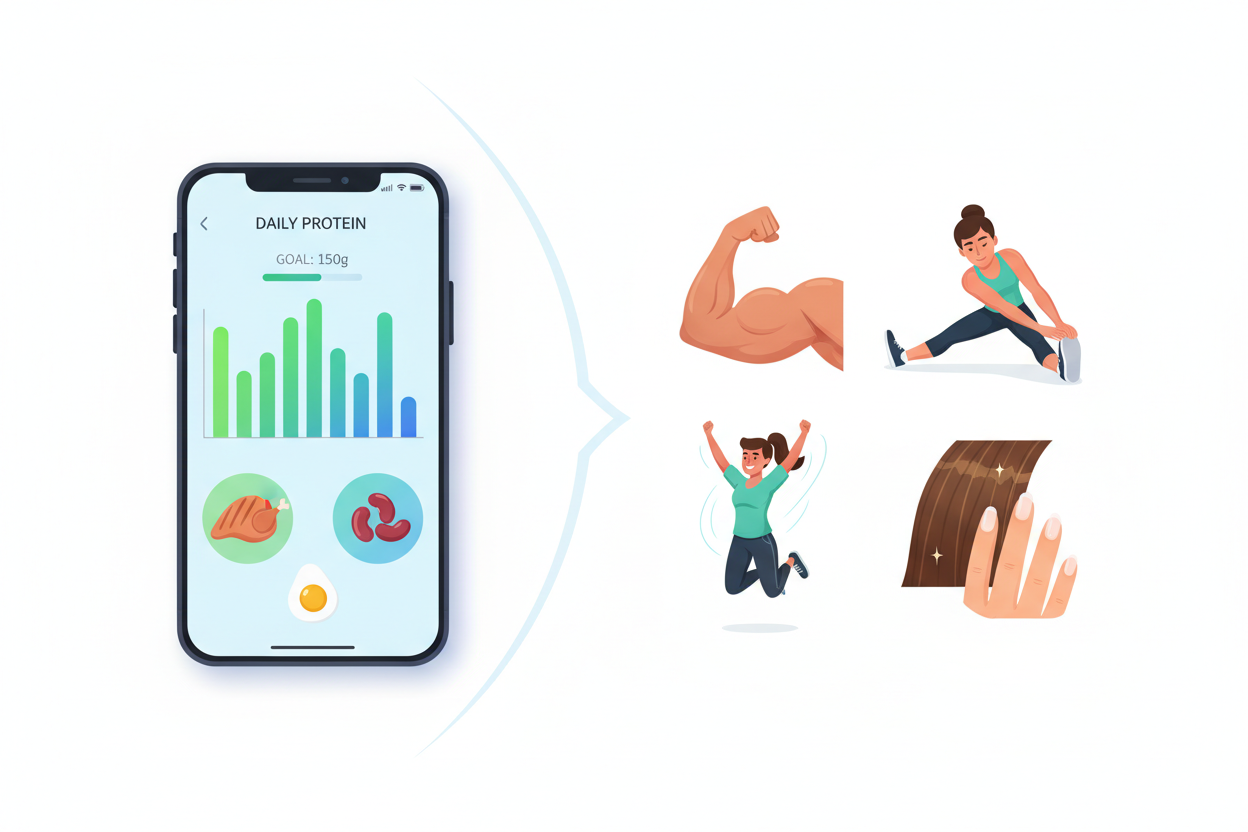
Track your intake for a few days using a nutrition app to get baseline numbers. Signs of adequate protein include maintaining or gaining muscle mass, good recovery from workouts, stable energy levels, and healthy hair and nails.
Conclusion: Embracing Nature’s Protein Calendar
Building muscle with seasonal plant-based proteins isn’t just possible – it’s an incredibly rewarding way to connect with natural cycles while supporting your fitness goals. By understanding what each season offers and planning accordingly, you can maintain optimal protein intake year-round while enjoying the freshest, most flavorful foods available.
The journey requires some initial learning and planning, but the benefits extend far beyond muscle building. Seasonal eating supports local agriculture, reduces environmental impact, saves money, and introduces incredible variety into your diet. You’ll discover new flavors, textures, and cooking methods while building the strong, healthy body you desire.
Remember that consistency matters more than perfection. Start by incorporating one or two new seasonal proteins each month, and gradually build your repertoire. Your muscles – and your taste buds – will thank you for embracing nature’s protein calendar.
The path to plant-powered muscle building is as diverse and abundant as nature itself. Each season brings new opportunities to fuel your body with fresh, whole foods that support your goals while celebrating the incredible variety our planet provides. Embrace the journey, enjoy the process, and watch your strength grow along with your appreciation for seasonal eating.