Cambodian Herbs and Spices for Quick Recovery Recipes: Traditional Healing Through Ancient Flavors
Table of Contents
1. Introduction to Cambodian Healing Traditions
2. Essential Cambodian Herbs for Recovery
3. Powerful Spices in Traditional Khmer Medicine
4. Quick Recovery Recipes Using Cambodian Ingredients
5. How to Source and Store Cambodian Herbs and Spices
6. Safety Considerations and Preparation Tips
7. Conclusion
8. Frequently Asked Questions
Introduction to Cambodian Healing Traditions
For centuries, Cambodian cuisine has been more than just sustenance—it’s been medicine. The ancient Khmer civilization developed a sophisticated understanding of how food could heal the body, combining aromatic herbs and potent spices into recipes designed to restore health and vitality. When you’re feeling under the weather or recovering from illness, these time-tested Cambodian herbs and spices can provide natural relief while delivering incredible flavors that make healing feel like a culinary adventure.
Traditional Cambodian medicine, deeply rooted in Ayurvedic and Chinese medicinal practices, emphasizes balance and harmony within the body. This holistic approach recognizes that what we eat directly impacts our ability to recover from illness, manage pain, and maintain optimal health. The beauty of incorporating these healing ingredients into your recovery routine lies in their accessibility and the fact that they taste absolutely delicious.
Whether you’re battling a stubborn cold, recovering from surgery, or simply feeling run down, Cambodian herbs and spices offer gentle yet effective support for your body’s natural healing processes. Let’s explore these remarkable ingredients and discover how to transform them into quick, nourishing recovery recipes that your taste buds and your body will thank you for.
Essential Cambodian Herbs for Recovery
Galangal: The Digestive Powerhouse
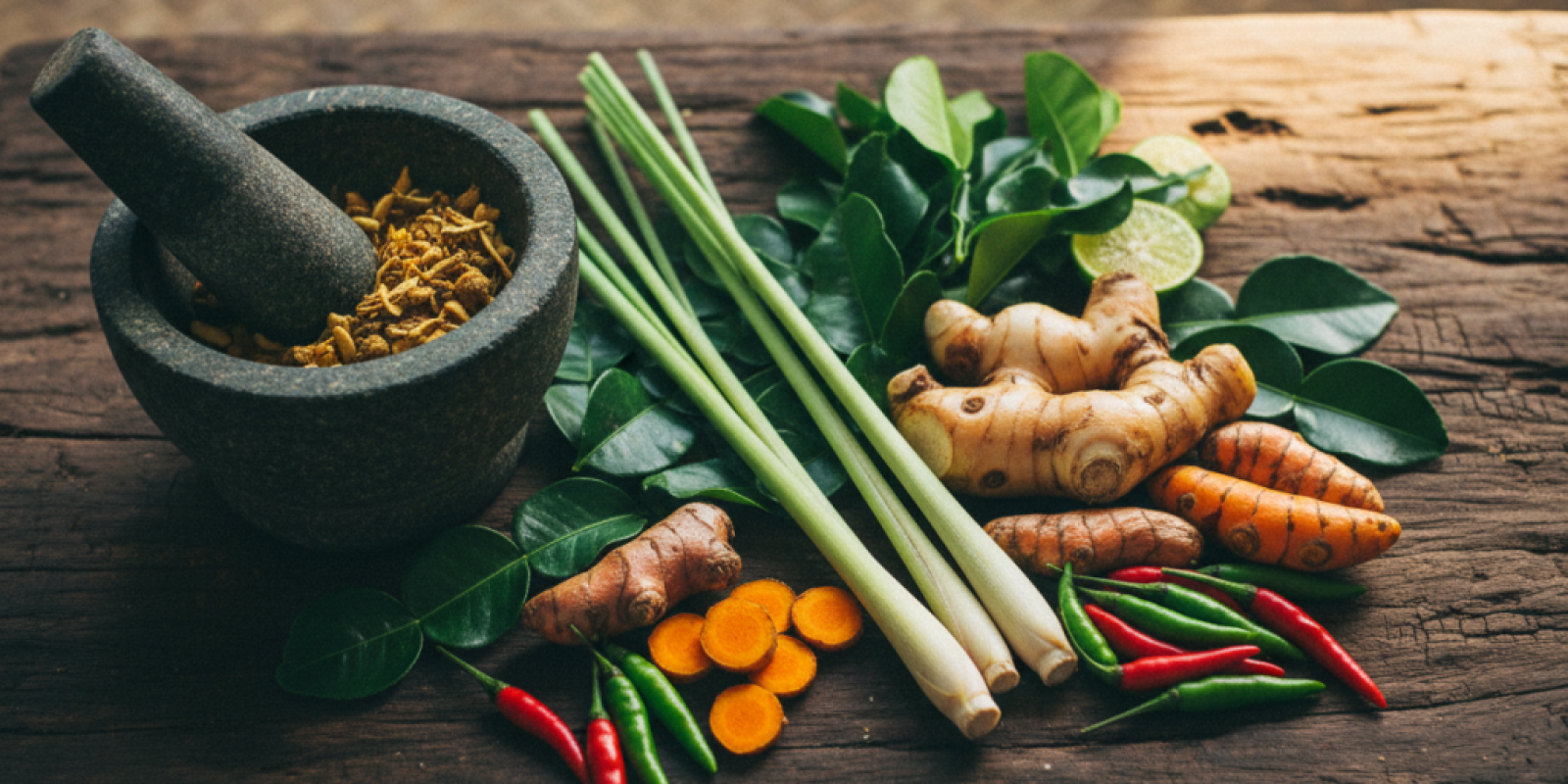
Often mistaken for ginger, galangal is actually a distinct rhizome with its own unique healing properties. This aromatic root has been a cornerstone of Cambodian cooking and traditional medicine for generations. Galangal contains powerful anti-inflammatory compounds that can help reduce swelling and pain throughout the body, making it particularly valuable during recovery periods.
What makes galangal especially beneficial for quick recovery is its ability to stimulate digestion and improve nutrient absorption. When you’re healing, your body needs every vitamin and mineral it can get, and galangal helps ensure that the nutrients from your food are properly utilized. Its warming properties also help boost circulation, which can speed up the healing process.
Lemongrass: Nature’s Fever Reducer
The citrusy, refreshing aroma of lemongrass isn’t just pleasant—it’s therapeutic. This tall, fragrant grass has been used in Cambodian folk medicine to treat fevers, reduce inflammation, and calm digestive upset. The essential oils in lemongrass contain compounds that have natural antibacterial and antifungal properties, making it an excellent choice when you’re fighting off infections.
Lemongrass is particularly effective when prepared as a tea or incorporated into broths. Its gentle diuretic properties help flush toxins from the system, while its calming effects can improve sleep quality—both crucial factors in recovery. The herb also contains antioxidants that support immune function and help protect cells from damage during the healing process.
Kaffir Lime Leaves: Stress-Busting Aromatherapy
The distinctive double leaves of the kaffir lime tree offer more than just incredible fragrance—they’re packed with compounds that support mental and physical recovery. These glossy green leaves contain essential oils that have been shown to reduce stress and anxiety, which can significantly impact your body’s ability to heal effectively.
Traditional Cambodian healers have long recognized the connection between mental state and physical recovery. Kaffir lime leaves help create a sense of calm and well-being that allows the body to focus its energy on healing rather than managing stress. When used in cooking, these leaves impart a bright, citrusy flavor that can help stimulate appetite—important when you need proper nutrition for recovery.
Powerful Spices in Traditional Khmer Medicine
Turmeric: The Golden Healer
Perhaps no spice is more revered in Cambodian healing traditions than turmeric. This golden root contains curcumin, a compound with remarkable anti-inflammatory and antioxidant properties. Regular consumption of turmeric can help reduce chronic inflammation, support liver function, and even boost mood—all essential components of effective recovery.
What’s particularly impressive about turmeric is its versatility in recovery recipes. It can be incorporated into warming golden milk drinks, healing curry pastes, or simple rice dishes. The key to maximizing turmeric’s benefits is combining it with black pepper and a healthy fat, which dramatically increases the absorption of its active compounds.
Black Pepper: The Bioavailability Booster
While black pepper might seem like a simple seasoning, in Cambodian traditional medicine, it’s considered a powerful healing enhancer. The piperine in black pepper doesn’t just add heat to dishes—it significantly increases the bioavailability of other nutrients and medicinal compounds. This makes it an essential partner for turmeric and other healing spices.
Black pepper also has its own therapeutic properties, including the ability to improve digestion, reduce congestion, and provide natural pain relief. During recovery, when your body needs maximum nutrition from every meal, black pepper ensures that you’re getting the most benefit from your healing foods.
Star Anise: Respiratory Relief Specialist
The beautiful star-shaped pods of star anise aren’t just visually striking—they’re incredibly effective for respiratory recovery. This spice contains shikimic acid, the same compound used to make the antiviral medication Tamiflu. Traditional Cambodian healers have long used star anise to treat coughs, congestion, and respiratory infections.
The warming, licorice-like flavor of star anise makes it perfect for healing teas and broths. Its expectorant properties help clear mucus from the respiratory system, while its antimicrobial effects support the body’s fight against infections. For anyone recovering from respiratory illness, star anise is an invaluable ally.
Quick Recovery Recipes Using Cambodian Ingredients
Healing Galangal and Lemongrass Broth
This simple yet powerful broth combines the digestive benefits of galangal with the fever-reducing properties of lemongrass. Start by simmering 2 inches of fresh galangal (sliced), 3 stalks of lemongrass (bruised), and 4 kaffir lime leaves in 6 cups of water for 20 minutes. Strain the liquid and add a pinch of sea salt. This aromatic broth can be sipped throughout the day or used as a base for rice soup with shredded chicken or tofu.
The beauty of this recipe lies in its simplicity and effectiveness. The hot liquid helps maintain hydration while the herbs work their healing magic. You can customize this broth by adding ginger for extra warmth, coconut milk for richness, or vegetables for additional nutrients. Many people find that this broth helps clear congestion and provides comfort during illness.
Golden Turmeric Recovery Rice
This nourishing rice dish combines the anti-inflammatory power of turmeric with easily digestible carbohydrates that provide steady energy during recovery. Cook 1 cup of jasmine rice with 2 cups of the galangal-lemongrass broth, 1 teaspoon of turmeric powder, a pinch of black pepper, and a tablespoon of coconut oil. The result is a golden, fragrant rice that’s gentle on the stomach yet packed with healing compounds.
This recipe is particularly valuable because it’s easy to digest while providing sustained energy. The coconut oil helps with the absorption of turmeric’s beneficial compounds, while the aromatic herbs make even a diminished appetite more interested in eating. You can top this rice with steamed vegetables, soft-cooked eggs, or shredded meat for additional protein and nutrients.
Star Anise Respiratory Relief Tea
For respiratory recovery, nothing beats this warming tea that combines star anise with other healing spices. Simmer 2 star anise pods, 1 cinnamon stick, 3 cloves, and a 1-inch piece of ginger in 3 cups of water for 15 minutes. Strain and sweeten with honey if desired. This tea provides powerful respiratory support while delivering warming comfort that soothes both body and spirit.
The combination of spices in this tea creates a synergistic effect that’s greater than the sum of its parts. The star anise provides antiviral support, the cinnamon adds circulation-boosting warmth, the cloves offer antimicrobial benefits, and the ginger aids digestion and reduces nausea. Drinking this tea 2-3 times daily can provide significant support during respiratory recovery.
How to Source and Store Cambodian Herbs and Spices
Finding authentic Cambodian herbs and spices has become easier with the growth of Asian grocery stores and online retailers. Look for Asian markets in your area, as they often carry fresh galangal, lemongrass, and kaffir lime leaves. Many online spice retailers now offer high-quality dried versions of these ingredients, which can be just as effective for healing purposes.
When selecting fresh herbs, choose specimens that are firm, aromatic, and free from dark spots or wilting. Fresh galangal should have tight, unblemished skin, while lemongrass stalks should be pale green with white bases. Kaffir lime leaves should be glossy and deeply fragrant when gently crushed between your fingers.
Proper storage is crucial for maintaining the potency of these healing ingredients. Fresh herbs like galangal and lemongrass can be wrapped in damp paper towels and stored in the refrigerator for up to two weeks. Kaffir lime leaves freeze beautifully and can be used directly from the freezer. Dried spices should be stored in airtight containers away from light and heat, and replaced annually for maximum potency.
Safety Considerations and Preparation Tips
While Cambodian herbs and spices are generally safe for most people, it’s important to use them mindfully, especially during recovery periods. Start with small amounts to assess your body’s response, and always consult with healthcare providers if you’re taking medications or have underlying health conditions. Some herbs can interact with certain medications or may not be appropriate during pregnancy or breastfeeding.
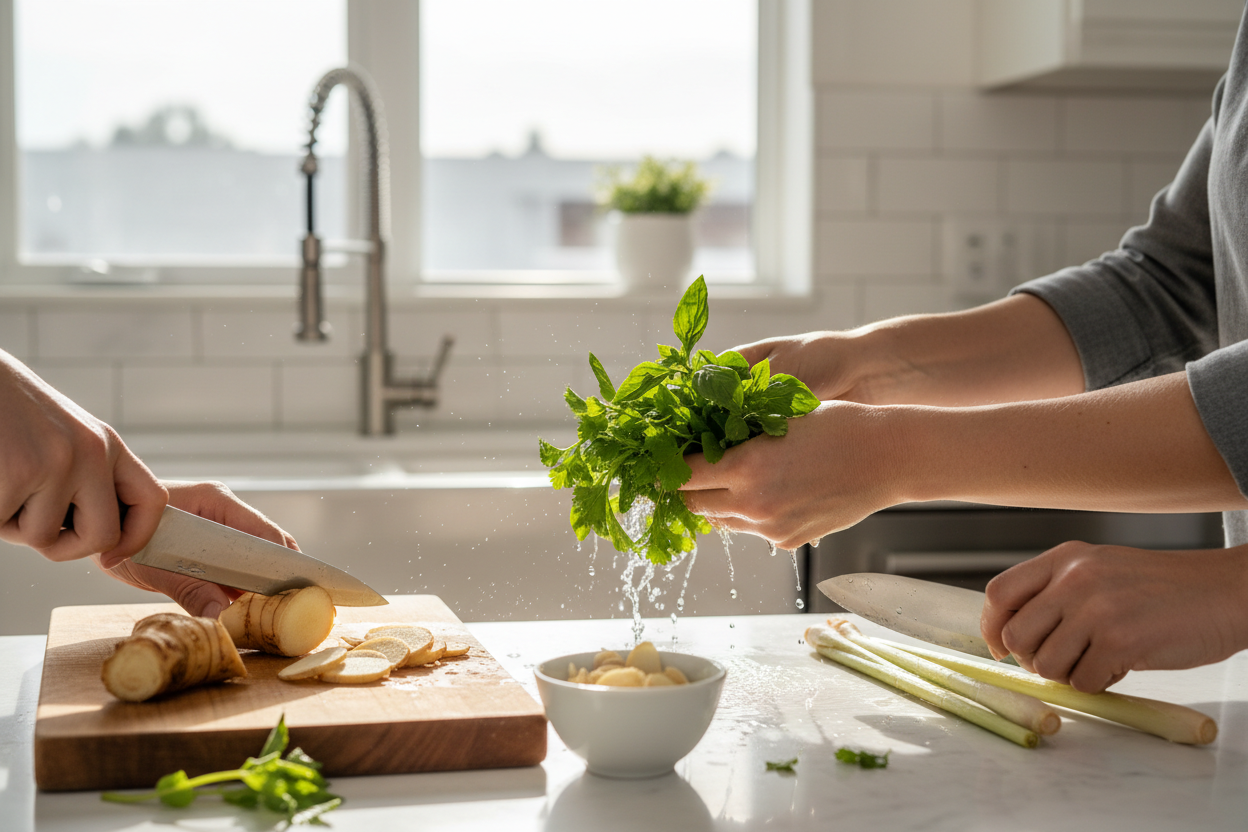
Proper preparation is key to both safety and effectiveness. Always wash fresh herbs thoroughly before use, and be sure to remove any fibrous or tough portions that could be difficult to digest. When preparing galangal, use a sharp knife or mandoline to slice it thinly, as it can be quite fibrous. Lemongrass stalks should be bruised with the back of a knife to release their essential oils before adding to recipes.
Pay attention to your body’s responses when incorporating these healing ingredients into your recovery routine. While most people tolerate these herbs and spices well, some individuals may experience digestive sensitivity or allergic reactions. If you notice any adverse effects, discontinue use and consult with a healthcare professional.
Conclusion
The ancient wisdom embedded in Cambodian culinary traditions offers us powerful tools for supporting our body’s natural healing processes. These remarkable herbs and spices—from the warming embrace of galangal to the respiratory relief of star anise—provide gentle yet effective support during recovery periods. By incorporating these ingredients into simple, nourishing recipes, we can harness centuries of healing knowledge while enjoying delicious, comforting meals.
The beauty of using Cambodian herbs and spices for recovery lies not just in their therapeutic properties, but in their ability to transform the healing process into something pleasurable and nourishing for both body and soul. These ingredients remind us that medicine doesn’t have to taste unpleasant or feel like a chore—it can be fragrant, flavorful, and deeply satisfying.
As you explore these healing ingredients and recipes, remember that recovery is a process that requires patience and self-compassion. These traditional remedies work best when combined with adequate rest, proper hydration, and appropriate medical care when needed. Let the aromatic warmth of these Cambodian herbs and spices support you on your journey back to health, one delicious, healing meal at a time.
Frequently Asked Questions
Can I use dried versions of these herbs instead of fresh ones?
Yes, dried herbs can be effective alternatives to fresh ones, though they may have slightly different potency levels. Use about one-third the amount of dried herbs compared to fresh, and store them properly to maintain their healing properties. Dried galangal powder, lemongrass, and kaffir lime leaves are all readily available and work well in recovery recipes.
Are these herbs safe for children during illness?
Most of these herbs are safe for children when used in culinary amounts, but it’s always best to consult with a pediatrician before using them medicinally. Start with very small amounts and dilute teas appropriately for young children. Honey should not be given to children under 12 months of age.
How long does it typically take to see benefits from these healing recipes?
The timeline for experiencing benefits varies depending on the individual and the condition being addressed. Some people notice immediate comfort from warming teas and broths, while anti-inflammatory effects may take several days of consistent use to become apparent. These herbs work best as part of a comprehensive recovery approach rather than as standalone treatments.
Can I combine these Cambodian herbs with Western medications?
While these herbs are generally safe, some may interact with certain medications. Turmeric, for example, can enhance the effects of blood-thinning medications. Always inform your healthcare provider about any herbal remedies you’re using and consult with them before combining herbs with prescription medications.
Where can I find authentic Cambodian herbs if I don’t have an Asian grocery store nearby?
Many online retailers specialize in Asian ingredients and offer fresh, frozen, or dried versions of these herbs. Some mainstream grocery stores are also beginning to carry items like fresh lemongrass and galangal in their international sections. Specialty spice shops and health food stores may also carry these ingredients or be able to order them for you.