Belgian Chocolate Alternatives: Healthy Quick Recipes for Sweet Cravings
Table of Contents
1. Introduction
2. Why Look for Belgian Chocolate Alternatives?
3. Essential Ingredients for Healthy Chocolate Alternatives
4. Quick 5-Minute Chocolate Recipes
5. 15-Minute Decadent Chocolate Treats
6. No-Bake Chocolate Solutions
7. Tips for Perfect Healthy Chocolate Making
8. Storage and Serving Suggestions
9. Conclusion
10. Frequently Asked Questions
Introduction
There’s something undeniably magical about Belgian chocolate. That rich, velvety texture and intense cocoa flavor has captivated sweet lovers for generations. But what happens when you’re trying to maintain a healthier lifestyle without sacrificing those moments of pure chocolate bliss?
I’ve been there – standing in my kitchen at 9 PM, desperately craving something chocolatey but knowing that reaching for that expensive Belgian truffle isn’t aligned with my health goals. That’s when I discovered the wonderful world of healthy chocolate alternatives that can satisfy even the most discerning chocolate connoisseur.
Today, I’m sharing my collection of quick, healthy recipes that deliver the same satisfaction as premium Belgian chocolate, but with ingredients that nourish your body instead of derailing your wellness journey. These aren’t just “healthy versions” – they’re genuinely delicious treats that happen to be good for you too.
Why Look for Belgian Chocolate Alternatives?
Belgian chocolate, while absolutely divine, comes with some considerations that might have you seeking alternatives. First, there’s the cost factor – quality Belgian chocolate can be quite expensive for regular indulgence. Then there’s the nutritional aspect: traditional Belgian chocolates are typically high in refined sugar, dairy, and calories.
But here’s what I’ve learned through years of experimenting: you don’t have to compromise on taste to make healthier choices. The key lies in understanding what makes Belgian chocolate so appealing – that perfect balance of sweetness, richness, and smooth texture – and recreating those qualities using wholesome ingredients.
Healthy chocolate alternatives also offer additional benefits like antioxidants from raw cacao, healthy fats from nuts and coconut oil, and natural sweeteners that won’t spike your blood sugar. Plus, making your own chocolate treats means you control every ingredient that goes into your body.
Essential Ingredients for Healthy Chocolate Alternatives
Creating exceptional healthy chocolate alternatives starts with stocking your pantry with the right ingredients. Raw cacao powder is your best friend here – it provides that deep, complex chocolate flavor without the added sugars found in processed cocoa. I always keep both raw cacao powder and cacao nibs on hand for different texture needs.
For sweetening, natural alternatives like pure maple syrup, raw honey, or dates work beautifully. Coconut palm sugar is another excellent option that provides caramel undertones. These natural sweeteners not only taste better but also provide minerals and don’t cause the same blood sugar spikes as refined sugar.
Healthy fats are crucial for achieving that luxurious mouthfeel Belgian chocolate is famous for. Coconut oil, nut butters, and avocado might sound unusual, but they create incredibly smooth, rich textures. Cashew butter, in particular, creates an almost identical creaminess to dairy-based chocolates.
Don’t forget about flavor enhancers like vanilla extract, sea salt, and spices such as cinnamon or cardamom. These ingredients add depth and complexity that rival the most sophisticated Belgian chocolates.
Quick 5-Minute Chocolate Recipes
When chocolate cravings strike, you need solutions that work fast. My go-to 5-minute chocolate mug cake has saved me countless times. Simply mix two tablespoons of almond flour, one tablespoon of raw cacao powder, one tablespoon of maple syrup, and a pinch of baking soda with three tablespoons of plant milk. Microwave for 90 seconds, and you have a warm, gooey chocolate cake that rivals any Belgian dessert.
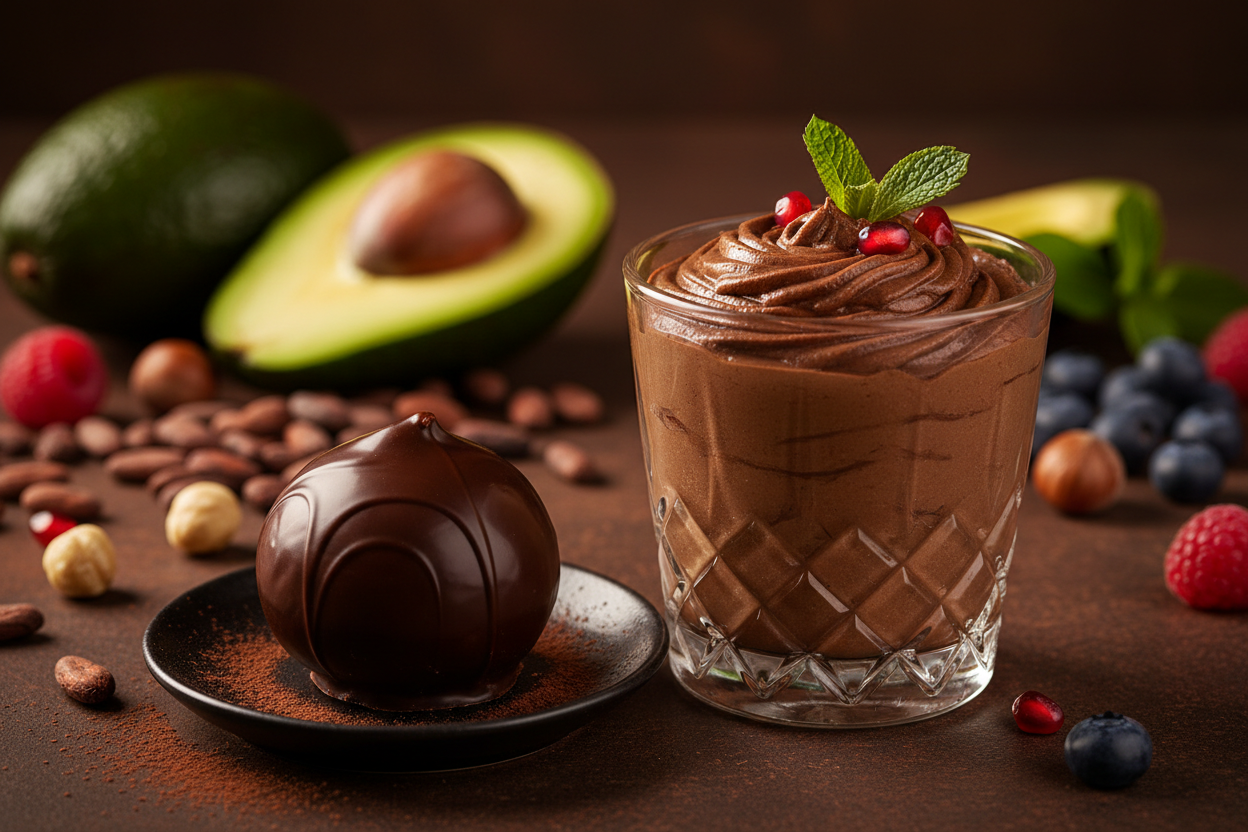
Another lightning-fast option is my chocolate avocado mousse. Blend half a ripe avocado, two tablespoons of cacao powder, two tablespoons of maple syrup, and a splash of vanilla extract until smooth. The result is an incredibly rich, creamy mousse that tastes indulgent but provides healthy fats and fiber.
For something you can grab and go, try my instant chocolate energy balls. Combine dates, raw almonds, cacao powder, and a pinch of sea salt in a food processor. Roll into balls, and you have portable chocolate satisfaction that actually energizes rather than crashes your system.
15-Minute Decadent Chocolate Treats
When you have a bit more time, you can create truly spectacular chocolate treats. My raw chocolate bark takes about 15 minutes and delivers professional-quality results. Melt coconut oil gently, whisk in cacao powder, maple syrup, and vanilla, then pour onto a parchment-lined tray. Add toppings like crushed nuts, dried fruit, or coconut flakes before refrigerating.
Chocolate-covered strawberries get a healthy makeover with this simple technique. Create a chocolate coating using melted coconut oil, cacao powder, and a touch of honey. Dip fresh strawberries and place on a chilled plate. The chocolate sets quickly, creating a satisfying snap that mimics high-end Belgian chocolates.
My personal favorite is the 15-minute chocolate tart. Press a mixture of ground almonds, dates, and cacao powder into a small tart pan. Fill with chocolate avocado mousse and chill briefly. The contrast between the crunchy crust and silky filling creates an experience that’s remarkably similar to premium Belgian desserts.
No-Bake Chocolate Solutions
No-bake recipes are perfect for hot weather or when you want to avoid heating up your kitchen. My no-bake chocolate cheesecake uses cashews soaked for just 30 minutes, blended with cacao powder, coconut cream, and maple syrup. The result is incredibly creamy and rich, with a complexity that develops beautifully as it chills.
Chocolate truffles don’t require any special equipment or techniques. Mix coconut oil, almond butter, cacao powder, and maple syrup until smooth. Chill until firm enough to roll, then coat in additional cacao powder, chopped nuts, or coconut flakes. These truffles have the same luxurious texture as Belgian varieties but with wholesome ingredients.
For a fun twist, try chocolate “nice cream” made from frozen bananas. Blend frozen banana slices with cacao powder and a splash of plant milk until creamy. The natural sweetness of bananas eliminates the need for added sugars, while the texture is remarkably similar to premium ice cream.
Tips for Perfect Healthy Chocolate Making
Success in healthy chocolate making comes down to understanding a few key principles. Temperature control is crucial, especially when working with coconut oil-based recipes. Coconut oil melts at around 76 degrees Fahrenheit, so gentle warming prevents separation and ensures smooth textures.
Taste as you go and adjust sweetness gradually. Natural sweeteners can vary in intensity, and your palate might need time to adjust if you’re transitioning from highly processed sweets. I’ve found that slightly under-sweetening initially often results in perfect sweetness once flavors meld.
Texture is everything in chocolate making. Blending times matter significantly – under-blending leaves you with gritty textures, while over-blending can cause separation in nut-based recipes. When in doubt, blend in short bursts and check consistency frequently.
Don’t skip the salt. A tiny pinch of high-quality sea salt enhances chocolate flavors dramatically and helps bridge the gap between healthy alternatives and traditional Belgian chocolates. It’s often the secret ingredient that makes people say “I can’t believe this is healthy!”
Storage and Serving Suggestions
Proper storage ensures your healthy chocolate creations maintain their quality and appeal. Most coconut oil-based chocolates should be stored in the refrigerator, especially in warm weather. However, remove them about 10-15 minutes before serving to allow them to come to the perfect eating temperature.
Airtight containers are essential for preventing your chocolates from absorbing other flavors or losing moisture. Glass containers work particularly well for chocolate barks and truffles, while individual wrapping in parchment paper works beautifully for chocolate-covered fruits.
Presentation elevates the entire experience. Dust truffles with cacao powder just before serving, arrange chocolate bark pieces on a beautiful plate, or serve mousse in elegant glasses. These small touches make healthy alternatives feel just as special as expensive Belgian chocolates.
Consider pairing suggestions that complement your healthy chocolates. Fresh berries, nuts, or a cup of herbal tea can enhance the chocolate experience while adding nutritional value. These combinations often create more satisfying experiences than chocolate alone.
Conclusion
Creating healthy alternatives to Belgian chocolate isn’t about deprivation – it’s about discovering new ways to enjoy chocolate that align with your wellness goals. Through these recipes and techniques, you can satisfy those deep chocolate cravings while nourishing your body with wholesome ingredients.
The beauty of these alternatives lies not just in their health benefits, but in their ability to deliver genuine satisfaction. When you bite into a homemade raw chocolate truffle or savor a spoonful of avocado chocolate mousse, you’re not settling for a “healthy version” – you’re enjoying a delicious treat that happens to be good for you.
Start with one or two recipes that appeal to you most, and gradually build your repertoire. As your palate adjusts and your skills develop, you’ll find that these healthy alternatives become not just substitutes, but preferences. Your body will thank you, your taste buds will be satisfied, and you’ll never feel deprived of chocolate again.
Frequently Asked Questions
Can these healthy chocolate alternatives really taste as good as Belgian chocolate?
While they offer a different flavor profile, many people find these alternatives equally satisfying once their palate adjusts. The key is using high-quality ingredients and proper techniques to achieve rich, complex flavors that rival traditional chocolates.
How long do homemade healthy chocolates last?
Most recipes will stay fresh for 5-7 days when stored properly in the refrigerator. Some items like chocolate bark can last up to two weeks, while fresh fruit-based treats should be consumed within 2-3 days.
Are these recipes suitable for people with dietary restrictions?
Many of these recipes are naturally vegan, gluten-free, and dairy-free. However, always check individual ingredients against specific dietary needs, especially regarding nuts and coconut products.
What’s the best natural sweetener for chocolate recipes?
Maple syrup and dates work exceptionally well for most recipes, providing sweetness without overpowering chocolate flavors. The choice often depends on the desired texture and personal taste preferences.
Can I make these recipes without specialized ingredients like raw cacao?
While raw cacao provides the best flavor, you can substitute regular unsweetened cocoa powder in most recipes. The taste will be slightly different but still delicious. Start with these substitutions and upgrade ingredients as you develop your chocolate-making skills.