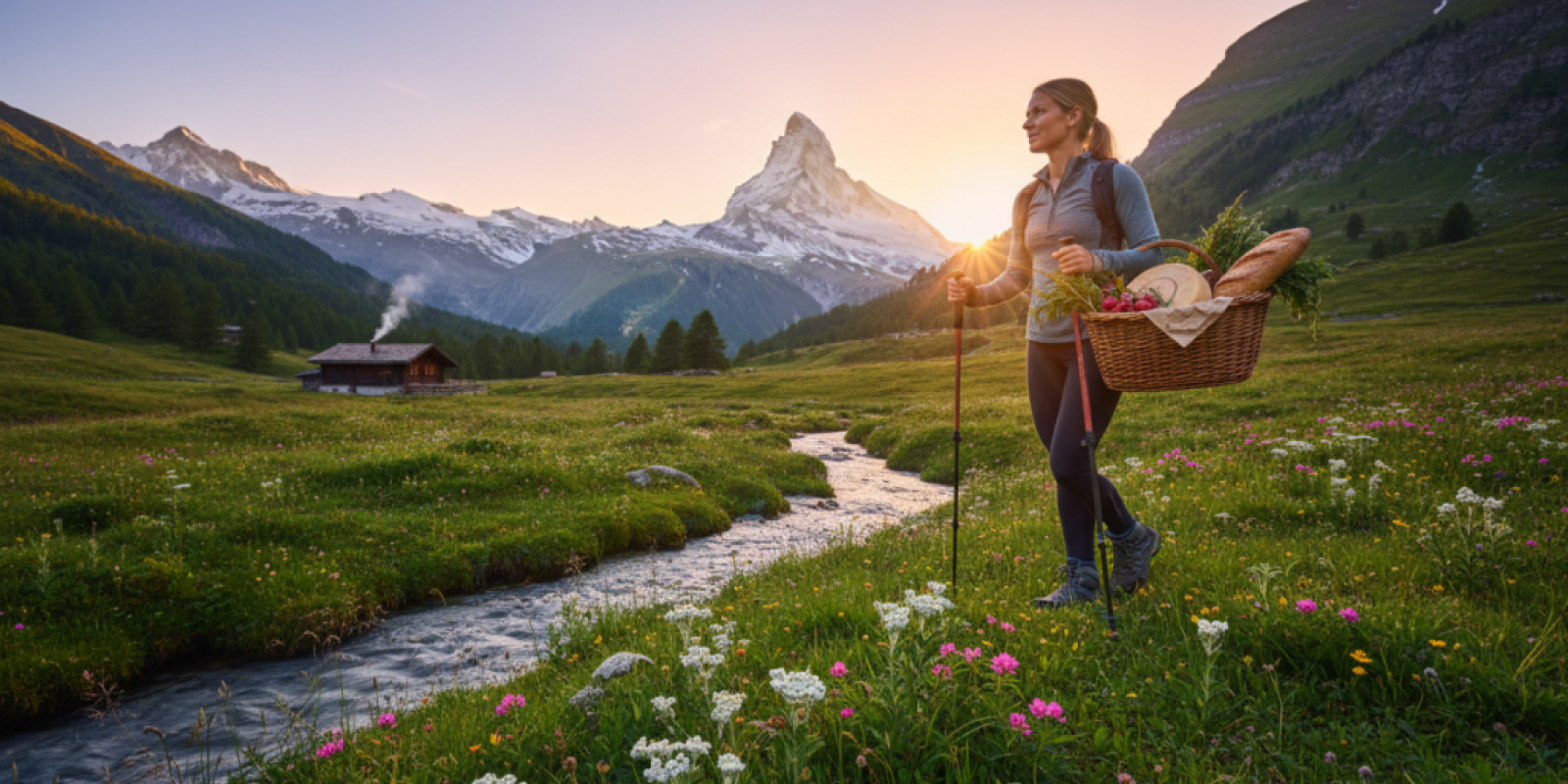
The Swiss Mountain Diet: High-Altitude Foods for Women’s Fitness
Table of Contents
1. Introduction to the Swiss Mountain Diet
2. Understanding High-Altitude Nutrition for Women
3. Core Components of Traditional Swiss Mountain Foods
4. Alpine Dairy Products: Calcium and Protein Powerhouses
5. Mountain Grains and Ancient Seeds for Sustained Energy
6. Wild Herbs and Alpine Plants: Nature’s Superfoods
7. Lean Mountain Proteins for Muscle Development
8. How to Incorporate Swiss Mountain Diet Principles into Modern Life
9. Seasonal Eating Patterns from the Alps
10. Benefits for Women’s Fitness and Health Goals
11. Conclusion
12. Frequently Asked Questions
Introduction to the Swiss Mountain Diet
Nestled high in the Swiss Alps, where the air is crisp and the landscape breathtaking, generations of mountain dwellers have thrived on a diet that’s as robust as the terrain itself. The Swiss Mountain Diet isn’t just another trendy eating plan – it’s a time-tested approach to nutrition that has sustained active, healthy communities for centuries.
What makes this alpine approach to eating particularly fascinating for modern women is how perfectly it aligns with contemporary fitness and wellness goals. The traditional foods consumed in Swiss mountain villages are naturally rich in the nutrients that support lean muscle development, sustained energy levels, and overall vitality. These hardy mountain communities have long understood something we’re just beginning to rediscover: that food should fuel both body and spirit.
As someone who’s spent considerable time researching traditional diets from around the world, I’ve found few eating patterns as naturally suited to supporting an active lifestyle as the one developed in these high-altitude environments. The combination of clean air, physical demands of mountain living, and nutrient-dense local foods created a perfect storm for optimal health.
Understanding High-Altitude Nutrition for Women
Living at high altitude presents unique nutritional challenges and opportunities. The lower oxygen levels mean your body works harder for every breath, increasing your metabolic demands. Your body also needs more iron to produce additional red blood cells, and you require extra calories to maintain body temperature in the cooler mountain climate.

For women specifically, these altitude-related nutritional needs align surprisingly well with common fitness goals. The increased protein requirements support muscle development and recovery, while the higher caloric needs can actually make it easier to maintain energy levels during intense training periods. The traditional Swiss mountain diet evolved to meet these exact demands.
What’s particularly interesting is how mountain-dwelling women historically maintained exceptional bone density and cardiovascular health well into their golden years. This wasn’t just due to their active lifestyle – though daily hikes up steep terrain certainly helped – but also because their traditional diet was naturally rich in the minerals and vitamins that support long-term health.
Core Components of Traditional Swiss Mountain Foods
The foundation of the Swiss Mountain Diet rests on several key principles that make it incredibly effective for women’s fitness goals. First, it emphasizes whole, unprocessed foods that are locally sourced and seasonal. This means maximum nutrient density and minimal empty calories – something every fitness enthusiast can appreciate.
The diet is also naturally high in healthy fats, particularly from dairy products and nuts, which provide sustained energy and support hormone production. This is crucial for women, as healthy fats play a vital role in maintaining optimal hormone levels that support both fitness performance and overall wellbeing.
Another cornerstone is the emphasis on fermented foods, which were essential for food preservation in mountain communities before refrigeration. These naturally probiotic-rich foods support digestive health, which directly impacts nutrient absorption and immune function – both critical for anyone maintaining an active lifestyle.
Alpine Dairy Products: Calcium and Protein Powerhouses
Swiss mountain cheese isn’t just delicious – it’s a nutritional powerhouse that perfectly exemplifies the benefits of the alpine diet. The cows that graze on high-altitude pastures produce milk that’s significantly higher in omega-3 fatty acids and conjugated linoleic acid (CLA) compared to conventional dairy products. These compounds have been shown to support lean body composition and may even help with fat metabolism.
The traditional cheese-making process used in Swiss mountain communities also increases the bioavailability of nutrients. The long aging process breaks down proteins into more easily digestible forms while concentrating minerals like calcium and phosphorus. For women concerned about bone health – especially those engaged in high-impact activities – these aged alpine cheeses provide an excellent source of bone-building nutrients.
Fresh mountain yogurt and kefir, made from the same high-quality milk, offer additional benefits through their probiotic content. The specific strains of beneficial bacteria found in traditionally fermented alpine dairy products have been associated with improved digestion, enhanced immune function, and even mood regulation.
Mountain Grains and Ancient Seeds for Sustained Energy
The harsh mountain climate meant that traditional Swiss communities had to be selective about their grain choices, favoring hardy varieties that could withstand short growing seasons and challenging conditions. This led to a reliance on nutrient-dense options like spelt, rye, and various ancient grains that are now recognized as superfoods.
Spelt, in particular, was a staple in mountain communities and offers several advantages over modern wheat varieties. It’s higher in protein, contains more minerals like magnesium and zinc, and many people find it easier to digest. For women focused on fitness goals, spelt provides steady energy release without the blood sugar spikes associated with refined grains.
Mountain communities also made extensive use of seeds and nuts that could be foraged from the alpine environment. Pine nuts, hazelnuts, and various wild seeds were incorporated into breads and porridges, adding healthy fats, protein, and essential minerals to the diet. These additions helped create meals that provided sustained energy for the physical demands of mountain life.
Wild Herbs and Alpine Plants: Nature’s Superfoods
One of the most fascinating aspects of the traditional Swiss mountain diet is the extensive use of wild herbs and alpine plants. These weren’t just flavor enhancers – they were essential sources of vitamins, minerals, and phytonutrients that supported health and vitality in the challenging mountain environment.
Alpine herbs like Swiss stone pine, juniper, and various mountain flowers contain concentrated antioxidants that help combat the oxidative stress associated with high-altitude living and intense physical activity. For modern women engaged in regular exercise, these same compounds can support recovery and reduce inflammation.
Many of these traditional alpine plants also have adaptogenic properties, meaning they help the body better manage stress and maintain energy levels. This is particularly relevant for women balancing demanding fitness routines with busy lifestyles. While you might not be able to forage for wild Swiss herbs, many of these plants are now available as supplements or can be grown in herb gardens.
Lean Mountain Proteins for Muscle Development
The protein sources in the traditional Swiss mountain diet were necessarily lean and efficient. Game meats like venison and wild boar provided high-quality protein with minimal saturated fat, while fish from mountain lakes offered omega-3 fatty acids essential for heart and brain health.
What’s particularly noteworthy about these traditional protein sources is their amino acid profiles. Wild game and alpine fish tend to have more complete amino acid profiles compared to conventionally raised alternatives, making them excellent choices for supporting muscle development and recovery – key concerns for women engaged in strength training or endurance activities.
The preparation methods used in mountain communities also maximized the nutritional value of these proteins. Slow cooking methods, smoking, and curing not only preserved the meat for long winters but also made the proteins more digestible and concentrated the nutrients. These traditional preparation techniques can be adapted for modern kitchens to enhance the nutritional value of contemporary protein sources.
How to Incorporate Swiss Mountain Diet Principles into Modern Life
You don’t need to move to the Alps to benefit from Swiss mountain diet principles. The key is understanding the underlying concepts and adapting them to your current lifestyle and food availability. Start by focusing on whole, unprocessed foods and emphasizing quality over quantity.
Look for grass-fed dairy products, which more closely resemble the high-quality alpine dairy that forms such an important part of the traditional diet. Choose aged cheeses when possible, as the aging process increases nutrient density and digestibility. If you tolerate dairy well, incorporating full-fat yogurt and kefir can provide beneficial probiotics and sustained energy.
When selecting grains, opt for ancient varieties like spelt, rye, or quinoa over highly processed options. These provide more stable energy and better nutrient profiles. Similarly, choose lean, high-quality proteins and don’t be afraid of healthy fats – they’re essential for hormone production and sustained energy, both crucial for women’s fitness goals.
Seasonal Eating Patterns from the Alps
One of the most valuable lessons from the Swiss mountain diet is the importance of seasonal eating. Mountain communities had no choice but to eat seasonally, and this pattern actually optimizes nutrition and supports natural body rhythms that can enhance fitness performance.
During spring and summer months, the diet emphasized fresh herbs, early vegetables, and lighter dairy products. This naturally higher intake of fresh, raw foods provided enzymes and vitamins that supported the more active outdoor season. Fall brought hearty root vegetables, nuts, and the preparation of preserved foods for winter.
Winter eating focused on stored grains, aged cheeses, preserved meats, and fermented vegetables. This pattern naturally provided more warming foods and higher calorie density during the coldest months. For modern women, adopting similar seasonal patterns can help optimize energy levels and support training cycles throughout the year.
Benefits for Women’s Fitness and Health Goals
The Swiss Mountain Diet offers several specific benefits that align perfectly with women’s fitness and health objectives. The high protein content supports lean muscle development and maintenance, while the emphasis on healthy fats helps maintain stable energy levels and supports hormone production.
The naturally anti-inflammatory properties of many alpine foods can help reduce exercise-induced inflammation and support faster recovery times. This is particularly beneficial for women who engage in regular high-intensity training or endurance activities.
Perhaps most importantly, the Swiss Mountain Diet is naturally satisfying and sustainable. The combination of protein, healthy fats, and complex carbohydrates helps maintain stable blood sugar levels and reduces cravings for processed foods. This makes it easier to maintain consistent eating patterns that support long-term fitness goals.
Conclusion
The Swiss Mountain Diet represents more than just a collection of foods – it’s a holistic approach to nutrition that has sustained healthy, active communities for generations. For modern women seeking to optimize their fitness and health, the principles of this traditional eating pattern offer a refreshing alternative to restrictive diet trends.
By emphasizing whole, nutrient-dense foods and natural eating patterns, the Swiss Mountain Diet provides a sustainable framework for supporting an active lifestyle. The focus on quality proteins, healthy fats, and seasonal eating aligns perfectly with what we now know about optimal nutrition for women’s health and fitness goals.
While you may not be able to source all your food from Swiss alpine meadows, incorporating the core principles of this traditional diet can help you build a more sustainable, satisfying approach to eating that supports both your fitness goals and overall wellbeing. Sometimes the oldest wisdom is exactly what our modern lives need most.
Frequently Asked Questions
Can I follow the Swiss Mountain Diet if I’m lactose intolerant?
Yes, you can adapt the diet by focusing on the aged cheeses, which are naturally lower in lactose, or by substituting with high-quality plant-based alternatives. The key principles of whole foods, seasonal eating, and nutrient density can still be applied without dairy products.
Is the Swiss Mountain Diet suitable for vegetarians?
While traditional mountain communities relied heavily on animal proteins, vegetarians can adapt the diet by emphasizing the dairy components, nuts, seeds, and ancient grains. The focus on whole, unprocessed foods and seasonal eating patterns remains beneficial regardless of protein source preferences.
How much weight can I expect to lose on the Swiss Mountain Diet?
The Swiss Mountain Diet isn’t specifically designed for weight loss but rather for optimal nutrition and sustained energy. However, many people find that the emphasis on whole foods and stable blood sugar naturally leads to improved body composition over time.
Do I need to buy expensive specialty foods to follow this diet?
Not at all. The core principles focus on whole, unprocessed foods that are often more affordable than highly processed alternatives. Look for seasonal, local options when possible, and remember that simple, quality ingredients are the foundation of this approach.
Can I follow this diet while training for endurance events?
Absolutely. The Swiss Mountain Diet’s emphasis on sustained energy from complex carbohydrates, quality proteins, and healthy fats makes it excellent for endurance training. The traditional diet supported people who were extremely active in challenging mountain environments, making it well-suited for modern athletic pursuits.