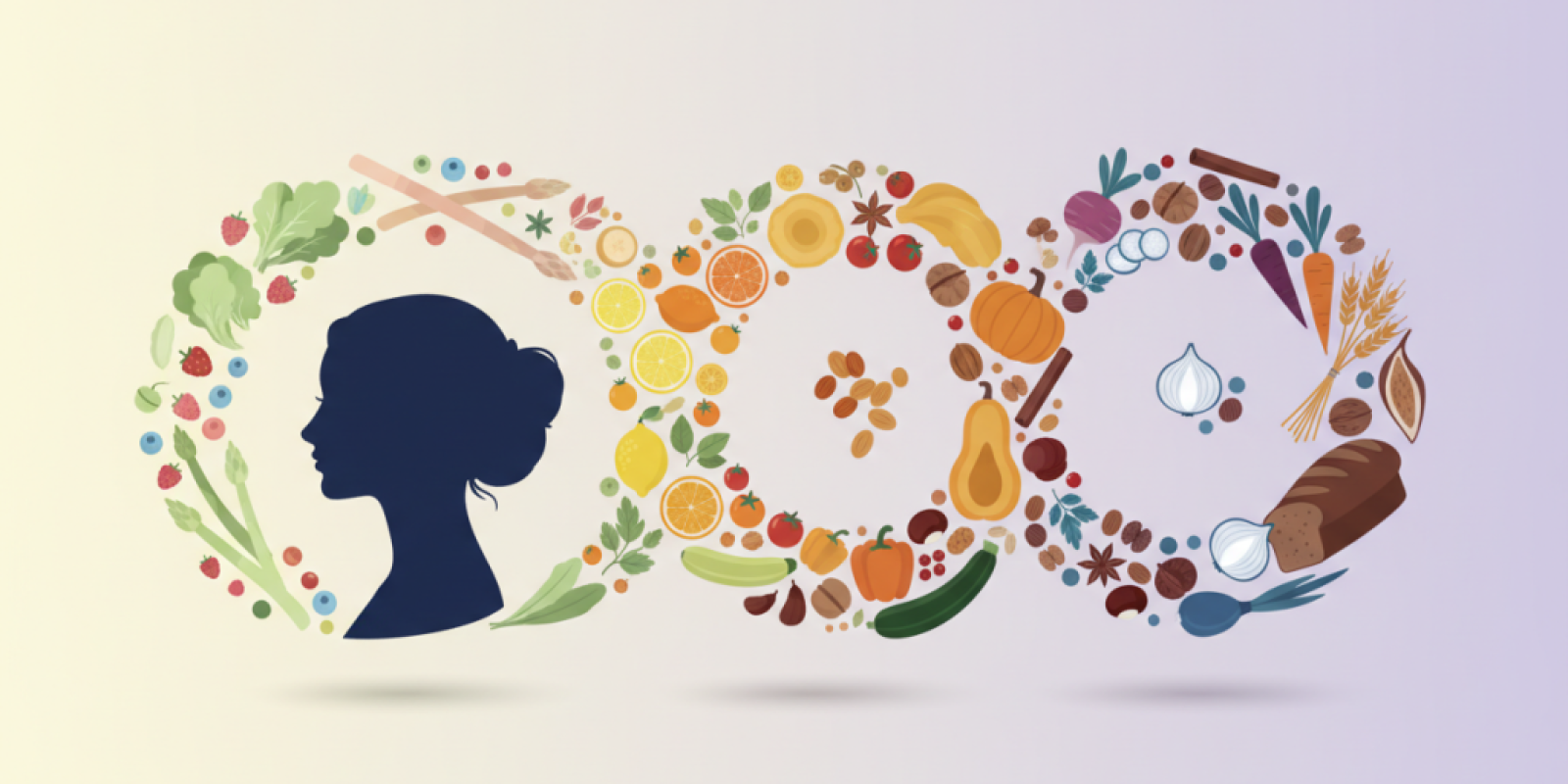
The Connection Between Seasonal Foods and Women’s Mental Health: Nourishing Your Mind Through Nature’s Calendar
Table of Contents
1. Introduction: Why Seasonal Eating Matters for Women’s Mental Wellness
2. The Science Behind Food and Mood
3. Spring Foods for Mental Renewal
4. Summer Nutrition for Emotional Balance
5. Fall Foods for Hormonal Harmony
6. Winter Comfort Foods That Actually Comfort
7. Hormonal Fluctuations and Seasonal Nutrition
8. Practical Tips for Year-Round Mental Wellness
9. Conclusion: Embracing Nature’s Wisdom
10. Frequently Asked Questions
Introduction: Why Seasonal Eating Matters for Women’s Mental Wellness
Have you ever noticed how a warm bowl of butternut squash soup in October feels like a gentle hug for your soul? Or how fresh strawberries in June seem to lift your spirits in ways that store-bought, out-of-season berries simply can’t match? There’s something deeply intuitive about craving certain foods as the seasons change, and science is finally catching up to what our grandmothers always knew: eating with the seasons isn’t just about flavor—it’s about mental health.
For women especially, this connection runs deeper than we might realize. Our bodies are naturally attuned to cycles—monthly hormonal fluctuations, seasonal changes in daylight, and the subtle shifts in energy that come with each passing month. When we align our eating habits with nature’s rhythm, we’re not just nourishing our bodies; we’re supporting our mental and emotional well-being in profound ways.
This isn’t about following another restrictive diet or complicated meal plan. Instead, it’s about understanding how the foods that naturally grow during each season can support your mental health, balance your hormones, and help you feel more grounded and emotionally stable throughout the year.

The Science Behind Food and Mood
Before we dive into seasonal specifics, let’s talk about the fascinating relationship between what we eat and how we feel. Your brain and gut are in constant communication through what scientists call the “gut-brain axis.” This two-way highway means that the foods you choose directly impact your mood, energy levels, and mental clarity.
Certain nutrients act as building blocks for neurotransmitters—those chemical messengers that regulate mood, sleep, and stress response. Serotonin, often called the “happiness hormone,” is actually produced primarily in your gut. About 90% of it is manufactured there, which explains why digestive health and mental health are so closely linked.
For women, this connection is even more complex due to hormonal fluctuations throughout the menstrual cycle. Estrogen and progesterone levels affect how our brains process nutrients and respond to different foods. This is why you might crave chocolate before your period (your body needs magnesium) or feel more sensitive to caffeine during certain times of the month.
Seasonal foods are naturally designed to provide exactly what our bodies need during specific times of the year. Spring greens help detoxify after winter’s heavier foods. Summer fruits provide cooling hydration during hot months. Fall vegetables offer grounding nutrients as we prepare for colder weather. Winter foods provide warming, comforting energy when daylight is scarce.
Spring Foods for Mental Renewal
Spring arrives like a gentle awakening, and the foods that emerge during this season mirror our body’s need for renewal and cleansing. After months of heavier winter fare, our systems crave the light, fresh energy that spring vegetables provide.
Leafy greens like arugula, spinach, and early lettuce are packed with folate, a B-vitamin that’s crucial for mental health. Research shows that women with adequate folate levels have lower rates of depression and better cognitive function. These greens also contain high levels of magnesium, which helps regulate cortisol (your stress hormone) and promotes better sleep.
Asparagus, one of spring’s first vegetables, is rich in tryptophan—an amino acid that your body converts to serotonin. It’s also high in folate and contains natural compounds that support liver detoxification, helping your body process and eliminate excess hormones that might be affecting your mood.
Spring onions, garlic scapes, and fresh herbs like chives and parsley provide sulfur compounds that support liver function and help stabilize blood sugar. When your blood sugar is stable, your mood is more stable too. These foods also contain prebiotic fibers that feed the beneficial bacteria in your gut, supporting that crucial gut-brain connection.
The bitter greens of spring—dandelion, arugula, and early radish greens—might not sound appealing, but they’re exactly what your body needs after winter. These bitter compounds stimulate digestion and help your liver process the heavier foods you might have eaten during colder months. A well-functioning digestive system means better absorption of mood-supporting nutrients.
Summer Nutrition for Emotional Balance
Summer’s abundance brings a rainbow of fruits and vegetables that seem designed to keep us cool, hydrated, and emotionally balanced during the year’s most intense season. The long days and high energy of summer require foods that provide steady energy without weighing us down.
Berries are summer’s gift to mental health. Blueberries, strawberries, and raspberries are packed with anthocyanins—powerful antioxidants that protect brain cells from oxidative stress and inflammation. Studies show that women who eat berries regularly have better memory, improved mood, and lower rates of depression. The natural sugars in berries provide quick energy while the fiber prevents blood sugar spikes that can trigger anxiety or mood swings.
Summer squash, cucumbers, and tomatoes are high in water content, helping maintain the hydration that’s crucial for mental clarity and stable mood. Even mild dehydration can cause irritability, fatigue, and difficulty concentrating—symptoms that many women mistake for hormonal issues.
Stone fruits like peaches, apricots, and plums provide beta-carotene and vitamin C, both important for stress resilience. They also contain natural sugars that can satisfy cravings for processed sweets, which tend to spike and crash blood sugar levels, leading to mood instability.
Fresh herbs that thrive in summer heat—basil, mint, cilantro—contain volatile oils that have natural calming properties. Basil, in particular, has been shown to reduce cortisol levels and improve stress response. Adding these herbs to summer meals isn’t just about flavor; it’s about supporting your nervous system during potentially stressful, high-energy months.
Fall Foods for Hormonal Harmony
As daylight begins to shorten and temperatures drop, our bodies naturally start preparing for winter. Fall foods provide the grounding, warming nutrients we need while supporting hormonal balance during this transitional season.
Root vegetables like sweet potatoes, carrots, and beets are rich in complex carbohydrates that support steady serotonin production. Unlike simple sugars that cause mood swings, these complex carbs provide sustained energy and help maintain stable blood sugar levels. Sweet potatoes are particularly beneficial for women because they contain vitamin B6, which helps the body produce neurotransmitters and can reduce PMS symptoms.
Winter squash varieties—butternut, acorn, delicata—are packed with beta-carotene, which the body converts to vitamin A. This nutrient is essential for hormone production and helps regulate the sleep-wake cycle as daylight hours decrease. The natural sweetness of these squashes can satisfy cravings for comfort foods while providing genuine nutritional support.
Pumpkin seeds are a powerhouse of nutrients for women’s mental health. They’re rich in zinc, which supports neurotransmitter function and helps regulate mood. They also contain magnesium, which promotes relaxation and better sleep quality. Many women are deficient in both zinc and magnesium, making pumpkin seeds an ideal fall snack.
Apples and pears provide pectin, a type of fiber that feeds beneficial gut bacteria and helps stabilize blood sugar. The ritual of picking apples or simply choosing fresh, local varieties can also provide the mindful connection to nature that supports mental well-being during the transition to darker months.
Winter Comfort Foods That Actually Comfort
Winter is the season when many women struggle most with mood issues, thanks to reduced sunlight, holiday stress, and the natural tendency toward hibernation. The foods that grow in cold weather or store well through winter months are perfectly designed to provide the deep nourishment our bodies and minds need during this challenging time.
Citrus fruits reach their peak in winter, providing vitamin C that’s crucial for adrenal function and stress response. The bright flavors and colors of oranges, grapefruits, and lemons can provide a psychological boost during gray winter days. The scent alone can be uplifting and energizing.
Cruciferous vegetables like Brussels sprouts, cabbage, and kale are winter superstars for mental health. They contain compounds that support liver detoxification, helping your body process excess hormones that might be contributing to winter blues. These vegetables are also rich in folate and other B-vitamins that support neurotransmitter production.
Warming spices that we naturally crave in winter—cinnamon, ginger, turmeric, cardamom—have natural anti-inflammatory properties that support brain health. Cinnamon helps stabilize blood sugar, ginger supports digestion and reduces inflammation, and turmeric contains compounds that may help protect against depression and cognitive decline.
Nuts and seeds become more important in winter when fresh produce is limited. Walnuts are particularly beneficial for women’s mental health because they contain omega-3 fatty acids that support brain function and may help reduce symptoms of depression and anxiety. The act of cracking nuts can also be meditative and grounding during stressful winter months.
Hormonal Fluctuations and Seasonal Nutrition
Women’s hormonal cycles add another layer of complexity to the relationship between seasonal foods and mental health. Understanding how your monthly cycle interacts with seasonal changes can help you make food choices that support both hormonal balance and emotional well-being.
During the follicular phase (the first half of your cycle), when estrogen is rising, you might find that lighter, fresh foods feel more appealing. This often coincides with spring and early summer, when these foods are naturally available. Your body may crave the cleansing, energizing properties of leafy greens and fresh fruits.
The luteal phase (the second half of your cycle) often brings cravings for more substantial, comforting foods. This biological drive for heartier fare aligns well with fall and winter seasons, when root vegetables, warming spices, and richer foods are naturally available. Rather than fighting these cravings, honor them by choosing nutrient-dense comfort foods that actually provide the minerals and vitamins your body needs.
Seasonal Affective Disorder (SAD) affects women at higher rates than men, and the combination of hormonal fluctuations with reduced daylight can create a perfect storm for mood issues. This is when winter’s naturally warming, grounding foods become especially important. The complex carbohydrates in root vegetables and winter squashes can help boost serotonin production when sunlight is scarce.
Practical Tips for Year-Round Mental Wellness
Incorporating seasonal eating for mental health doesn’t require a complete lifestyle overhaul. Small, consistent changes can make a significant difference in how you feel throughout the year.
Start by visiting local farmers’ markets or joining a Community Supported Agriculture (CSA) program. This naturally exposes you to what’s in season and often provides vegetables and fruits you might not have tried otherwise. The act of shopping for fresh, local produce can also be therapeutic and help you feel more connected to your community and the natural world.
Keep a mood and food journal for a few weeks, noting how different foods make you feel both immediately and a few hours later. You might discover patterns—perhaps you feel more anxious after eating out-of-season tomatoes in January, or more energetic when you eat local berries in summer.
Batch cook seasonal foods when they’re at their peak. Roast extra winter squash to freeze for later, make berry compotes when summer fruits are abundant, or prepare herb-infused oils when fresh herbs are plentiful. This ensures you have mood-supporting foods available even when you’re too busy or stressed to cook from scratch.
Don’t aim for perfection. The goal isn’t to eat only seasonal foods or never enjoy out-of-season treats. Instead, try to make seasonal, local foods the foundation of your diet while allowing flexibility for cravings, social situations, and practical considerations.
Pay attention to how seasonal changes affect your sleep, energy, and mood, then adjust your food choices accordingly. If you know winter is challenging for you mentally, stock up on mood-supporting foods like nuts, seeds, and frozen berries from summer’s harvest.
Conclusion: Embracing Nature’s Wisdom
The connection between seasonal foods and women’s mental health isn’t just about nutrition—it’s about reconnecting with natural rhythms that modern life often disrupts. When we eat with the seasons, we’re participating in an ancient wisdom that recognizes food as medicine for both body and mind.
Your grandmother’s intuition about chicken soup in winter and fresh salads in summer wasn’t just tradition; it was practical knowledge about how to support mental and physical well-being through food. Today’s research validates what generations of women knew instinctively: the right foods at the right time can profoundly impact how we feel.
This approach to eating offers something that many modern wellness trends don’t: sustainability and gentleness. Instead of restricting foods or following rigid rules, seasonal eating encourages you to tune into your body’s natural wisdom and the rhythms of the world around you.
As you move through the seasons ahead, consider how you might honor your body’s changing needs with foods that nature provides at just the right time. Your mental health—and your taste buds—will thank you for it.
Frequently Asked Questions
Q: Can seasonal eating really improve my mood, or is this just a placebo effect?
A: Research supports the connection between seasonal foods and mental health. Seasonal produce is typically higher in nutrients when consumed at peak freshness, and many seasonal foods contain specific compounds that support neurotransmitter production and hormonal balance. While mindset certainly plays a role, the nutritional benefits are scientifically documented.
Q: What if I live in a climate where seasonal variety is limited?
A: You can still benefit from seasonal eating principles by choosing foods that store well from harvest season (like root vegetables and winter squash), using frozen fruits and vegetables that were processed at peak nutrition, and incorporating seasonal spices and herbs. Even small changes toward seasonal eating can be beneficial.
Q: How do I know which foods are actually in season in my area?
A: Check with local farmers’ markets, CSA programs, or agricultural extension offices. Many regions have seasonal produce guides available online. Generally, if something is abundant and inexpensive at the grocery store, it’s likely in season somewhere relatively nearby.
Q: I have specific dietary restrictions. Can I still eat seasonally for mental health?
A: Absolutely. Seasonal eating is a framework that can be adapted to any dietary needs. Focus on the seasonal foods that work within your restrictions, and consider seasonal herbs, spices, and preparation methods that can enhance foods you already eat.
Q: How quickly might I notice changes in my mood from seasonal eating?
A: Some people notice changes in energy and mood within a few days of eating more seasonally, especially if they’re replacing processed foods with fresh, seasonal options. However, more significant changes in mental health typically take several weeks to months of consistent seasonal eating patterns.
Q: Is it expensive to eat seasonally?
A: Seasonal eating can actually be more budget-friendly because in-season produce is typically less expensive than out-of-season options. Buying directly from farmers, joining a CSA, or growing some of your own seasonal foods can further reduce costs while maximizing mental health benefits.