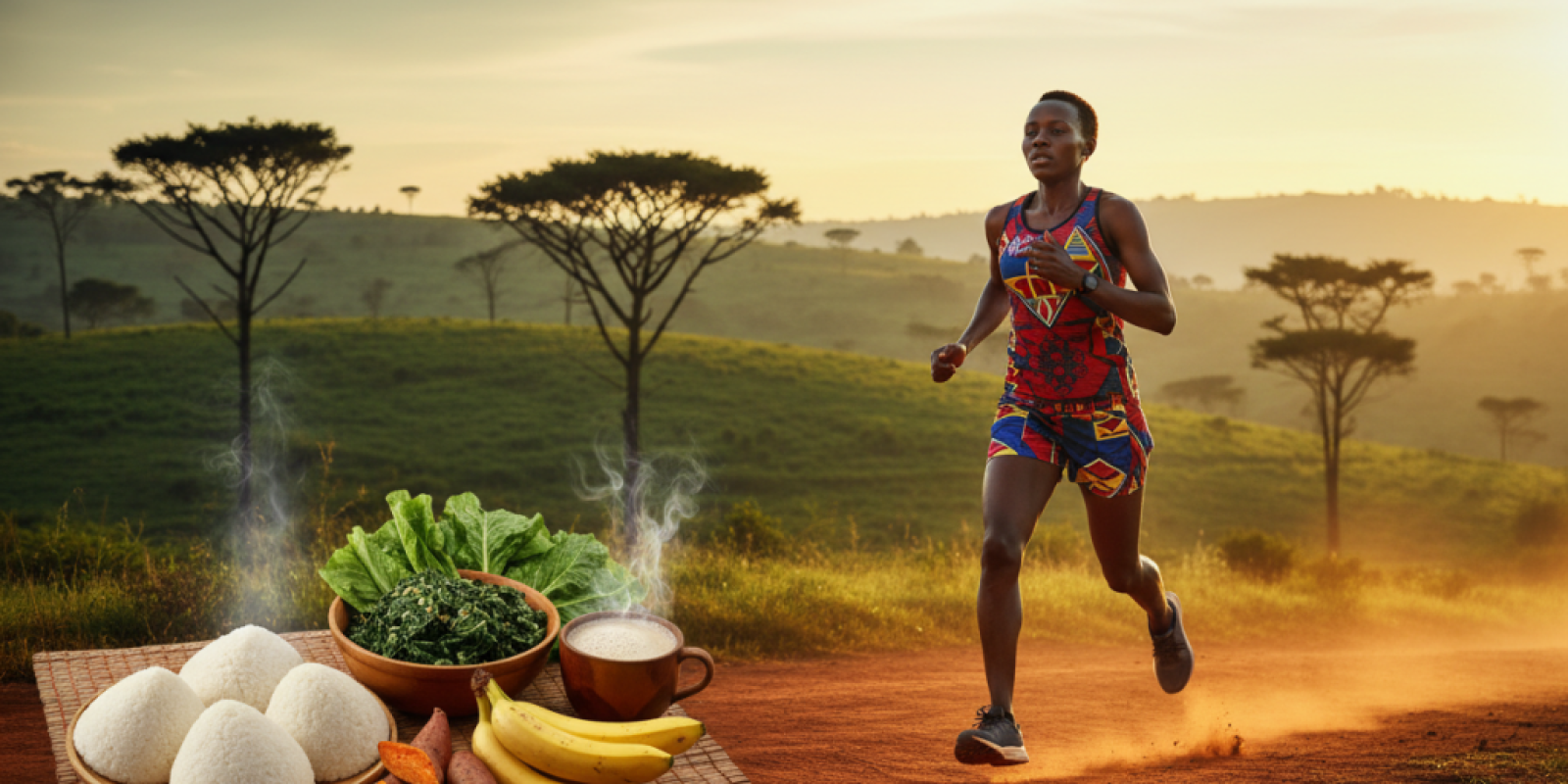
Kenyan Running Culture: Foods That Fuel Endurance in Women
Table of Contents
1. Introduction: The Secret Behind Kenyan Female Runners
2. The Foundation of Kenyan Running Culture
3. Traditional Kenyan Foods That Power Female Athletes
4. The Science Behind These Nutritional Powerhouses
5. Daily Meal Patterns of Kenyan Female Runners
6. Hydration Habits That Make a Difference
7. How These Foods Support Women’s Unique Nutritional Needs
8. Adapting Kenyan Nutrition Principles for Modern Female Runners
9. Conclusion: Embracing the Kenyan Approach to Endurance Nutrition
10. Frequently Asked Questions
Introduction: The Secret Behind Kenyan Female Runners
When you watch elite female runners dominating marathon courses around the world, there’s a good chance you’re witnessing the incredible talent of Kenyan athletes. From the streets of Boston to the tracks of Tokyo, Kenyan women have consistently proven themselves as endurance powerhouses. But what’s their secret? While natural talent and high-altitude training certainly play crucial roles, there’s something equally important happening in their kitchens every single day.
The traditional Kenyan diet, passed down through generations, has inadvertently created the perfect nutritional foundation for endurance athletes. These aren’t fancy sports supplements or scientifically engineered energy bars – they’re simple, whole foods that have sustained communities for centuries. Today, we’re diving deep into the fascinating world of Kenyan running culture and exploring how traditional foods fuel the extraordinary endurance of female athletes from this East African nation.
The Foundation of Kenyan Running Culture
To understand the nutritional secrets of Kenyan female runners, we first need to appreciate the cultural context that shapes their relationship with food and running. In Kenya, particularly in the Rift Valley region where many elite runners originate, running isn’t just a sport – it’s woven into the fabric of daily life.
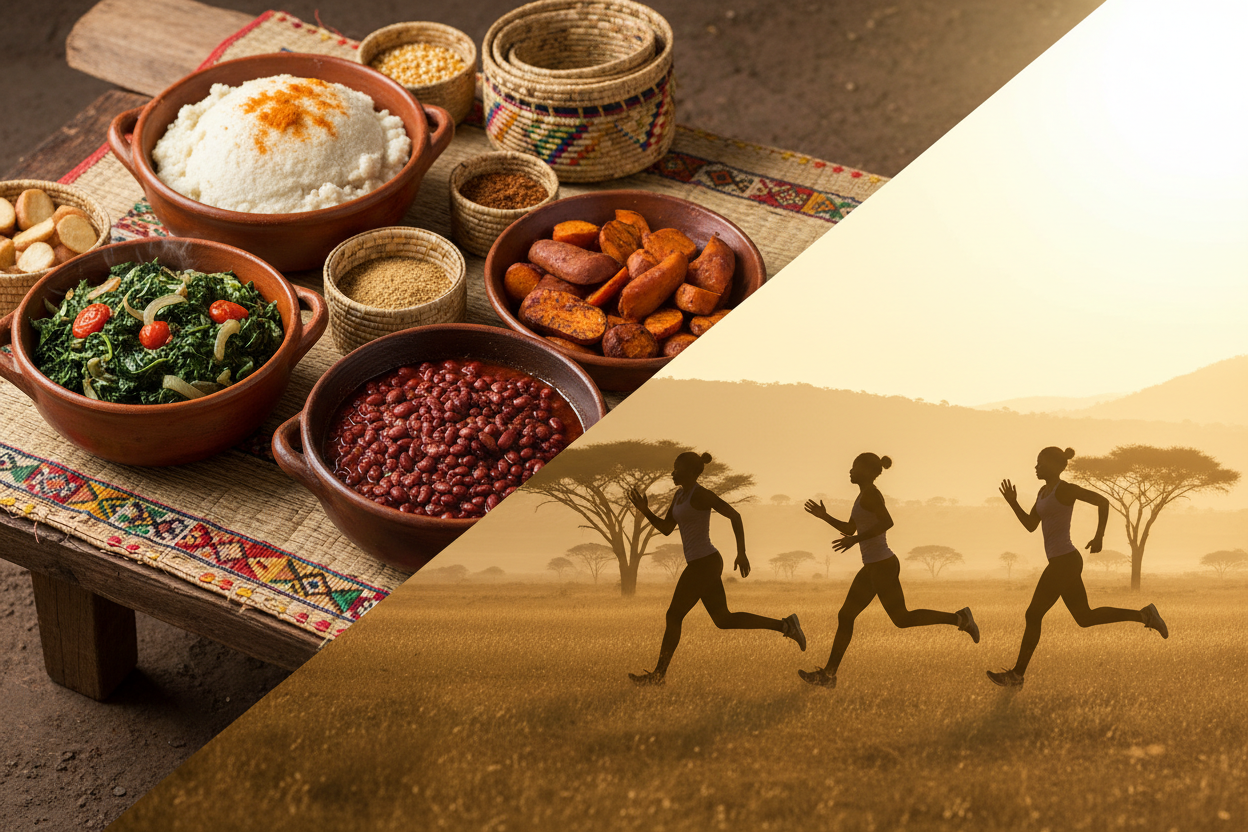
Many Kenyan children, especially girls, run to school as their primary mode of transportation. This isn’t a conscious training decision; it’s simply how they get from point A to point B across the expansive landscapes of rural Kenya. By the time these girls reach adolescence, they’ve already built an incredible aerobic base without even realizing it.
The food culture in these communities has evolved to support this naturally active lifestyle. Traditional Kenyan cuisine emphasizes nutrient-dense, whole foods that provide sustained energy throughout long days of physical activity. Unlike Western diets that often rely on processed foods and quick fixes, Kenyan meals are built around ingredients that naturally support endurance and recovery.
Traditional Kenyan Foods That Power Female Athletes
Ugali: The Cornerstone of Kenyan Nutrition
If there’s one food that defines Kenyan cuisine, it’s ugali – a thick porridge made from white or yellow cornmeal. This seemingly simple dish serves as the primary carbohydrate source for most Kenyan families, including elite female runners. Ugali provides complex carbohydrates that release energy slowly and steadily, making it perfect for sustaining long training sessions.
What makes ugali particularly beneficial for female endurance athletes is its ability to provide consistent blood sugar levels without the dramatic spikes and crashes associated with refined sugars. Many Kenyan female runners consume ugali twice daily, often paired with vegetables or legumes that enhance its nutritional profile.
Sukuma Wiki: The Green Powerhouse
Sukuma wiki, which literally translates to “push the week,” is a leafy green vegetable similar to collard greens. This nutritional powerhouse is rich in iron, folate, and vitamin K – nutrients that are particularly important for female athletes who may be at higher risk for iron deficiency.
The iron content in sukuma wiki helps support oxygen transport throughout the body, which is crucial for endurance performance. For female runners, who lose iron through menstruation and intense training, this vegetable provides a natural way to maintain healthy iron levels without relying solely on supplements.
Githeri: The Perfect Protein-Carb Combination
Githeri is a traditional Kenyan dish that combines maize and beans, creating a complete protein source that’s also rich in complex carbohydrates. This combination is particularly beneficial for female endurance athletes because it provides all essential amino acids needed for muscle repair and recovery.
The fiber content in githeri also supports digestive health and helps maintain stable blood sugar levels during long training sessions. Many Kenyan female runners rely on githeri as a post-workout meal because it effectively replenishes glycogen stores while providing the protein needed for muscle recovery.
Millet Porridge: Ancient Grains for Modern Performance
Millet, an ancient grain that’s been cultivated in Africa for thousands of years, forms the base of many traditional Kenyan breakfast porridges. This gluten-free grain is packed with B vitamins, magnesium, and phosphorus – nutrients that support energy metabolism and bone health in female athletes.
The slow-digesting carbohydrates in millet provide sustained energy for morning training sessions, while its mineral content supports the increased nutritional demands of intensive endurance training.
The Science Behind These Nutritional Powerhouses
Modern sports nutrition research has validated many of the principles embedded in traditional Kenyan cuisine. The emphasis on complex carbohydrates, plant-based proteins, and nutrient-dense vegetables aligns perfectly with current recommendations for endurance athletes.
The high-carbohydrate nature of the Kenyan diet – typically comprising 60-70% of total calories – matches the fuel requirements of endurance training. However, unlike many Western high-carb diets that rely heavily on processed foods, Kenyan carbohydrates come primarily from whole grains and starchy vegetables that provide additional nutrients and fiber.
The anti-inflammatory properties of many traditional Kenyan foods also play a crucial role in supporting recovery. Vegetables like sukuma wiki and traditional herbs contain compounds that help reduce exercise-induced inflammation, allowing female athletes to train consistently without excessive fatigue or injury.
Daily Meal Patterns of Kenyan Female Runners
Understanding when and how Kenyan female runners eat throughout the day provides valuable insights into optimizing nutrition for endurance performance. Most elite Kenyan athletes follow a pattern that naturally supports their training schedule and recovery needs.
Morning training sessions are typically preceded by a light meal, often consisting of tea with milk and sugar, sometimes accompanied by bread or a small portion of porridge. This provides quick energy without causing digestive discomfort during intense training.
The main meal of the day usually occurs after morning training, featuring ugali with vegetables, legumes, or occasionally small amounts of meat. This substantial meal helps replenish glycogen stores and provides the nutrients needed for recovery and adaptation.
Evening meals tend to be lighter but still nutritious, often featuring more vegetables and lighter carbohydrate sources. This pattern naturally supports the body’s circadian rhythms and promotes better sleep quality, which is crucial for recovery and performance.
Hydration Habits That Make a Difference
While food gets most of the attention, the hydration habits of Kenyan female runners are equally important to their success. Traditional beverages play a significant role in maintaining optimal hydration and providing additional nutrients.
Tea consumption is deeply ingrained in Kenyan culture, and most female runners drink several cups throughout the day. The tea is typically prepared with milk and sugar, providing additional calories, calcium, and electrolytes that support bone health and muscle function.
Many Kenyan communities also have access to natural mineral water sources that provide essential electrolytes without the need for commercial sports drinks. This natural hydration approach helps maintain optimal fluid balance during training and competition.
How These Foods Support Women’s Unique Nutritional Needs
Female endurance athletes have specific nutritional requirements that differ from their male counterparts, and traditional Kenyan cuisine naturally addresses many of these needs. The high iron content of leafy greens helps combat iron deficiency, which affects up to 25% of female athletes worldwide.
The calcium-rich foods in the Kenyan diet, including milk tea and leafy greens, support bone health – a particular concern for female endurance athletes who may be at risk for stress fractures and long-term bone density issues.
The emphasis on whole foods also provides natural sources of folate, which is crucial for female athletes of reproductive age. Unlike synthetic supplements, the folate found in traditional Kenyan vegetables is easily absorbed and utilized by the body.
Adapting Kenyan Nutrition Principles for Modern Female Runners
While not everyone can replicate the exact Kenyan diet, the principles behind their nutritional approach can be adapted to support female endurance athletes anywhere in the world. The key is focusing on whole foods, emphasizing complex carbohydrates, and ensuring adequate intake of nutrients that are particularly important for female athletes.
Modern female runners can incorporate Kenyan-inspired meals by building their diets around whole grains like quinoa, brown rice, or oats instead of processed cereals. Adding plenty of dark leafy greens ensures adequate iron and folate intake, while combining grains with legumes creates complete proteins similar to githeri.
The timing of meals can also be adapted to support training schedules. Eating the largest meal after morning training sessions helps optimize recovery, while lighter evening meals support better sleep quality.
Conclusion: Embracing the Kenyan Approach to Endurance Nutrition
The remarkable success of Kenyan female runners isn’t just about genetics or training methods – it’s also about a food culture that has naturally evolved to support endurance performance. Their traditional diet provides a masterclass in sports nutrition, emphasizing whole foods, optimal timing, and nutrients that specifically support female athletes’ needs.
By understanding and adapting these nutritional principles, female endurance athletes worldwide can tap into the wisdom of Kenyan running culture. It’s not about exotic supplements or complicated meal plans – it’s about returning to the basics of whole food nutrition that has fueled human endurance for generations.
The next time you lace up your running shoes, consider fueling your body the Kenyan way. Your endurance, recovery, and overall performance might just thank you for it. After all, there’s something to be said for a nutritional approach that has helped produce some of the world’s greatest female distance runners.
Frequently Asked Questions
What is the most important food in a Kenyan runner’s diet?
Ugali is considered the cornerstone of Kenyan nutrition for runners. This cornmeal-based dish provides complex carbohydrates that fuel endurance training and racing. Most elite Kenyan female runners consume ugali daily as their primary carbohydrate source.
How much of a Kenyan runner’s diet consists of carbohydrates?
Traditional Kenyan diets typically consist of 60-70% carbohydrates, which aligns perfectly with sports nutrition recommendations for endurance athletes. These carbs come primarily from whole food sources like ugali, millet, and other grains.
Do Kenyan female runners eat meat regularly?
Meat consumption among Kenyan runners is relatively low compared to Western diets. Most protein comes from plant-based sources like beans and legumes combined with grains. When meat is consumed, it’s usually in small portions and often reserved for special occasions.
What do Kenyan female runners drink during training?
Most Kenyan runners rely on water and traditional tea with milk and sugar for hydration. They typically don’t use commercial sports drinks, instead getting electrolytes from natural food sources and mineral-rich water.
Can non-Kenyan runners benefit from adopting this diet?
Absolutely! The principles of the Kenyan diet – emphasizing whole foods, complex carbohydrates, and nutrient-dense vegetables – can benefit any endurance athlete. The key is adapting these principles using locally available, similar foods.
How do Kenyan female runners get enough iron in their diet?
Iron comes primarily from dark leafy greens like sukuma wiki, which are consumed daily. The vitamin C from vegetables helps enhance iron absorption, making this plant-based approach effective for maintaining healthy iron levels.