Quick Pickling Techniques for Preserving Seasonal Vegetables: Your Complete Guide to Fresh, Tangy Flavors Year-Round
Table of Contents
1. Introduction to Quick Pickling
2. Why Quick Pickling is Perfect for Home Cooks
3. Essential Equipment and Ingredients for Quick Pickling
4. Basic Quick Pickling Brine Recipe
5. Best Seasonal Vegetables for Quick Pickling
6. Step-by-Step Quick Pickling Process
7. Flavor Variations and Creative Combinations
8. Storage Tips and Shelf Life
9. Troubleshooting Common Quick Pickling Issues
10. Frequently Asked Questions
11. Conclusion
Introduction to Quick Pickling
There’s something magical about transforming fresh, seasonal vegetables into tangy, flavorful pickles in just a matter of hours. Quick pickling, also known as refrigerator pickling, has become my go-to method for preserving the bounty of each season without the complexity of traditional canning methods.
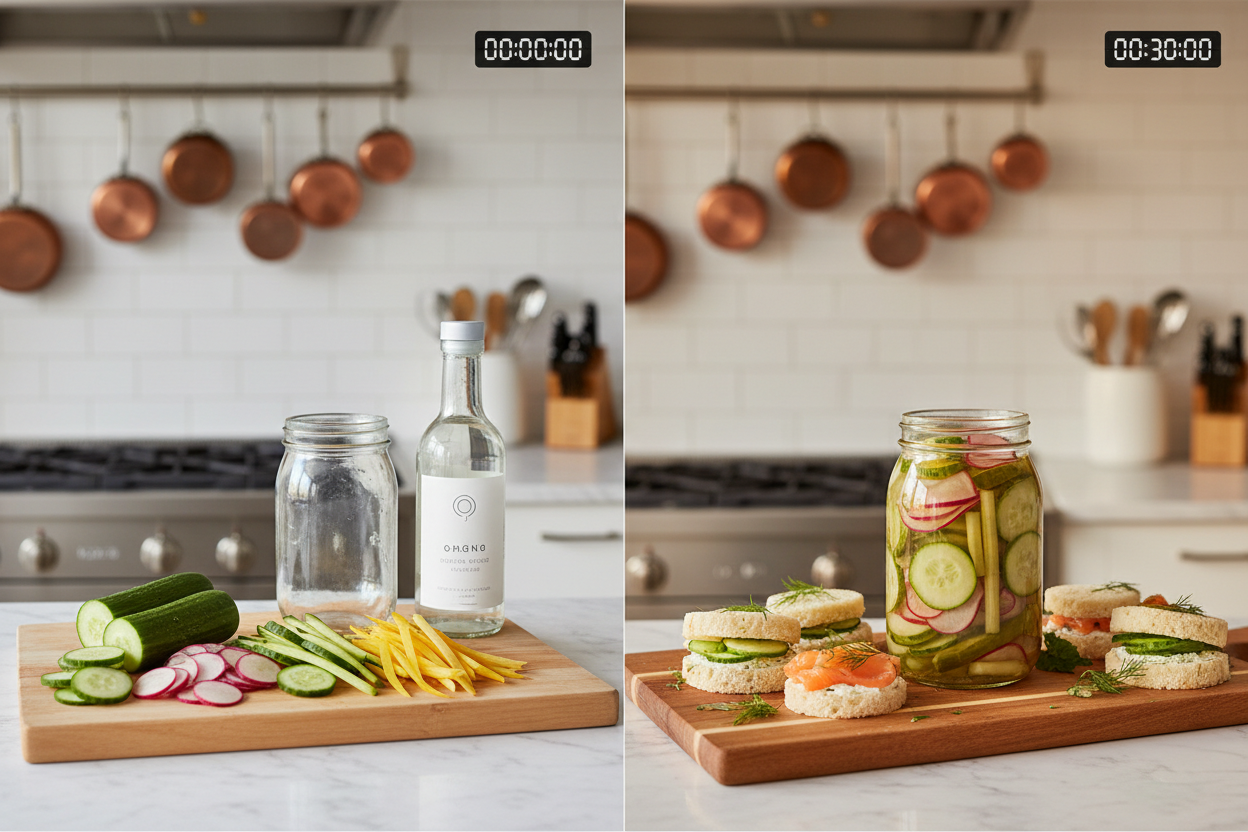
Unlike fermented pickles that take weeks to develop their characteristic sour taste, quick pickles deliver instant gratification. Within 30 minutes to a few hours, you’ll have crisp, acidic vegetables that can elevate everything from sandwiches to charcuterie boards. This preservation technique has saved countless vegetables from going bad in my refrigerator, and it’s about to become your new favorite kitchen skill too.
Why Quick Pickling is Perfect for Home Cooks
Quick pickling offers numerous advantages that make it ideal for busy home cooks and preservation enthusiasts alike. The process requires minimal equipment, no special canning knowledge, and delivers results in a fraction of the time needed for traditional pickling methods.
The beauty of quick pickling lies in its simplicity and safety. Since these pickles are stored in the refrigerator and consumed relatively quickly, you don’t need to worry about achieving the precise pH levels required for shelf-stable canning. This makes it an excellent entry point for beginners who want to explore food preservation.
From an economic standpoint, quick pickling allows you to take advantage of seasonal abundance and sales at farmers’ markets. When cucumbers are overflowing in summer or radishes are at their peak in spring, you can preserve their freshness and extend their usability for weeks.
Essential Equipment and Ingredients for Quick Pickling
The equipment needed for quick pickling is refreshingly minimal. You’ll need clean glass jars with tight-fitting lids, a medium saucepan for heating the brine, and basic measuring tools. Mason jars work perfectly, but any clean glass container will suffice.
The ingredient list is equally straightforward. White vinegar forms the acidic base, though you can experiment with apple cider vinegar or rice vinegar for different flavor profiles. Water dilutes the acidity to palatable levels, while sugar balances the tartness and salt enhances flavor and helps maintain vegetable texture.
Spices and aromatics are where creativity flourishes. Peppercorns, mustard seeds, coriander, dill, garlic, and bay leaves are classic choices. Fresh herbs like thyme, rosemary, or cilantro can add contemporary twists to traditional recipes.
Basic Quick Pickling Brine Recipe
This foundational brine recipe works beautifully with most vegetables and serves as your starting point for experimentation. The ratio is easy to remember and scale up or down based on your needs.
Combine one cup of white vinegar with one cup of water in your saucepan. Add two tablespoons of sugar and one tablespoon of salt. This creates a balanced brine that’s neither too acidic nor too sweet. Heat the mixture until the sugar and salt completely dissolve, then remove from heat.
The beauty of this base recipe lies in its versatility. You can adjust the sugar for sweeter pickles or increase the vinegar ratio for more tartness. Some vegetables, like beets or carrots, benefit from slightly sweeter brines, while others, like onions, shine with more acidic solutions.
Best Seasonal Vegetables for Quick Pickling
Spring brings tender vegetables perfect for quick pickling. Radishes transform from peppery to mellow and sweet, while asparagus spears become elegant pickle accompaniments. Spring onions and garlic scapes offer mild, complex flavors that develop beautifully in acidic brines.
Summer’s abundance provides classic pickling candidates. Cucumbers are obvious choices, but don’t overlook green beans, summer squash, or cherry tomatoes. Corn kernels, though unconventional, create surprisingly delightful pickled salad additions.
Fall vegetables like cauliflower, Brussels sprouts, and carrots pickle exceptionally well. Their dense textures hold up beautifully to the pickling process, maintaining satisfying crunch while absorbing flavors. Winter root vegetables, including turnips and daikon radish, offer hearty options for cold-weather pickle cravings.
Step-by-Step Quick Pickling Process
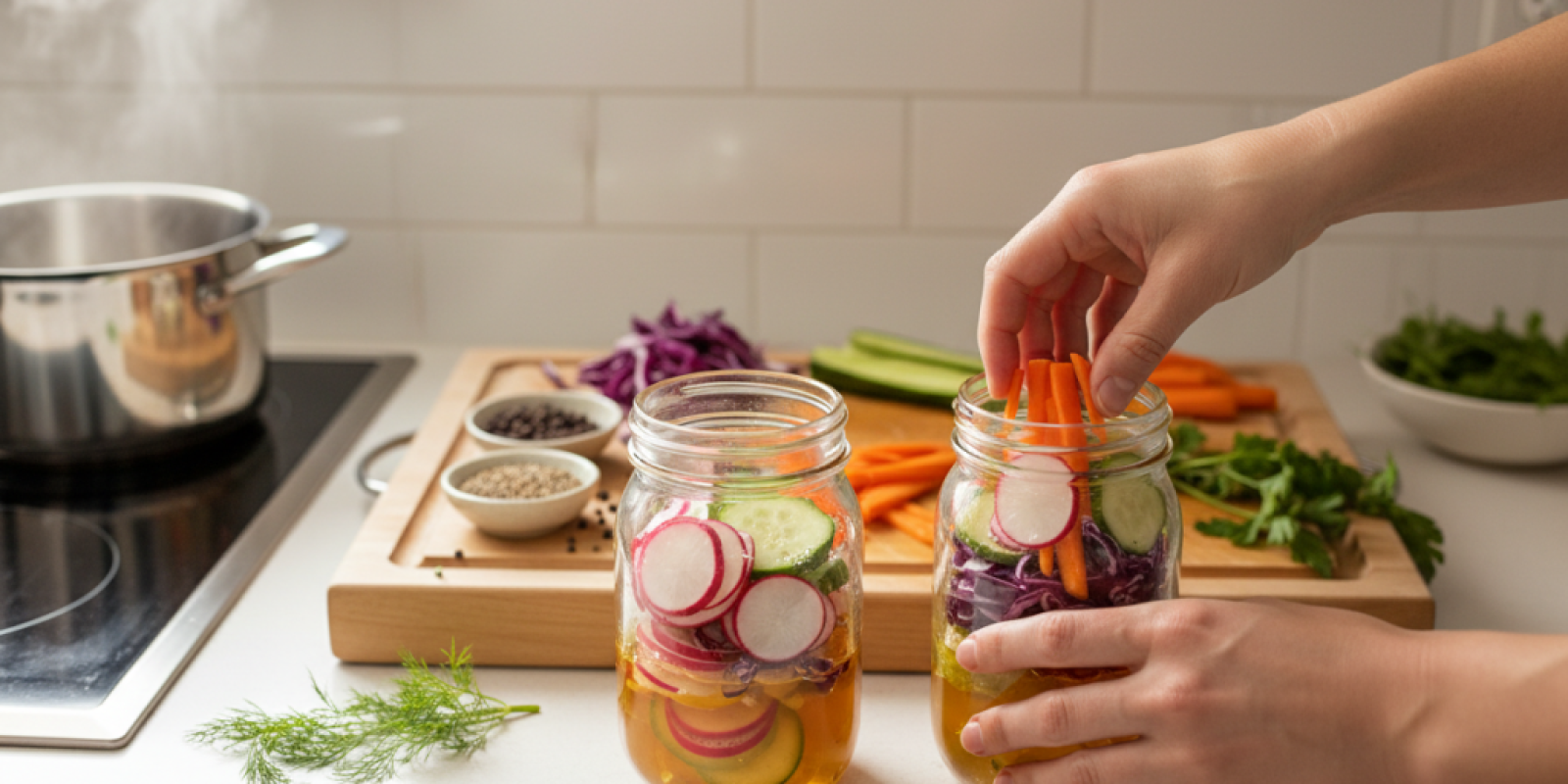
Begin by preparing your vegetables. Wash them thoroughly and cut into uniform pieces to ensure even pickling. Thin slices pickle faster than thick chunks, so adjust your cuts based on desired timing. Some vegetables benefit from brief blanching to maintain color and texture, particularly green vegetables like beans or broccoli.
Pack your prepared vegetables into clean jars, leaving about half an inch of headspace. Add your chosen spices and aromatics directly to the jars. This method allows each jar to have slightly different flavor profiles if you’re experimenting with various spice combinations.
Pour the hot brine over the vegetables, ensuring they’re completely submerged. The hot liquid helps vegetables begin pickling immediately while maintaining their crisp texture. Allow the jars to cool to room temperature before refrigerating.
Most quick pickles are ready to eat within 30 minutes, though flavors continue developing over the first 24 hours. Delicate vegetables like cucumber slices reach peak flavor quickly, while denser vegetables like carrots may need several hours to fully absorb the brine.
Flavor Variations and Creative Combinations
Asian-inspired pickles incorporate rice vinegar, soy sauce, and ginger for umami-rich results. Try this combination with daikon radish, carrots, and cucumber for a refreshing side dish that complements spicy foods perfectly.
Mediterranean flavors shine with the addition of oregano, lemon zest, and olive oil drizzled over the finished pickles. This works wonderfully with cauliflower, peppers, and red onions, creating pickles that taste like they came from a Greek taverna.
Spicy variations can include jalapeños, red pepper flakes, or whole dried chilies. The heat level builds over time, so taste carefully and adjust accordingly. Sweet and spicy combinations using honey instead of sugar create complex flavor profiles that work particularly well with root vegetables.
Storage Tips and Shelf Life
Proper storage ensures your quick pickles maintain quality and safety. Always use clean utensils when removing pickles from jars to prevent contamination. Keep jars refrigerated at all times, as these pickles rely on cold storage for food safety.
Most quick pickles maintain peak quality for two to four weeks when properly stored. Vegetables may gradually soften over time, but they remain safe to eat as long as they smell fresh and show no signs of mold or off-odors.
Label your jars with contents and date to track freshness. If you’re making multiple batches with different spice combinations, detailed labels help you remember which flavors you preferred for future reference.
Troubleshooting Common Quick Pickling Issues
Cloudy brine usually indicates bacterial activity or mineral content in your water. While not necessarily dangerous in refrigerated pickles, using distilled water can prevent cloudiness if appearance matters for your presentation.
Overly soft vegetables result from over-processing or using vegetables past their prime. Choose the freshest, crispest vegetables available, and avoid overcooking your brine. Some vegetables benefit from ice water baths before pickling to maximize crispness.
If pickles taste too acidic, dilute the brine with additional water or increase sugar content in future batches. Conversely, flat-tasting pickles may need more acid or salt to achieve proper flavor balance.
Frequently Asked Questions
Can I reuse pickling brine? Yes, you can reuse brine once, but reheat it to boiling before using with fresh vegetables. The flavor may be less intense, so consider adding fresh spices.
Do I need to sterilize jars for quick pickles? Clean jars are sufficient since these pickles are refrigerated and consumed quickly. However, running jars through the dishwasher or washing in very hot water provides extra cleanliness.
Can I use different types of vinegar? Absolutely. Apple cider vinegar adds fruity notes, rice vinegar provides mildness, and wine vinegars contribute complexity. Ensure any vinegar used has at least 5% acidity.
How do I know if my pickles have gone bad? Trust your senses. Off-odors, visible mold, extremely soft texture, or unusual colors indicate spoilage. When in doubt, discard the entire jar.
Can I pickle frozen vegetables? Fresh vegetables work best, but previously frozen vegetables can be pickled. They may be softer than fresh alternatives but still develop good flavor.
What’s the difference between quick pickling and fermentation? Quick pickling uses acid (vinegar) for preservation and flavor, while fermentation relies on beneficial bacteria to create lactic acid. Fermented pickles take weeks to develop and have different probiotic benefits.
Conclusion
Quick pickling opens up a world of culinary possibilities while helping you make the most of seasonal vegetables. This simple preservation technique requires minimal investment in equipment or time but delivers maximum flavor impact and food waste reduction.
Whether you’re dealing with an overflowing garden harvest, taking advantage of farmers’ market deals, or simply wanting to add bright, acidic notes to your meals, quick pickling provides an accessible solution. The techniques you’ve learned here will serve you well throughout the seasons, allowing you to capture the essence of fresh vegetables and enjoy them long after their peak season has passed.
Start with the basic brine recipe and simple vegetables like cucumbers or radishes, then let your creativity guide you toward more adventurous combinations. Before long, you’ll have a refrigerator full of colorful, flavorful pickles that transform ordinary meals into extraordinary culinary experiences. The satisfaction of creating these tangy treasures in your own kitchen makes every crisp, flavorful bite even more rewarding.