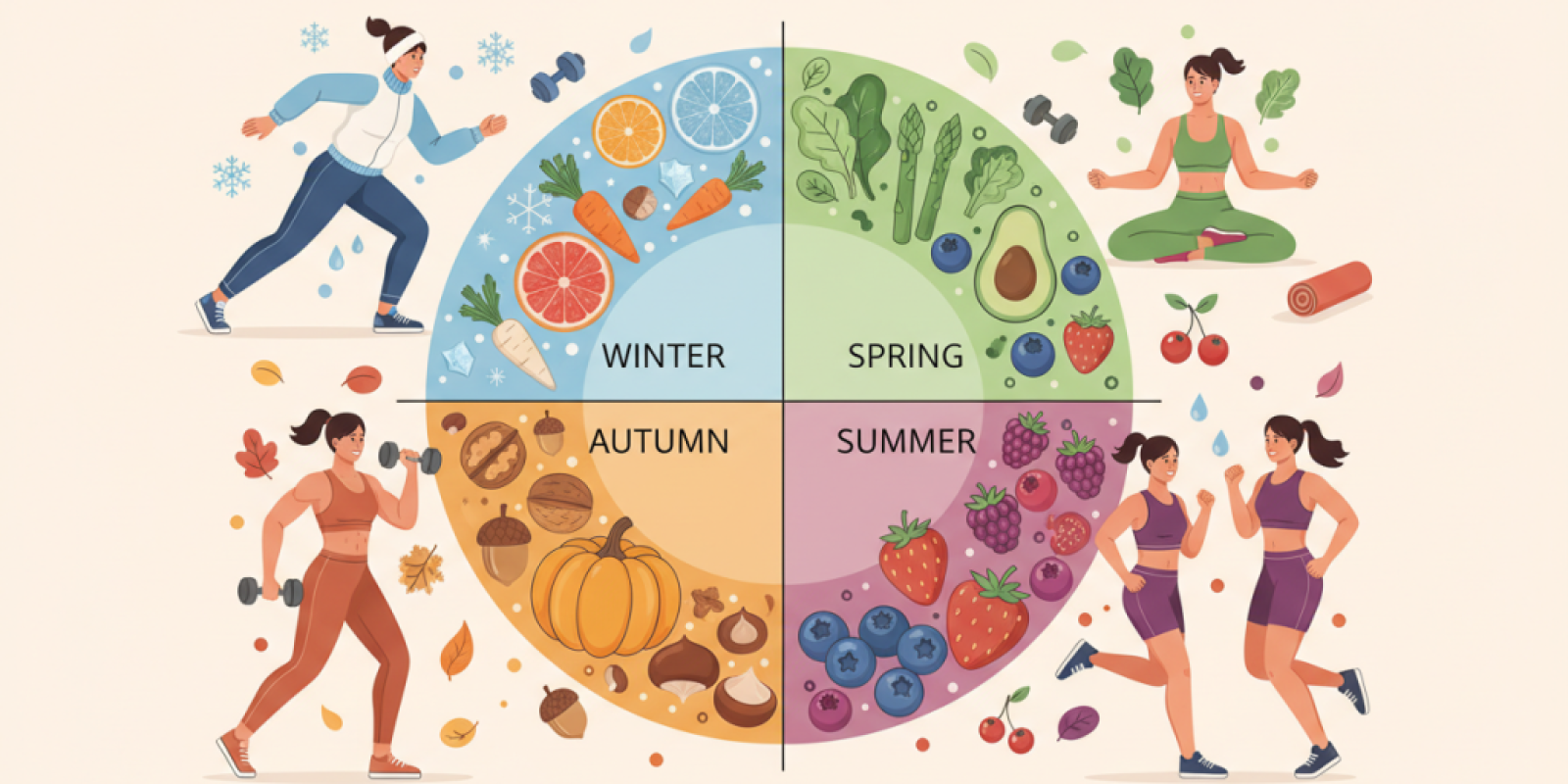
Seasonal Superfoods Calendar for Year-Round Women’s Fitness: Your Guide to Optimal Nutrition
Table of Contents
1. Introduction: Why Seasonal Eating Matters for Women’s Fitness
2. Spring Superfoods: Energize Your Renewal
3. Summer Superfoods: Fuel Your Active Season
4. Fall Superfoods: Build Strength for Cooler Days
5. Winter Superfoods: Maintain Energy During Cold Months
6. How to Incorporate Seasonal Superfoods into Your Fitness Routine
7. Budget-Friendly Tips for Seasonal Superfood Shopping
8. Meal Prep Strategies for Seasonal Success
9. Conclusion
10. Frequently Asked Questions
Introduction: Why Seasonal Eating Matters for Women’s Fitness
Have you ever wondered why your grandmother always seemed to know exactly what foods to eat during different times of the year? There’s actually profound wisdom in eating seasonally, especially when it comes to supporting women’s unique nutritional needs throughout their fitness journey.
As a woman who’s passionate about health and wellness, I’ve discovered that aligning my nutrition with nature’s calendar isn’t just trendy – it’s transformative. Seasonal eating provides our bodies with exactly the nutrients we need when we need them most, while also being gentler on our wallets and the environment.
Women’s bodies undergo constant changes throughout the month and across different life stages. Our nutritional needs fluctuate with hormonal cycles, activity levels, and seasonal demands. By understanding which superfoods are at their nutritional peak during each season, we can optimize our fitness results while feeling more energized and balanced year-round.
Spring Superfoods: Energize Your Renewal
Spring arrives like a breath of fresh air after winter’s hibernation, and our bodies naturally crave lighter, cleansing foods. This season is perfect for detoxifying winter’s heavier meals while building energy for increased outdoor activities.
Asparagus leads the spring superfood parade with its impressive folate content – essential for women of childbearing age. One cup provides nearly 70% of your daily folate needs, supporting cellular repair after winter workouts. I love adding roasted asparagus to my post-workout quinoa bowls.
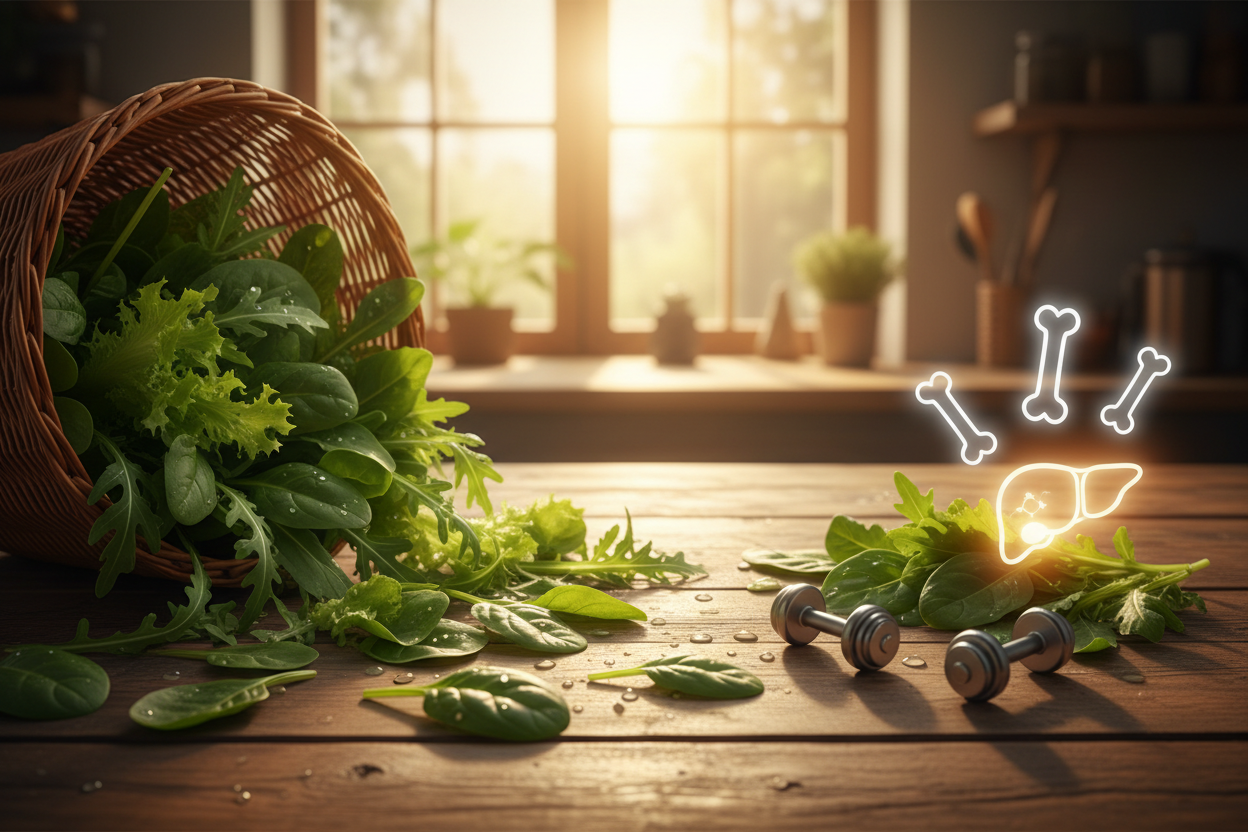
Leafy greens like spinach, arugula, and spring lettuce are at their tender best right now. These powerhouses deliver iron, which many active women need more of, plus vitamin K for bone health. The mild bitterness of spring greens also supports liver detoxification, helping your body process the increased nutrients from your spring fitness routine.
Don’t overlook spring peas – they’re surprisingly protein-rich for a vegetable, offering about 8 grams per cup. They’re perfect for women who want to increase plant-based protein intake while supporting muscle recovery from spring training sessions.
Strawberries make their debut in late spring, packed with vitamin C and antioxidants that support collagen production. As we increase sun exposure during outdoor workouts, these natural skin protectors become invaluable allies.
Summer Superfoods: Fuel Your Active Season
Summer is when most of us feel our most active, and thankfully, nature provides exactly what our bodies need to thrive in the heat while maintaining peak performance.
Watermelon isn’t just refreshing – it’s a hydration superhero containing 92% water plus electrolytes. The natural sugars provide quick energy for summer workouts, while the amino acid citrulline may help reduce muscle soreness. I’ve made it a habit to enjoy watermelon as my pre-workout snack on hot days.
Tomatoes reach their peak in summer, delivering lycopene – a powerful antioxidant that becomes more bioavailable when cooked. This compound supports heart health and may help protect skin from UV damage during outdoor summer activities. Cherry tomatoes make excellent portable snacks for hiking or beach workouts.
Zucchini and summer squash are incredibly versatile, low-calorie vegetables that help maintain hydration while providing potassium for proper muscle function. They’re perfect for women watching their calorie intake while staying active.
Berries explode with flavor and nutrition during summer months. Blueberries contain anthocyanins that may improve exercise performance and reduce inflammation. Blackberries provide fiber and vitamin C, while raspberries offer folate and manganese for bone health.
Peaches and nectarines provide natural sugars for energy plus vitamin A for eye health – important when spending more time in bright summer sunshine during outdoor workouts.
Fall Superfoods: Build Strength for Cooler Days
As temperatures drop and daylight hours shorten, our bodies instinctively prepare for winter. Fall superfoods help us build strength and immunity while providing comfort during this transitional season.
Pumpkin deserves recognition beyond Halloween decorations. This orange powerhouse provides beta-carotene, which converts to vitamin A for immune support. One cup of pumpkin puree contains only 49 calories but delivers 245% of your daily vitamin A needs. I love adding pumpkin puree to post-workout smoothies for a seasonal twist.
Sweet potatoes are complex carbohydrate champions, providing sustained energy for longer fall workouts. They’re rich in potassium, which many women don’t get enough of, and their natural sweetness satisfies cravings for comfort foods in healthier ways.
Apples aren’t just convenient – they’re fiber powerhouses that support digestive health and provide natural energy. The pectin in apples may help regulate blood sugar, making them ideal pre-workout snacks. Different varieties offer unique antioxidant profiles, so mix it up.
Brussels sprouts, often underappreciated, are nutritional goldmines containing vitamin K, vitamin C, and folate. Their cruciferous compounds support liver detoxification, helping your body process increased calorie intake as we naturally eat more in fall.
Cranberries provide unique antioxidants that support urinary tract health – particularly important for active women. Fresh cranberries can be tart, but they’re perfect in homemade energy balls with nuts and dates.
Winter Superfoods: Maintain Energy During Cold Months
Winter challenges our motivation and energy levels, but the right superfoods can help maintain fitness momentum when we’d rather hibernate under blankets.
Citrus fruits shine during winter’s darkest months, providing vitamin C when fresh produce options seem limited. Oranges, grapefruits, and lemons support immune function while their bright flavors combat winter blues. The folate in oranges is particularly beneficial for women’s health.
Root vegetables like carrots, beets, and parsnips provide grounding energy during cold months. Beets contain nitrates that may improve exercise performance by enhancing oxygen delivery to muscles. Roasted root vegetables make satisfying post-workout meals that warm you from the inside out.
Pomegranates burst with antioxidants and natural sugars. Research suggests pomegranate juice may help reduce exercise-induced inflammation and support recovery. The seeds add delightful crunch to winter salads and yogurt bowls.
Dark leafy greens like kale and collards thrive in cold weather, becoming sweeter after frost. These hardy greens provide iron, calcium, and vitamin K – nutrients that support bone health during months when we might be less active outdoors.
Winter squash varieties like butternut and acorn squash provide comfort and nutrition. They’re excellent sources of vitamin A and fiber, plus their natural sweetness satisfies cravings for heavier foods in healthier ways.
How to Incorporate Seasonal Superfoods into Your Fitness Routine
Understanding which superfoods to eat is only half the battle – knowing when and how to incorporate them into your fitness routine maximizes their benefits.
Pre-workout nutrition should focus on easily digestible carbohydrates and minimal fiber to prevent digestive discomfort. Spring and summer fruits work perfectly here, while fall apples or winter citrus provide quick energy without heaviness.
Post-workout meals should combine protein with carbohydrates to support recovery. This is where heartier seasonal vegetables shine. Winter root vegetables pair beautifully with protein sources, while summer’s tomatoes and zucchini create light, refreshing recovery meals.
Timing matters too. I’ve learned that eating seasonal superfoods within two hours after strength training maximizes their muscle-building benefits. The natural sugars help replenish glycogen stores while antioxidants combat exercise-induced inflammation.
Budget-Friendly Tips for Seasonal Superfood Shopping
Eating seasonally doesn’t have to break the bank – in fact, it often saves money because you’re buying produce at its peak availability.
Shop at farmers’ markets near closing time for the best deals on seasonal produce. Many vendors offer discounts on items they don’t want to transport back. I’ve scored amazing deals on berries and leafy greens this way.
Buy in bulk when superfoods are at peak season and preserve them for later. Freeze berries, blanch and freeze vegetables, or make large batches of seasonal soups to portion and freeze.
Join a Community Supported Agriculture (CSA) program to receive weekly boxes of seasonal produce at reduced costs. This also introduces you to vegetables you might not normally try.
Meal Prep Strategies for Seasonal Success
Successful seasonal eating requires some planning, but these strategies make it manageable even with busy schedules.
Dedicate Sunday afternoons to washing, chopping, and portioning seasonal produce. Having vegetables ready to use makes healthy choices effortless during busy weekdays.
Prepare base ingredients that work with multiple seasonal superfoods. Cooked quinoa, brown rice, or roasted chicken can be paired with whatever vegetables are in season for quick, nutritious meals.
Make seasonal superfood smoothie packs by portioning frozen fruits and vegetables into freezer bags. Just add liquid and blend for instant nutrition after workouts.
Conclusion
Embracing a seasonal superfoods calendar transforms your approach to women’s fitness nutrition from restrictive to abundant. Instead of fighting against nature’s rhythms, you’re working with them to optimize your health, energy, and fitness results year-round.
Remember, the best nutrition plan is one you can stick with long-term. Seasonal eating feels natural because it is natural – your body instinctively craves what it needs when it needs it. By tuning into these rhythms and choosing superfoods at their peak, you’re not just fueling your workouts; you’re nourishing your entire being.
Start small by incorporating one or two seasonal superfoods into your weekly routine. Notice how your energy levels, recovery, and overall well-being improve. Your body – and your fitness goals – will thank you for this delicious, sustainable approach to year-round wellness.
Frequently Asked Questions
Q: Can I still eat non-seasonal superfoods year-round?
A: Absolutely! Seasonal eating doesn’t mean restricting yourself to only in-season foods. It means emphasizing seasonal options while still enjoying a varied diet. Frozen and preserved superfoods can bridge seasonal gaps.
Q: How do I know which superfoods are in season in my area?
A: Check with local farmers’ markets, use seasonal produce apps, or search online for seasonal produce guides specific to your region. Climate zones vary, so what’s in season differs by location.
Q: Are seasonal superfoods more nutritious than year-round options?
A: Generally yes, because they’re harvested at peak ripeness and don’t travel long distances. However, frozen superfoods picked at peak season can be just as nutritious as fresh seasonal options.
Q: How can I incorporate seasonal superfoods if I have food allergies?
A: Focus on seasonal superfoods that align with your dietary restrictions. Each season offers multiple options, so you can always find safe, nutritious choices that work for your needs.
Q: Do seasonal superfoods really make a difference for fitness results?
A: While any nutritious diet supports fitness goals, seasonal superfoods provide optimal nutrition when your body needs it most. The variety also prevents dietary boredom and ensures diverse nutrient intake.
Q: What if I don’t like certain seasonal superfoods?
A: Every season offers multiple superfood options, so focus on ones you enjoy. You can also try different preparation methods – roasting vegetables often makes them more appealing than eating them raw.