The Romanian Approach to Women’s Strength Through Traditional Foods: Ancient Wisdom for Modern Wellness
Table of Contents
1. Introduction: Romania’s Culinary Heritage and Women’s Health
2. The Foundation of Romanian Women’s Nutrition
3. Power-Packed Traditional Foods for Female Vitality
4. Seasonal Eating Patterns and Hormonal Balance
5. Traditional Preparation Methods That Maximize Nutrition
6. Modern Science Meets Ancient Romanian Wisdom
7. Incorporating Romanian Nutritional Principles into Daily Life
8. Conclusion: Embracing Time-Tested Wisdom
9. Frequently Asked Questions
Introduction: Romania’s Culinary Heritage and Women’s Health
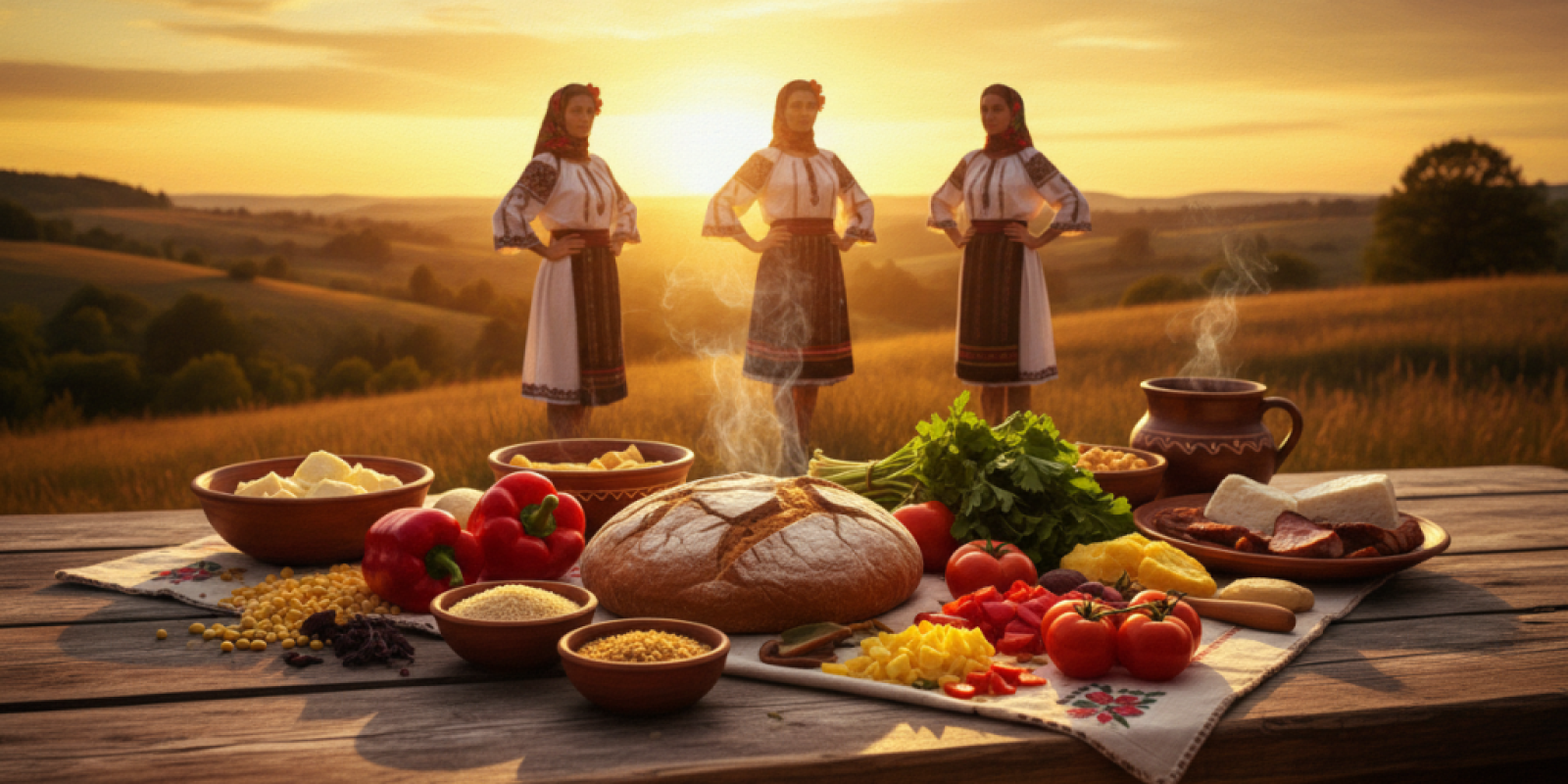
Nestled in the heart of Eastern Europe, Romania has cultivated a remarkable culinary tradition that has quietly supported women’s health and vitality for centuries. Long before modern nutritional science emerged, Romanian grandmothers understood something profound about nourishing the female body through food. They knew which ingredients would sustain a woman through pregnancy, support her during menstruation, and maintain her energy throughout life’s demanding seasons.
This ancestral knowledge, passed down through generations of Romanian women, offers us a unique perspective on nutrition that goes far beyond counting calories or following trending diets. Instead, it focuses on whole foods, seasonal eating, and time-tested combinations that naturally support hormonal balance, reproductive health, and overall feminine strength.
In today’s fast-paced world, where processed foods dominate our plates and stress levels soar, there’s something deeply appealing about returning to these simple, nourishing traditions. Romanian women have long understood that true strength comes not from restriction, but from abundance – the abundance of nutrient-dense, carefully prepared foods that honor both body and spirit.
The Foundation of Romanian Women’s Nutrition
Romanian traditional nutrition rests on several key principles that have supported women’s health for generations. At its core lies the concept of “hrană cu suflet” – food with soul – which emphasizes the emotional and spiritual aspects of eating alongside physical nourishment.
The Romanian approach recognizes that women’s nutritional needs fluctuate throughout their lives and even throughout each month. This understanding led to the development of eating patterns that naturally adapt to these changes, providing more warming, grounding foods during menstruation and lighter, cleansing foods during other phases of the cycle.
Another fundamental aspect of Romanian women’s nutrition is the emphasis on fermented foods and probiotics, long before these became wellness buzzwords. Romanian kitchens have always featured fermented vegetables, cultured dairy products, and naturally leavened breads that support digestive health and immune function – both crucial for women’s overall wellbeing.
The tradition also places great importance on communal eating and food preparation as forms of stress relief and social support. Romanian women understood that how we eat is just as important as what we eat, and they built rituals around food that nourished both body and community bonds.
Power-Packed Traditional Foods for Female Vitality
Romanian cuisine features several standout ingredients that specifically support women’s health and strength. These foods have been cherished not just for their flavors, but for their ability to sustain women through life’s various challenges and transitions.
Sarmale, the beloved cabbage rolls filled with meat and rice, represent more than just comfort food. The fermented cabbage provides probiotics and vitamin C, while the filling offers protein and B vitamins essential for energy production. Romanian women traditionally prepared large batches during winter months, ensuring a steady supply of this nourishing dish during the coldest, most demanding season.
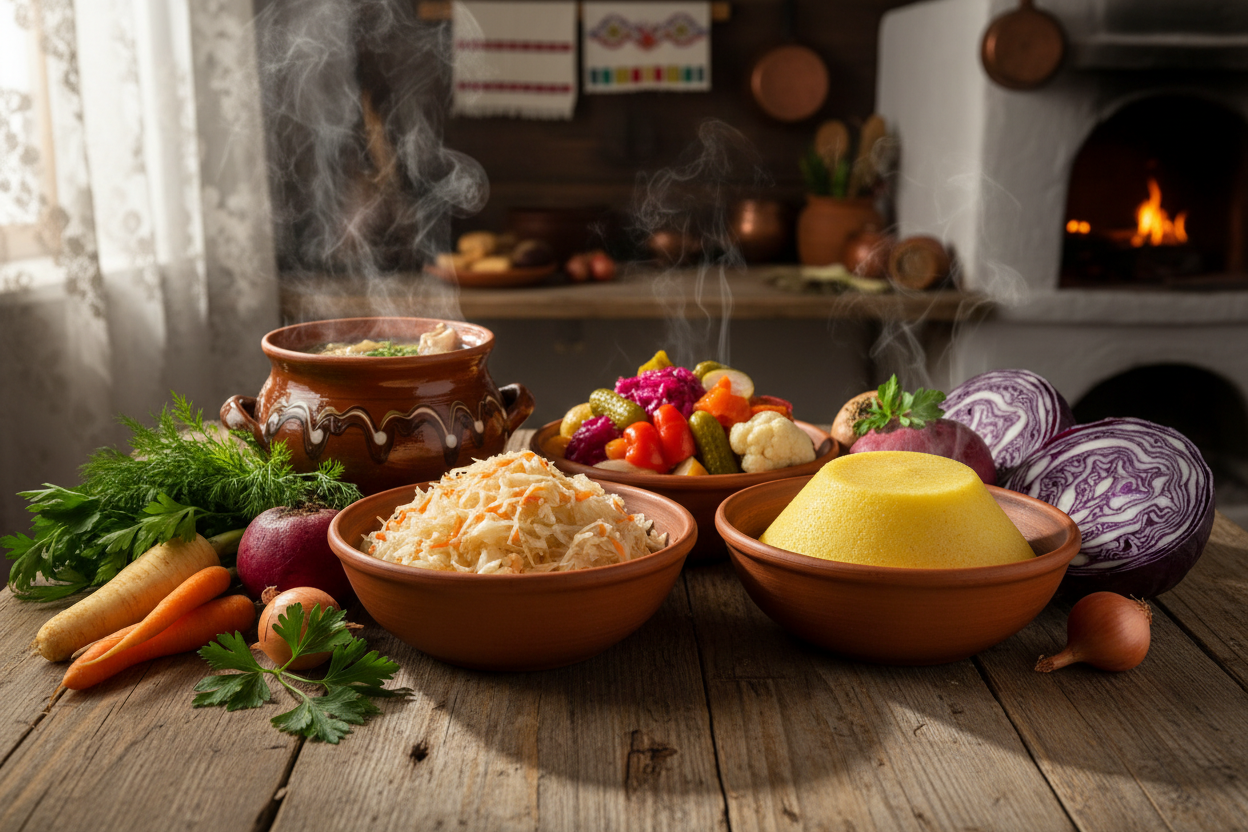
Mămăligă, Romania’s traditional polenta, serves as another cornerstone of women’s nutrition. Made from cornmeal and often served with cheese and sour cream, it provides sustained energy and important minerals like magnesium and phosphorus. Romanian women learned to pair mămăligă with iron-rich foods to combat the anemia that commonly affects women of reproductive age.
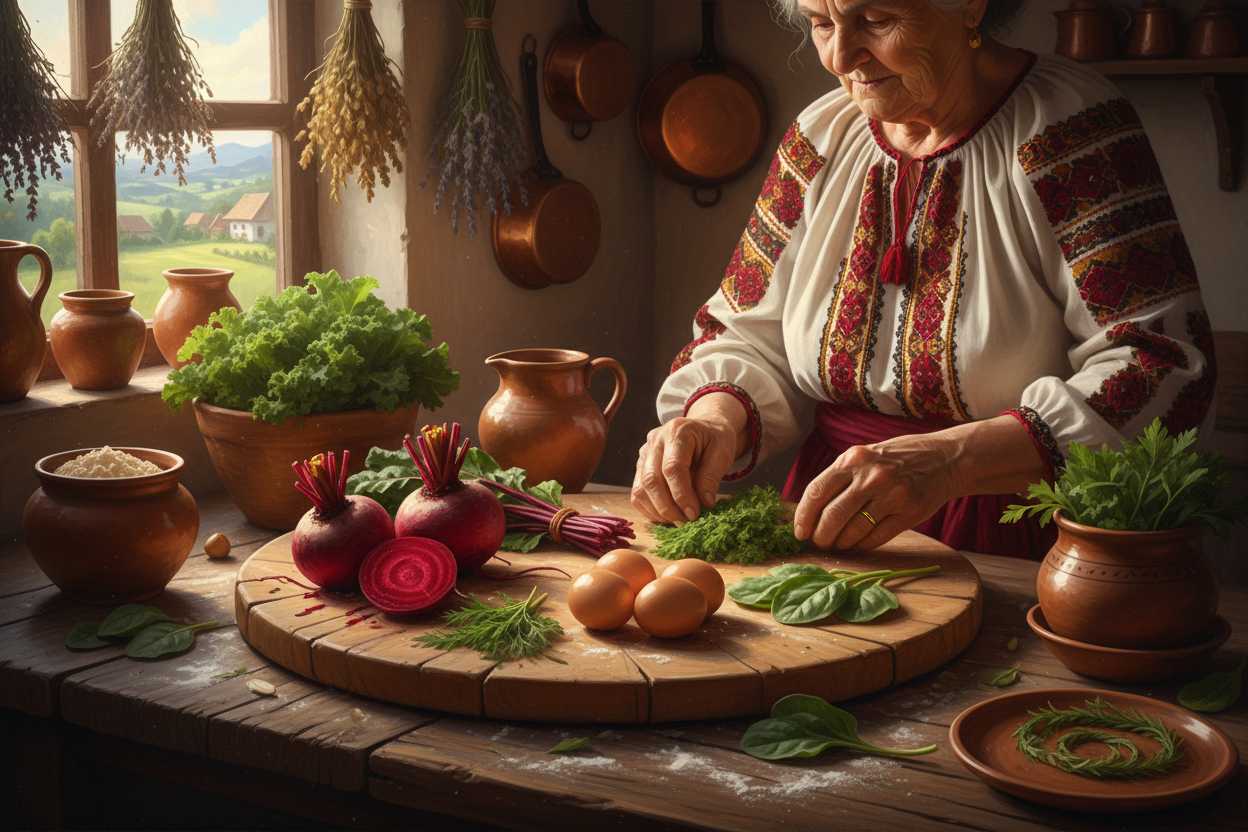
The extensive use of herbs and spices in Romanian cooking isn’t merely for flavor – it’s functional medicine in action. Dill, parsley, and lovage appear frequently in Romanian dishes, providing folate, vitamin K, and antioxidants that support blood health and bone strength. These herbs were particularly valued for pregnant and nursing mothers.
Romanian women have long treasured their traditional soups and broths, understanding their power to heal and restore. Ciorbă de burtă (tripe soup) might sound unusual to modern ears, but it provides collagen, minerals, and easily digestible proteins that support skin health, joint function, and overall vitality.
Seasonal Eating Patterns and Hormonal Balance
One of the most sophisticated aspects of Romanian women’s traditional nutrition is its alignment with seasonal cycles. This approach naturally supports hormonal balance by providing the body with different nutrients as they become available and as the body’s needs change throughout the year.
Spring in Romanian tradition marks a time of cleansing and renewal. Women would incorporate fresh greens like nettle, dandelion, and wild garlic into their diets. These plants, rich in iron, vitamins, and minerals, help replenish the body after winter’s heavier foods and support the liver in processing hormones effectively.
Summer abundance brought a focus on fresh fruits and vegetables, with Romanian women preserving these nutrients through traditional methods like sun-drying and lacto-fermentation. Tomatoes, peppers, and cucumbers provided antioxidants and hydration, while berries offered vitamin C and compounds that support reproductive health.
Autumn preparations centered around building reserves for winter. Romanian women would prepare nutrient-dense preserves, cure meats, and store root vegetables. This season’s foods – rich in healthy fats, proteins, and complex carbohydrates – naturally support the body’s need for more substantial nutrition as daylight decreases and energy demands increase.
Winter eating emphasized warming, grounding foods that support circulation and maintain energy levels during the darkest months. Hearty stews, fermented vegetables, and preserved meats provided the sustained nutrition needed to maintain strength and mood during challenging winter conditions.
Traditional Preparation Methods That Maximize Nutrition
Romanian women developed food preparation techniques that naturally enhanced the nutritional value and digestibility of their ingredients. These methods, refined over generations, demonstrate an intuitive understanding of how to extract maximum nourishment from available foods.
Fermentation plays a central role in Romanian food preparation, transforming simple vegetables into powerhouses of probiotics and enhanced nutrients. The traditional process of making murături (pickled vegetables) not only preserved the harvest but also increased the bioavailability of vitamins and created beneficial bacteria that support digestive health.
Long, slow cooking methods characterize many Romanian dishes, breaking down tough fibers and making nutrients more accessible. The traditional method of preparing bone broths, simmered for hours or even days, extracts minerals, collagen, and amino acids that are particularly beneficial for women’s bone health and skin vitality.
Romanian women also understood the importance of food combining, naturally pairing ingredients that enhance each other’s nutritional value. Serving iron-rich foods with vitamin C sources, combining grains with legumes for complete proteins, and using herbs and spices that aid digestion demonstrate this sophisticated understanding of nutritional synergy.
The practice of soaking grains and legumes before cooking, common in Romanian kitchens, reduces antinutrients and makes these foods more digestible. This traditional technique aligns perfectly with modern understanding of how to optimize the nutritional value of plant foods.
Modern Science Meets Ancient Romanian Wisdom
Contemporary nutritional research has begun to validate many aspects of traditional Romanian women’s nutrition, revealing the scientific basis behind centuries-old practices. This convergence of ancient wisdom and modern knowledge offers compelling evidence for the effectiveness of Romanian nutritional approaches.
The Romanian emphasis on fermented foods aligns with current research on the gut microbiome’s crucial role in women’s health. Studies show that a healthy gut bacteria balance supports immune function, mood regulation, and even hormone production – all areas that Romanian traditional nutrition naturally addressed through fermented vegetables and cultured dairy products.
Research on phytoestrogens – plant compounds that can help balance hormones – has identified many foods that Romanian women traditionally consumed during different life stages. Flaxseeds, often used in Romanian baking, contain lignans that may help ease menopausal symptoms. Similarly, the herbs commonly used in Romanian cooking contain compounds that support hormonal balance.
The Romanian practice of eating according to seasonal availability aligns with emerging research on chronobiology and circadian nutrition. Scientists now understand that our nutritional needs do indeed vary with seasonal changes in daylight, temperature, and activity levels – exactly what Romanian women observed and accommodated in their traditional eating patterns.
Modern studies on stress and nutrition have also validated the Romanian understanding of food as emotional nourishment. The communal aspects of Romanian food culture, the emphasis on comfort foods during difficult times, and the ritual aspects of food preparation all contribute to stress reduction and overall wellbeing in ways that science is just beginning to quantify.
Incorporating Romanian Nutritional Principles into Daily Life
While few of us live in traditional Romanian villages today, we can still benefit from the wisdom embedded in these time-tested nutritional practices. Adapting Romanian principles to modern life doesn’t require dramatic changes – it’s about making thoughtful choices that honor both tradition and contemporary convenience.
Start by incorporating more fermented foods into your routine. You don’t need to make traditional murături from scratch – though it’s wonderfully satisfying if you have the time. Quality sauerkraut, kimchi, or kefir can provide similar benefits. The key is consistency, making fermented foods a regular part of your diet rather than an occasional addition.
Embrace seasonal eating by choosing locally available, seasonal produce when possible. This doesn’t mean avoiding all out-of-season foods, but rather making seasonal options your foundation and building meals around what’s naturally abundant in your area at different times of year.
Slow down your cooking process when you can. Even if you can’t spend all day making traditional stews, you can benefit from longer, gentler cooking methods that make nutrients more available and create the satisfying, nourishing meals that Romanian tradition values.
Consider the social and emotional aspects of eating. Romanian women understood that meals shared with others, prepared with care and attention, and eaten without rush provide benefits that go far beyond basic nutrition. Even simple changes like eating without distractions or preparing one meal per week with extra care can make a meaningful difference.
Conclusion: Embracing Time-Tested Wisdom
The Romanian approach to women’s nutrition offers us something precious in our modern world – a return to food as medicine, nourishment as ritual, and eating as an act of self-care and community building. These traditions remind us that supporting women’s strength through food isn’t about following the latest dietary trend or restricting ourselves according to external rules.
Instead, Romanian wisdom teaches us to trust in the power of whole foods, seasonal rhythms, and time-tested combinations that have sustained women for generations. It shows us that true nutritional strength comes from abundance rather than restriction, from connection rather than isolation, and from honoring our bodies’ natural rhythms rather than fighting against them.
As we face the challenges of modern life – stress, processed foods, disconnection from natural rhythms – the Romanian approach offers a pathway back to nourishing ourselves in ways that support not just our physical health, but our emotional and spiritual wellbeing as well.
Whether you choose to make traditional sarmale on Sunday afternoons, start your day with fermented vegetables, or simply slow down to savor your meals with greater intention, incorporating elements of Romanian nutritional wisdom can help you build the kind of lasting strength and vitality that has sustained Romanian women for centuries.
Frequently Asked Questions
What are the most important Romanian foods for women’s health?
The cornerstone foods include fermented vegetables like sauerkraut and pickles, traditional soups and bone broths, mămăligă (polenta), fresh herbs like dill and parsley, and seasonal vegetables prepared using traditional methods. These foods provide probiotics, minerals, vitamins, and easily digestible proteins that specifically support women’s nutritional needs.
How does seasonal eating benefit women’s hormonal health?
Seasonal eating naturally provides different nutrients as the body’s needs change throughout the year. Spring greens support liver detoxification and hormone processing, summer fruits provide antioxidants for reproductive health, autumn foods build energy reserves, and winter foods offer warming nutrients that support circulation and mood during darker months.
Can I follow Romanian nutritional principles if I’m vegetarian or vegan?
Absolutely. While traditional Romanian cuisine includes meat, many of the core principles – fermented vegetables, seasonal eating, slow cooking methods, and herb usage – are plant-based. You can adapt the approach by focusing on fermented foods, seasonal vegetables, traditional grain preparations, and the abundant herbs and spices used in Romanian cooking.
What’s the difference between Romanian traditional nutrition and modern diets?
Romanian traditional nutrition emphasizes whole foods, seasonal availability, community eating, and intuitive understanding of the body’s changing needs. Unlike modern diets that often focus on restriction or rigid rules, Romanian approaches emphasize abundance, variety, and the emotional and social aspects of eating as integral to health.
How can busy modern women incorporate these traditional practices?
Start small with manageable changes: add fermented foods to your daily routine, choose seasonal produce when shopping, prepare one slow-cooked meal per week, eat without distractions when possible, and incorporate Romanian herbs and spices into your cooking. The key is consistency rather than perfection, gradually building these nourishing practices into your lifestyle.