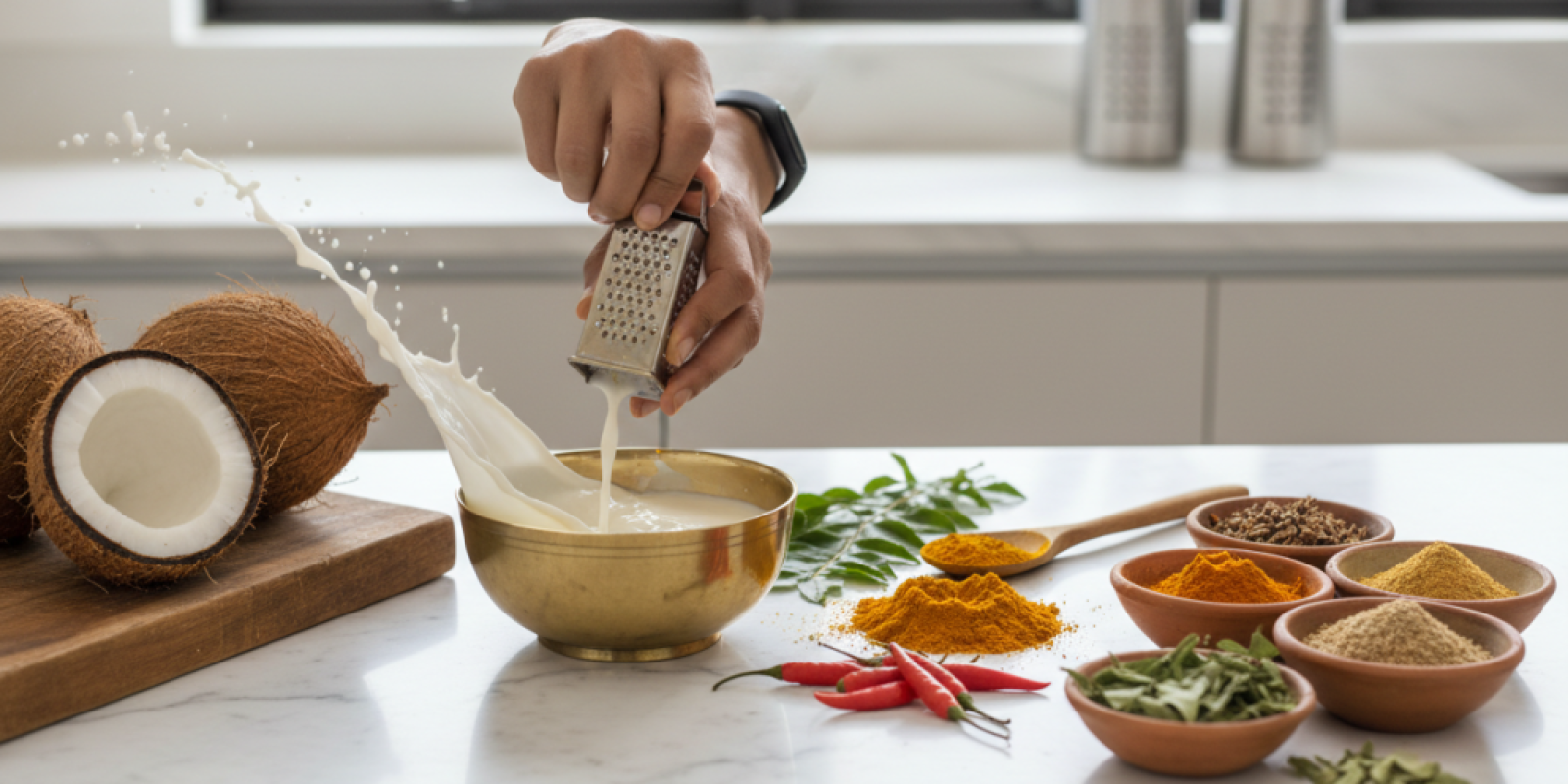
Sri Lankan Coconut-Based Quick Recipes for Active Women: Fuel Your Day with Tropical Nutrition
Table of Contents
1. Introduction: The Power of Coconut in Sri Lankan Cuisine
2. Why Coconut is Perfect for Active Women
3. Essential Sri Lankan Coconut Ingredients to Stock
4. Quick Morning Energy Boosters
5. Midday Power Meals
6. Post-Workout Recovery Recipes
7. Evening Comfort Foods
8. Tips for Meal Prep Success
9. Conclusion
10. Frequently Asked Questions
Introduction: The Power of Coconut in Sri Lankan Cuisine
As someone who’s spent countless mornings rushing between yoga classes, work meetings, and evening runs, I’ve learned that the secret to maintaining energy isn’t just about what you eat – it’s about choosing foods that work as hard as you do. That’s where the incredible world of Sri Lankan coconut-based recipes comes in, offering a treasure trove of quick, nutritious meals that perfectly complement an active lifestyle.
Sri Lankan cuisine has been celebrating coconut’s versatility for centuries, transforming this humble tropical fruit into everything from creamy curries to energizing drinks. What makes these recipes particularly brilliant for busy women is their ability to deliver sustained energy, healthy fats, and essential nutrients in dishes that can be prepared in minutes, not hours.
Whether you’re a fitness enthusiast looking for pre-workout fuel, a working professional needing quick lunch solutions, or simply someone who wants to incorporate more plant-based nutrition into your routine, these coconut-centric recipes will revolutionize your meal planning approach.
Why Coconut is Perfect for Active Women
Before diving into the recipes, let’s talk about why coconut deserves a permanent spot in your kitchen. This tropical powerhouse isn’t just delicious – it’s scientifically proven to support an active lifestyle in remarkable ways.
Coconut contains medium-chain triglycerides (MCTs), which your body converts to energy more efficiently than other fats. This means you get sustained energy without the crash that comes from processed foods. For women who are constantly on the move, this steady energy release is absolutely game-changing.
The natural electrolytes in coconut water make it superior to many commercial sports drinks, while coconut meat provides fiber that keeps you feeling satisfied longer. Plus, the healthy fats support hormone production – something particularly important for women balancing demanding schedules with fitness goals.
What I love most about coconut-based Sri Lankan recipes is their anti-inflammatory properties. After intense workouts or stressful days, these meals help your body recover while satisfying your taste buds with complex, aromatic flavors that make healthy eating feel like a treat rather than a chore.
Essential Sri Lankan Coconut Ingredients to Stock
Building a coconut-focused pantry doesn’t require exotic shopping trips or expensive specialty items. Most ingredients are readily available in regular supermarkets or online, and a little goes a long way in creating authentic Sri Lankan flavors.
Start with coconut milk – both canned full-fat versions for rich curries and light coconut milk for everyday cooking. Coconut oil is essential for its high smoke point and subtle flavor, while desiccated coconut adds texture and nutrients to both sweet and savory dishes.
Fresh coconut water should be your go-to hydration base, and if you can find fresh coconut meat, you’re in for a real treat. Coconut flour serves as an excellent gluten-free alternative for quick breads and pancakes, while coconut aminos can replace soy sauce for those avoiding gluten.
Don’t forget the flavor enhancers that make Sri Lankan cuisine so distinctive: curry leaves, pandan leaves when available, Ceylon cinnamon, cardamom, and good quality turmeric. These aromatics transform simple coconut-based dishes into restaurant-worthy meals that happen to be incredibly nutritious.
Quick Morning Energy Boosters
Mornings set the tone for your entire day, and these Sri Lankan-inspired coconut recipes will have you starting strong without spending precious time in the kitchen.
My absolute favorite is the five-minute coconut rice porridge. Simply combine leftover rice with coconut milk, a pinch of salt, and Ceylon cinnamon in a pot. Heat while stirring, then top with fresh fruit and a drizzle of honey. This provides complex carbohydrates, healthy fats, and enough substance to fuel morning workouts or busy commutes.
For something completely different, try coconut roti wraps filled with scrambled eggs and fresh herbs. The roti can be made the night before or purchased ready-made, then quickly warmed and filled with protein-rich eggs scrambled in coconut oil with curry leaves and chilies.
The Sri Lankan coconut pancake adaptation has become my weekend warrior fuel. Blend coconut flour, eggs, coconut milk, and a touch of vanilla. Cook like regular pancakes but enjoy the sustained energy from the coconut’s natural fats. Top with fresh mango or banana for natural sugars that won’t cause energy crashes.
Don’t overlook the power of a proper Sri Lankan-style coconut smoothie. Blend coconut water, frozen mango, a handful of spinach, coconut meat, and a pinch of cardamom. It’s hydrating, energizing, and packed with vitamins that support recovery and performance.
Midday Power Meals
Lunch often becomes an afterthought when you’re juggling multiple responsibilities, but these coconut-based meals prove that quick doesn’t mean compromising on nutrition or satisfaction.
The ten-minute coconut lentil curry has saved me countless times when I needed something substantial but fast. Red lentils cook quickly in coconut milk with turmeric, curry leaves, and garlic. Serve over pre-cooked rice or quinoa, and you have a complete protein meal that provides steady energy for afternoon activities.
Coconut chicken salad offers a fresh take on traditional preparations. Poach chicken breast in coconut milk with ginger and lemongrass, then shred and toss with fresh herbs, lime juice, and toasted coconut flakes. Serve over greens or in coconut flour wraps for a meal that’s both satisfying and energizing.
For plant-based options, try the coconut vegetable stir-fry that takes advantage of whatever vegetables you have on hand. The key is cooking them quickly in coconut oil with curry leaves, mustard seeds, and a splash of coconut milk to create a creamy sauce that coats the vegetables beautifully.
The Sri Lankan-inspired coconut soup deserves special mention. Combine coconut milk with vegetable or chicken broth, add pre-cooked proteins and vegetables, season with lime juice and fresh herbs. It’s comforting, hydrating, and can be customized based on your dietary preferences and what’s available in your refrigerator.
Post-Workout Recovery Recipes
After pushing your body through challenging workouts, it craves specific nutrients for optimal recovery. These coconut-based recipes deliver exactly what your muscles need while satisfying post-exercise appetite.
The coconut protein smoothie bowl has become my post-gym ritual. Blend frozen banana, coconut milk, protein powder, and a tablespoon of coconut butter until thick. Top with fresh berries, toasted coconut flakes, and a sprinkle of Ceylon cinnamon. The combination of fast-acting and slow-releasing carbohydrates helps replenish glycogen stores while the protein supports muscle repair.
Coconut rice with grilled proteins offers the perfect balance of carbohydrates and protein. Cook jasmine rice in coconut milk instead of water, adding a pandan leaf if available for authentic flavor. Pair with quickly grilled chicken, fish, or tofu marinated in coconut aminos and lime juice.
The recovery curry using coconut milk as a base allows you to pack in anti-inflammatory ingredients like turmeric, ginger, and leafy greens while providing the calories and nutrients your body needs after intense training. Add your choice of protein and serve over cauliflower rice for a lighter option or regular rice when you need more carbohydrates.
Don’t underestimate the power of coconut water enhanced with natural electrolytes. Mix coconut water with a pinch of sea salt, lime juice, and fresh mint. It’s more effective than many commercial recovery drinks and doesn’t contain artificial additives that can interfere with your body’s natural recovery processes.
Evening Comfort Foods
After long, active days, you deserve comfort food that nourishes rather than depletes your energy for tomorrow’s activities. These Sri Lankan coconut recipes provide that perfect balance of satisfaction and nutrition.
The coconut curry with sweet potatoes has become my go-to evening meal when I want something warming and substantial. Sweet potatoes provide complex carbohydrates that support restful sleep, while the coconut milk creates a creamy, satisfying base that doesn’t feel heavy before bedtime.
Coconut milk rice pudding offers a healthy dessert alternative that actually supports recovery. Use short-grain rice, coconut milk, a touch of jaggery or maple syrup, and warming spices like cardamom and cinnamon. The natural sugars help replenish muscle glycogen while the creamy texture satisfies evening cravings.
The Sri Lankan-style coconut fish curry adapts beautifully to whatever fish is freshest and most affordable. The coconut milk base infused with curry leaves, lemongrass, and chilies creates a aromatic sauce that makes simple fish feel like a special occasion meal. Serve with steamed vegetables for a complete, balanced dinner.
For vegetarian evenings, try the coconut and vegetable kottu-inspired stir-fry. This deconstructed version of the popular Sri Lankan street food uses shredded vegetables, scrambled eggs, and coconut flakes stir-fried with aromatic spices. It’s comforting, protein-rich, and can be customized based on your vegetable preferences.
Tips for Meal Prep Success
The key to maintaining these healthy eating habits lies in smart preparation strategies that work with your busy schedule rather than against it.
Batch-cook coconut rice at the beginning of each week. It keeps well in the refrigerator and can be quickly reheated or used cold in salads. Similarly, prepare large batches of coconut milk-based curry bases that can be frozen in portions and quickly transformed into different meals by adding various proteins and vegetables.
Pre-toast coconut flakes and store them in airtight containers. They add instant flavor and texture to smoothies, salads, and main dishes without requiring any additional preparation time. Fresh coconut water can be frozen in ice cube trays, creating convenient portions for smoothies and post-workout drinks.
Invest in quality coconut products that don’t require frequent shopping trips. Full-fat canned coconut milk, coconut oil, and coconut flour have long shelf lives and form the foundation of countless quick meals. Having these staples means you’re always prepared to create something nutritious and satisfying.
Prepare spice blends in advance by combining frequently used Sri Lankan aromatics like curry powder, turmeric, cinnamon, and cardamom. Store these custom blends in small containers, making it easy to add authentic flavors to any coconut-based dish without measuring individual spices each time.
Conclusion
Incorporating Sri Lankan coconut-based recipes into your active lifestyle doesn’t require dramatic changes to your routine or expensive ingredient investments. These recipes prove that nutritious, energizing meals can be both quick to prepare and deeply satisfying.
The beauty of coconut-centered cooking lies in its versatility and forgiving nature. Whether you’re fueling morning workouts, powering through busy afternoons, or recovering from evening training sessions, there’s a coconut-based recipe that fits your needs and timeline.
Start with one or two recipes that appeal to your taste preferences and current routine. As you become comfortable with the basic techniques and flavor profiles, you’ll naturally begin adapting and creating your own variations. The goal isn’t perfection – it’s progress toward a more energized, nourished version of yourself.
Remember that sustainable healthy eating happens when nutritious food tastes so good that you genuinely look forward to preparing and eating it. These Sri Lankan coconut recipes deliver exactly that combination of health benefits and culinary satisfaction that makes maintaining an active lifestyle both achievable and enjoyable.
Frequently Asked Questions
Can I use light coconut milk instead of full-fat coconut milk in these recipes?
Yes, you can substitute light coconut milk in most recipes, though the texture will be less creamy and the caloric content lower. For post-workout recovery meals, full-fat coconut milk provides more beneficial calories and satisfaction, but light versions work well for everyday cooking when you want coconut flavor without the richness.
How long do coconut-based curries keep in the refrigerator?
Most coconut milk-based curries keep well for 3-4 days in the refrigerator and can be frozen for up to three months. The flavors often improve after a day, making them excellent candidates for meal prep. Always reheat thoroughly and add fresh herbs or a squeeze of lime juice to brighten the flavors.
Are these recipes suitable for people with nut allergies?
Despite its name, coconut is actually a fruit, not a tree nut, and most people with tree nut allergies can safely consume coconut products. However, always consult with your healthcare provider if you have severe allergies, as individual sensitivities can vary.
Can I make these recipes vegan-friendly?
Absolutely! Most of these recipes are naturally plant-based or easily adapted. Replace animal proteins with tofu, tempeh, or legumes, and substitute honey with maple syrup or agave. The coconut base works beautifully with plant-based ingredients and often enhances their flavors.
What’s the best way to store fresh coconut water?
Fresh coconut water should be consumed within 24-48 hours of opening the coconut and stored in the refrigerator. If you can’t use it immediately, freeze it in ice cube trays for smoothies or portion it into freezer-safe containers for up to six months.
How can I reduce the calories in coconut milk-based recipes?
Mix coconut milk with vegetable broth or water to reduce caloric density while maintaining flavor. You can also use coconut milk powder mixed with water for a lighter version, or alternate between full-fat and light coconut milk depending on your daily caloric needs and activity levels.