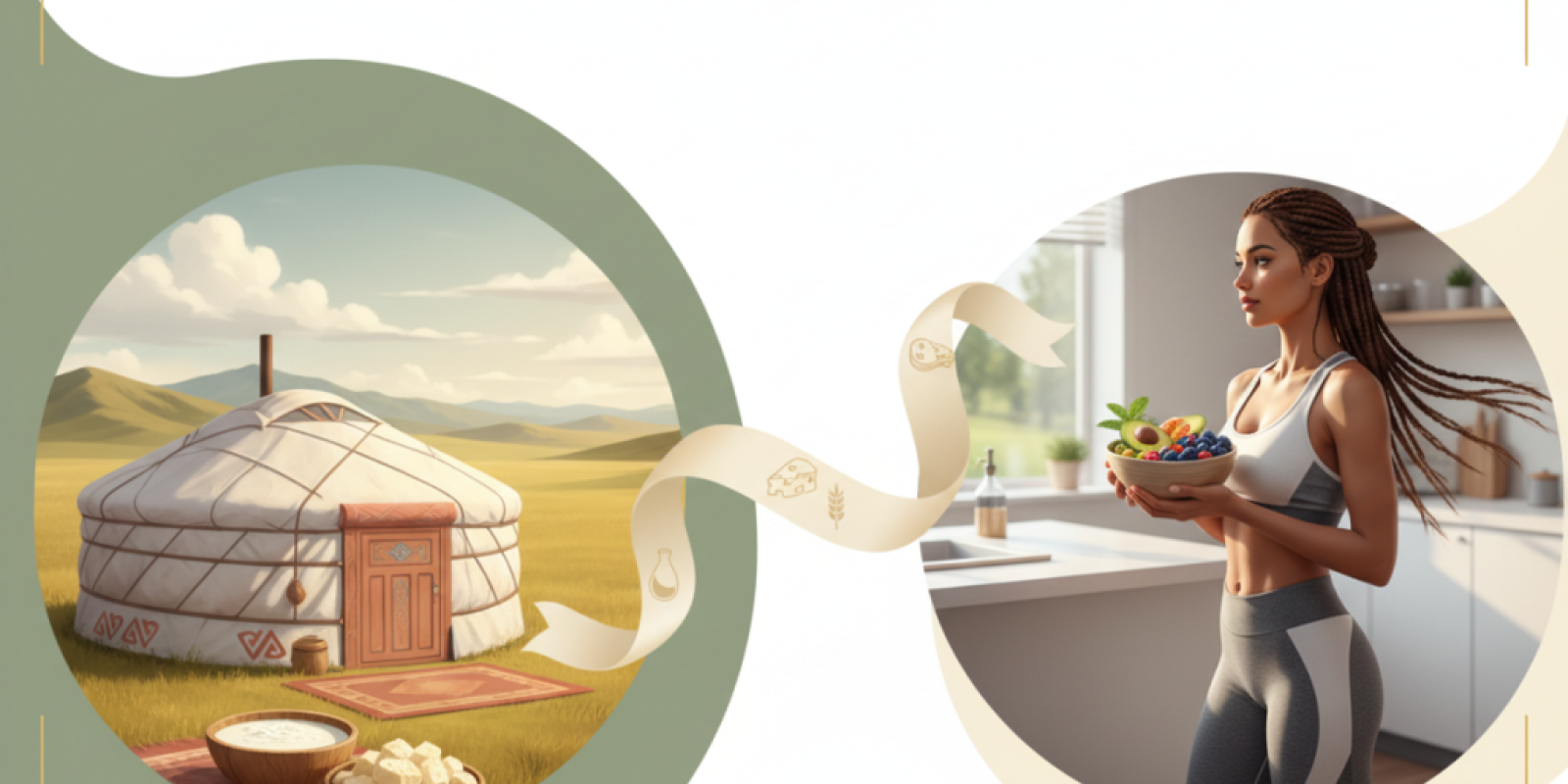
Mongolian Nomadic Diet: Ancient Wisdom for Modern Women’s Fitness
Table of Contents
1. Introduction: Discovering Ancient Nutritional Secrets
2. The Foundation of Mongolian Nomadic Nutrition
3. Key Components of the Traditional Mongolian Diet
4. How Mongolian Diet Principles Support Women’s Fitness Goals
5. Adapting Ancient Wisdom for Modern Lifestyles
6. Scientific Evidence Behind Nomadic Nutrition
7. Practical Implementation for Today’s Women
8. Potential Challenges and Solutions
9. Conclusion: Embracing Timeless Nutrition Wisdom
10. Frequently Asked Questions
Introduction: Discovering Ancient Nutritional Secrets
Picture this: vast steppes stretching endlessly under an azure sky, where hardy women have thrived for centuries on a diet that seems to defy everything we think we know about modern nutrition. The Mongolian nomads have maintained remarkable health, strength, and endurance for over a thousand years, and their dietary secrets might just hold the key to revolutionizing women’s fitness in our contemporary world.
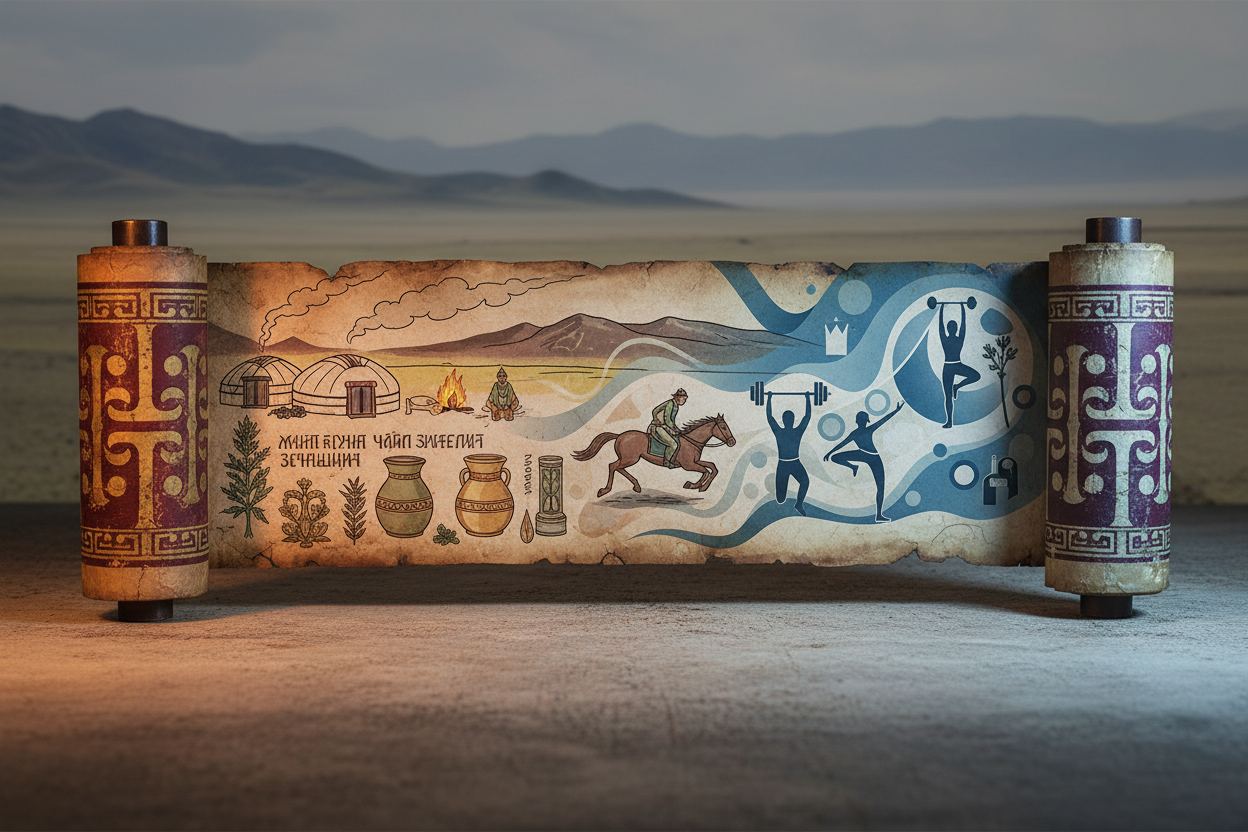
While we’re busy counting calories and obsessing over the latest superfood trends, Mongolian women have been quietly demonstrating that true nutritional wisdom comes from understanding our body’s fundamental needs. Their traditional diet, born from necessity and refined through generations, offers insights that could transform how modern women approach fitness and nutrition.
In our fast-paced world of processed foods and conflicting dietary advice, there’s something profoundly appealing about returning to the basics. The Mongolian nomadic diet isn’t just about survival—it’s about thriving in harsh conditions while maintaining optimal health. For today’s women juggling careers, families, and fitness goals, these ancient principles offer a refreshingly simple yet powerful approach to nutrition.
The Foundation of Mongolian Nomadic Nutrition
The Mongolian nomadic diet emerged from one of the world’s most challenging environments. With temperatures dropping to minus 40 degrees Fahrenheit and limited access to plant foods for much of the year, these communities developed a nutritional strategy that prioritized nutrient density, sustainability, and adaptability.

What makes this diet particularly fascinating is its complete departure from modern dietary dogma. While contemporary nutrition often emphasizes plant-based foods and complex carbohydrates, the Mongolian approach centers on animal products, fermented foods, and seasonal eating patterns that align with natural rhythms.
The nomadic lifestyle demanded incredible physical endurance. Women regularly rode horses for hours, managed livestock, and performed physically demanding tasks while maintaining their health and fertility. Their diet wasn’t just fuel—it was medicine, providing everything needed for optimal hormone production, bone health, and sustained energy.
This nutritional framework developed organically over centuries, with each generation refining their understanding of which foods provided the most benefit. The result is a time-tested system that supported not just survival, but genuine vitality and strength.
Key Components of the Traditional Mongolian Diet
The cornerstone of Mongolian nomadic nutrition revolves around what they call the “five snouts”—horses, cattle, camels, goats, and sheep. But it’s not just about meat consumption; it’s about utilizing every part of these animals to create a complete nutritional profile that modern science is only beginning to understand.
Fermented mare’s milk, known as airag, serves as both beverage and probiotic powerhouse. This naturally effervescent drink provides beneficial bacteria that support digestive health while delivering essential nutrients. Similarly, fermented yak milk creates a cheese-like product that can be stored for months, ensuring year-round access to calcium and protein.
Organ meats play a crucial role, providing concentrated sources of vitamins A, D, E, and K, along with essential minerals like iron and zinc. These nutrient-dense foods were particularly important for women’s reproductive health and energy levels.
Blood sausages and bone broths extracted maximum nutrition from every animal, providing collagen for joint health and minerals for bone strength. Nothing was wasted, and every component served a specific nutritional purpose.
During brief summers, wild plants, berries, and herbs supplemented the animal-based diet, providing antioxidants and phytonutrients. However, these plant foods were viewed as seasonal supplements rather than dietary staples.
How Mongolian Diet Principles Support Women’s Fitness Goals
Modern women’s fitness goals often include building lean muscle, maintaining stable energy levels, supporting hormonal balance, and achieving sustainable weight management. Remarkably, the Mongolian nomadic diet addresses each of these areas through its emphasis on high-quality proteins, healthy fats, and nutrient timing.
The high protein content naturally supports muscle protein synthesis, crucial for women who want to build and maintain lean muscle mass. Unlike many modern protein sources, traditional Mongolian proteins came with their complete amino acid profiles intact, along with supporting nutrients like creatine and carnosine that enhance athletic performance.
The diet’s emphasis on healthy animal fats provides the building blocks for hormone production. Modern women often struggle with hormonal imbalances due to low-fat diets that don’t provide adequate cholesterol and essential fatty acids. The Mongolian approach ensures optimal production of hormones like testosterone and estrogen, which are crucial for both fitness and overall health.
Perhaps most importantly, the nomadic eating pattern naturally creates what we now call “intermittent fasting.” Meals were often spaced apart by necessity, allowing the body to fully digest and utilize nutrients while promoting metabolic flexibility—the ability to efficiently burn both carbohydrates and fats for fuel.
The nutrient density of traditional Mongolian foods means that smaller quantities provided more nutrition than typical modern meals. This naturally supports healthy weight management without the constant hunger that plagues many contemporary dieters.
Adapting Ancient Wisdom for Modern Lifestyles
Translating thousand-year-old dietary practices into our contemporary world requires thoughtful adaptation rather than rigid replication. The principles remain powerful, but the application must fit our current food systems and lifestyle demands.
The core principle of prioritizing nutrient density over calorie counting translates beautifully to modern life. Instead of measuring every morsel, focus on choosing foods that provide maximum nutrition per bite. This might mean selecting grass-fed beef over conventional meat, or choosing organ meat supplements when fresh organs aren’t available.
The Mongolian emphasis on fermented foods can be adapted through high-quality kefir, yogurt, sauerkraut, and other cultured products. These provide the same probiotic benefits that supported digestive health in traditional nomadic communities.
Seasonal eating, another nomadic principle, encourages us to align our nutrition with natural cycles. This might mean eating more warming, protein-rich foods in winter and incorporating fresh, lighter options during summer months.
The practice of using every part of the animal translates to modern bone broth consumption, organ meat supplements, and choosing products from companies that practice nose-to-tail utilization.
Scientific Evidence Behind Nomadic Nutrition
Contemporary research is validating many aspects of traditional Mongolian nutrition that were once dismissed by mainstream dietary advice. Studies on ketogenic and carnivore diets show remarkable similarities to nomadic eating patterns and demonstrate significant benefits for women’s health and fitness.
Research on intermittent fasting, which mirrors natural nomadic eating patterns, shows improvements in insulin sensitivity, growth hormone production, and cellular repair processes. These mechanisms directly support women’s fitness goals and long-term health.
Studies on fermented foods demonstrate their crucial role in supporting immune function, mental health, and nutrient absorption. The Mongolian practice of consuming fermented dairy products aligns perfectly with current microbiome research.
Investigations into nutrient density reveal that organ meats and traditional animal products provide bioavailable forms of nutrients that are often poorly absorbed from plant sources or synthetic supplements. This supports the nomadic practice of prioritizing animal foods for optimal nutrition.
Research on circadian rhythms and metabolic health validates the nomadic approach of eating in alignment with natural light cycles and seasonal availability, showing benefits for hormone regulation and metabolic function.
Practical Implementation for Today’s Women
Implementing Mongolian dietary principles doesn’t require abandoning modern conveniences or moving to the steppes. Instead, it involves thoughtful integration of time-tested principles into contemporary life.
Start by prioritizing protein quality over quantity. Choose grass-fed, pasture-raised animal products when possible, and don’t shy away from fattier cuts of meat. These provide the nutrient profile that supported nomadic women’s strength and vitality.
Incorporate fermented foods daily. Whether it’s a morning kefir smoothie, fermented vegetables with lunch, or traditional yogurt as a snack, these foods support the digestive health that underlies all other fitness goals.
Practice intuitive meal timing rather than rigid scheduling. Allow natural hunger cues to guide when you eat, which often naturally creates the spacing that supports metabolic health.
Embrace seasonal eating by choosing foods that align with your local climate and season. This connects you with natural rhythms while ensuring optimal nutrient availability.
Consider organ meat supplements if fresh organs aren’t appealing. These concentrated sources of nutrients can provide many benefits of traditional nomadic nutrition in a modern, convenient form.
Potential Challenges and Solutions
Adopting principles from the Mongolian nomadic diet isn’t without challenges in our modern context. Food availability, cultural preferences, and lifestyle constraints all require thoughtful navigation.
The biggest challenge is often sourcing high-quality animal products. Solution: Build relationships with local farmers, join buying clubs, or research online sources for grass-fed, pasture-raised options. Start small and gradually upgrade your protein sources as budget and availability allow.
Social situations can be difficult when your eating pattern differs from conventional approaches. Solution: Focus on the principles rather than rigid rules. Adapt to social situations while maintaining your commitment to nutrient density and quality.
Initial digestive adjustment may occur when increasing fat intake or changing meal timing. Solution: Make gradual changes, support digestion with fermented foods, and allow your body time to adapt to new patterns.
Cost concerns are valid, as high-quality animal products can be expensive. Solution: Utilize less expensive cuts like ground meat and organ meats, buy in bulk when possible, and remember that nutrient-dense foods often satisfy hunger more effectively, potentially reducing overall food costs.
Conclusion: Embracing Timeless Nutrition Wisdom
The Mongolian nomadic diet offers modern women something precious: a return to nutritional simplicity backed by centuries of real-world testing. In our age of conflicting dietary advice and complicated meal plans, these ancient principles provide a refreshing framework for supporting women’s fitness goals naturally and sustainably.
The beauty of this approach lies not in its complexity, but in its elegant simplicity. By prioritizing nutrient density, embracing natural eating rhythms, and focusing on foods that have sustained human health for millennia, we can support our bodies in ways that align with both ancient wisdom and modern science.
For today’s women seeking sustainable fitness and health solutions, the Mongolian nomadic diet doesn’t offer a quick fix or miracle cure. Instead, it provides a time-tested framework for nourishing the body in ways that support long-term vitality, strength, and wellbeing.
As we continue to navigate the challenges of modern life while pursuing our fitness goals, perhaps it’s time to look backward to move forward—embracing the nutritional wisdom of nomadic women who thrived in one of the world’s most demanding environments. Their legacy offers us not just dietary guidance, but a reminder that true health comes from working with our bodies’ natural needs rather than against them.
Frequently Asked Questions
Q: Is the Mongolian nomadic diet suitable for vegetarians or vegans?
A: The traditional Mongolian nomadic diet is heavily animal-based, making it incompatible with vegetarian or vegan lifestyles. However, some principles like fermented foods, seasonal eating, and nutrient density can be adapted to plant-based diets.
Q: Can I follow this diet if I have lactose intolerance?
A: Many fermented dairy products in the Mongolian diet have reduced lactose content due to the fermentation process. However, those with severe lactose intolerance should consult healthcare providers and may need to focus on other aspects of the diet while avoiding dairy products.
Q: How quickly can I expect to see fitness results from adopting these principles?
A: Results vary by individual, but many people report improved energy levels within 2-4 weeks. Significant fitness and body composition changes typically occur over 2-3 months of consistent application combined with appropriate exercise.
Q: Is this diet safe during pregnancy and breastfeeding?
A: The nutrient-dense nature of traditional Mongolian foods supported healthy pregnancies for centuries. However, any significant dietary changes during pregnancy or breastfeeding should be discussed with healthcare providers to ensure individual needs are met.
Q: How do I source organ meats and other traditional foods in urban areas?
A: Many butcher shops can special order organ meats, online retailers offer grass-fed options, and some health food stores carry organ meat supplements. Start by asking local butchers about availability and consider joining buying clubs for bulk purchases.
Q: Can I combine this approach with other fitness nutrition strategies?
A: The principles of nutrient density, quality protein, and natural eating rhythms complement most fitness nutrition approaches. However, it’s best to focus on one primary strategy while gradually incorporating compatible elements from others.