Seasonal Inflammation Foods: What to Avoid and What to Embrace for Better Health
Table of Contents
1. Understanding Seasonal Inflammation and Its Impact
2. Winter Inflammation Triggers: Foods That Fan the Flames
3. Spring Detox: Anti-Inflammatory Foods for Renewal
4. Summer’s Natural Anti-Inflammatory Bounty
5. Fall Foods: Preparing Your Body for Seasonal Changes
6. Year-Round Inflammation Fighters You Should Always Have
7. Creating Your Seasonal Anti-Inflammatory Meal Plan
8. Frequently Asked Questions
Understanding Seasonal Inflammation and Its Impact
Have you ever noticed how your body feels different during certain times of the year? Maybe your joints ache more in winter, or you feel more energetic in summer. There’s actually science behind these seasonal changes, and much of it relates to inflammation in our bodies.
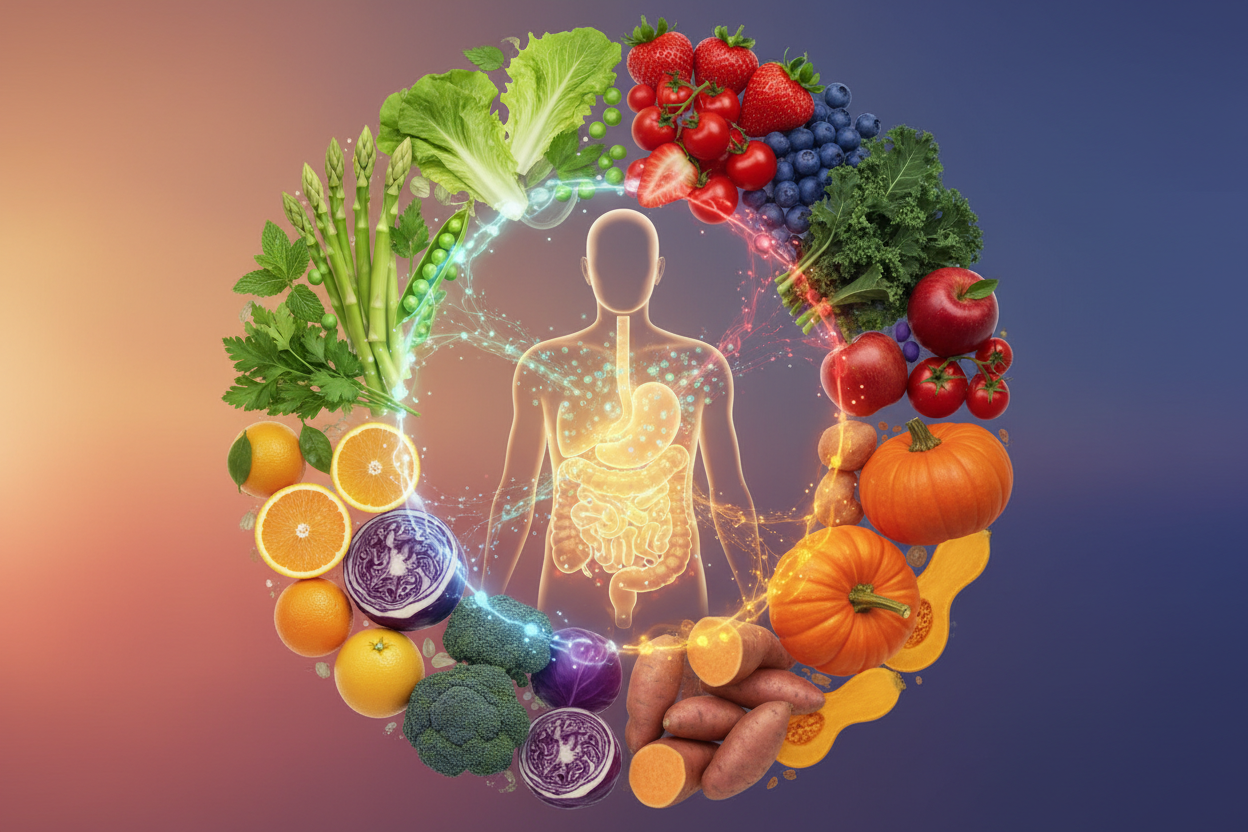
Seasonal inflammation is your body’s natural response to environmental changes, weather patterns, and the foods available during different times of the year. While some inflammation is necessary for healing and protection, chronic inflammation can lead to serious health issues including heart disease, diabetes, and autoimmune conditions.
The foods we eat play a crucial role in either promoting or reducing inflammation. What’s fascinating is that nature has designed seasonal foods to work with our bodies’ changing needs throughout the year. Understanding this connection can help you make better food choices that support your health during every season.

Winter Inflammation Triggers: Foods That Fan the Flames
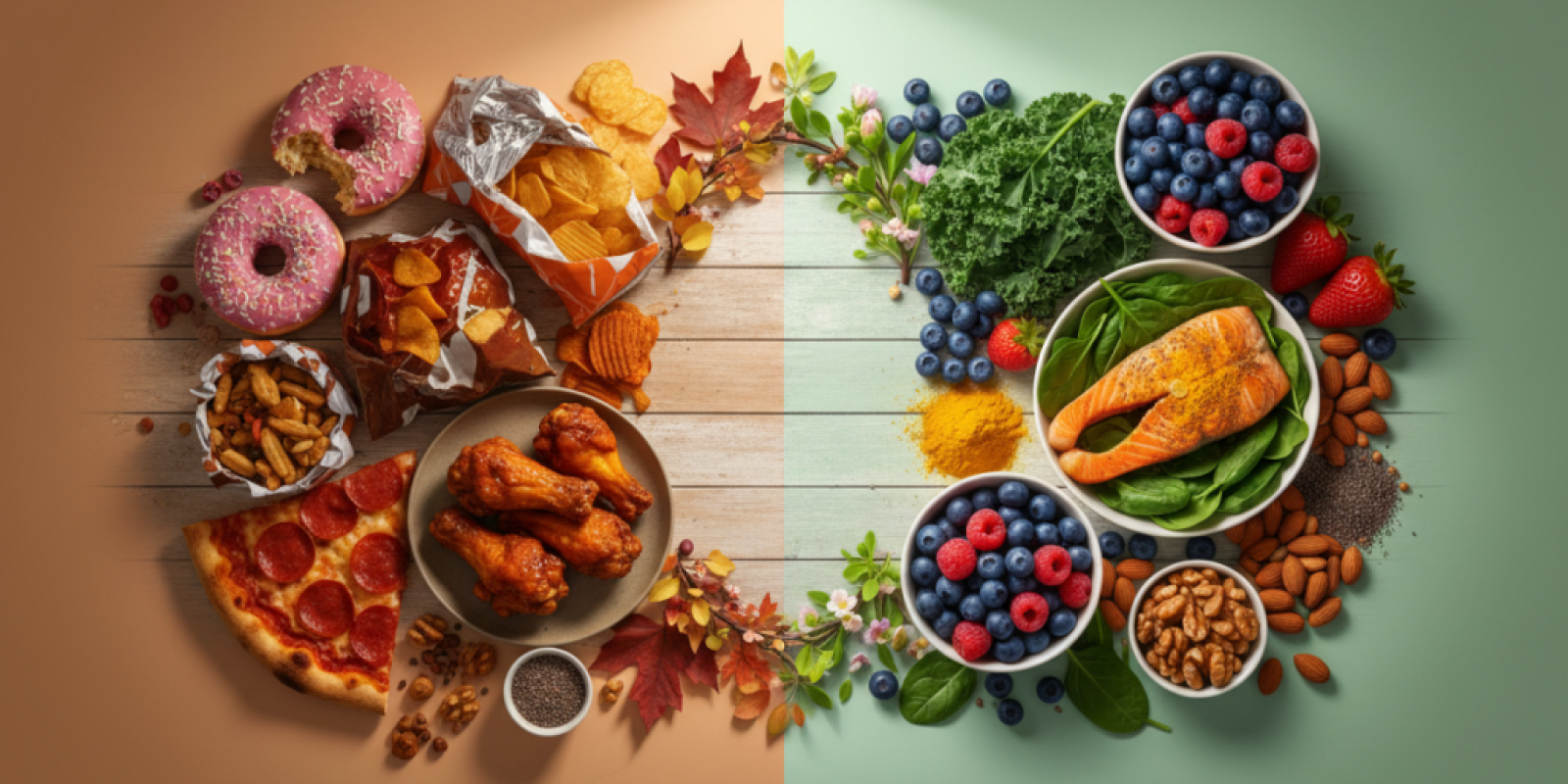
Winter months often bring comfort foods that can increase inflammation in our bodies. While it’s natural to crave heartier meals during colder weather, some popular winter foods can work against our health goals.
Processed meats like bacon, sausages, and deli meats are particularly problematic during winter. These foods contain high levels of sodium and preservatives that can trigger inflammatory responses. The nitrates and nitrites used in processing create compounds that promote inflammation throughout the body.
Refined sugars and carbohydrates also spike during winter months, often hidden in holiday treats and comfort foods. White bread, pasta, pastries, and sugary drinks cause rapid blood sugar spikes that trigger inflammatory cytokines. Your body treats these sudden glucose surges as a threat, responding with inflammation.
Trans fats, found in many packaged baked goods and fried foods, are another winter culprit. These artificially created fats disrupt your body’s natural inflammatory balance and can persist in your system for weeks after consumption.
Instead of completely avoiding comfort foods, try healthier alternatives. Replace processed meats with lean proteins like wild-caught fish or grass-fed beef. Choose whole grain options over refined carbohydrates, and satisfy sweet cravings with naturally sweet winter fruits like pomegranates and citrus.
Spring Detox: Anti-Inflammatory Foods for Renewal
Spring represents renewal and cleansing, making it the perfect time to reset your body’s inflammatory balance. Nature provides an abundance of detoxifying foods during this season that can help clear winter’s inflammatory buildup.
Leafy greens are spring’s superstars. Spinach, arugula, dandelion greens, and early lettuce varieties contain powerful antioxidants like vitamin C, vitamin E, and beta-carotene. These nutrients work together to neutralize free radicals that cause inflammation. The chlorophyll in these greens also supports liver detoxification, helping your body eliminate inflammatory toxins.
Asparagus deserves special mention as a spring inflammation fighter. This vegetable contains glutathione, often called the body’s master antioxidant. Glutathione helps reduce inflammation at the cellular level and supports your body’s natural detoxification processes.
Spring herbs like parsley, cilantro, and chives aren’t just flavor enhancers – they’re inflammation warriors. Parsley contains apigenin, a flavonoid that reduces inflammatory markers. Cilantro helps remove heavy metals from the body, which can trigger inflammatory responses when they accumulate.
Don’t forget about spring’s cruciferous vegetables like broccoli, cauliflower, and Brussels sprouts. These vegetables contain sulforaphane, a compound that activates your body’s anti-inflammatory pathways and helps protect against chronic disease.
Summer’s Natural Anti-Inflammatory Bounty
Summer brings an explosion of colorful, hydrating foods that naturally combat inflammation. The season’s fruits and vegetables are perfectly designed to help your body cope with heat stress and maintain optimal health during the most active time of year.
Berries are summer’s inflammation-fighting champions. Blueberries, strawberries, raspberries, and blackberries contain anthocyanins – powerful antioxidants that give these fruits their vibrant colors. Studies show that regular berry consumption can significantly reduce inflammatory markers in the blood. The beauty of summer berries is their versatility – enjoy them fresh, blend them into smoothies, or freeze them for year-round anti-inflammatory benefits.
Tomatoes, abundant in summer, contain lycopene, a carotenoid with impressive anti-inflammatory properties. Interestingly, cooking tomatoes actually increases lycopene availability, so don’t hesitate to enjoy them in sauces, soups, and roasted dishes. The combination of lycopene with healthy fats like olive oil enhances absorption even further.
Summer stone fruits like cherries, peaches, and plums offer unique anti-inflammatory benefits. Tart cherries, in particular, contain natural compounds that can reduce inflammation as effectively as some over-the-counter anti-inflammatory medications, but without the side effects.
Watermelon and other melons provide hydration while delivering anti-inflammatory compounds. The high water content helps flush inflammatory toxins from your system, while the natural sugars provide clean energy without the inflammatory spike of processed sugars.
Fall Foods: Preparing Your Body for Seasonal Changes
Fall’s harvest provides foods that help your body prepare for winter while maintaining anti-inflammatory balance. This season’s offerings focus on warming spices and hearty vegetables that support immune function and reduce inflammation.
Pumpkins and winter squashes are fall’s anti-inflammatory stars. These orange powerhouses contain beta-carotene, which your body converts to vitamin A – essential for immune function and reducing inflammation. The fiber in these vegetables also feeds beneficial gut bacteria, which play a crucial role in managing inflammation throughout your body.
Apple season brings pectin, a soluble fiber that helps reduce inflammatory markers. The saying “an apple a day keeps the doctor away” has real scientific backing – apples contain quercetin, a flavonoid with potent anti-inflammatory properties. Choose organic apples when possible, and eat them with the skin for maximum benefit.
Fall spices deserve special attention for their inflammation-fighting properties. Turmeric contains curcumin, one of nature’s most powerful anti-inflammatory compounds. Cinnamon helps regulate blood sugar, preventing inflammatory spikes. Ginger warms the body while reducing inflammatory cytokines. These spices not only add comfort to fall meals but actively work to reduce inflammation in your body.
Sweet potatoes provide beta-carotene and complex carbohydrates that support stable blood sugar – crucial for preventing inflammatory responses. Unlike regular potatoes, sweet potatoes have a lower glycemic index and provide sustained energy without inflammatory spikes.
Year-Round Inflammation Fighters You Should Always Have
While seasonal eating is beneficial, certain foods provide consistent anti-inflammatory benefits regardless of the time of year. These staples should form the foundation of your anti-inflammatory diet.
Fatty fish like salmon, sardines, mackerel, and anchovies provide omega-3 fatty acids – perhaps the most important anti-inflammatory nutrients you can consume. These healthy fats directly counteract inflammatory processes in your body. Aim for at least two servings of fatty fish per week, or consider a high-quality fish oil supplement if you don’t eat fish regularly.
Extra virgin olive oil contains oleocanthal, a compound that works similarly to ibuprofen in reducing inflammation, but without the potential side effects. Use olive oil as your primary cooking fat and salad dressing base. Choose cold-pressed, extra virgin varieties for maximum anti-inflammatory benefit.
Nuts and seeds provide healthy fats, protein, and anti-inflammatory compounds. Walnuts are particularly rich in omega-3s, while almonds provide vitamin E, another powerful antioxidant. Chia seeds and flaxseeds offer plant-based omega-3s perfect for vegetarians and vegans.
Green tea deserves a place in every anti-inflammatory diet. The polyphenols in green tea, particularly EGCG (epigallocatechin gallate), have been shown to reduce inflammatory markers throughout the body. Replace inflammatory beverages like soda and excessive coffee with green tea for daily anti-inflammatory support.
Creating Your Seasonal Anti-Inflammatory Meal Plan
Implementing seasonal anti-inflammatory eating doesn’t require drastic changes – small, consistent modifications can yield significant results. Start by identifying inflammatory foods in your current diet and gradually replacing them with seasonal alternatives.
Begin each day with an anti-inflammatory foundation. A breakfast of steel-cut oats topped with seasonal berries and a sprinkle of cinnamon provides fiber, antioxidants, and steady energy. In winter, warm this combination and add warming spices like ginger or cardamom.
Plan your meals around seasonal produce availability. Visit local farmers markets to discover what’s naturally growing in your area. This approach ensures you’re eating foods at their peak nutritional value while supporting your body’s seasonal needs.
Batch cooking can help you maintain anti-inflammatory eating even during busy periods. Prepare large quantities of seasonal soups, stews, and roasted vegetables that can be portioned and frozen for convenient meals throughout the week.
Don’t forget about hydration as part of your anti-inflammatory strategy. Herbal teas made with anti-inflammatory herbs like chamomile, ginger, or turmeric can provide therapeutic benefits while keeping you hydrated. In summer, infuse water with cucumber, mint, or berries for refreshing anti-inflammatory hydration.
Frequently Asked Questions
Q: How quickly can I expect to see results from eating anti-inflammatory foods?
A: Some people notice improvements in energy and digestion within a few days, but significant changes in inflammatory markers typically occur after 2-4 weeks of consistent dietary changes. Long-term benefits continue to accumulate over months and years of maintaining an anti-inflammatory diet.
Q: Can I still enjoy treats and comfort foods while following an anti-inflammatory diet?
A: Absolutely! The key is moderation and making healthier versions of your favorite foods. Try baking with almond flour instead of white flour, using natural sweeteners like maple syrup instead of refined sugar, and incorporating anti-inflammatory spices into your favorite recipes.
Q: Are there any foods I should completely avoid?
A: While no food needs to be completely eliminated forever, trans fats, excessive processed foods, and foods high in added sugars should be minimized as much as possible. Focus on adding more anti-inflammatory foods rather than restricting everything you enjoy.
Q: How do I know if I have chronic inflammation?
A: Common signs include persistent fatigue, joint pain, digestive issues, frequent infections, and slow wound healing. However, many people have low-grade inflammation without obvious symptoms. Blood tests can measure inflammatory markers like C-reactive protein if you’re concerned.
Q: Can supplements replace anti-inflammatory foods?
A: While certain supplements like omega-3s and curcumin can be beneficial, whole foods provide complex combinations of nutrients that work synergistically. Supplements should complement, not replace, a diet rich in anti-inflammatory foods.
Q: Is organic produce necessary for anti-inflammatory benefits?
A: While organic produce may have slightly higher antioxidant levels and fewer pesticide residues, conventional fruits and vegetables still provide significant anti-inflammatory benefits. Don’t let budget constraints prevent you from eating plenty of produce – the benefits of eating fruits and vegetables far outweigh concerns about pesticides.
Embracing seasonal anti-inflammatory eating is a powerful way to support your body’s natural healing processes while enjoying delicious, varied meals throughout the year. By understanding which foods to emphasize during each season and which to limit, you can create a sustainable approach to reducing inflammation and improving your overall health. Remember, small changes implemented consistently over time can lead to significant improvements in how you feel and function. Start with one or two modifications this week, and gradually build your anti-inflammatory lifestyle from there.