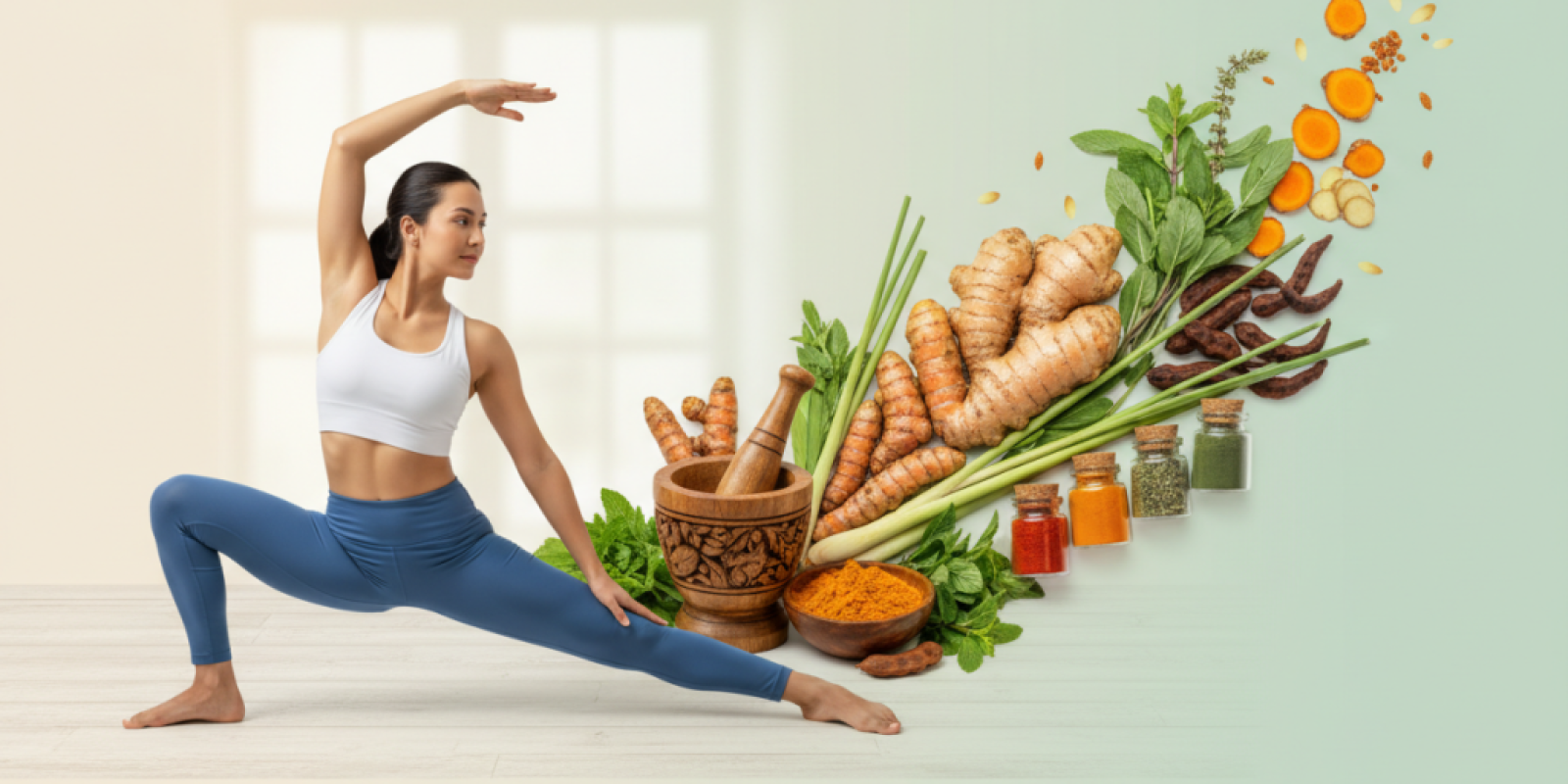
Myanmar Traditional Medicine Foods Adapted for Modern Women’s Fitness: Ancient Wisdom Meets Contemporary Wellness
Table of Contents
1. Introduction to Myanmar Traditional Medicine Foods
2. The Science Behind Traditional Burmese Nutrition
3. Essential Myanmar Superfoods for Women’s Fitness
4. Adapting Traditional Recipes for Modern Lifestyles
5. Pre and Post-Workout Myanmar-Inspired Meals
6. Building a Sustainable Fitness Diet with Burmese Elements
7. Success Stories: Women Embracing Traditional Nutrition
8. Practical Tips for Implementation
9. Conclusion
10. Frequently Asked Questions
Introduction to Myanmar Traditional Medicine Foods
In the bustling world of modern fitness trends and superfood crazes, there’s something profoundly grounding about returning to ancient wisdom. Myanmar, formerly known as Burma, has cultivated a rich tradition of medicinal foods that have nourished women for centuries. These time-tested ingredients aren’t just delicious—they’re powerhouses of nutrition that align perfectly with contemporary women’s fitness goals.
As someone who’s spent years exploring the intersection of traditional medicine and modern wellness, I’ve discovered that Myanmar’s culinary pharmacy offers unique solutions for today’s active women. The country’s traditional medicine system, deeply rooted in Buddhist philosophy and influenced by Indian Ayurveda, Chinese medicine, and indigenous practices, provides a holistic approach to nutrition that modern science is only beginning to fully appreciate.
What makes Myanmar traditional medicine foods particularly compelling for women’s fitness is their focus on balance, energy cultivation, and long-term vitality rather than quick fixes. These foods work with your body’s natural rhythms, supporting everything from hormonal balance to sustained energy levels—exactly what active women need to thrive.
The Science Behind Traditional Burmese Nutrition
Myanmar traditional medicine operates on the principle of maintaining harmony between the body’s elements: earth, water, fire, and air. This ancient understanding surprisingly aligns with modern nutritional science, particularly regarding metabolic balance and inflammation reduction.
The traditional Burmese approach emphasizes “cooling” and “warming” foods, which correlates with modern concepts of anti-inflammatory and metabolism-boosting nutrients. Many traditional Myanmar ingredients are rich in compounds that support women’s specific physiological needs: phytoestrogens for hormonal balance, adaptogens for stress management, and bioactive compounds that enhance recovery and endurance.
Research has shown that many staples of Myanmar cuisine contain high levels of antioxidants, essential fatty acids, and plant-based proteins that are ideal for supporting an active lifestyle. The traditional preparation methods—often involving fermentation, sprouting, and careful spice combinations—actually increase the bioavailability of these nutrients, making them more effective than many modern processed alternatives.
Essential Myanmar Superfoods for Women’s Fitness
Thanaka: The Ultimate Recovery Root
While thanaka is famous as a cosmetic paste, this ground bark from the Limonia acidissima tree has remarkable internal benefits when consumed as tea or incorporated into smoothies. Rich in antioxidants and anti-inflammatory compounds, thanaka supports post-workout recovery and helps maintain healthy skin from within—perfect for women who want to glow from their fitness routine.
Ngapi: Fermented Protein Powerhouse
This traditional fermented fish paste might sound intimidating, but it’s incredibly rich in probiotics and complete proteins. Modern adaptations include using ngapi as a base for protein-rich dressings and marinades that support gut health and muscle recovery. The fermentation process creates beneficial bacteria that aid digestion and nutrient absorption.
Lahpet: Green Tea Leaves for Sustained Energy
Myanmar’s famous pickled tea leaves offer a unique way to consume green tea’s benefits. Unlike regular tea drinking, eating lahpet provides fiber along with caffeine and L-theanine, creating sustained energy without jitters. It’s perfect for pre-workout fuel or afternoon energy maintenance.
Shan Tofu: Plant-Based Protein Innovation
Made from chickpea flour rather than soybeans, Shan tofu is naturally gluten-free and provides complete amino acids essential for muscle building and repair. Its versatility makes it an excellent protein source for women following plant-based fitness diets.
Adapting Traditional Recipes for Modern Lifestyles
The beauty of Myanmar traditional foods lies in their adaptability. I’ve found that many traditional recipes can be modified to fit busy schedules without losing their nutritional benefits or cultural essence.
Meal Prep Myanmar Style
Traditional Myanmar cooking often involves preparing base ingredients that can be combined throughout the week. This concept translates perfectly to modern meal prep. You can prepare fermented tea leaf salad bases, cook batches of Shan tofu, and create spice pastes that transform simple proteins and vegetables into nutritionally dense meals.
Smoothie Bowl Adaptations
Traditional Myanmar fruit and vegetable combinations work beautifully in smoothie bowls. Combining tropical fruits like mango and papaya with traditional spices like turmeric and ginger creates anti-inflammatory breakfast bowls that fuel morning workouts while honoring traditional flavor profiles.
Energy Ball Innovations
Traditional Myanmar sweets often combine nuts, seeds, and natural sweeteners in ways that translate perfectly to modern energy balls. Using ingredients like sesame seeds, palm sugar, and coconut creates portable snacks that provide sustained energy for long training sessions.
Pre and Post-Workout Myanmar-Inspired Meals
Pre-Workout Fuel
Traditional Myanmar breakfast foods offer excellent pre-workout options. A modified version of mohinga—using lighter broth and adding extra vegetables—provides easily digestible carbohydrates and proteins. The traditional spices like lemongrass and ginger support circulation and digestion, preparing your body for exercise.
For those preferring lighter options, lahpet-inspired salads with added fruits provide quick energy from natural sugars while the tea leaves offer sustained caffeine release. The combination of textures and flavors makes pre-workout nutrition something to look forward to rather than just fuel.
Post-Workout Recovery
Myanmar’s tradition of using turmeric in both food and medicine makes it perfect for post-workout recovery meals. A turmeric-spiced Shan tofu scramble provides complete proteins for muscle repair while the anti-inflammatory properties support recovery. Adding traditional vegetables like drumstick leaves or moringa provides additional micronutrients essential for cellular repair.
Traditional Myanmar soups, adapted with extra vegetables and lean proteins, create perfect post-workout meals that rehydrate, refuel, and repair. The warming spices aid circulation and nutrient delivery to recovering muscles.
Building a Sustainable Fitness Diet with Burmese Elements
Sustainability in fitness nutrition isn’t just about the environment—it’s about creating eating patterns you can maintain long-term. Myanmar traditional foods excel in this area because they’re based on local, seasonal ingredients and time-tested combinations that satisfy both nutritionally and culturally.
Seasonal Eating Principles
Traditional Myanmar cuisine follows seasonal availability, which naturally provides the nutrients your body needs throughout the year. Summer foods tend to be cooling and hydrating, while winter foods are warming and energy-dense. This natural rhythm supports your body’s changing needs as training intensity and environmental conditions vary.
Mindful Eating Practices
Myanmar food culture emphasizes communal eating and appreciation of food, which supports mindful eating practices crucial for sustainable fitness nutrition. Taking time to appreciate flavors, textures, and the nourishment food provides helps develop a healthy relationship with eating that supports long-term fitness goals.
Success Stories: Women Embracing Traditional Nutrition
I’ve witnessed remarkable transformations when women incorporate Myanmar traditional foods into their fitness routines. Sarah, a marathon runner, found that adding fermented tea leaf salads to her diet improved her endurance and reduced post-run inflammation. Maria, a strength trainer, discovered that Shan tofu provided better muscle recovery than her previous protein supplements.
These success stories share common themes: improved energy levels, better digestion, reduced inflammation, and a more enjoyable relationship with food. The variety and flavor complexity of Myanmar cuisine helps prevent the food boredom that often derails fitness nutrition plans.
Practical Tips for Implementation
Starting Your Myanmar Fitness Food Journey
Begin by incorporating one or two Myanmar ingredients into familiar dishes. Add turmeric and ginger to your morning smoothie, or try Shan tofu in place of regular tofu in stir-fries. This gradual approach allows your palate to adjust while you learn to source and prepare new ingredients.
Sourcing Authentic Ingredients
Many Myanmar ingredients are available at Asian grocery stores or online. Start with more common items like turmeric, ginger, and chickpea flour before seeking out specialty items like thanaka or fermented tea leaves. Building relationships with local Asian grocers often leads to discovering new ingredients and preparation tips.
Balancing Tradition with Individual Needs
Remember that traditional foods can be adapted to meet individual dietary needs and preferences. Vegetarian versions of traditionally meat-based dishes, gluten-free adaptations, and portion modifications all honor the spirit of traditional nutrition while meeting modern lifestyle requirements.
Conclusion
Myanmar traditional medicine foods offer modern women a unique pathway to sustainable fitness nutrition that honors ancient wisdom while meeting contemporary needs. These foods provide not just physical nourishment but also cultural richness and culinary adventure that makes healthy eating a pleasure rather than a chore.
The key to successfully adapting Myanmar traditional foods for modern fitness lies in understanding the principles behind traditional combinations while remaining flexible about preparation methods and ingredient sourcing. Whether you’re training for a marathon, building strength, or simply seeking sustainable energy for daily activities, Myanmar’s culinary pharmacy offers time-tested solutions.
As you embark on this journey of integrating Myanmar traditional foods into your fitness routine, remember that the goal isn’t perfection but rather the gradual building of habits that nourish both body and soul. Start small, stay curious, and allow these ancient foods to support your modern fitness goals in ways that honor both tradition and innovation.
Frequently Asked Questions
Q: Are Myanmar traditional foods safe for people with food allergies?
A: Many Myanmar traditional foods are naturally free from common allergens, but it’s important to research individual ingredients. Shan tofu is soy-free, and many traditional dishes are naturally gluten-free. Always check with healthcare providers if you have severe allergies.
Q: How can I find authentic Myanmar ingredients in my area?
A: Start with Asian grocery stores, particularly those serving Southeast Asian communities. Online retailers also offer many Myanmar ingredients. Local Myanmar restaurants might also sell ingredients or provide sourcing recommendations.
Q: Can Myanmar traditional foods replace modern sports supplements?
A: While Myanmar traditional foods provide excellent nutrition, they work best as part of a comprehensive approach rather than direct supplement replacements. They can reduce reliance on processed supplements while providing superior overall nutrition.
Q: How long does it take to see benefits from incorporating Myanmar traditional foods?
A: Many people notice improved energy and digestion within 2-3 weeks. However, the full benefits of traditional food approaches often become apparent over 2-3 months as your body adjusts to the new nutrient profiles and eating patterns.
Q: Are these foods suitable for vegetarian and vegan diets?
A: Many Myanmar traditional foods are plant-based, and most recipes can be adapted for vegetarian or vegan diets. Shan tofu, various vegetable curries, and fruit-based preparations offer excellent options for plant-based fitness nutrition.