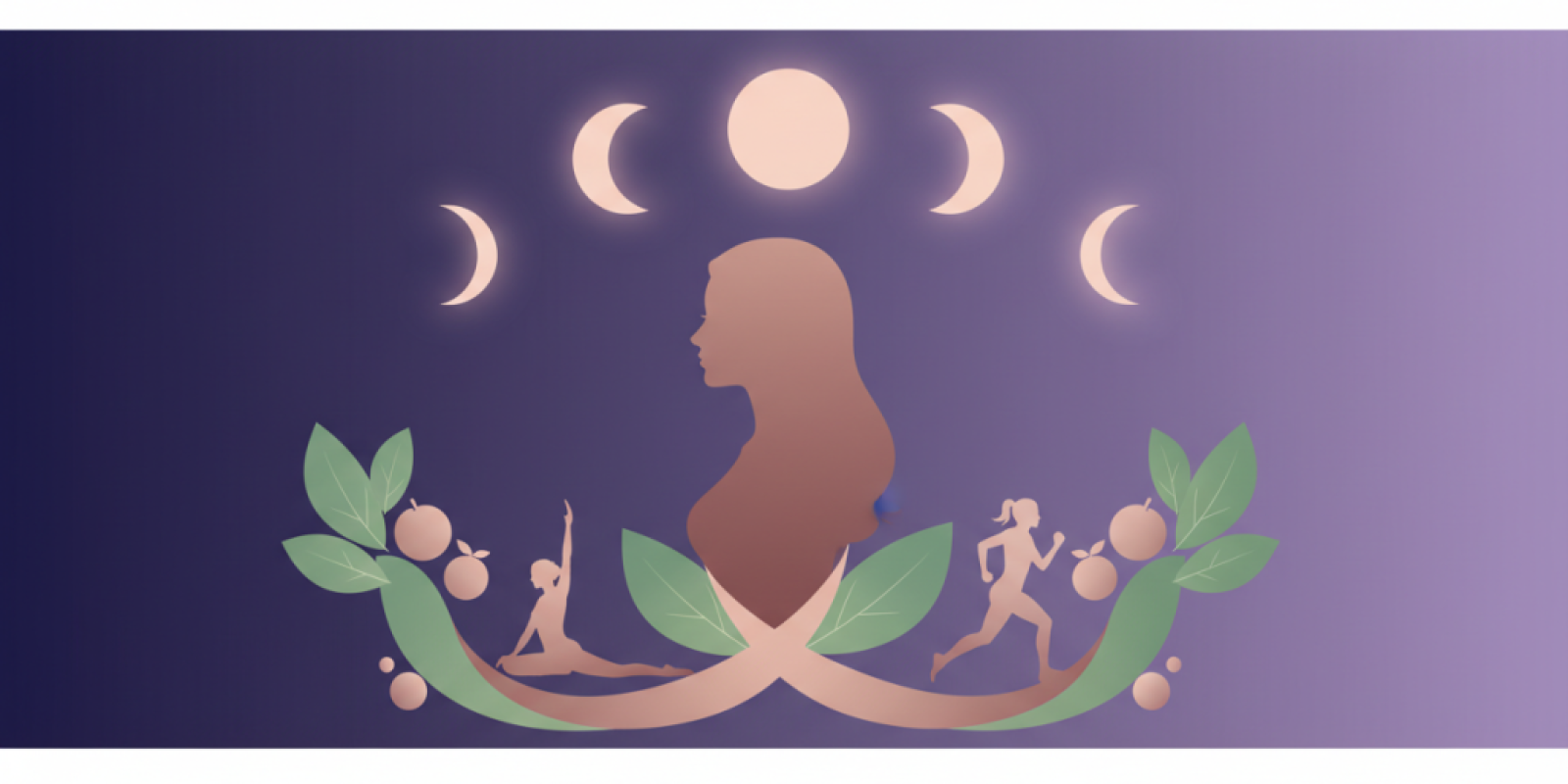
How Moon Phases Affect Women’s Seasonal Eating and Exercise Patterns
Have you ever noticed how your appetite seems to shift with the changing seasons, or how your energy levels fluctuate throughout the month? You’re not alone. Many women are discovering a fascinating connection between lunar cycles, seasonal changes, and their body’s natural rhythms when it comes to food cravings and exercise motivation.
For centuries, cultures around the world have recognized the moon’s influence on human behavior and biological processes. Today, modern women are rediscovering these ancient wisdom traditions and learning to work with, rather than against, their natural cycles. This comprehensive guide explores how moon phases interact with seasonal patterns to influence women’s eating habits and exercise preferences, offering practical insights for optimizing health and wellness throughout the year.
Table of Contents
1. Understanding the Moon-Body Connection
2. The Four Moon Phases and Their Effects
3. Seasonal Variations in Lunar Influence
4. Spring Moon Cycles: Renewal and Energy
5. Summer Moon Phases: Peak Activity and Abundance
6. Autumn Lunar Patterns: Preparation and Nourishment
7. Winter Moon Cycles: Rest and Reflection
8. Practical Tips for Aligning with Lunar-Seasonal Patterns
9. Scientific Perspective on Lunar Influences
10. Creating Your Personal Moon-Season Wellness Plan
Understanding the Moon-Body Connection
The human body is approximately 60% water, making it reasonable to consider that lunar gravitational forces affecting ocean tides might also influence our internal rhythms. Women, in particular, have long reported connections between their menstrual cycles and lunar phases, though individual experiences vary significantly.
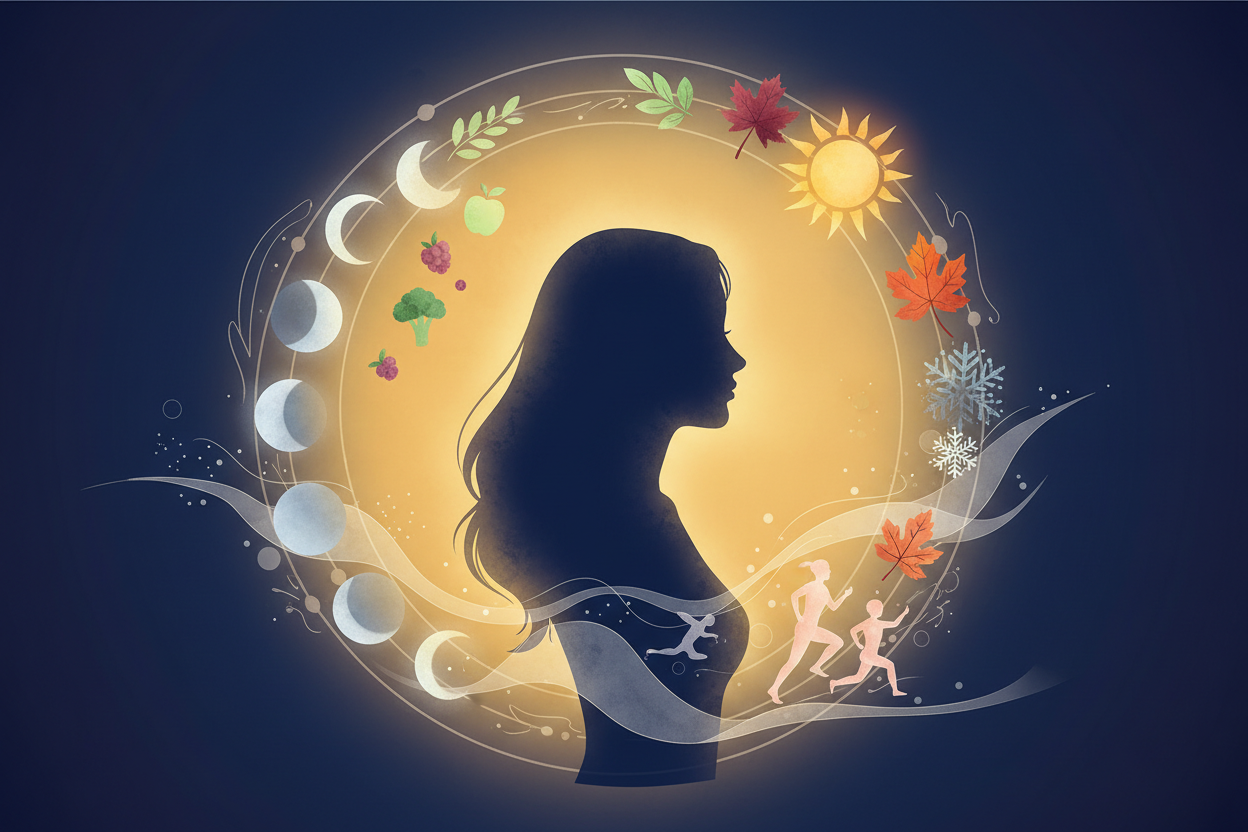
Research suggests that our circadian rhythms, which govern sleep-wake cycles, hormone production, and metabolism, can be influenced by light exposure patterns. The moon’s changing brightness throughout its phases may subtly affect these internal clocks, particularly when combined with seasonal light variations.
Many women find that tracking their energy levels, cravings, and exercise preferences alongside moon phases reveals interesting patterns. While scientific evidence remains mixed, the practice of lunar awareness can serve as a valuable tool for developing greater body awareness and self-care practices.
The Four Moon Phases and Their Effects
Each lunar phase brings distinct energetic qualities that many women report feeling in their bodies. Understanding these phases provides a framework for anticipating and working with natural energy fluctuations.
The New Moon phase represents new beginnings and introspection. During this time, many women experience lower energy levels and crave lighter, cleansing foods. Exercise preferences often shift toward gentle activities like yoga, walking, or stretching routines.
As the moon Waxes, energy typically builds gradually. This phase often brings increased motivation for goal-setting and trying new recipes or workout routines. Appetite may increase, and the body often craves more substantial, building foods rich in proteins and complex carbohydrates.
The Full Moon phase represents peak energy and heightened emotions. Many women report feeling more social and active during this time, with preferences for group fitness activities or challenging workouts. Food cravings may intensify, particularly for comfort foods or indulgent treats.
During the Waning Moon, energy naturally decreases as the body prepares for the next cycle. This phase often brings a desire for nurturing foods and restorative activities. Exercise preferences typically shift toward lower-intensity options that support recovery and relaxation.
Seasonal Variations in Lunar Influence
The interaction between moon phases and seasonal changes creates unique patterns throughout the year. Seasonal factors like daylight hours, temperature, and natural food availability combine with lunar influences to shape our body’s needs and preferences.
Winter months may amplify the introspective qualities of New Moon phases, while summer Full Moons might enhance the desire for social, outdoor activities. Understanding these combined influences helps women make more intuitive choices about nutrition and movement throughout the year.
Seasonal affective patterns also play a role in how lunar phases are experienced. Women living in northern climates may find that winter moon phases feel more pronounced due to reduced daylight exposure, while those in tropical regions might notice subtler seasonal variations.
Spring Moon Cycles: Renewal and Energy
Spring brings natural renewal energy that interacts beautifully with lunar cycles. During spring New Moons, many women feel called to cleanse and detoxify after winter’s heavier foods. This is an ideal time for incorporating fresh greens, sprouts, and lighter proteins into the diet.
Spring Waxing Moons often coincide with increased motivation for outdoor activities as weather improves. This phase supports gradually increasing exercise intensity after winter’s more sedentary period. Many women find success starting new fitness routines during spring’s waxing phases.
Full Moons in spring can bring powerful energy for transformation and growth. This is often when women feel most motivated to make significant lifestyle changes or tackle challenging fitness goals. The body typically craves fresh, vibrant foods that support this active energy.
Spring’s Waning Moons provide opportunities for reflection on winter patterns and gentle preparation for summer’s more active months. This phase supports incorporating flexibility training and mindful eating practices that will serve well throughout the warmer seasons.
Summer Moon Phases: Peak Activity and Abundance
Summer’s extended daylight hours and warm temperatures create an energetic backdrop that amplifies lunar influences. Summer New Moons often bring desires for cooling, hydrating foods like fresh fruits, vegetables, and plenty of water-rich options.
The abundant energy of summer Waxing Moons typically supports more intense exercise routines and adventurous physical activities. This is prime time for hiking, swimming, cycling, and other outdoor pursuits that take advantage of favorable weather conditions.
Summer Full Moons can be particularly powerful, combining peak lunar energy with maximum seasonal vitality. Many women report feeling most social and active during these phases, with strong cravings for fresh, seasonal foods and group activities.
Even summer’s Waning Moons tend to maintain higher energy levels than other seasons. This phase often supports active recovery activities like gentle swimming or beach walks, paired with light, cooling foods that help the body manage heat.
Autumn Lunar Patterns: Preparation and Nourishment
Autumn’s energy naturally turns inward as daylight decreases and temperatures cool. New Moons during this season often trigger cravings for warming, grounding foods like root vegetables, hearty grains, and nourishing soups.
Autumn Waxing Moons support building strength and preparing the body for winter’s challenges. This is an excellent time for establishing consistent indoor exercise routines and incorporating immune-supporting foods into regular meal patterns.
Fall Full Moons can bring intense energy for harvest-like activities, including batch cooking, preserving seasonal foods, and completing outdoor projects before winter. The body often craves substantial, warming meals during these phases.
Waning Moons in autumn support deep nourishment and preparation for winter’s more introspective energy. This phase often brings desires for slow-cooked meals, warming spices, and gentle, restorative movement practices.
Winter Moon Cycles: Rest and Reflection
Winter’s natural hibernation energy creates a unique context for experiencing lunar phases. New Moons during winter can feel particularly introspective, often bringing cravings for warming, comfort foods and minimal exercise motivation.
Winter Waxing Moons may provide gentle energy increases, but typically support indoor activities and warming foods rather than intense outdoor pursuits. This is ideal timing for yoga practices, indoor strength training, and nourishing winter meals.
Even Full Moons in winter tend to feel more subdued than in other seasons, though they can still provide motivation for social gatherings and cozy indoor activities. Food preferences often center around hearty, warming dishes that provide comfort during cold months.
Winter’s Waning Moons support deep rest and reflection, often bringing minimal appetite and low exercise motivation. This natural rhythm supports the body’s need for conservation and restoration during the year’s most challenging season.
Practical Tips for Aligning with Lunar-Seasonal Patterns
Start by keeping a simple journal tracking your energy levels, food cravings, and exercise preferences alongside moon phases and seasonal changes. Look for patterns over several months to identify your personal rhythms.
Plan your meal prep and exercise schedule with lunar phases in mind. Use New Moon periods for planning and gentle activities, Waxing phases for building intensity, Full Moons for peak activities, and Waning periods for recovery and reflection.
Stock your pantry seasonally with foods that support different lunar phases. Keep lighter, cleansing options available for New Moons and more substantial, warming foods for Full Moon periods, adjusting for seasonal appropriateness.
Be flexible with your fitness routine, allowing for natural energy fluctuations rather than forcing consistent intensity. This approach often leads to better long-term adherence and reduced burnout.
Scientific Perspective on Lunar Influences
While anecdotal evidence for lunar influences on human behavior is abundant, scientific research provides mixed results. Some studies suggest correlations between lunar phases and sleep patterns, while others find no significant connections.
The placebo effect may play a role in perceived lunar influences, but this doesn’t diminish the value of increased body awareness and intuitive self-care practices. Many healthcare providers recognize that paying attention to natural rhythms, regardless of their cause, often improves overall wellness.
Current research focuses more on circadian rhythm disruption and seasonal affective patterns, which have clearer scientific backing. These factors likely interact with any potential lunar influences to create the complex patterns many women observe.
Creating Your Personal Moon-Season Wellness Plan
Developing a personalized approach to lunar-seasonal wellness begins with observation and experimentation. Start tracking your patterns for at least three months to identify consistent themes and preferences.
Create flexible meal planning templates for different moon phases and seasons, focusing on foods that make you feel energized and satisfied during each period. Include backup options for times when your usual patterns don’t apply.
Design exercise routines that can be easily modified based on energy levels and lunar-seasonal influences. Having gentle, moderate, and intense options available allows for intuitive choice-making.
Remember that individual variation is significant, and your patterns may differ from general guidelines. Trust your body’s signals and adjust recommendations to fit your unique needs and lifestyle.
Frequently Asked Questions
Do all women experience lunar influences on their eating and exercise patterns?
No, individual sensitivity to lunar phases varies greatly. Some women report strong connections, while others notice no correlation. Factors like lifestyle, stress levels, artificial light exposure, and individual biology all influence sensitivity to natural rhythms.
How long does it take to notice lunar-seasonal patterns in my body?
Most women who track their patterns consistently notice trends within 2-3 months. However, subtle patterns may take 6-12 months of observation to become clear, especially when accounting for seasonal variations.
Can I use lunar phases to plan my diet and exercise if I work irregular hours?
Yes, but you may need to adapt the approach. Focus more on the energetic qualities of each phase rather than specific timing. Night shift workers often find their patterns shifted but still cyclical.
Is there scientific evidence supporting lunar influences on human behavior?
Scientific evidence is mixed and often inconclusive. While some studies suggest correlations between lunar phases and certain biological processes, more research is needed. However, many find value in increased body awareness regardless of the mechanism.
Should I force myself to exercise during low-energy moon phases?
No, forcing intense exercise during naturally low-energy periods often leads to burnout or injury. Instead, choose gentler activities like walking, stretching, or restorative yoga that honor your body’s current needs.
How do I account for both lunar phases and seasonal changes simultaneously?
Start by observing how each factor influences you individually, then notice how they interact. For example, a winter Full Moon might feel less energetic than a summer Full Moon, requiring different food and exercise choices.
Conclusion
Understanding the potential connections between moon phases, seasonal changes, and women’s eating and exercise patterns offers a fascinating framework for developing greater body awareness and intuitive self-care practices. Whether you experience strong lunar sensitivity or subtle seasonal shifts, paying attention to these natural rhythms can enhance your overall wellness journey.
The key lies not in rigid adherence to lunar calendars, but in developing a deeper understanding of your body’s unique patterns and needs. By observing how different phases and seasons affect your energy, cravings, and motivation, you can make more informed choices about nutrition and movement that support your natural rhythms.
Remember that this approach complements, rather than replaces, evidence-based nutrition and fitness practices. Use lunar-seasonal awareness as one tool among many for creating a sustainable, enjoyable lifestyle that honors both your individual needs and the natural world’s rhythms. As you develop this practice, you may find that working with, rather than against, these cycles leads to greater ease, satisfaction, and long-term success in your health and wellness goals.