Jordanian Za’atar Blends: Quick Recipes That Fight Workout Fatigue
Table of Contents
1. Introduction to Jordanian Za’atar and Workout Recovery
2. Understanding Workout Fatigue and Natural Solutions
3. The Power of Jordanian Za’atar: Key Ingredients and Benefits
4. Quick Za’atar Recipes for Pre and Post-Workout Energy
5. Za’atar Energy Balls: Your New Workout Companion
6. Savory Za’atar Breakfast Bowls for Morning Workouts
7. Post-Workout Za’atar Smoothies and Drinks
8. Tips for Incorporating Za’atar into Your Fitness Routine
9. Conclusion
10. Frequently Asked Questions
Introduction to Jordanian Za’atar and Workout Recovery
When I first discovered the incredible world of Jordanian za’atar blends, I never imagined they would become my secret weapon against post-workout exhaustion. As someone who’s constantly searching for natural ways to boost energy and combat fitness fatigue, stumbling upon these aromatic Middle Eastern spice blends felt like finding hidden treasure in my spice cabinet.
Jordanian za’atar isn’t just another trendy superfood – it’s a time-tested blend that has been fueling people across the Levant region for centuries. What makes it particularly special for fitness enthusiasts is its unique combination of herbs, spices, and nutrients that naturally support energy levels and recovery. Unlike synthetic energy boosters that can leave you crashing later, za’atar provides sustained, natural vitality that your body actually craves.
In this comprehensive guide, we’ll explore how you can harness the power of authentic Jordanian za’atar blends through quick, delicious recipes specifically designed to combat workout fatigue. Whether you’re dealing with pre-workout sluggishness or post-exercise exhaustion, these recipes will become your new go-to solutions for maintaining peak performance naturally.
Understanding Workout Fatigue and Natural Solutions
Before diving into our za’atar recipes, it’s crucial to understand what causes workout fatigue and why natural solutions often work better than artificial alternatives. Workout fatigue typically stems from several factors: depleted glycogen stores, dehydration, electrolyte imbalances, and oxidative stress from intense physical activity.
Traditional energy drinks and supplements often provide quick fixes that don’t address the root causes of fatigue. They might give you a temporary spike in energy, but they frequently lead to crashes that leave you feeling worse than before. This is where the wisdom of traditional foods like Jordanian za’atar comes into play.
Natural ingredients work synergistically with your body’s systems rather than against them. They provide sustained energy, support cellular repair, and offer antioxidant protection – all essential components for fighting workout fatigue effectively. The herbs and spices in za’atar have been used for generations not just for flavor, but for their medicinal properties that support overall vitality and endurance.
The Power of Jordanian Za’atar: Key Ingredients and Benefits
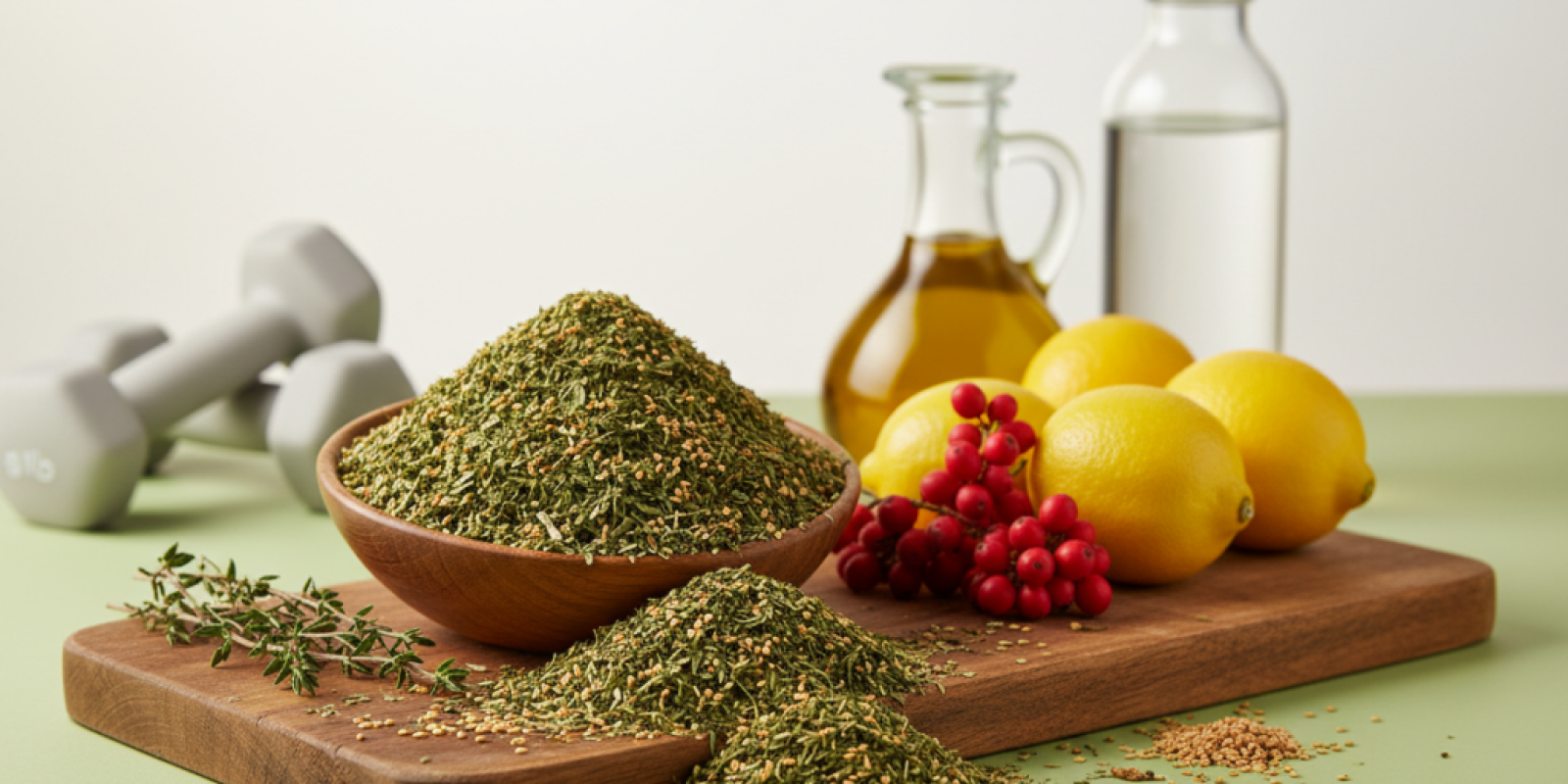
Authentic Jordanian za’atar is a masterful blend that typically includes wild thyme, sumac, sesame seeds, and salt. Each ingredient brings its own unique benefits to the table, creating a powerhouse combination for fighting fatigue.
Wild thyme, the star ingredient, contains compounds like thymol and carvacrol that have natural antimicrobial and antioxidant properties. These compounds help reduce inflammation in your muscles and support faster recovery after intense workouts. The herb also contains iron, which is essential for oxygen transport in your blood – crucial for maintaining energy levels during and after exercise.
Sumac adds more than just a tangy flavor; it’s packed with anthocyanins and other antioxidants that help combat exercise-induced oxidative stress. This means less cellular damage and faster recovery times. The vitamin C content in sumac also supports immune function, which can be compromised after intense training sessions.
Sesame seeds contribute healthy fats, protein, and magnesium – all vital for muscle function and energy production. Magnesium, in particular, plays a crucial role in converting food into energy and supporting proper muscle contraction and relaxation. The healthy fats provide sustained energy that doesn’t cause blood sugar spikes and crashes.
Quick Za’atar Recipes for Pre and Post-Workout Energy
Now let’s get to the practical part – creating delicious, energizing recipes that fit seamlessly into your fitness routine. These recipes are designed to be quick and easy, because let’s face it, when you’re dealing with workout fatigue, the last thing you want is a complicated cooking process.
Za’atar Avocado Toast
This simple yet powerful combination takes just three minutes to prepare. Mash half a ripe avocado with a pinch of sea salt, spread it on whole grain toast, and generously sprinkle with Jordanian za’atar. The healthy fats from avocado provide sustained energy, while the za’atar adds flavor and fatigue-fighting compounds. I like to add a drizzle of olive oil and a squeeze of lemon juice for extra flavor and vitamin C.
Quick Za’atar Hummus Power Bowl
Start with store-bought or homemade hummus as your base. Top with diced cucumber, cherry tomatoes, and a generous sprinkle of za’atar. Add some pumpkin seeds for extra crunch and magnesium. This combination provides plant-based protein, complex carbohydrates, and the energizing benefits of za’atar. It’s perfect as a pre-workout snack about 30 minutes before training.
Za’atar Energy Balls: Your New Workout Companion
Energy balls have become incredibly popular among fitness enthusiasts, and for good reason – they’re portable, nutritious, and provide quick energy when you need it most. My za’atar energy balls take this concept to the next level by incorporating the fatigue-fighting properties of Jordanian za’atar.
To make these power-packed treats, combine one cup of pitted dates, half a cup of almonds, two tablespoons of za’atar, one tablespoon of tahini, and a pinch of sea salt in a food processor. Process until the mixture forms a sticky dough, then roll into bite-sized balls. The natural sugars from dates provide immediate energy, while the almonds and tahini offer protein and healthy fats for sustained fuel.
What I love about these energy balls is their versatility. You can make a batch on Sunday and have grab-and-go energy throughout the week. They’re perfect for that mid-afternoon energy dip or as a pre-workout boost. The za’atar not only adds incredible flavor but also provides those essential nutrients that help combat exercise-induced fatigue.
Store these energy balls in the refrigerator for up to a week, though in my experience, they rarely last that long. The combination of sweet dates, nutty almonds, and aromatic za’atar creates a flavor profile that’s both satisfying and energizing.
Savory Za’atar Breakfast Bowls for Morning Workouts
Morning workouts require special attention to fuel, and savory breakfast bowls with za’atar provide the perfect foundation for an energized training session. Unlike sugary breakfast options that can cause energy crashes, these savory bowls provide sustained energy that keeps you going strong.
Mediterranean Za’atar Quinoa Bowl
Cook quinoa according to package directions and let it cool slightly. Top with diced cucumber, cherry tomatoes, crumbled feta cheese, and a generous sprinkle of za’atar. Drizzle with olive oil and lemon juice. This bowl provides complete protein from quinoa, electrolytes from the vegetables, and the energizing benefits of za’atar. The combination of complex carbohydrates and protein makes it ideal for sustained energy during longer workout sessions.
Za’atar Scrambled Eggs with Vegetables
Scramble two eggs with spinach, diced bell peppers, and onions. Season with za’atar instead of regular salt and pepper. The protein from eggs supports muscle recovery, while the vegetables provide vitamins and minerals. The za’atar adds flavor and those crucial fatigue-fighting compounds that make all the difference in your energy levels.
Post-Workout Za’atar Smoothies and Drinks
After an intense workout, your body craves quick nutrition and hydration. While za’atar might not be the first ingredient that comes to mind for smoothies, it can actually work beautifully in certain combinations, especially when balanced with complementary flavors.
Green Za’atar Recovery Smoothie
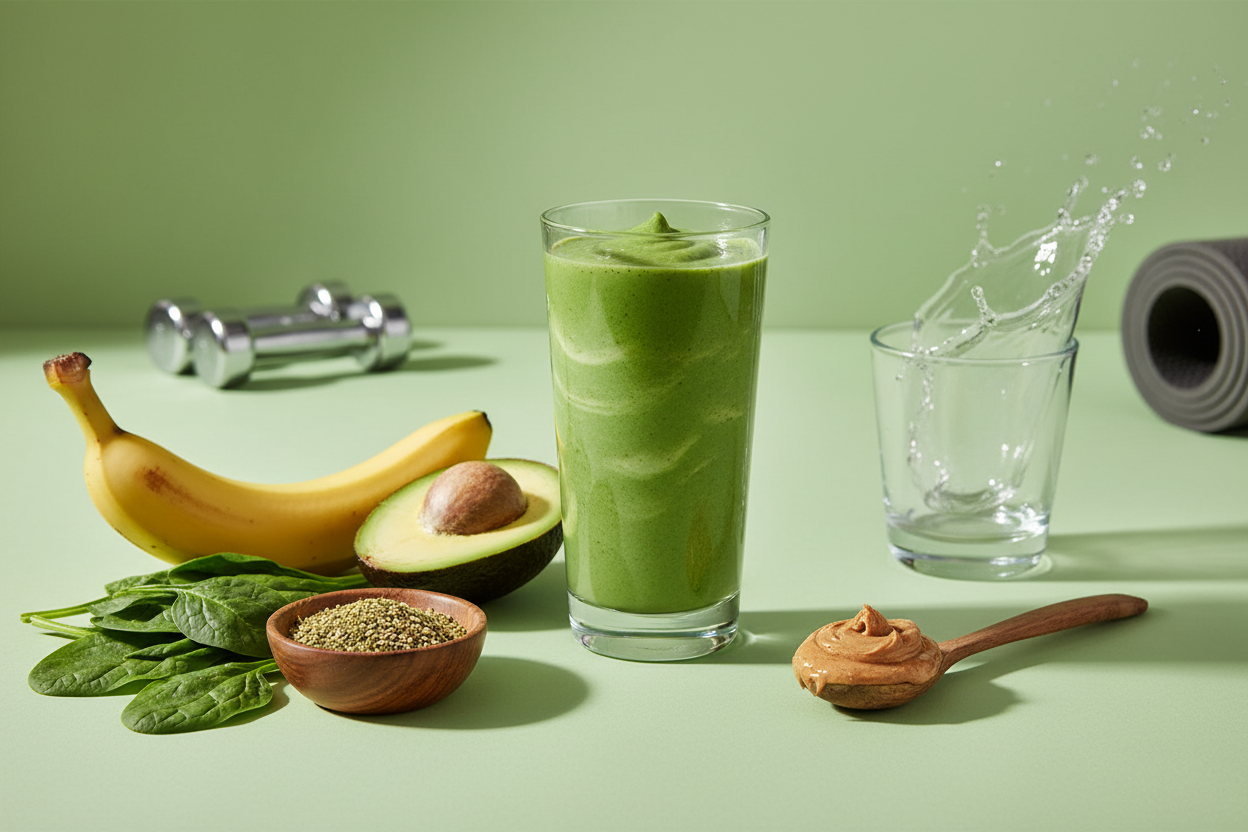
Blend together one banana, a handful of spinach, half an avocado, one cup of coconut water, a tablespoon of almond butter, and half a teaspoon of za’atar. The result might surprise you – the herbal notes of za’atar complement the earthiness of spinach while the other ingredients mask any intensity. This smoothie provides potassium for muscle function, healthy fats for hormone production, and the recovery benefits of za’atar.
Za’atar Infused Recovery Water
For a more subtle approach, try infusing your post-workout water with za’atar. Add a teaspoon of za’atar to a large water bottle, let it sit for 15 minutes, then strain. The result is a mildly flavored, antioxidant-rich drink that helps with hydration and recovery. Add a squeeze of lemon and a pinch of sea salt for additional electrolytes.
Tips for Incorporating Za’atar into Your Fitness Routine
Successfully incorporating za’atar into your fitness routine requires some strategic thinking about timing and preparation. The key is to make it convenient and enjoyable, so you’ll actually stick with it long-term.
Start by keeping za’atar easily accessible in your kitchen. I keep mine in a small shaker bottle right next to my other frequently used spices. This makes it easy to add to any meal or snack without having to hunt for it in the spice cabinet.
Timing matters when it comes to fighting workout fatigue. For pre-workout energy, consume za’atar-rich foods about 30-60 minutes before training. This gives your body time to digest and absorb the nutrients. For post-workout recovery, aim to eat within 30 minutes of finishing your session when your muscles are most receptive to nutrients.
Batch preparation is your friend. Spend a few minutes on Sunday preparing za’atar energy balls, mixing up some za’atar seasoning blends, or pre-cutting vegetables for quick bowl assembly during the week. The easier you make it for yourself, the more likely you are to maintain this healthy habit.
Don’t forget about quality – authentic Jordanian za’atar will always provide better results than generic blends. Look for za’atar that lists wild thyme as the first ingredient and has a vibrant green color with visible sesame seeds.
Conclusion
Jordanian za’atar blends offer a delicious, natural solution to workout fatigue that has stood the test of time. By incorporating these quick, easy recipes into your fitness routine, you’re not just adding flavor to your meals – you’re providing your body with powerful nutrients that support energy production, reduce inflammation, and enhance recovery.
The beauty of za’atar lies in its versatility and effectiveness. Whether you’re sprinkling it on avocado toast before a morning workout, rolling it into energy balls for convenient snacking, or creating savory breakfast bowls for sustained energy, you’re tapping into centuries of nutritional wisdom that supports peak physical performance.
Remember, fighting workout fatigue naturally is about consistency and quality ingredients. Start with one or two recipes that appeal to you most, then gradually expand your za’atar repertoire as you discover what works best for your body and schedule. Your taste buds and your energy levels will thank you for making this flavorful, nutritious addition to your fitness journey.
Frequently Asked Questions
Q: How much za’atar should I consume daily for workout benefits?
A: There’s no specific daily requirement, but 1-2 teaspoons spread throughout the day in various recipes is typically sufficient to gain the fatigue-fighting benefits. Start with smaller amounts and adjust based on your taste preferences and how your body responds.
Q: Can I use regular za’atar instead of specifically Jordanian za’atar?
A: While any quality za’atar will provide benefits, Jordanian za’atar typically has a higher concentration of wild thyme and a more balanced blend of ingredients. However, if you can’t find Jordanian za’atar, look for blends with wild thyme as the primary ingredient.
Q: Are there any side effects to consuming za’atar regularly?
A: Za’atar is generally safe for most people when consumed in normal culinary amounts. However, if you have allergies to sesame seeds or any herbs in the blend, you should avoid it. As with any dietary change, consult your healthcare provider if you have concerns.
Q: How long before a workout should I eat za’atar-containing foods?
A: For optimal energy without digestive discomfort, consume za’atar recipes 30-60 minutes before working out. This timing allows for proper digestion while ensuring the nutrients are available when you need them most.
Q: Can za’atar help with muscle recovery after workouts?
A: Yes, the antioxidant compounds in za’atar, particularly from thyme and sumac, can help reduce exercise-induced oxidative stress and inflammation, potentially supporting faster muscle recovery when combined with adequate protein and rest.