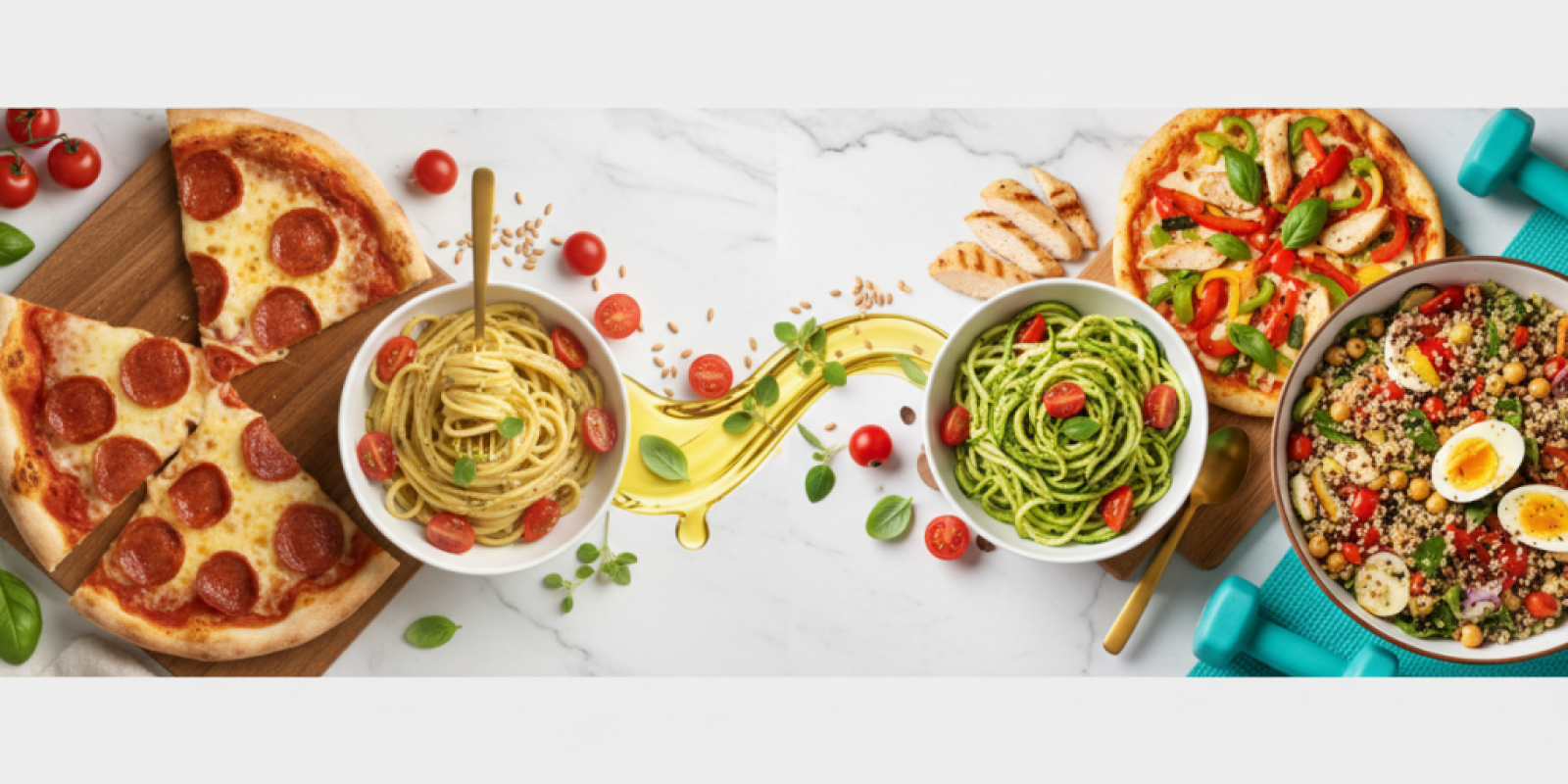
Italian Cuisine Makeover: Healthy Versions of Classic Dishes for Active Women
Table of Contents
1. Introduction: Embracing Healthier Italian Cooking
2. Why Italian Food Needs a Healthy Makeover for Active Women
3. Smart Ingredient Swaps for Classic Italian Dishes
4. Guilt-Free Pasta Alternatives That Actually Taste Amazing
5. Lightened-Up Pizza Recipes for Post-Workout Cravings
6. Protein-Packed Italian Classics for Muscle Recovery
7. Fresh and Light Italian Salads for Summer Training
8. Healthy Italian Desserts That Won’t Derail Your Goals
9. Meal Prep Tips for Busy Active Women
10. Frequently Asked Questions
11. Conclusion: Your Journey to Healthier Italian Cooking
Introduction: Embracing Healthier Italian Cooking
There’s something magical about Italian cuisine that speaks to the soul. The rich aromas of garlic sautéing in olive oil, the comforting embrace of a perfectly al dente pasta, and the satisfaction of biting into a wood-fired pizza fresh from the oven. As someone who’s spent countless evenings recreating nonna’s recipes in my own kitchen, I understand the deep emotional connection we have with these beloved dishes.
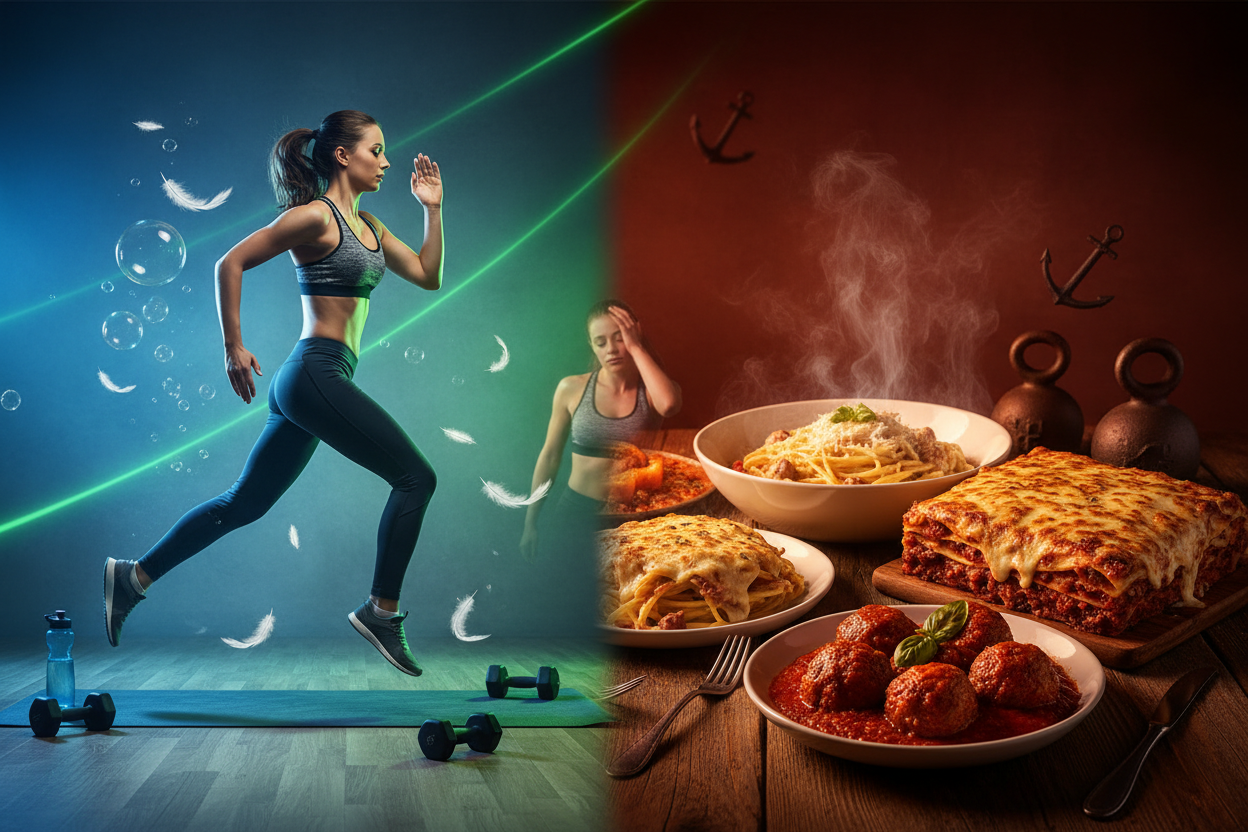
But here’s the thing – if you’re an active woman juggling workouts, career goals, and a social life, traditional Italian fare can sometimes feel like it’s working against your health and fitness objectives. The heavy cream sauces, mountains of cheese, and refined pasta can leave you feeling sluggish rather than energized for your next gym session or morning run.
That’s exactly why I’ve embarked on this delicious journey of giving classic Italian dishes a healthy makeover. After years of experimenting in my kitchen and consulting with nutritionists who specialize in sports nutrition, I’ve discovered that you don’t have to sacrifice flavor to fuel your active lifestyle. In fact, some of these healthier versions have become my absolute favorites – and I think they’ll become yours too.
Why Italian Food Needs a Healthy Makeover for Active Women
Traditional Italian cuisine, while absolutely delicious, was developed in a time when people led more physically demanding lifestyles. Farm workers and laborers needed those calorie-dense dishes to fuel their long days of manual work. Today’s active women have different nutritional needs that require a more strategic approach to eating.
Active women need foods that provide sustained energy without causing blood sugar spikes and crashes. We need adequate protein for muscle recovery, complex carbohydrates for endurance, and healthy fats for hormone production and joint health. Traditional Italian dishes often fall short in the protein department while being heavy on refined carbohydrates and saturated fats.
The good news is that Italian cuisine’s foundation – fresh vegetables, herbs, olive oil, and quality ingredients – already aligns beautifully with healthy eating principles. We just need to make some smart adjustments to portion sizes and ingredient choices to create meals that support our active lifestyles while still honoring the authentic flavors we crave.
Smart Ingredient Swaps for Classic Italian Dishes
The secret to successful Italian cuisine makeovers lies in strategic ingredient substitutions that maintain flavor while boosting nutritional value. After testing dozens of alternatives, I’ve found several game-changing swaps that have revolutionized my cooking.
Instead of heavy cream in pasta sauces, try using Greek yogurt mixed with a splash of pasta water. This creates the same luxurious texture while adding protein and probiotics. For cheese-heavy dishes, I’ve discovered that using a smaller amount of aged Parmesan or Pecorino Romano delivers more flavor punch than larger quantities of milder cheeses.
Cauliflower has become my secret weapon for adding volume and nutrients to traditional dishes. Finely chopped cauliflower mixed into ground meat extends the portion while adding fiber and vitamins. Similarly, spiralized zucchini or spaghetti squash can replace up to half the pasta in most dishes without compromising satisfaction.
When it comes to oils, while extra virgin olive oil is already a healthy choice, using it strategically makes a difference. I reserve the highest quality olive oil for finishing dishes and use smaller amounts during cooking, often supplementing with vegetable broth for sautéing vegetables.
Guilt-Free Pasta Alternatives That Actually Taste Amazing
Let’s address the elephant in the room – pasta. As an active woman, you don’t need to eliminate pasta entirely, but choosing the right types and preparing them thoughtfully can make a significant difference in how you feel after eating.
Chickpea and lentil pastas have come incredibly far in recent years. Brands like Barilla’s Protein+ line and Explore Cuisine offer options that provide double the protein and fiber of traditional pasta while maintaining a texture that’s remarkably close to wheat pasta. I’ve served these to Italian friends who were genuinely impressed.
Shirataki noodles, made from konjac root, are virtually calorie-free and perfect for lighter dishes. The key is proper preparation – rinse them thoroughly and dry-fry them in a pan for a few minutes to improve their texture before adding to your sauce.
For those who prefer to stick with traditional pasta, the portion control method I use is simple: fill half your plate with vegetables, one quarter with pasta, and one quarter with lean protein. This approach allows you to enjoy authentic pasta while maintaining balanced nutrition.
Lightened-Up Pizza Recipes for Post-Workout Cravings
Pizza cravings after a tough workout are real, and fighting them often leads to overindulging later. Instead, I’ve developed several pizza alternatives that satisfy those cravings while supporting recovery.
Cauliflower crust pizza has become my go-to weekend treat. The trick is removing as much moisture as possible from the cauliflower and using a combination of mozzarella and Parmesan in the crust itself. Top with plenty of vegetables, lean proteins like grilled chicken or turkey pepperoni, and fresh herbs for a pizza that tastes indulgent but supports your goals.
Portobello mushroom caps make excellent individual pizza bases. Their meaty texture and umami flavor provide a satisfying foundation that pairs beautifully with traditional Italian toppings. I like to brush them with garlic-infused olive oil and pre-bake for five minutes before adding toppings.
For a protein-packed option, try using a whole wheat tortilla as your base. Brush with olive oil, add a thin layer of marinara, sprinkle with cheese and vegetables, then bake until crispy. It’s ready in under ten minutes and provides the perfect balance of carbohydrates and protein for post-workout recovery.
Protein-Packed Italian Classics for Muscle Recovery
Active women need approximately 1.2 to 2.0 grams of protein per kilogram of body weight daily, depending on training intensity. Traditional Italian dishes often fall short of these requirements, but with some creative modifications, they can become powerful muscle-building meals.
My protein-enhanced Bolognese sauce combines lean ground turkey with finely chopped mushrooms and lentils. The mushrooms add umami depth while the lentils contribute plant-based protein and fiber. This sauce delivers nearly 25 grams of protein per serving while maintaining the rich, satisfying flavor of traditional Bolognese.
Chicken Parmigiana gets a makeover by using almond flour instead of breadcrumbs and baking instead of frying. I pound the chicken thin for faster cooking and better texture, then top with a moderate amount of part-skim mozzarella and fresh basil. Served over zucchini noodles with marinara sauce, it becomes a lean, protein-rich meal perfect for muscle recovery.
Seafood dishes naturally fit into a high-protein Italian repertoire. My go-to is a simple linguine alle vongole made with whole grain pasta, plenty of clams, white wine, garlic, and fresh parsley. Clams are incredibly high in protein and low in calories, making this dish both authentic and nutritionally powerful.
Fresh and Light Italian Salads for Summer Training
Italian salads extend far beyond the typical Caesar or caprese, though both can be lightened up beautifully. During heavy training periods or hot summer months, these fresh salads provide hydration, nutrients, and satisfaction without weighing you down.
Panzanella, the traditional Tuscan bread salad, becomes training-friendly when you substitute the bread with roasted chickpeas or cubed baked tofu. The key is using the ripest tomatoes possible and letting the salad sit for at least 30 minutes so the flavors meld together beautifully.
My favorite post-workout salad combines arugula, sliced fennel, orange segments, and grilled chicken with a simple lemon vinaigrette. The fennel provides electrolytes, the oranges offer vitamin C for recovery, and the peppery arugula adds Italian flair. It’s refreshing, hydrating, and packed with nutrients your body craves after exercise.
For a heartier option, try a farro salad with roasted vegetables, fresh mozzarella, and basil. Farro provides complex carbohydrates and protein while the vegetables add fiber and antioxidants. This salad actually improves overnight, making it perfect for meal prep.
Healthy Italian Desserts That Won’t Derail Your Goals
Italian desserts don’t have to be off-limits when you’re maintaining an active lifestyle. The key is focusing on fruit-based desserts and making smart substitutions in traditional recipes.
Affogato, the simple combination of vanilla gelato and hot espresso, becomes diet-friendly when you use frozen Greek yogurt instead of gelato. The protein in Greek yogurt actually supports muscle recovery, while the caffeine can enhance your next workout performance.
My lightened tiramisu uses mascarpone mixed with Greek yogurt, sugar-free sweetener, and plenty of strong coffee. Individual portions in small glasses help with portion control, and the protein content makes it almost justifiable as a post-workout snack.
Fresh fruit with a drizzle of aged balsamic vinegar is perhaps the most authentically Italian dessert you can serve. The natural sugars in strawberries or peaches pair beautifully with high-quality balsamic, creating a sophisticated end to any meal that won’t interfere with your training goals.
Meal Prep Tips for Busy Active Women
The biggest challenge for active women isn’t usually knowing what to eat – it’s finding time to prepare healthy meals consistently. Italian-inspired meal prep can be a game-changer for maintaining your nutrition goals while managing a busy schedule.
Start by preparing large batches of versatile components on Sunday. Cook a big pot of marinara sauce, grill several chicken breasts with Italian herbs, and roast a variety of vegetables. These components can be mixed and matched throughout the week to create different meals.
Invest in quality glass containers that can go from freezer to microwave to dishwasher. Portion out your prepared components into balanced meals – aim for a palm-sized portion of protein, a fist-sized portion of vegetables, and a cupped-hand portion of complex carbohydrates.
Don’t forget about freezer-friendly options. Many Italian sauces, soups, and even assembled dishes like stuffed peppers freeze beautifully. Having a few backup meals in your freezer prevents the temptation to order takeout after a particularly challenging training day.
Frequently Asked Questions
Q: Can I still eat pasta if I’m trying to lose weight while staying active?
A: Absolutely! The key is choosing higher-protein pasta varieties, controlling portions, and pairing pasta with plenty of vegetables and lean protein. Active women actually need carbohydrates to fuel their workouts effectively.
Q: Are these healthy Italian recipes suitable for meal prep?
A: Most of these recipes are excellent for meal prep. Sauces, proteins, and roasted vegetables can all be prepared in advance and combined throughout the week. Just be mindful that some items like fresh mozzarella are best added just before eating.
Q: How do I make sure I’m getting enough protein from Italian-inspired meals?
A: Focus on incorporating lean meats, seafood, legumes, and dairy products into every meal. Adding Greek yogurt to sauces, using protein-rich pasta alternatives, and including nuts or seeds can significantly boost protein content.
Q: Can these recipes work for vegetarian active women?
A: Definitely! Many Italian dishes are naturally vegetarian-friendly. Focus on legume-based proteins, incorporate plenty of nuts and seeds, and don’t forget about the protein in dairy products and eggs.
Q: How do I satisfy Italian food cravings without overeating?
A: Start with a large salad or vegetable-based appetizer, eat slowly to savor flavors, and focus on high-quality ingredients in smaller portions. Often, cravings are satisfied more by flavor intensity than quantity.
Conclusion: Your Journey to Healthier Italian Cooking
Transforming your relationship with Italian cuisine doesn’t mean sacrificing the flavors and comfort you love – it means enhancing them with ingredients that support your active lifestyle. Through these healthy makeovers, you can continue to enjoy the social and emotional benefits of sharing Italian meals while fueling your body for peak performance.
Remember, the goal isn’t perfection but progress. Start by incorporating one or two of these healthier versions into your weekly routine and gradually expand your repertoire. Your taste buds will adapt, and soon these nutritious alternatives will become your new favorites.
The beauty of Italian cuisine has always been its emphasis on fresh, quality ingredients prepared with love and attention. By applying these same principles to healthier ingredient choices, you’re not betraying Italian culinary traditions – you’re evolving them to meet your modern lifestyle needs.
Whether you’re training for a marathon, building strength in the gym, or simply wanting to feel more energized throughout your day, these Italian-inspired healthy recipes will support your goals while keeping your taste buds happy. Buon appetito to a healthier, more active you!