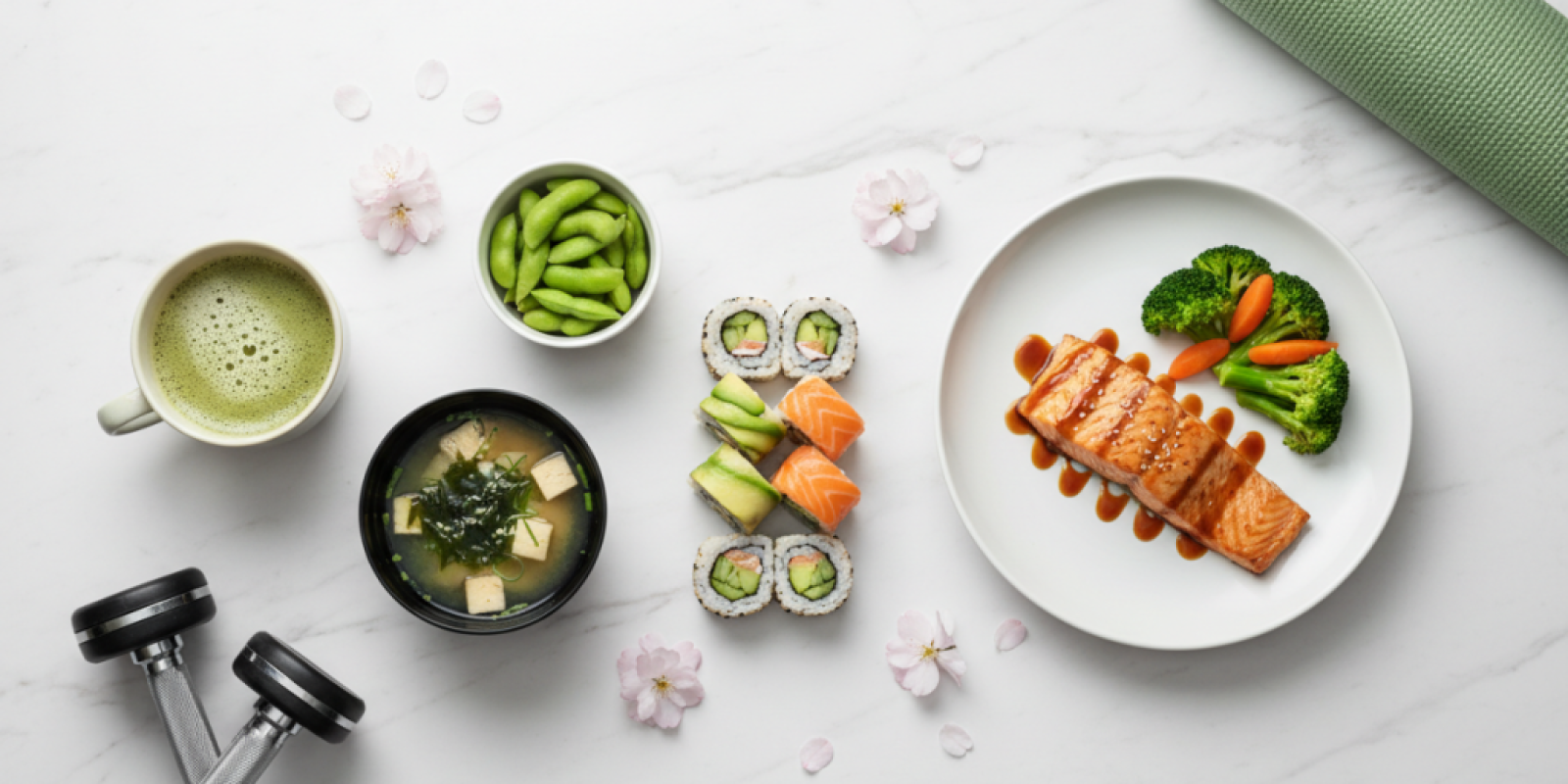
Traditional Japanese Foods That Support Women’s Fitness Goals
When you think about achieving your fitness goals, Japanese cuisine might not be the first thing that comes to mind. However, traditional Japanese foods have been quietly supporting women’s health and fitness for centuries. From the bustling streets of Tokyo to the serene countryside, Japanese women have long enjoyed foods that naturally promote lean muscle development, sustained energy, and overall wellness.
The Japanese approach to eating emphasizes balance, portion control, and nutrient-dense ingredients that work harmoniously with your body’s natural processes. Unlike restrictive diets that leave you feeling deprived, traditional Japanese foods offer a sustainable way to fuel your fitness journey while satisfying your taste buds.
Table of Contents
1. Why Japanese Foods Excel for Women’s Fitness
2. Protein Powerhouses in Japanese Cuisine
3. Energy-Boosting Carbohydrates the Japanese Way
4. Metabolism-Supporting Fermented Foods
5. Hydrating and Detoxifying Options
6. How to Incorporate These Foods Into Your Routine
7. Conclusion
8. Frequently Asked Questions
Why Japanese Foods Excel for Women’s Fitness
Traditional Japanese cuisine operates on principles that align perfectly with modern fitness nutrition. The concept of “hara hachi bu” teaches eating until you’re 80% full, naturally preventing overeating while maintaining energy levels throughout the day. This mindful approach to eating supports weight management without the stress of calorie counting.
Japanese foods are typically prepared using cooking methods that preserve nutrients while minimizing added fats. Steaming, grilling, and raw preparations maintain the integrity of vitamins and minerals that your body needs for optimal performance during workouts and recovery afterward.
The emphasis on seasonal, fresh ingredients means you’re getting foods at their nutritional peak. This seasonal eating pattern also provides variety throughout the year, preventing the monotony that often derails fitness nutrition plans.
Protein Powerhouses in Japanese Cuisine
Fish and Seafood: Your Lean Protein Champions
Fish forms the backbone of Japanese protein consumption, and for good reason. Salmon, tuna, mackerel, and sardines provide high-quality protein essential for muscle building and repair. These fish are also rich in omega-3 fatty acids, which reduce inflammation and support recovery after intense workouts.
Sashimi and sushi offer pure protein without heavy sauces or breading that can add unnecessary calories. A typical serving of salmon sashimi provides about 25 grams of protein with minimal carbohydrates, making it perfect for post-workout nutrition when your muscles are hungry for amino acids.
Tofu and Soy Products: Plant-Based Protein Excellence
Tofu, tempeh, and edamame have been staples in Japanese cuisine long before plant-based eating became trendy. These soy-based foods provide complete proteins containing all essential amino acids your body needs for muscle synthesis.
Silken tofu blends beautifully into smoothies for a protein boost, while firm tofu can be grilled or pan-fried as a satisfying main course. Edamame makes an excellent pre-workout snack, providing both protein and easily digestible carbohydrates for sustained energy.
Eggs: The Versatile Fitness Food
Japanese cuisine features eggs in various forms, from the perfectly soft-boiled ajitsuke tamago in ramen to tamagoyaki (rolled omelet). Eggs provide all nine essential amino acids and are particularly rich in leucine, an amino acid crucial for muscle protein synthesis.
The Japanese preparation methods often involve minimal added fats, allowing you to enjoy the nutritional benefits without excess calories that might interfere with your fitness goals.
Energy-Boosting Carbohydrates the Japanese Way
Rice: The Sustained Energy Source
While some fitness enthusiasts fear carbohydrates, Japanese cuisine shows us how to use them effectively. Short-grain Japanese rice provides steady glucose release, fueling your workouts without the energy crashes associated with processed carbohydrates.
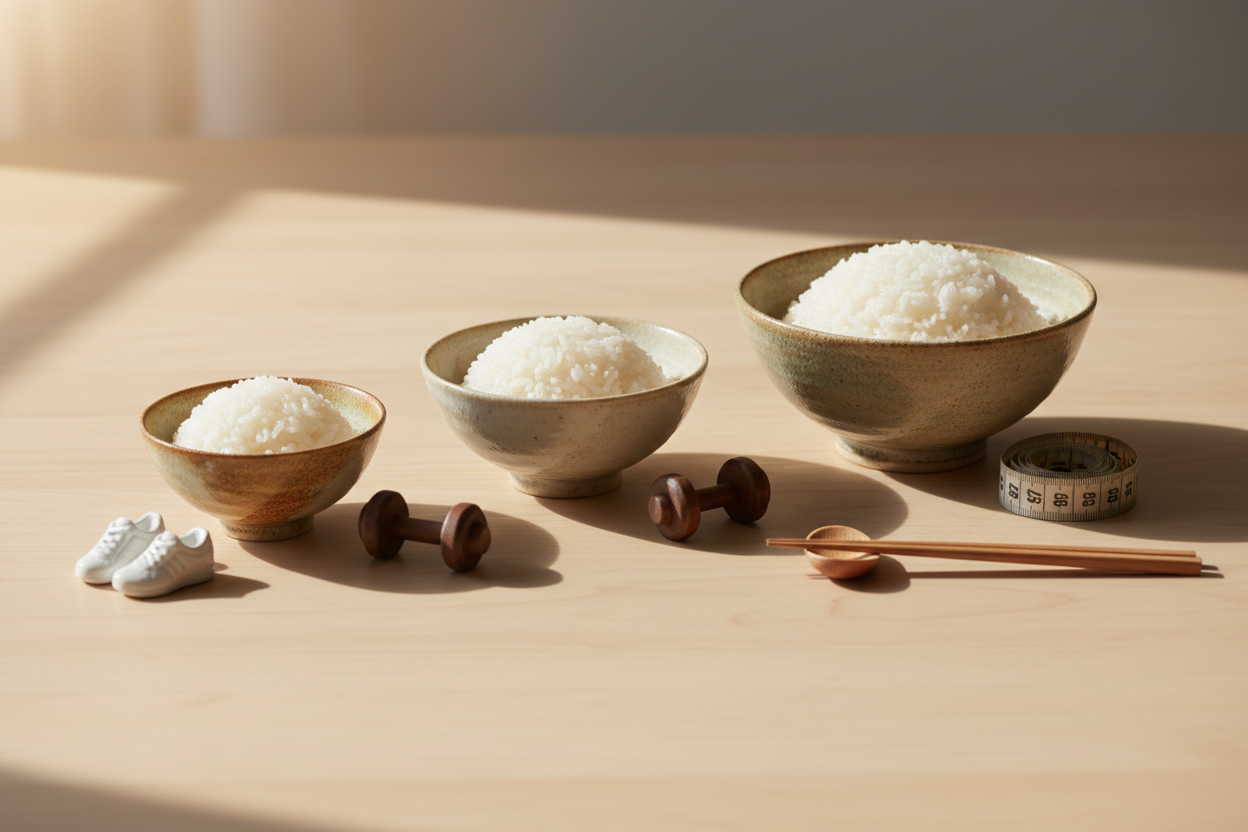
Brown rice, increasingly popular in modern Japanese cooking, offers additional fiber and B vitamins that support energy metabolism. The key is portion control – traditional Japanese rice servings are smaller than Western portions but perfectly sized to provide energy without excess.
Sweet Potatoes: Nature’s Pre-Workout Fuel
Japanese sweet potatoes, known as “satsumaimo,” are naturally sweeter and denser than their Western counterparts. They provide complex carbohydrates that fuel intense workouts while delivering beta-carotene, potassium, and fiber.
Roasted sweet potatoes make an excellent pre-workout snack consumed 30-60 minutes before exercise. The natural sugars provide quick energy while the fiber ensures sustained fuel throughout your training session.
Metabolism-Supporting Fermented Foods
Miso: The Gut Health Champion
Miso paste, made from fermented soybeans, supports digestive health through beneficial probiotics. A healthy gut microbiome is increasingly recognized as crucial for maintaining a healthy weight and efficient nutrient absorption.
Starting your day with miso soup provides probiotics, protein, and minerals while being incredibly low in calories. The umami flavor satisfies cravings that might otherwise lead to less healthy food choices throughout the day.
Natto: The Superfood You Might Not Expect
Natto, fermented soybeans with a distinctive texture and strong flavor, is arguably one of Japan’s most nutritious foods. Rich in protein, vitamin K2, and probiotics, natto supports bone health – particularly important for women as they age.
The vitamin K2 in natto helps direct calcium to bones rather than arteries, supporting the bone density that’s crucial for maintaining an active lifestyle throughout life.
Pickled Vegetables: Low-Calorie Nutrient Boosters
Tsukemono (pickled vegetables) provide probiotics, fiber, and essential nutrients with virtually no calories. These fermented vegetables support digestive health while adding satisfying crunch and flavor to meals.
The fermentation process increases the bioavailability of nutrients, meaning your body can more easily absorb the vitamins and minerals these vegetables provide.
Hydrating and Detoxifying Options
Green Tea: The Metabolism Booster
Green tea contains catechins, particularly EGCG, which may boost metabolism and support fat oxidation during exercise. The gentle caffeine content provides energy without the jitters associated with coffee.
Drinking green tea before workouts may enhance fat burning, while consuming it post-workout provides antioxidants that support recovery and reduce exercise-induced oxidative stress.
Seaweed: Ocean Minerals for Optimal Function
Wakame, nori, and kombu provide iodine essential for thyroid function, which regulates metabolism. These sea vegetables are also rich in minerals like magnesium and potassium that support muscle function and hydration.
Adding seaweed to salads or soups provides nutrients that are difficult to obtain from land-based foods, supporting overall health and energy levels.
Dashi: The Mineral-Rich Base
Dashi, the fundamental broth in Japanese cooking, provides minerals and umami flavor with virtually no calories. Made from kombu kelp and bonito flakes, dashi supports hydration while providing the building blocks for other nutritious Japanese dishes.
How to Incorporate These Foods Into Your Routine
Pre-Workout Fuel
Consider starting your day with miso soup and a small portion of rice, or enjoy roasted sweet potato with green tea 30-60 minutes before morning workouts. These combinations provide sustained energy without digestive discomfort during exercise.
Post-Workout Recovery
Sashimi or grilled fish with steamed vegetables and a small portion of rice provides the protein and carbohydrates your muscles need for optimal recovery. The high-quality protein supports muscle repair while the carbohydrates replenish glycogen stores.
Daily Integration
Replace afternoon snacks with edamame or nori sheets, swap your morning coffee for green tea occasionally, and experiment with adding miso paste to soups and dressings. Small changes can yield significant benefits over time.
Start by incorporating one or two Japanese foods into your weekly routine, gradually expanding as you discover new favorites. The key is consistency rather than perfection.
Conclusion
Traditional Japanese foods offer a time-tested approach to nutrition that naturally supports women’s fitness goals. By emphasizing high-quality proteins, complex carbohydrates, fermented foods, and nutrient-dense ingredients, Japanese cuisine provides a sustainable framework for fueling your active lifestyle.
The beauty of incorporating these foods lies not just in their nutritional benefits, but in their ability to satisfy both your body’s needs and your taste preferences. Unlike restrictive diets that feel like punishment, Japanese-inspired eating feels nourishing and enjoyable.
Remember that the most effective nutrition plan is one you can maintain long-term. Start small, experiment with new flavors, and pay attention to how these foods make you feel during and after your workouts. Your fitness journey deserves fuel that works as hard as you do, and traditional Japanese foods deliver exactly that.
Frequently Asked Questions
Q: Can I follow a Japanese-inspired diet if I don’t like fish?
A: Absolutely! Focus on plant-based proteins like tofu, tempeh, and edamame. These provide complete proteins and can be prepared in numerous delicious ways. You can also incorporate eggs and explore the many vegetable-based dishes in Japanese cuisine.
Q: Is Japanese food suitable for vegetarian or vegan fitness enthusiasts?
A: Yes, traditional Japanese cuisine includes many plant-based options. Tofu, tempeh, vegetables, rice, and sea vegetables form the foundation of many meals. Just be mindful that some traditional preparations may include fish-based dashi, but vegetarian versions using kombu are readily available.
Q: How much rice should I eat to support my fitness goals?
A: Portion size depends on your individual needs, activity level, and goals. Traditional Japanese rice servings are typically 1/2 to 3/4 cup cooked rice per meal. Adjust based on your energy needs and whether you’re trying to maintain, lose, or gain weight.
Q: Are there any Japanese foods I should avoid while trying to lose weight?
A: Focus on traditional preparations rather than modern adaptations. Avoid heavily fried foods like tempura, dishes with heavy sauces, or Westernized versions with added sugars and fats. Stick to steamed, grilled, and raw preparations for the best results.
Q: Can I meal prep with Japanese foods?
A: Many Japanese foods are excellent for meal prep! Cooked rice, grilled fish, steamed vegetables, and miso soup base all store well. Prepare components separately and combine them fresh for the best taste and texture.
Q: Do I need special ingredients to start eating Japanese-style foods?
A: Start with basics available at most grocery stores: salmon, tofu, edamame, seaweed snacks, and green tea. As you become more comfortable, explore Asian markets for ingredients like miso paste, nori sheets, and different varieties of rice and vegetables.