Why Women Should Eat Different Fruits Each Season: A Complete Guide to Seasonal Nutrition
Table of Contents
1. Introduction to Seasonal Eating for Women
2. The Science Behind Seasonal Nutrition
3. Spring Fruits: Renewal and Detoxification
4. Summer Fruits: Hydration and Energy
5. Fall Fruits: Immune Support and Preparation
6. Winter Fruits: Warmth and Vitamin Boost
7. How Seasonal Eating Benefits Women’s Health
8. Practical Tips for Seasonal Fruit Consumption
9. Frequently Asked Questions
10. Conclusion
Introduction to Seasonal Eating for Women
Have you ever wondered why your grandmother always seemed to know exactly which fruits to serve at different times of the year? There’s actually profound wisdom in eating seasonally, especially for women whose nutritional needs fluctuate throughout their lives and monthly cycles.
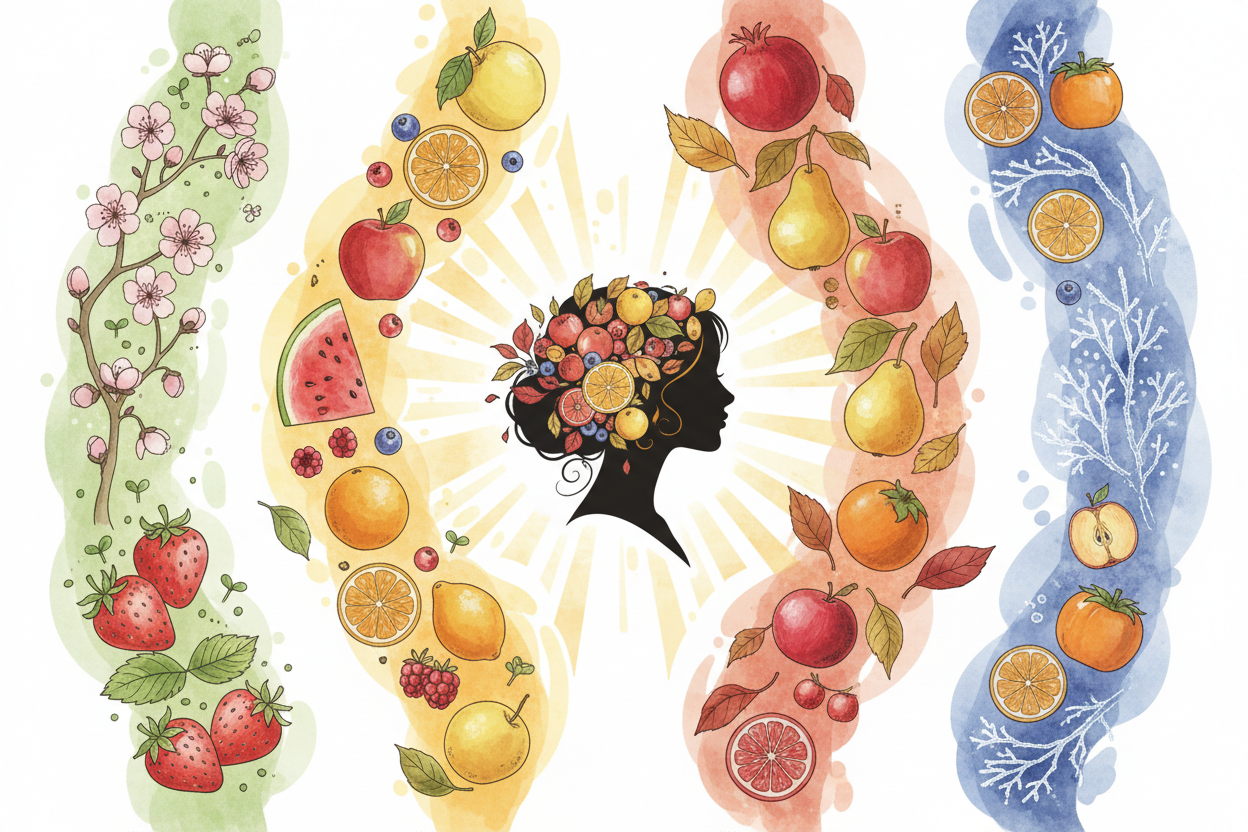
Seasonal eating isn’t just a trendy wellness concept – it’s a time-tested approach that aligns our bodies with nature’s rhythms. When we consume fruits that naturally ripen during specific seasons, we’re not only getting the freshest, most nutrient-dense produce, but we’re also supporting our bodies’ changing needs throughout the year.
For women, this approach becomes even more significant. Our bodies undergo constant changes due to hormonal fluctuations, menstrual cycles, pregnancy, menopause, and various life stages. Different seasons bring different challenges to our health, from winter’s vitamin D deficiency to summer’s dehydration risks. By choosing the right fruits for each season, we can naturally support our bodies through these transitions.

The Science Behind Seasonal Nutrition
Nature has designed fruits to ripen when our bodies need their specific nutrients most. This isn’t coincidence – it’s evolutionary brilliance. During hot summer months, water-rich fruits like watermelon and cucumber naturally appear to help us stay hydrated. In winter, citrus fruits loaded with vitamin C ripen just when we need extra immune support.
Research shows that seasonal produce contains higher concentrations of nutrients when consumed during their natural growing season. A study published in the Journal of Agricultural and Food Chemistry found that fruits harvested in season contain up to 30% more vitamins and antioxidants compared to their out-of-season counterparts.
For women specifically, seasonal eating can help regulate hormones naturally. The varying phytonutrients in seasonal fruits work synergistically with our bodies’ natural rhythms, supporting everything from energy levels to mood stability.
Spring Fruits: Renewal and Detoxification
Spring represents renewal, and our bodies naturally crave lighter, cleansing foods after winter’s heavier fare. This season’s fruits perfectly support our body’s desire to detoxify and energize for the year ahead.
Key Spring Fruits for Women:
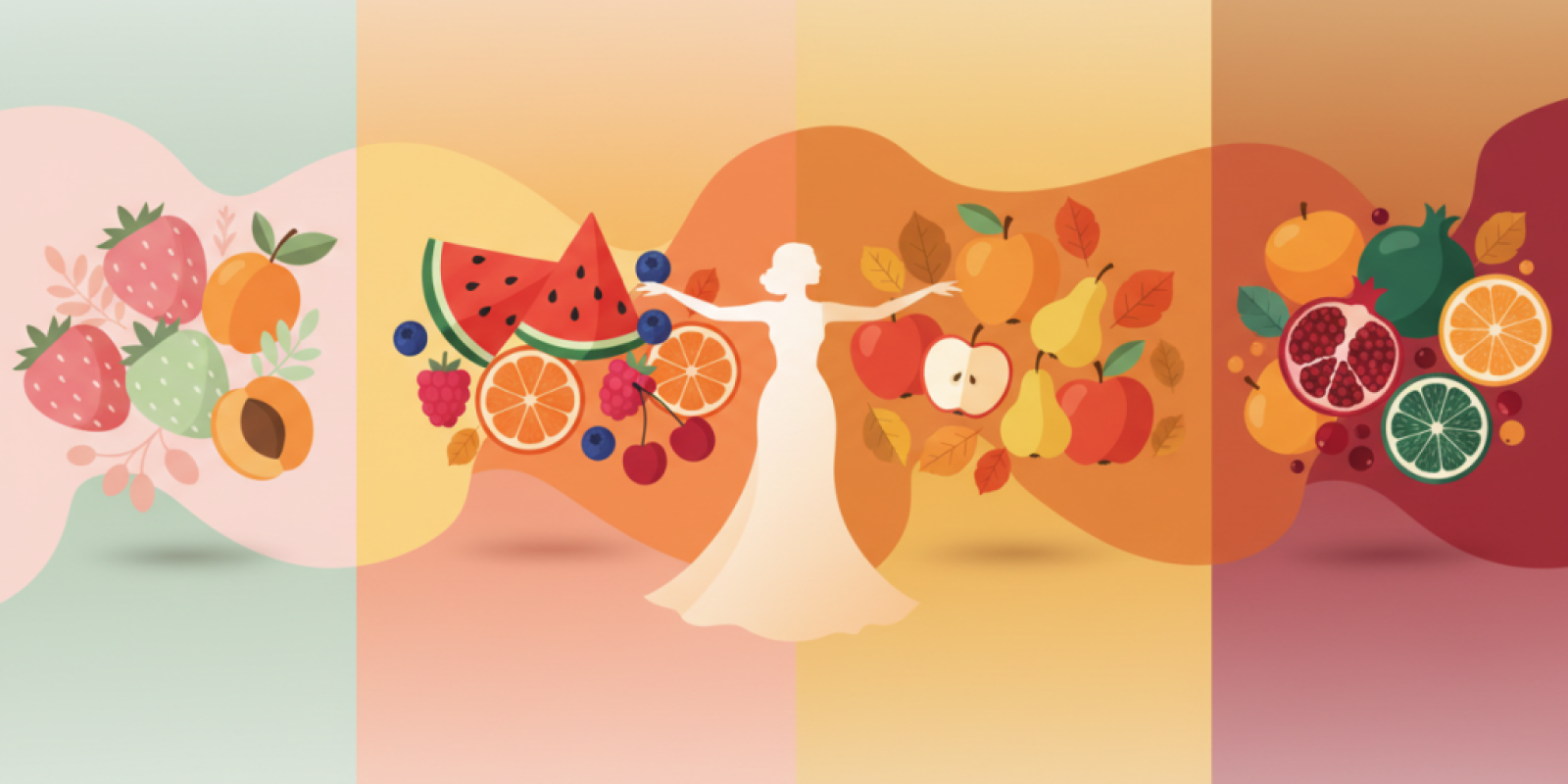
Strawberries arrive as nature’s first gift of spring, packed with vitamin C and folate – essential nutrients for women of childbearing age. Their high antioxidant content helps combat the oxidative stress that winter may have accumulated in our systems.
Apricots provide beta-carotene, which converts to vitamin A in our bodies. This nutrient is crucial for healthy skin renewal after winter’s harsh conditions and supports reproductive health in women.
Early spring citrus like grapefruit offers natural detoxification support. The compounds in grapefruit can help boost liver function, which is particularly beneficial for women as our livers work overtime processing hormones throughout our monthly cycles.
Rhubarb, though technically a vegetable, is often used as a fruit and provides natural fiber for digestive cleansing. Its tart flavor stimulates digestion, helping our bodies transition from winter’s slower metabolism to spring’s renewed energy.
Summer Fruits: Hydration and Energy
Summer’s abundance brings fruits that are naturally designed to keep us cool, hydrated, and energized during the year’s most active season. For women, who often struggle with dehydration due to smaller body mass and hormonal fluctuations, summer fruits are particularly vital.
Essential Summer Fruits:
Watermelon stands as summer’s hydration champion, containing over 90% water along with electrolytes like potassium. For active women or those experiencing hot flashes, watermelon provides natural cooling and helps maintain fluid balance.
Berries reach their peak in summer, offering powerful antioxidants called anthocyanins. Blueberries, blackberries, and raspberries support cognitive function and may help reduce inflammation – particularly beneficial for women dealing with exercise recovery or chronic conditions.
Stone fruits like peaches, plums, and nectarines provide natural sugars for sustained energy, along with vitamins A and C. Their high water content supports hydration while their fiber helps stabilize blood sugar levels throughout active summer days.
Tomatoes, botanically fruits, reach perfection in summer. They’re rich in lycopene, an antioxidant that becomes more bioavailable when tomatoes are cooked. Lycopene supports heart health and may reduce the risk of certain cancers that disproportionately affect women.
Fall Fruits: Immune Support and Preparation
As temperatures drop and daylight decreases, our bodies begin preparing for winter’s challenges. Fall fruits naturally provide the immune-boosting compounds and warming nutrients we need for this transition.
Vital Fall Fruits:
Apples and pears offer soluble fiber that supports digestive health and helps regulate cholesterol levels. For women approaching or experiencing menopause, when heart disease risk increases, these fruits provide important cardiovascular protection.
Pomegranates burst with antioxidants and compounds that may help balance hormones. Some studies suggest pomegranate consumption can help reduce menopausal symptoms and support bone health in women.
Cranberries provide unique compounds that support urinary tract health – a particular concern for many women. Fresh cranberries also offer vitamin C and antioxidants that boost immune function as cold season approaches.
Late-season grapes contain resveratrol, particularly in their skins. This compound supports heart health and may help protect against age-related cognitive decline, making grapes especially valuable for women as they age.
Winter Fruits: Warmth and Vitamin Boost
Winter challenges our immune systems and often limits our sun exposure, making vitamin-rich fruits essential. Winter’s fruits are naturally designed to provide concentrated nutrition when fresh produce is scarce.
Important Winter Fruits:
Citrus fruits reach their peak in winter, providing crucial vitamin C when our immune systems need it most. Oranges, lemons, limes, and grapefruits also offer folate, which is essential for women’s reproductive health and may help prevent birth defects.
Persimmons provide beta-carotene and vitamin A, supporting eye health during winter’s reduced daylight hours. They also contain tannins that may help regulate blood pressure – important for women’s cardiovascular health.
Kiwi fruits pack more vitamin C than oranges and provide fiber, potassium, and folate. Their enzyme actinidin aids digestion, which can slow during winter’s less active months.
Pears continue into winter, offering fiber and antioxidants. Their gentle, warming nature in traditional medicine makes them ideal for supporting digestive health during cold months.
How Seasonal Eating Benefits Women’s Health
Seasonal fruit consumption offers specific advantages that align with women’s unique health needs throughout different life stages and monthly cycles.
Hormonal Balance: Different fruits provide varying phytoestrogens and compounds that can help naturally regulate hormonal fluctuations. Spring’s cleansing fruits support liver function, which is crucial for hormone metabolism.
Reproductive Health: Seasonal fruits provide folate, vitamin C, and antioxidants that support fertility and healthy pregnancies. The natural variety ensures women get diverse nutrients throughout their reproductive years.
Bone Health: Many seasonal fruits provide vitamin K, potassium, and other minerals that support bone density – particularly important as women age and estrogen levels decline.
Energy Management: Eating seasonally helps maintain steady energy levels throughout the year, supporting women’s often busy lifestyles while providing natural energy without crashes.
Mental Health: The variety and freshness of seasonal eating can positively impact mood and mental health, while specific nutrients in seasonal fruits support neurotransmitter production.
Practical Tips for Seasonal Fruit Consumption
Implementing seasonal eating doesn’t require complete dietary overhaul. Start small and gradually increase your seasonal awareness.
Shopping Strategies: Visit local farmers’ markets to discover what’s truly in season in your area. Build relationships with vendors who can educate you about peak ripeness and storage.
Preservation Methods: Learn simple preservation techniques like freezing berries at their peak or making apple sauce in fall. This extends seasonal benefits throughout the year.
Meal Planning: Plan meals around seasonal fruit availability. This ensures you’re getting the freshest, most nutritious options while often saving money.
Gradual Transition: Don’t feel pressured to eat only seasonal fruits immediately. Gradually increase the proportion of seasonal fruits in your diet while reducing out-of-season options.
Listen to Your Body: Pay attention to how different seasonal fruits make you feel. Your body’s responses can guide you toward the most beneficial choices for your individual needs.
Frequently Asked Questions
Q: Is it harmful to eat out-of-season fruits?
A: Not harmful, but out-of-season fruits often have lower nutrient content and higher environmental costs. They’re fine occasionally, but seasonal fruits provide optimal nutrition.
Q: How do I know what’s truly in season in my area?
A: Check local farmers’ markets, consult seasonal produce guides for your region, or ask local growers. Many agricultural extension services provide seasonal calendars.
Q: Can frozen fruits provide seasonal benefits year-round?
A: Fruits frozen at peak ripeness retain most nutrients and can extend seasonal benefits. They’re an excellent option for smoothies and cooking when fresh isn’t available.
Q: Do women need different seasonal fruits than men?
A: While everyone benefits from seasonal eating, women may particularly benefit from certain nutrients like folate, iron, and calcium that are abundant in specific seasonal fruits.
Q: How much seasonal fruit should women eat daily?
A: Aim for 2-3 servings of fruit daily, with at least half being seasonal options. Individual needs vary based on activity level, health status, and life stage.
Q: Are there any seasonal fruits women should avoid?
A: Most seasonal fruits are beneficial, but pregnant women should limit certain fruits high in natural sugars and consult healthcare providers about any dietary restrictions.
Conclusion
Embracing seasonal fruit consumption isn’t just about following the latest health trend – it’s about reconnecting with the natural wisdom that has sustained human health for millennia. For women, whose bodies navigate complex hormonal changes throughout their lives, seasonal eating provides a gentle, natural way to support optimal health year-round.
By choosing spring’s cleansing strawberries, summer’s hydrating watermelon, fall’s immune-boosting apples, and winter’s vitamin-rich citrus, we’re not just nourishing our bodies – we’re honoring the intricate relationship between our health and nature’s rhythms.
Start small by incorporating one or two seasonal fruits into your weekly routine. Notice how your energy, digestion, and overall well-being respond to this natural approach. Your body has an innate wisdom that recognizes and thrives on seasonal nutrition – trust it, and let nature guide your path to optimal health.
Remember, the goal isn’t perfection but progress. Each seasonal fruit you choose is a step toward better health, environmental sustainability, and a deeper connection with the natural world that sustains us all.