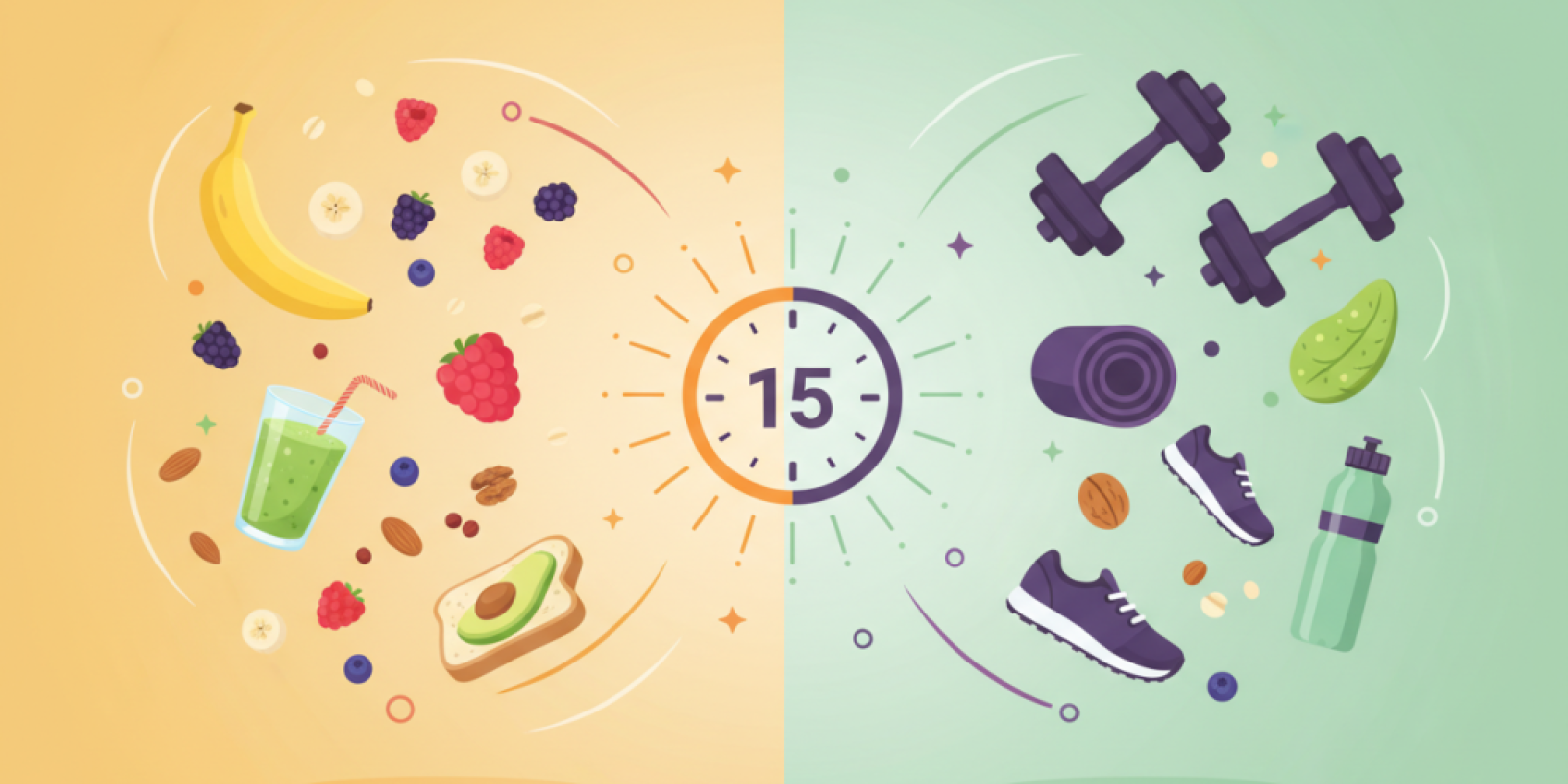
15-Minute Quick Recipes That Boost Energy for Your Morning Workout
Table of Contents
1. Introduction
2. Why Pre-Workout Nutrition Matters
3. The Science Behind Energy-Boosting Foods
4. 8 Quick Energy-Packed Recipes Under 15 Minutes
5. Timing Your Pre-Workout Meal
6. Common Pre-Workout Nutrition Mistakes
7. Conclusion
8. Frequently Asked Questions
Introduction
Picture this: your alarm goes off at 5:30 AM, and you’ve got exactly one hour before your morning workout. You know you need fuel, but the thought of spending precious time in the kitchen makes you want to hit snooze again. I’ve been there countless times, standing in my kitchen half-awake, wondering what on earth I could whip up that wouldn’t leave me feeling sluggish or queasy during my workout.
The truth is, what you eat before your morning workout can make or break your entire session. Skip breakfast, and you’ll find yourself dragging through those burpees. Eat the wrong thing, and you might spend more time fighting nausea than crushing your fitness goals. But here’s the good news: fueling your body properly doesn’t have to be complicated or time-consuming.
In this comprehensive guide, I’ll share eight powerhouse recipes that take 15 minutes or less to prepare, each designed to give you sustained energy without weighing you down. These aren’t just any recipes – they’re scientifically-backed combinations of nutrients that work synergistically to optimize your workout performance.
Why Pre-Workout Nutrition Matters
Your body is essentially a high-performance machine, and like any machine, it needs the right fuel to operate at peak efficiency. When you wake up, your glycogen stores – your body’s preferred energy source – are naturally depleted from the overnight fast. This is why many people feel sluggish during early morning workouts.
Proper pre-workout nutrition serves several critical functions. First, it replenishes those glycogen stores, giving your muscles the immediate energy they need for high-intensity activities. Second, it helps maintain stable blood sugar levels, preventing that dreaded mid-workout crash. Third, it can actually enhance fat burning by providing just enough carbohydrates to keep your metabolism firing efficiently.
Research published in the Journal of Sports Medicine and Physical Fitness shows that athletes who consume a balanced pre-workout meal perform significantly better than those who exercise in a fasted state. The key is finding that sweet spot – enough nutrition to fuel performance without causing digestive distress.
The Science Behind Energy-Boosting Foods
Understanding which nutrients provide sustained energy can transform your morning routine. Carbohydrates are your body’s preferred fuel source, but not all carbs are created equal. Simple carbohydrates provide quick energy but can lead to crashes, while complex carbohydrates offer more sustained fuel release.
Protein plays a crucial role too, helping to slow the absorption of carbohydrates and providing amino acids for muscle function. Healthy fats, while slower to digest, provide long-lasting energy and help with nutrient absorption. The magic happens when you combine these macronutrients in the right proportions.
Certain micronutrients also deserve special attention. B vitamins are essential for converting food into energy, while iron helps transport oxygen to your muscles. Potassium supports proper muscle function and helps prevent cramping. When crafting pre-workout meals, incorporating foods rich in these nutrients can significantly impact your performance.
8 Quick Energy-Packed Recipes Under 15 Minutes
1. Power-Packed Banana Oat Smoothie
This creamy smoothie combines the quick energy of bananas with the sustained fuel of oats. The natural sugars provide immediate energy while the fiber ensures steady release throughout your workout.
Ingredients: 1 ripe banana, 1/2 cup rolled oats, 1 cup almond milk, 1 tablespoon almond butter, 1 teaspoon honey, 1/2 teaspoon cinnamon, handful of ice cubes.
Simply blend all ingredients until smooth. The preparation takes just 5 minutes, and you can even prep the dry ingredients the night before. The combination of natural sugars, complex carbohydrates, and healthy fats makes this an ideal pre-workout fuel.
2. Greek Yogurt Berry Power Bowl
Greek yogurt provides high-quality protein while berries offer antioxidants and natural sugars. This combination supports both immediate energy needs and muscle recovery.
Layer 1 cup Greek yogurt with 1/2 cup mixed berries, 2 tablespoons granola, 1 tablespoon chia seeds, and a drizzle of honey. The protein from yogurt helps slow sugar absorption, preventing energy spikes and crashes during your workout.
3. Avocado Toast with a Twist
Elevate basic avocado toast by adding energy-boosting toppings. The healthy fats from avocado provide sustained energy while whole grain bread offers complex carbohydrates.
Toast 2 slices of whole grain bread, mash 1 ripe avocado with a pinch of sea salt and lemon juice. Top with sliced tomatoes and a sprinkle of hemp seeds. This takes under 10 minutes and provides the perfect balance of nutrients for sustained energy.
4. Quick Energy Bites
These no-bake energy balls can be made ahead and grabbed on busy mornings. They’re portable, delicious, and packed with natural energy sources.
Mix 1 cup dates (pitted), 1/2 cup almonds, 2 tablespoons coconut flakes, 1 tablespoon chia seeds, and 1 teaspoon vanilla extract in a food processor. Roll into balls and refrigerate. Make a batch on Sunday for the entire week.
5. Peanut Butter Banana Rice Cakes
Rice cakes provide quick-digesting carbohydrates while peanut butter adds protein and healthy fats. This combination is easy on the stomach yet energizing.
Spread 2 tablespoons natural peanut butter on 2 brown rice cakes, top with sliced banana and a sprinkle of cinnamon. This takes literally 3 minutes and provides the perfect pre-workout fuel ratio.
6. Overnight Chia Pudding
Prepare this the night before for a grab-and-go morning option. Chia seeds are nutritional powerhouses, providing omega-3 fatty acids, protein, and fiber.
Mix 3 tablespoons chia seeds with 1 cup coconut milk, 1 tablespoon maple syrup, and 1/2 teaspoon vanilla. Let sit overnight, then top with fresh fruit in the morning. The gel-like consistency is easy to digest and provides sustained energy.
7. Quick Breakfast Quinoa
Quinoa isn’t just for lunch and dinner. This complete protein provides all essential amino acids while offering complex carbohydrates for sustained energy.
Cook 1/2 cup quinoa in coconut milk instead of water, add sliced apple, chopped walnuts, and a dash of cinnamon. While quinoa typically takes 15 minutes to cook, you can prepare it in larger batches and reheat portions throughout the week.
8. Green Energy Smoothie
Don’t let the green color fool you – this smoothie is deliciously sweet while providing incredible nutritional density. Spinach adds iron and B vitamins without affecting taste.
Blend 1 cup spinach, 1 banana, 1/2 apple, 1 cup coconut water, 1 tablespoon almond butter, and ice. The natural sugars provide quick energy while the greens offer sustained nutrition for optimal performance.
Timing Your Pre-Workout Meal
When you eat is almost as important as what you eat. The general rule is to consume your pre-workout meal 30-60 minutes before exercise, but this can vary based on individual digestion and the size of your meal.
Smaller snacks, like the rice cakes or energy bites, can be eaten 15-30 minutes before working out. Larger meals, such as the quinoa bowl or smoothie, are better consumed 45-60 minutes prior to exercise. Listen to your body – some people can eat right before exercising, while others need more time to digest.
Pay attention to how different foods affect your performance. Keep a simple log for a week, noting what you ate, when you ate it, and how you felt during your workout. This personal data will be invaluable in optimizing your pre-workout nutrition strategy.
Common Pre-Workout Nutrition Mistakes
Even with the best intentions, it’s easy to make mistakes that can sabotage your workout. One of the most common errors is eating too much fat or fiber right before exercising. While these nutrients are important, they slow digestion and can cause discomfort during high-intensity activities.
Another mistake is relying solely on caffeine for energy. While coffee can enhance performance, it shouldn’t replace proper nutrition. Caffeine works best when combined with appropriate fuel, not as a substitute for it.
Timing mistakes are also common. Eating a large meal 15 minutes before working out is a recipe for nausea, while eating too early might leave you running on empty halfway through your session. Finding your personal sweet spot takes experimentation but is worth the effort.
Finally, many people either under-eat or over-eat before morning workouts. Under-eating leads to poor performance and potential muscle breakdown, while over-eating can cause sluggishness and digestive issues. The recipes provided here are portioned to provide optimal fuel without overdoing it.
Conclusion
Fueling your morning workout doesn’t have to be complicated or time-consuming. With these eight quick recipes, you have a variety of options that can be prepared in 15 minutes or less, each designed to provide sustained energy without causing digestive distress.
Remember, the best pre-workout meal is the one that works for your body, your schedule, and your taste preferences. Start by trying a few of these recipes and pay attention to how they make you feel during your workouts. Some people thrive on lighter options like the smoothies, while others need more substantial fuel like the quinoa bowl.
The key is consistency and preparation. Consider meal prepping on weekends, making overnight options like chia pudding, or keeping energy bites on hand for those particularly rushed mornings. Your future self will thank you when you’re crushing your workout goals instead of struggling through them.
Most importantly, don’t let perfect be the enemy of good. Even if you only have time for a banana with a tablespoon of almond butter, that’s infinitely better than exercising on an empty stomach. Start where you are, use what you have, and gradually build these habits into your routine.
Frequently Asked Questions
How soon before my workout should I eat?
Generally, aim to eat 30-60 minutes before your workout. Smaller snacks can be consumed 15-30 minutes prior, while larger meals need 45-60 minutes for proper digestion.
What if I don’t have time to eat before my morning workout?
If you’re truly pressed for time, grab something quick like a banana, a few dates, or even a sports drink. While not ideal, some fuel is better than none.
Can I drink coffee with my pre-workout meal?
Absolutely! Coffee can enhance workout performance. Just be mindful of timing if you’re sensitive to caffeine, and don’t rely on it as your only source of energy.
Are these recipes suitable for weight loss goals?
Yes, these recipes provide appropriate portions for fueling workouts while supporting weight loss goals. The key is eating enough to perform well without excess calories.
What if I experience nausea during workouts after eating?
Try eating smaller portions, allowing more time between eating and exercising, or choosing easier-to-digest options like smoothies or bananas. Everyone’s tolerance is different.
Can I prepare these recipes the night before?
Several of these recipes work well for meal prep, including overnight chia pudding, energy bites, and smoothie ingredients. Fresh options like avocado toast are best made the morning of your workout.