Dutch Cycling Culture: Foods That Fuel Endurance for Women
Table of Contents
1. Introduction to Dutch Cycling Culture
2. Why Women Need Different Nutritional Strategies for Cycling
3. Traditional Dutch Foods That Power Performance
4. Pre-Ride Nutrition: Starting Strong
5. On-the-Road Fuel: Sustaining Energy During Long Rides
6. Post-Ride Recovery: Dutch-Inspired Recovery Foods
7. Hydration Strategies from the Netherlands
8. Seasonal Eating for Year-Round Cycling
9. Practical Tips for Incorporating Dutch Cycling Nutrition
10. Frequently Asked Questions
Introduction to Dutch Cycling Culture
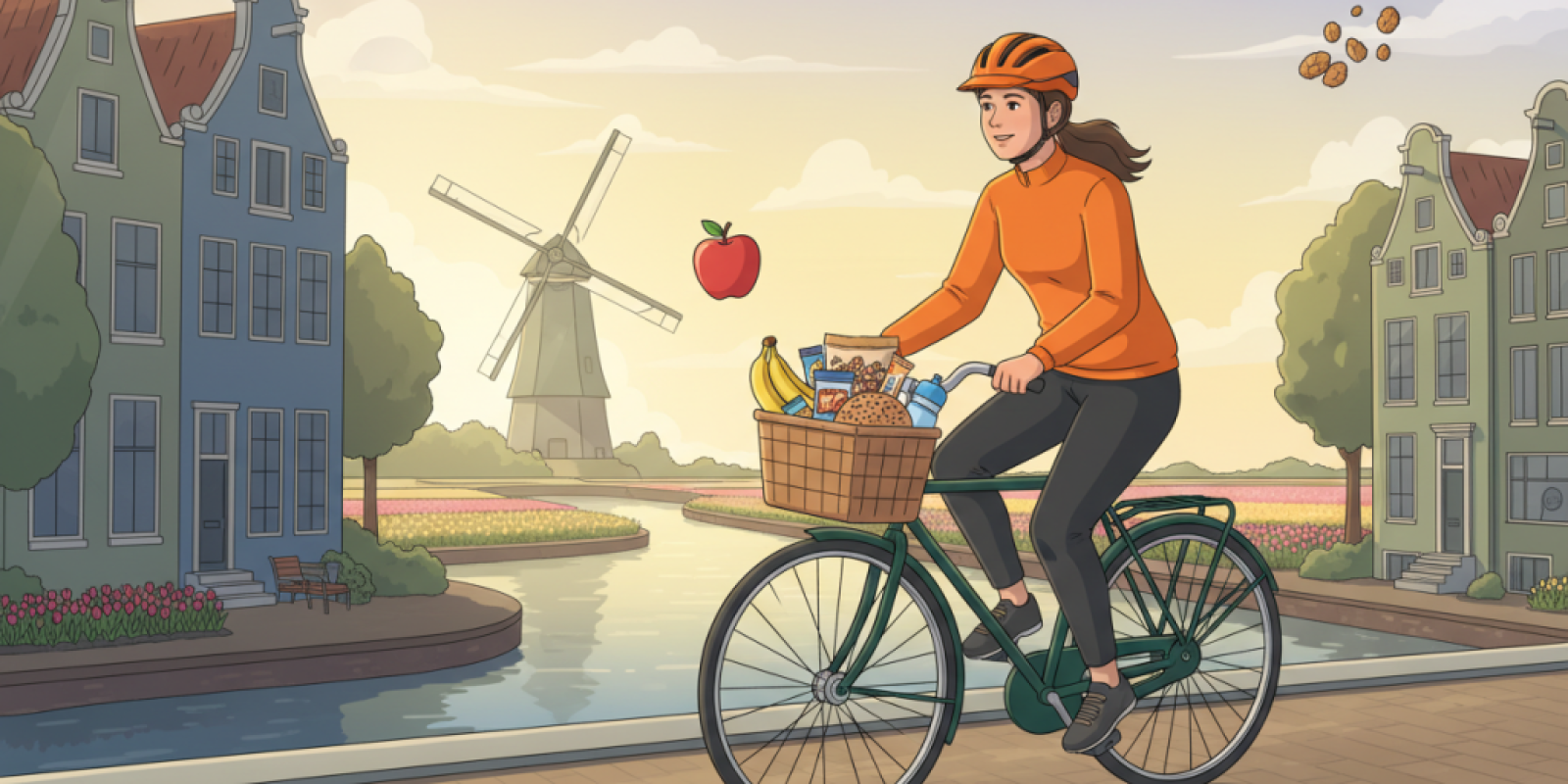
Picture this: it’s 7 AM in Amsterdam, and the streets are already alive with the gentle whir of bicycle wheels. Women in elegant coats pedal confidently through narrow cobblestone streets, their bikes loaded with groceries, children, or work bags. This isn’t just transportation – it’s a way of life that has shaped an entire nation’s approach to health, fitness, and nutrition.
The Netherlands boasts one of the world’s most impressive cycling cultures, with over 22,000 miles of dedicated bike paths and an average of 2.5 bicycles per household. But what truly sets Dutch cycling apart isn’t just the infrastructure – it’s the sustainable, everyday approach to nutrition that fuels millions of women who rely on their bikes for daily transportation and recreation.
For women cyclists looking to improve their endurance and performance, Dutch cycling culture offers valuable insights into foods that provide sustained energy without the complexity of modern sports nutrition. This traditional approach emphasizes whole foods, practical preparation, and eating patterns that support both daily cycling and longer recreational rides.

Why Women Need Different Nutritional Strategies for Cycling
Women’s bodies have unique nutritional needs that become even more important during endurance activities like cycling. Hormonal fluctuations throughout the menstrual cycle affect everything from energy metabolism to nutrient absorption. Iron needs are typically higher due to menstruation, while calcium requirements support bone health – crucial for women who cycle regularly.
Dutch women have intuitively understood these needs for generations. Their traditional diet naturally incorporates iron-rich foods like dark leafy greens and lean meats, while dairy products provide essential calcium. The timing of meals also reflects an understanding of sustained energy needs, with hearty breakfasts and strategic snacking that keeps energy levels stable throughout long cycling days.
Research shows that women metabolize carbohydrates differently than men, often relying more heavily on fat for fuel during moderate-intensity exercise. The Dutch approach to cycling nutrition naturally supports this metabolic preference through foods that provide both quick-acting and slow-burning energy sources.
Traditional Dutch Foods That Power Performance
The foundation of Dutch cycling nutrition lies in simple, nutrient-dense foods that have sustained generations of cyclists. Whole grain breads, particularly the dense, seeded varieties popular in the Netherlands, provide complex carbohydrates that release energy slowly and steadily. These aren’t the refined white breads found in many countries, but substantial, fiber-rich options that keep blood sugar stable during long rides.
Cheese plays a starring role in Dutch cycling culture, and for good reason. Dutch cheeses like Gouda and Edam provide high-quality protein and calcium, while their moderate fat content helps with satiety and sustained energy release. The practice of eating cheese with whole grain bread creates an ideal combination of protein, healthy fats, and complex carbohydrates.
Root vegetables, particularly potatoes, carrots, and beets, form another cornerstone of traditional Dutch cycling nutrition. These vegetables provide natural sugars for quick energy, while their fiber content ensures sustained fuel release. Beets, in particular, have gained attention in sports nutrition for their nitrate content, which may improve oxygen efficiency during exercise.
Fish, especially herring and other cold-water varieties, supplies omega-3 fatty acids that support cardiovascular health and may help reduce exercise-induced inflammation. The Dutch tradition of eating raw herring might seem unusual, but it provides easily digestible protein and healthy fats that support endurance performance.
Pre-Ride Nutrition: Starting Strong
The Dutch approach to pre-ride nutrition centers around substantial, balanced meals that provide sustained energy without causing digestive distress. A typical pre-ride breakfast might include thick slices of whole grain bread topped with cheese and sliced tomatoes, accompanied by a glass of milk or a cup of coffee with milk.
Timing matters significantly in Dutch cycling culture. Most cyclists eat their main breakfast 2-3 hours before longer rides, allowing time for proper digestion. For early morning rides, many Dutch women prepare overnight oats with added nuts and dried fruit, creating a meal that’s both convenient and nutritionally complete.
Porridge, or “havermout,” represents another excellent pre-ride option. Made with oats, milk, and topped with fresh fruit or a drizzle of honey, it provides the perfect balance of carbohydrates, protein, and natural sugars. The fiber content helps maintain steady blood sugar levels, while the protein supports muscle function during extended cycling sessions.
For women who experience digestive sensitivity before rides, the Dutch tradition of “beschuit” – a light, twice-baked rusk – offers an easily digestible option. Topped with a thin layer of butter and jam, it provides quick energy without the heaviness of denser breads.
On-the-Road Fuel: Sustaining Energy During Long Rides
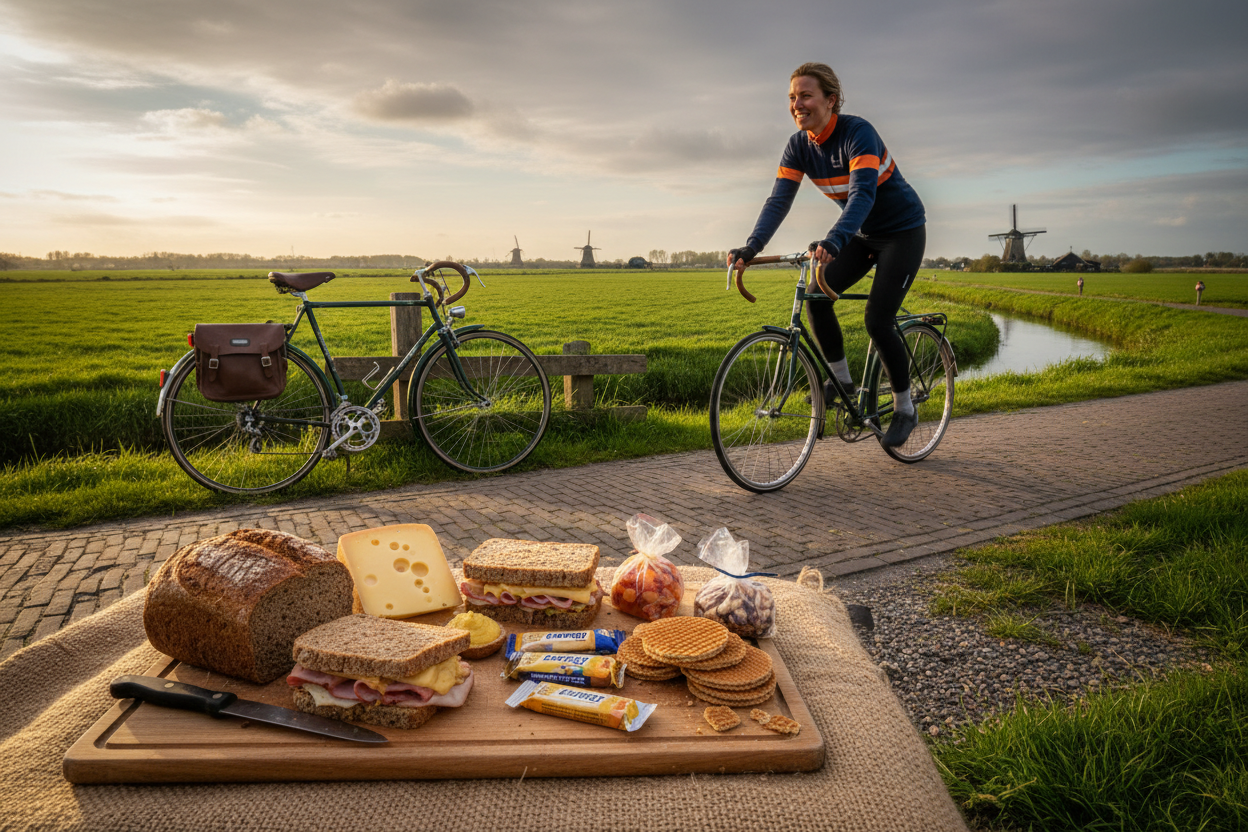
Dutch cyclists have mastered the art of practical, portable nutrition that doesn’t require special sports products. The classic “boterham” – a substantial sandwich made with dense whole grain bread – serves as the foundation for on-the-road nutrition. These aren’t delicate tea sandwiches, but hearty combinations that can withstand being carried in a bike bag while providing sustained energy.
Popular sandwich combinations include aged cheese with apple slices, providing both quick and slow-burning energy sources. The natural sugars in apples offer immediate fuel, while the protein and fat in cheese ensure sustained energy release. Another favorite combines lean ham with cucumber and a touch of mustard, creating a balance of protein, hydration, and flavor.
For rides lasting more than two hours, Dutch cyclists often carry “stroopwafels” – thin waffles filled with caramel syrup. While these might seem like simple treats, they provide an ideal combination of simple and complex carbohydrates that can quickly restore glycogen levels during intense efforts. The key is eating them strategically, typically during or just after challenging climbs or headwind sections.
Nuts and dried fruits form another essential component of Dutch cycling nutrition. A small bag of mixed nuts provides healthy fats and protein, while dried fruits like dates or apricots offer concentrated natural sugars. This combination supports both immediate energy needs and longer-term satiety.
Post-Ride Recovery: Dutch-Inspired Recovery Foods
Recovery nutrition in Dutch cycling culture emphasizes whole foods that support muscle repair and glycogen replenishment. The traditional post-ride meal often centers around “stamppot” – a hearty dish combining mashed potatoes with vegetables like kale, carrots, or sauerkraut, typically served with a lean protein like smoked sausage or fish.
This combination provides everything needed for effective recovery: carbohydrates to replenish glycogen stores, protein for muscle repair, and vegetables rich in antioxidants to combat exercise-induced inflammation. The warm, comforting nature of these meals also supports the psychological aspect of recovery, providing satisfaction and comfort after challenging rides.
Chocolate milk has gained recognition in sports nutrition circles, and Dutch cyclists have long understood its benefits. The combination of carbohydrates and protein in the ideal 3:1 or 4:1 ratio makes it an excellent recovery drink. Many Dutch cyclists enjoy a glass of chocolate milk within 30 minutes of completing longer rides, often accompanied by a piece of whole grain bread with peanut butter.
Yogurt with granola and fresh berries represents another excellent recovery option. The protein in yogurt supports muscle repair, while the carbohydrates in granola help replenish energy stores. Berries provide antioxidants and natural sugars, while their vitamin C content may help reduce exercise-induced oxidative stress.
Hydration Strategies from the Netherlands
Dutch cycling culture takes a practical approach to hydration that goes beyond simply drinking water. The traditional “karnemelk” (buttermilk) provides not only hydration but also protein, calcium, and electrolytes. Many Dutch cyclists drink a glass of buttermilk before longer rides, finding it more satisfying and longer-lasting than water alone.
Coffee culture plays a significant role in Dutch cycling, with many rides including stops at cafes for “koffie met gebak” (coffee with pastry). While this might seem indulgent, the caffeine can enhance performance and fat burning, while the social aspect provides mental refreshment during long rides. The key is moderation and timing – too much caffeine late in rides can lead to dehydration and jitters.
Herbal teas, particularly those made from locally grown herbs like chamomile or mint, provide gentle hydration without the diuretic effects of caffeine. Many Dutch cyclists prepare thermos bottles of warm herbal tea for cooler weather rides, finding the warmth and flavor more appealing than plain water.
Water remains the foundation of hydration, but Dutch cyclists often enhance it naturally. Adding a slice of lemon or cucumber provides flavor and additional nutrients, while a pinch of sea salt can help with electrolyte replacement during longer, more intense rides.
Seasonal Eating for Year-Round Cycling
The Netherlands’ temperate climate requires different nutritional strategies throughout the year, and Dutch cycling culture has adapted accordingly. Winter cycling, common throughout the country, demands foods that provide internal warmth and sustained energy. Hearty soups made with root vegetables, beans, and lean meats become staples, often packed in thermoses for consumption during rides.
Spring brings fresh vegetables and lighter meals that match the increasing daylight and warmer temperatures. Asparagus season is particularly celebrated, with this vegetable providing vitamins and minerals that support increased training loads as cyclists prepare for summer adventures.
Summer cycling nutrition focuses on foods that provide energy without creating excessive internal heat. Lighter sandwiches with cucumber and fresh herbs, cold soups like gazpacho, and plenty of fresh fruits help maintain performance while keeping body temperature regulated.
Autumn emphasizes foods that support immune function as training continues despite changing weather. Pumpkin soups, apple-based dishes, and preserved foods help maintain nutrition quality as fresh produce becomes less available.
Practical Tips for Incorporating Dutch Cycling Nutrition
Adopting Dutch-inspired cycling nutrition doesn’t require moving to Amsterdam or completely overhauling your diet. Start by incorporating more whole grain breads into your routine, choosing dense, seeded varieties over refined options. Experiment with different cheese and vegetable combinations to find flavors you enjoy.
Preparation is key in Dutch cycling culture. Many cyclists prepare sandwiches and snacks the evening before rides, wrapping them carefully to maintain freshness. Invest in good food storage containers and wrapping materials that can withstand the rigors of bike transport.
Consider the social aspects of Dutch cycling nutrition. Plan rides that include stops at cafes or markets, making food part of the adventure rather than just fuel. This approach makes longer rides more enjoyable and sustainable.
Adapt traditional Dutch foods to your local ingredients and preferences. If herring isn’t appealing, try other fatty fish like salmon or sardines. If traditional Dutch cheeses aren’t available, choose local aged cheeses with similar nutritional profiles.
Keep a cycling nutrition journal to track how different foods affect your energy levels and performance. Pay attention to timing, portion sizes, and combinations that work best for your individual needs and riding style.
Conclusion
Dutch cycling culture offers valuable lessons for women seeking sustainable, effective nutrition strategies for endurance cycling. By focusing on whole foods, practical preparation, and eating patterns that support daily cycling habits, this approach provides an alternative to complex sports nutrition protocols.
The key lies not in exotic superfoods or expensive supplements, but in understanding how traditional foods can support modern cycling goals. Dense whole grain breads, quality cheeses, seasonal vegetables, and strategic hydration create a foundation that supports both recreational cycling and more serious training efforts.
For women cyclists, the Dutch approach offers particular benefits through its natural emphasis on iron-rich foods, calcium sources, and eating patterns that support hormonal health. The social and cultural aspects of food in Dutch cycling culture also provide lessons in making nutrition enjoyable and sustainable rather than restrictive or complicated.
Whether you’re commuting to work, exploring countryside trails, or training for longer events, incorporating elements of Dutch cycling nutrition can help improve your endurance, recovery, and overall enjoyment of time spent on two wheels. Start with simple changes like upgrading your bread choices or packing more substantial sandwiches for longer rides, and gradually build a nutrition approach that supports your cycling goals while honoring the wisdom of one of the world’s great cycling cultures.
Frequently Asked Questions
What makes Dutch cycling nutrition different from modern sports nutrition?
Dutch cycling nutrition emphasizes whole foods and practical eating patterns developed over generations of daily cycling, rather than processed sports products. It focuses on sustainable, everyday nutrition that supports both transportation and recreational cycling.
Can I follow Dutch cycling nutrition if I’m lactose intolerant?
Yes, you can adapt the principles by choosing aged cheeses (which are naturally lower in lactose), plant-based milk alternatives, and focusing on other protein sources like nuts, seeds, and fish that are also part of traditional Dutch cycling nutrition.
How much should I eat before a long cycling ride?
Following Dutch traditions, aim for a substantial meal 2-3 hours before longer rides. This might include 2-3 slices of whole grain bread with cheese and vegetables, or a bowl of porridge with nuts and fruit, allowing time for proper digestion.
Are stroopwafels really good cycling fuel?
Stroopwafels provide an excellent combination of simple and complex carbohydrates that can quickly restore energy during rides. They’re best used strategically during longer rides (over 2 hours) or after challenging efforts, rather than as primary fuel sources.
What’s the best way to carry Dutch-style cycling food?
Invest in good food storage containers and wrapping materials. Traditional Dutch cyclists wrap sandwiches in wax paper or aluminum foil, and use sturdy bike bags or panniers that protect food from being crushed during rides.
How do I stay hydrated on longer rides without sports drinks?
Dutch cyclists use natural hydration strategies like buttermilk before rides, herbal teas in cooler weather, and water enhanced with lemon or cucumber. For rides over 3 hours, add a pinch of sea salt to water for natural electrolyte replacement.