The Portuguese Approach to Women’s Wellness Through Food: Ancient Wisdom Meets Modern Nutrition
Table of Contents
1. Introduction to Portuguese Women’s Wellness Philosophy
2. The Foundation of Portuguese Culinary Medicine
3. Traditional Portuguese Foods for Hormonal Balance
4. Seafood and Omega-3s: The Atlantic Advantage
5. Herbal Teas and Infusions for Women’s Health
6. The Role of Olive Oil in Portuguese Women’s Wellness
7. Seasonal Eating and the Portuguese Calendar
8. Modern Applications of Traditional Portuguese Wisdom
9. Conclusion
10. Frequently Asked Questions
Introduction to Portuguese Women’s Wellness Philosophy
Portugal’s approach to women’s wellness through food represents centuries of accumulated wisdom, blending Mediterranean dietary principles with Atlantic coastal influences and time-honored folk medicine traditions. This holistic approach to nutrition goes far beyond simple meal planning, encompassing a deep understanding of how specific foods can support women’s health throughout different life stages.
Portuguese women have long understood that food serves as medicine, particularly when addressing the unique nutritional needs that arise during menstruation, pregnancy, menopause, and beyond. This traditional knowledge, passed down through generations of mothers and grandmothers, offers valuable insights that modern nutritional science is now validating.
The Portuguese culinary approach to women’s wellness emphasizes whole foods, seasonal eating, and the therapeutic properties of herbs and spices. Rather than viewing nutrition as restrictive or clinical, Portuguese culture celebrates food as both nourishment and healing, creating sustainable dietary patterns that support long-term health and vitality.
The Foundation of Portuguese Culinary Medicine
Portuguese culinary medicine for women’s wellness rests on several fundamental principles that distinguish it from other dietary approaches. The concept of “comida como medicina” (food as medicine) permeates Portuguese culture, with specific dishes and ingredients traditionally prepared to address various women’s health concerns.
The foundation begins with the understanding that women’s nutritional needs fluctuate throughout their monthly cycles and life stages. Portuguese traditional medicine recognizes these variations and provides specific dietary recommendations accordingly. For instance, iron-rich foods like blood sausage and leafy greens are emphasized during menstruation, while calcium-rich sardines and dairy products are prioritized during pregnancy and breastfeeding.
Another cornerstone of this approach is the emphasis on digestive health as the root of overall wellness. Portuguese women traditionally consume warming spices like cinnamon, ginger, and bay leaves to support digestion and circulation. These spices are believed to help regulate menstrual cycles and alleviate common discomforts associated with hormonal fluctuations.
The Portuguese also prioritize the social and emotional aspects of eating. Meals are viewed as opportunities for connection and stress relief, which modern research confirms as crucial for hormonal balance and overall women’s health. This holistic view recognizes that how we eat is just as important as what we eat.
Traditional Portuguese Foods for Hormonal Balance
Portuguese cuisine offers numerous foods specifically valued for their ability to support women’s hormonal health. Chickpeas, a staple in Portuguese cooking, contain natural phytoestrogens that may help balance hormone levels, particularly during perimenopause and menopause. Traditional dishes like “Grão de Bico com Bacalhau” (chickpeas with codfish) combine these benefits with high-quality protein and omega-3 fatty acids.
Figs, both fresh and dried, hold special significance in Portuguese women’s nutrition. Rich in potassium, calcium, and natural sugars, figs are traditionally consumed to support reproductive health and alleviate menstrual discomfort. Portuguese women often prepare fig compotes with cinnamon and honey, creating a therapeutic treat that addresses both nutritional needs and emotional well-being.
Quinces, another traditional Portuguese fruit, are valued for their high fiber content and anti-inflammatory properties. The famous “Marmelada” (quince paste) is not just a delicacy but also a traditional remedy for digestive issues that often accompany hormonal changes. The pectin in quinces supports gut health, which is increasingly recognized as crucial for hormone regulation.
Portuguese cuisine also emphasizes the consumption of seeds and nuts, particularly walnuts, almonds, and pumpkin seeds. These foods provide essential fatty acids, vitamin E, and minerals like zinc and magnesium, all crucial for hormonal production and regulation. Traditional Portuguese sweets often incorporate these nuts, making therapeutic nutrition enjoyable and sustainable.
Seafood and Omega-3s: The Atlantic Advantage
Portugal’s extensive coastline provides abundant access to seafood, which forms a crucial component of the Portuguese approach to women’s wellness. Sardines, mackerel, and other fatty fish are consumed regularly, providing high levels of omega-3 fatty acids essential for hormonal health, brain function, and inflammation reduction.
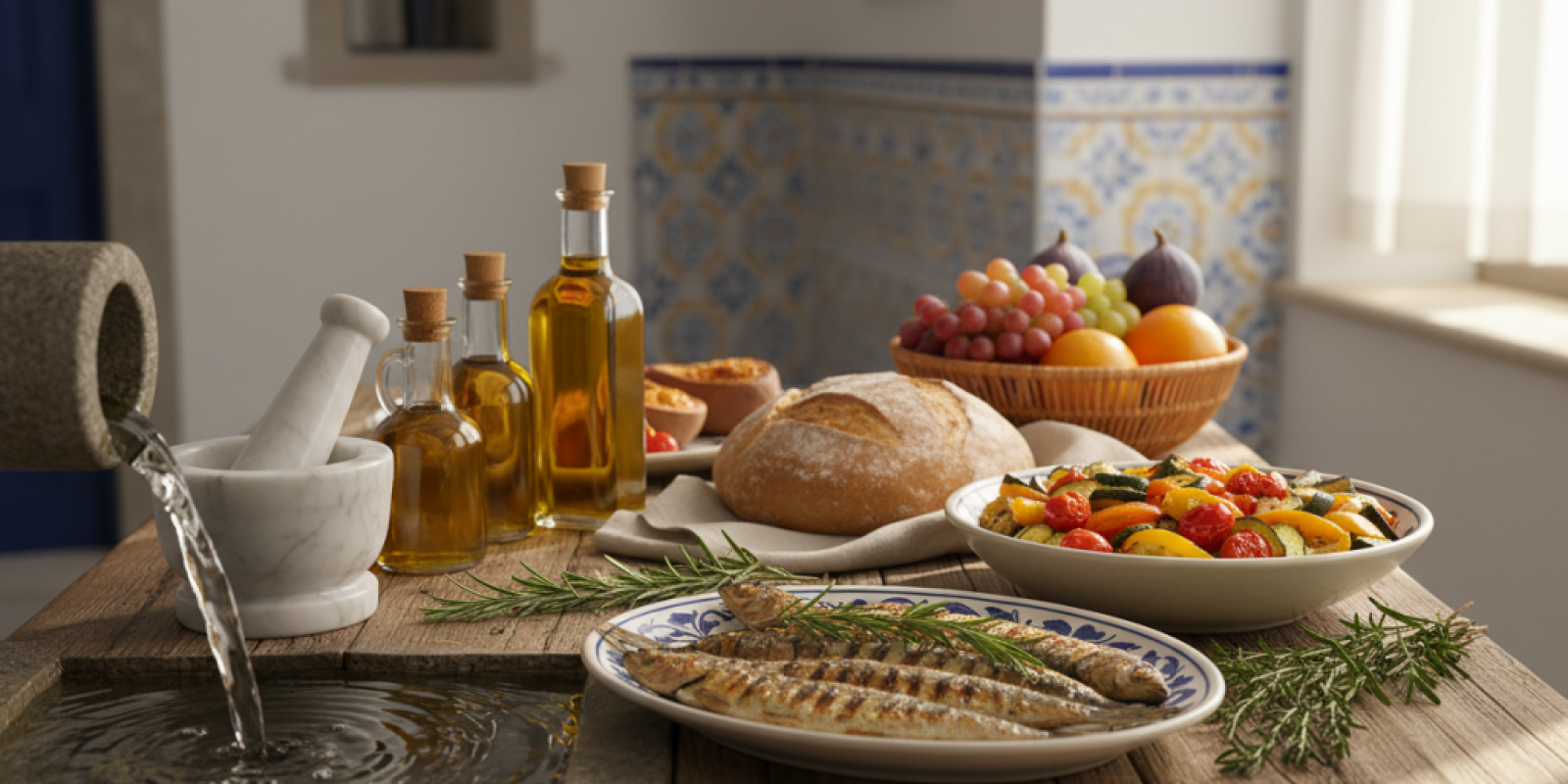
Sardines, in particular, are considered a superfood for women in Portuguese culture. These small fish are not only rich in omega-3s but also provide significant amounts of calcium, vitamin D, and vitamin B12. Portuguese women traditionally consume sardines during festivals like São João, but they’re also incorporated into everyday meals to support bone health and hormonal balance.
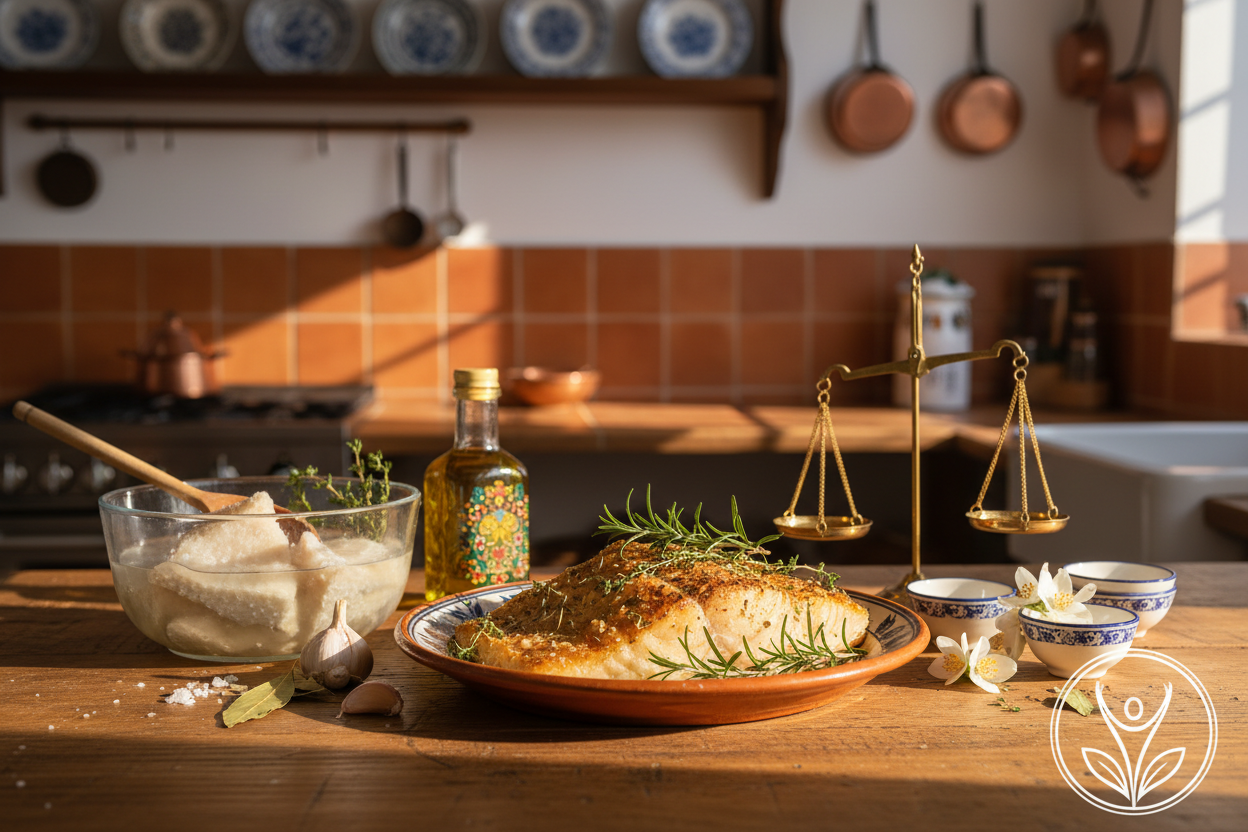
Codfish, or “bacalhau,” is perhaps the most iconic Portuguese protein and offers unique benefits for women’s health. High in protein and low in saturated fat, codfish provides essential amino acids necessary for hormone production. The traditional preparation methods, often involving soaking and gentle cooking, preserve these nutritional benefits while creating satisfying, nourishing meals.
Shellfish, including clams, mussels, and oysters, are also valued in Portuguese cuisine for their high zinc content. Zinc is essential for reproductive health, immune function, and skin health. Traditional Portuguese seafood stews like “Cataplana” combine various shellfish with vegetables and herbs, creating nutrient-dense meals that support multiple aspects of women’s wellness.
Herbal Teas and Infusions for Women’s Health
Portuguese herbal medicine traditions offer a rich repertoire of teas and infusions specifically designed to support women’s health throughout different life stages. These therapeutic beverages are deeply integrated into daily routines, providing gentle, consistent support for hormonal balance and overall wellness.
Lemon balm tea, known as “erva-cidreira,” is widely consumed by Portuguese women for its calming properties and ability to ease menstrual discomfort. This herb is traditionally harvested during summer months and dried for year-round use. Portuguese grandmothers often prepare lemon balm tea with honey and serve it warm to their daughters and granddaughters during times of stress or hormonal fluctuation.
Chamomile, or “camomila,” holds special significance in Portuguese women’s wellness practices. Beyond its well-known calming effects, chamomile is valued for its anti-inflammatory properties and ability to support digestive health. Portuguese women often drink chamomile tea before bedtime to promote restful sleep, which is crucial for hormonal regulation and overall health.
Rose hip tea, made from the fruit of wild roses, is another traditional favorite rich in vitamin C and antioxidants. Portuguese women prepare rose hip infusions during autumn and winter months to support immune function and skin health. The high vitamin C content also aids in iron absorption, making it particularly beneficial when consumed alongside iron-rich meals.
Fennel tea deserves special mention for its traditional use in supporting lactation and digestive health. Portuguese nursing mothers have long relied on fennel infusions to promote milk production and ease infant colic when passed through breast milk. This gentle herb also helps alleviate bloating and digestive discomfort common during hormonal fluctuations.
The Role of Olive Oil in Portuguese Women’s Wellness
Extra virgin olive oil stands as the cornerstone of Portuguese cuisine and plays a crucial role in women’s wellness traditions. This liquid gold provides monounsaturated fats essential for hormone production, vitamin E for antioxidant protection, and anti-inflammatory compounds that support overall health.
Portuguese women traditionally consume olive oil not just as a cooking medium but as a therapeutic food. A common practice involves taking a tablespoon of high-quality olive oil on an empty stomach, believed to support liver function and hormone metabolism. This practice, while simple, aligns with modern understanding of how healthy fats support endocrine function.
The polyphenols in Portuguese olive oil, particularly from olives grown in the Douro and Alentejo regions, provide powerful antioxidant benefits. These compounds help protect against oxidative stress that can disrupt hormonal balance and accelerate aging. Portuguese women often drizzle olive oil over salads, vegetables, and fish to maximize the absorption of fat-soluble vitamins.
Traditional Portuguese beauty practices also incorporate olive oil for skin and hair health. Women would apply olive oil masks to maintain skin elasticity and shine, understanding intuitively what science now confirms about the benefits of topical antioxidants and healthy fats for skin health.
Seasonal Eating and the Portuguese Calendar
The Portuguese approach to women’s wellness emphasizes eating in harmony with seasonal cycles, recognizing that different times of year require different nutritional support. This seasonal awareness extends beyond simple availability to encompass the body’s changing needs throughout the year.
Spring in Portugal brings fresh herbs like nettle and dandelion, traditionally consumed by women as gentle detoxifiers after the heavier foods of winter. These bitter greens support liver function, which is crucial for hormone metabolism and elimination of excess hormones from the body. Portuguese women prepare these herbs in soups and salads, often combined with eggs and fresh cheese for balanced nutrition.
Summer emphasizes cooling foods and hydrating ingredients. Gazpacho-style cold soups, fresh fruits, and raw salads help maintain electrolyte balance during hot weather. Portuguese women traditionally consume more raw foods during summer months, understanding that the body’s digestive fire is naturally stronger during this season.
Autumn brings the harvest of nuts, seeds, and preserved foods that will sustain women through winter months. This is the time for preparing traditional preserves, drying herbs, and storing nutrient-dense foods. Portuguese women focus on building reserves of healthy fats and warming spices to support their bodies through the colder months ahead.
Winter nutrition emphasizes warming, nourishing foods that support circulation and immune function. Hearty stews, bone broths, and warming spices become dietary staples. Portuguese women understand that winter requires more substantial nutrition to maintain energy and mood during shorter, darker days.
Modern Applications of Traditional Portuguese Wisdom
Contemporary nutritional science validates many traditional Portuguese approaches to women’s wellness, offering opportunities to integrate ancient wisdom with modern understanding. The Mediterranean diet, of which Portuguese cuisine is a part, has been extensively studied and shown to support hormonal health, cardiovascular wellness, and longevity.
Modern Portuguese nutritionists now recommend specific traditional food combinations based on scientific research. For example, combining vitamin C-rich foods like bell peppers or tomatoes with iron-rich legumes enhances iron absorption, a practice Portuguese cooks have long followed intuitively.
The timing of meals, another traditional Portuguese practice, aligns with current research on circadian rhythms and hormonal health. Portuguese women traditionally eat their largest meal at midday when digestive fire is strongest, followed by lighter evening meals that support better sleep and hormone regulation.
Stress reduction through mindful eating, a hallmark of Portuguese food culture, is now recognized as crucial for women’s hormonal health. The Portuguese tradition of leisurely meals shared with family and friends supports cortisol regulation and overall well-being in ways that rushed, solitary eating cannot match.
Conclusion
The Portuguese approach to women’s wellness through food offers a time-tested blueprint for supporting hormonal health, emotional well-being, and long-term vitality. By emphasizing whole foods, seasonal eating, therapeutic herbs, and mindful consumption practices, this traditional system provides practical wisdom that remains relevant in our modern world.
The integration of nutrient-dense seafood, antioxidant-rich olive oil, hormone-supporting legumes, and therapeutic herbs creates a comprehensive approach to women’s nutrition that addresses both physical and emotional needs. The emphasis on community, pleasure, and seasonal awareness adds sustainable elements often missing from contemporary dietary approaches.
As we face increasing rates of hormonal imbalances, stress-related health issues, and chronic diseases among women, the Portuguese model offers valuable insights. By adopting elements of this traditional approach while maintaining our modern understanding of nutrition, we can create more effective, enjoyable, and sustainable approaches to women’s wellness through food.
Frequently Asked Questions
What makes the Portuguese approach to women’s nutrition unique?
The Portuguese approach combines Mediterranean dietary principles with Atlantic coastal influences, emphasizing seasonal eating, therapeutic herbs, and the social aspects of meals. It views food as medicine and recognizes women’s changing nutritional needs throughout different life stages and monthly cycles.
Which Portuguese foods are best for hormonal balance?
Key foods include chickpeas for phytoestrogens, fatty fish like sardines for omega-3s, olive oil for healthy fats, figs for minerals and fiber, and various herbal teas like lemon balm and chamomile for hormonal support and stress reduction.
How do Portuguese women use food during menstruation?
Traditional practices emphasize iron-rich foods like leafy greens and blood sausage, warming spices for circulation, and herbal teas like lemon balm for comfort. Gentle, easily digestible foods are preferred during this time.
Can modern women benefit from Portuguese wellness traditions?
Absolutely. Many Portuguese practices align with current nutritional science, including emphasis on omega-3 fatty acids, antioxidant-rich foods, seasonal eating, and stress reduction through mindful eating practices.
What role do herbal teas play in Portuguese women’s wellness?
Herbal teas serve as daily therapeutic tools, with different herbs addressing specific needs: lemon balm for menstrual comfort, chamomile for sleep and digestion, fennel for lactation support, and rose hip for immune function and vitamin C.
How important is seasonal eating in the Portuguese approach?
Seasonal eating is fundamental, recognizing that women’s bodies need different nutritional support throughout the year. Spring emphasizes detoxifying greens, summer focuses on cooling foods, autumn prepares nutrient stores, and winter provides warming, substantial nutrition.