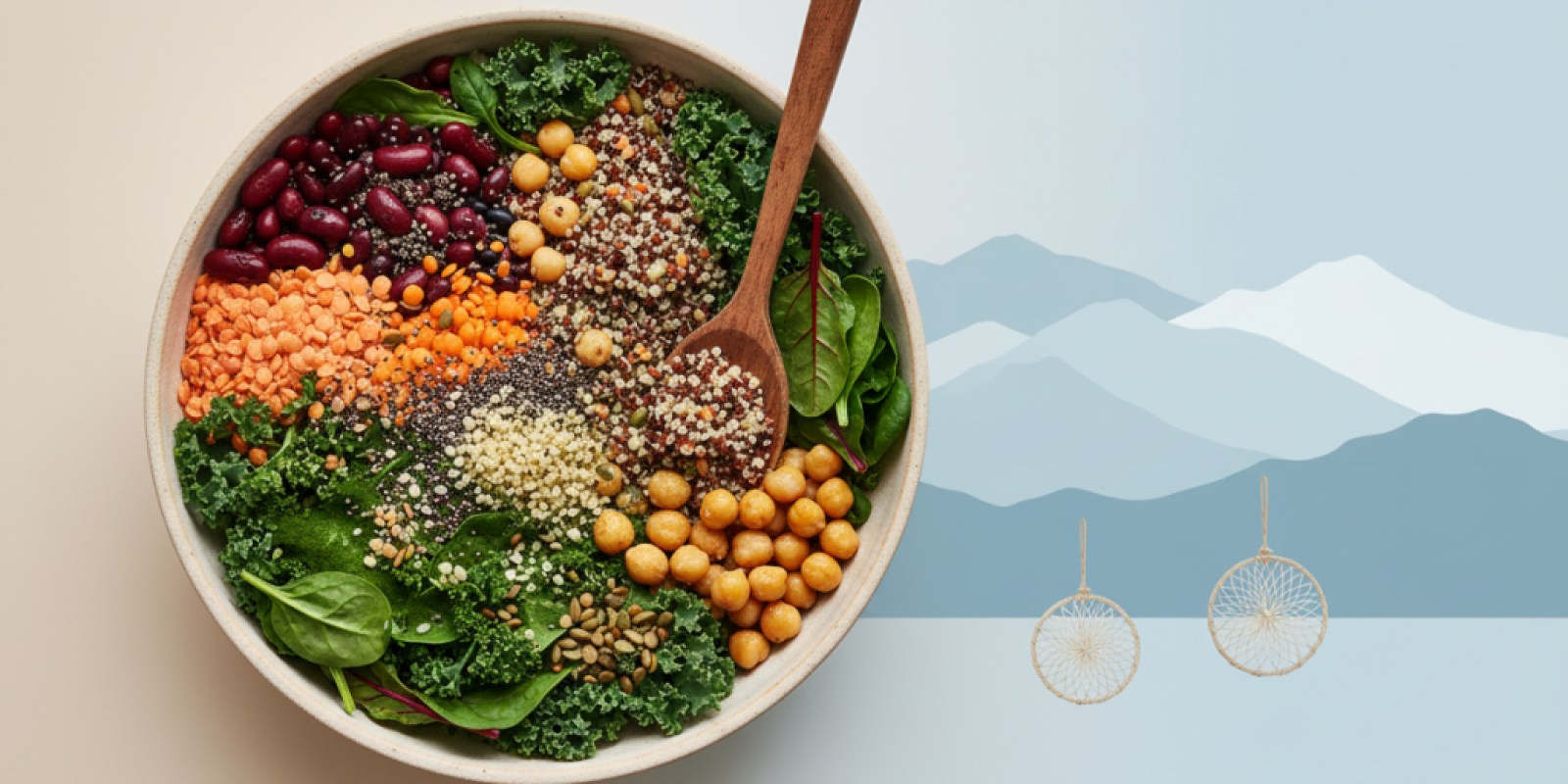
Icelandic Fermented Shark Alternatives: Quick Plant-Based Protein for Women
Table of Contents
1. Introduction: Why Skip the Shark?
2. Understanding Traditional Fermented Shark
3. The Plant-Based Revolution for Women’s Health
4. Top Quick Plant-Based Protein Alternatives
5. Nutritional Benefits Specifically for Women
6. Easy Preparation Methods
7. Incorporating Alternatives into Your Daily Routine
8. Cost-Effective and Sustainable Options
9. Conclusion
10. Frequently Asked Questions
Introduction: Why Skip the Shark?
Let’s be honest – when most people hear about hákarl, Iceland’s traditional fermented shark, their first reaction isn’t exactly enthusiasm. This centuries-old delicacy, known for its intense ammonia-like smell and acquired taste, has been challenging even the most adventurous food lovers for generations. But here’s the thing: you don’t need to endure this culinary trial by fire to get incredible protein benefits.
As a woman who’s always looking for efficient ways to boost my protein intake without compromising on taste or convenience, I’ve discovered that plant-based alternatives can deliver everything you’d want from traditional fermented proteins – and so much more. Whether you’re a busy professional, a fitness enthusiast, or simply someone who values both nutrition and flavor, these alternatives will revolutionize your protein game.
Today, we’re diving deep into quick, accessible plant-based protein sources that can replace fermented shark while providing superior nutritional benefits tailored specifically for women’s health needs.
Understanding Traditional Fermented Shark
Before we explore alternatives, it’s worth understanding what makes fermented shark unique. Hákarl undergoes a months-long fermentation process that breaks down toxins naturally present in Greenland shark meat, making it safe for consumption. This process also concentrates proteins and creates a distinctive umami flavor profile.
The traditional preparation involves burying shark meat in gravel for several months, then hanging it to dry for another four to five months. While this method produces a protein-rich food that helped Icelanders survive harsh winters, it’s hardly practical for modern lifestyles.
The fermentation process does offer some benefits: it increases bioavailability of certain nutrients, introduces beneficial compounds, and creates a shelf-stable protein source. However, the strong taste, lengthy preparation time, and environmental concerns make it less appealing to contemporary health-conscious women.
The Plant-Based Revolution for Women’s Health
Women have unique nutritional needs that plant-based proteins can address more effectively than traditional animal proteins. Our bodies require specific nutrients for hormonal balance, bone health, and reproductive wellness – areas where plant proteins truly shine.
Plant-based proteins offer several advantages over fermented shark. They’re typically easier to digest, contain fiber that supports gut health, and provide phytonutrients that can help balance hormones naturally. Many plant proteins also contain antioxidants that combat inflammation, something particularly beneficial for women dealing with monthly hormonal fluctuations.
Research consistently shows that women who incorporate diverse plant proteins into their diets experience better energy levels, improved skin health, and more stable moods. Unlike fermented shark, which can be harsh on the digestive system, plant proteins tend to be gentler while still providing complete amino acid profiles when properly combined.
Top Quick Plant-Based Protein Alternatives
Let me share some game-changing plant-based proteins that can be prepared in minutes rather than months. These alternatives not only match the protein content of fermented shark but often exceed it in terms of overall nutritional value.
Tempeh: The Fermented Superstar
Tempeh offers the fermented benefits you’d get from hákarl but with a much more palatable taste. This Indonesian staple contains about 31 grams of protein per cup and includes probiotics that support digestive health. The fermentation process makes nutrients more bioavailable, similar to traditional shark preparation but without the intense flavor.
Hemp Hearts: Quick Protein Powerhouse
These tiny seeds pack 10 grams of complete protein in just three tablespoons. Hemp hearts require zero preparation – simply sprinkle them on salads, yogurt, or smoothies. They’re particularly beneficial for women because they contain gamma-linolenic acid (GLA), which supports hormonal balance.
Nutritional Yeast: The Umami Alternative
If you’re craving that distinctive umami flavor that fermented shark provides, nutritional yeast is your answer. With 8 grams of protein per quarter cup, it also delivers essential B-vitamins, including B12, which is crucial for women’s energy levels and nervous system health.
Spirulina: Ocean-Derived Protein
This blue-green algae provides a marine protein source that’s arguably more sustainable than shark. Just one tablespoon contains 4 grams of highly digestible protein plus iron, which many women need more of due to monthly blood loss.
Nutritional Benefits Specifically for Women
Women’s bodies have unique requirements that these plant-based alternatives address beautifully. During reproductive years, we need more iron, folate, and calcium than men. Many of these plant proteins naturally provide these nutrients in bioavailable forms.
The phytoestrogens found in soy-based proteins like tempeh can help balance hormones naturally, potentially reducing PMS symptoms and supporting bone health. Unlike fermented shark, which provides primarily protein and some vitamins, plant-based alternatives offer a complete nutritional package.
Fiber content is another crucial difference. While fermented shark contains no fiber, plant proteins provide this essential nutrient that supports digestive health, helps maintain stable blood sugar levels, and can reduce the risk of heart disease – the leading cause of death among women.
The antioxidants in plant proteins also support skin health and may help reduce the visible signs of aging. Many women notice improved skin clarity and elasticity when they increase their intake of antioxidant-rich plant proteins.
Easy Preparation Methods
One of the biggest advantages of plant-based protein alternatives is their convenience. While fermented shark requires months of preparation, these options can be ready in minutes.
Five-Minute Tempeh Scramble
Crumble tempeh into a hot pan with a little oil, add turmeric and nutritional yeast for flavor, and you have a protein-packed breakfast that rivals any traditional protein source. This preparation method takes less than five minutes and provides over 20 grams of protein per serving.
Instant Protein Smoothies
Blend hemp hearts, spirulina, and your favorite fruits for a protein smoothie that’s ready in under two minutes. This combination provides complete amino acids plus antioxidants and healthy fats.
Quick Marinated Tempeh
Slice tempeh, marinate in tamari and maple syrup for 10 minutes, then pan-fry until golden. This creates a savory, protein-rich addition to any meal that’s infinitely more approachable than fermented shark.
Incorporating Alternatives into Your Daily Routine
The beauty of these plant-based proteins lies in their versatility. Unlike fermented shark, which is typically consumed as a standalone delicacy, these alternatives integrate seamlessly into everyday meals.
Start your morning by adding hemp hearts to your overnight oats or smoothie bowl. The nutty flavor enhances rather than overwhelms other ingredients, providing sustained energy throughout the morning.
For lunch, tempeh can replace meat in sandwiches, salads, or grain bowls. Its firm texture and ability to absorb flavors make it incredibly versatile. I often prepare a batch on Sunday and use it throughout the week in different preparations.
Nutritional yeast makes an excellent afternoon snack when sprinkled on popcorn or mixed into hummus. It satisfies cravings for savory, umami-rich foods while providing essential nutrients that support energy levels during the typical 3 PM slump.
Cost-Effective and Sustainable Options
Let’s talk about practicality. Fermented shark is not only challenging to find outside Iceland but also expensive when available. Plant-based alternatives offer significant cost savings while being more environmentally sustainable.
Hemp hearts, while initially seeming pricey, provide excellent value when you consider their protein density and the fact that they require no preparation. A single bag can last weeks when used as a protein supplement.
Tempeh, available at most health food stores and many mainstream groceries, costs significantly less per gram of protein than most animal proteins. Its shelf stability also reduces food waste, making it an economical choice for budget-conscious women.
The environmental impact is dramatically lower too. Plant-based proteins require fewer resources to produce and don’t contribute to overfishing concerns associated with shark consumption.
Conclusion
While fermented shark represents an impressive feat of traditional food preservation, modern women have access to far superior protein alternatives that are quick, delicious, and nutritionally superior. These plant-based options provide complete proteins while supporting women’s unique health needs through additional nutrients like fiber, antioxidants, and phytonutrients.
The convenience factor cannot be overstated. Instead of waiting months for fermentation, you can have protein-rich meals ready in minutes. Whether you choose tempeh for its probiotic benefits, hemp hearts for their complete amino acid profile, or nutritional yeast for its B-vitamin content, you’re making a choice that supports both your health and the environment.
Remember, optimal nutrition isn’t about enduring challenging foods – it’s about finding delicious, convenient options that nourish your body and fit your lifestyle. These plant-based alternatives prove that you can have exceptional protein nutrition without compromising on taste, convenience, or ethics.
Frequently Asked Questions
Q: Do plant-based proteins provide complete amino acids like fermented shark?
A: Yes, several plant proteins are complete on their own, including hemp hearts, spirulina, and soy-based proteins like tempeh. Even incomplete plant proteins can be easily combined throughout the day to provide all essential amino acids.
Q: How much plant protein do women need daily?
A: Most women need about 0.8-1.2 grams of protein per kilogram of body weight daily. Active women may need more. These plant alternatives can easily help meet these requirements while providing additional nutrients.
Q: Are these alternatives safe during pregnancy?
A: Most plant proteins are excellent during pregnancy, but always consult your healthcare provider. Tempeh and hemp hearts are generally considered safe and beneficial, while spirulina should be discussed with your doctor.
Q: Can these proteins help with weight management?
A: Absolutely. Plant proteins often contain fiber, which increases satiety and helps maintain stable blood sugar levels. This can support healthy weight management more effectively than animal proteins alone.
Q: Where can I buy these protein alternatives?
A: Most health food stores carry these items, and they’re increasingly available in mainstream grocery stores. Online retailers also offer competitive prices and convenient delivery options.
Q: How do I know if I’m getting enough protein from plant sources?
A: Track your intake for a few days using a nutrition app, or consult with a registered dietitian. Signs of adequate protein include stable energy levels, healthy hair and nails, and good muscle recovery after exercise.