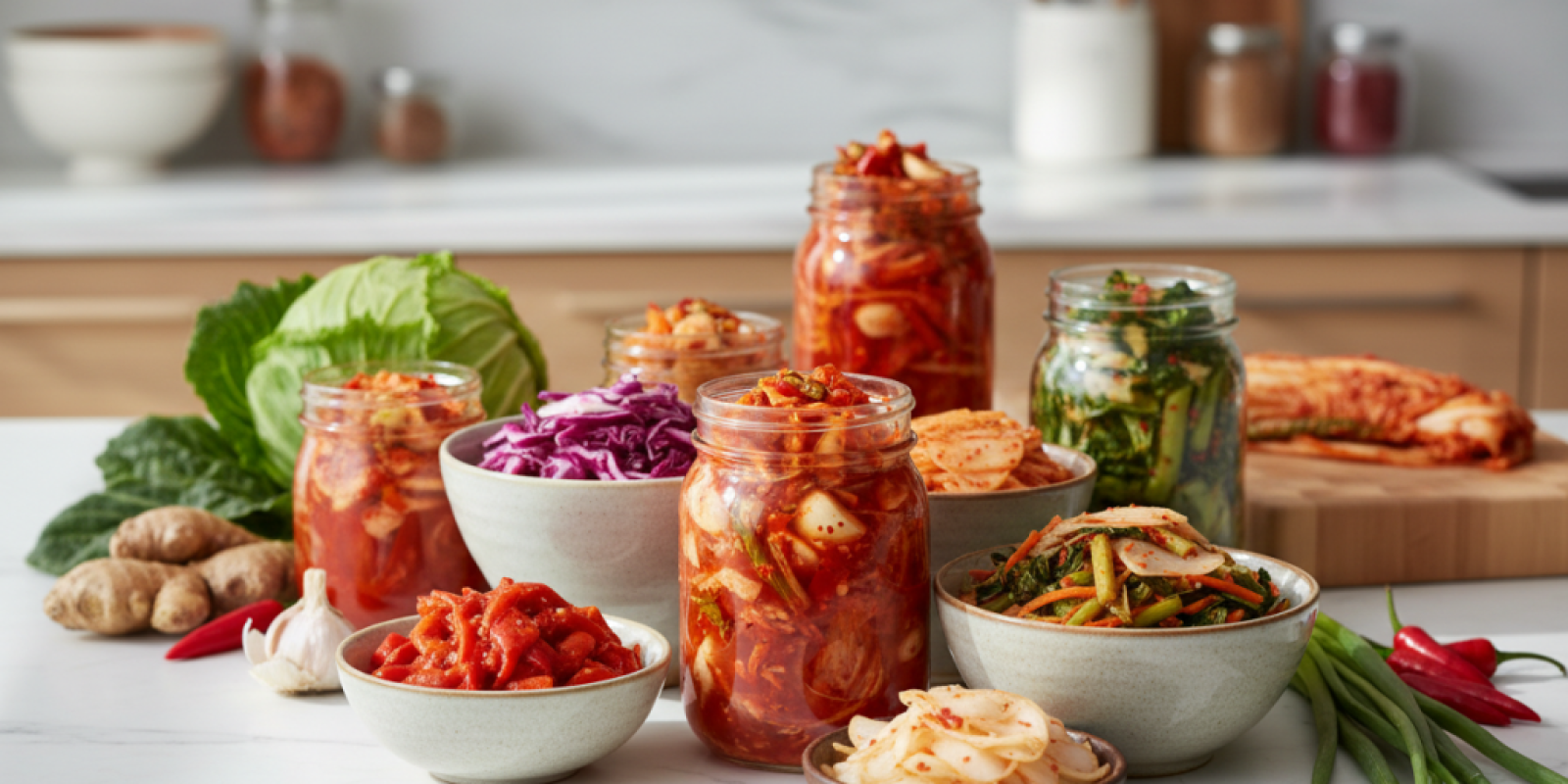
Quick Kimchi Variations Using Local Seasonal Vegetables: Transform Your Garden Harvest Into Fermented Gold
Table of Contents
1. Introduction to Seasonal Kimchi Making
2. Understanding the Basics of Quick Kimchi
3. Spring Kimchi Variations: Fresh Beginnings
4. Summer Kimchi Creations: Peak Season Abundance
5. Fall Kimchi Recipes: Harvest Time Favorites
6. Winter Kimchi Options: Cold Weather Comfort
7. Essential Tips for Perfect Quick Kimchi
8. Storage and Serving Suggestions
9. Conclusion
10. Frequently Asked Questions
Introduction to Seasonal Kimchi Making
There’s something magical about opening your refrigerator and finding a jar of homemade kimchi waiting for you. That tangy, spicy, umami-packed goodness can transform any meal from ordinary to extraordinary. But here’s the thing – you don’t need to stick to traditional napa cabbage to create incredible kimchi variations.
As someone who’s been experimenting with fermented foods for years, I’ve discovered that some of the most exciting kimchi creations come from using whatever vegetables are thriving in your local area during each season. Whether you’re growing your own produce or shopping at farmers markets, seasonal vegetables offer unique flavors, textures, and nutritional benefits that can elevate your kimchi game to new heights.
Today, we’re diving deep into quick kimchi variations that celebrate the best of each season. These recipes are perfect for beginners who want to skip the traditional long fermentation process while still enjoying that distinctive kimchi flavor we all crave.
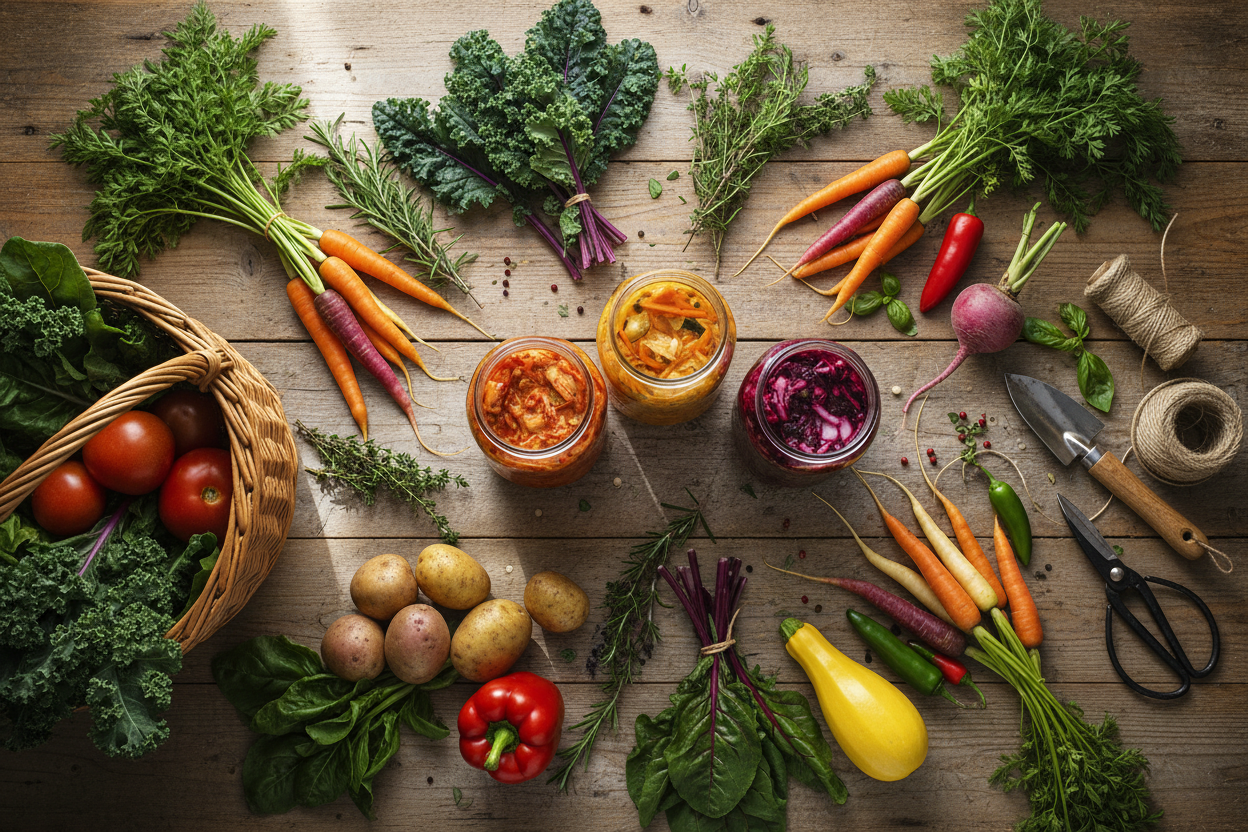
Understanding the Basics of Quick Kimchi
Before we explore seasonal variations, let’s establish what makes quick kimchi different from traditional versions. Traditional kimchi can take weeks to develop its complex flavors through fermentation. Quick kimchi, on the other hand, delivers that signature taste in just a few hours to a couple of days.
The secret lies in the preparation method. Quick kimchi relies on salt-drawing moisture from vegetables, creating an immediate brine, while adding acidic elements like rice vinegar to mimic the tangy flavor that typically develops during longer fermentation periods.
Your basic quick kimchi formula includes salt for drawing out moisture, Korean red pepper flakes (gochugaru) for heat and color, garlic and ginger for depth, fish sauce or soy sauce for umami, and a touch of sugar to balance the flavors. This foundation works beautifully with virtually any seasonal vegetable you can imagine.
Spring Kimchi Variations: Fresh Beginnings
Spring brings tender, delicate vegetables that create surprisingly refreshing kimchi variations. The mild flavors of early season produce pair beautifully with the bold kimchi seasoning blend.
Radish and Green Onion Quick Kimchi: Spring radishes have a crisp bite and mild peppery flavor that becomes incredibly addictive when transformed into kimchi. Slice your radishes into thin rounds, add chopped green onions, and toss with your kimchi paste. The natural water content in spring radishes means this version develops its brine quickly – often within just two hours.
Baby Bok Choy Kimchi: These tender greens wilt beautifully under salt, creating a kimchi that’s both crunchy and silky. Cut baby bok choy into bite-sized pieces, keeping the white stems and green leaves together. The contrast between the mild stems and slightly bitter leaves creates complexity that rivals traditional cabbage kimchi.
Asparagus Kimchi: This might sound unconventional, but hear me out. Blanched asparagus spears, cut into two-inch pieces and tossed with kimchi seasonings, create an elegant side dish that’s perfect for spring dinner parties. The asparagus maintains its distinctive flavor while absorbing the fermented notes beautifully.
Summer Kimchi Creations: Peak Season Abundance
Summer’s bounty offers endless possibilities for creative kimchi making. The abundance of water-rich vegetables means your quick kimchi will develop flavors rapidly while maintaining satisfying crunch.
Cucumber and Zucchini Medley: This cooling kimchi is perfect for hot summer days. Use a mix of regular cucumbers and small zucchini, sliced into half-moons. The key is salting them heavily for about 30 minutes, then squeezing out excess moisture before adding your seasonings. This prevents your kimchi from becoming too watery.
Green Bean and Corn Kimchi: Blanched green beans combined with fresh corn kernels create a kimchi that’s both sweet and spicy. The natural sugars in corn balance the heat from gochugaru perfectly, while green beans add satisfying crunch. This variation is particularly popular with kids who are new to kimchi.
Tomato and Pepper Quick Kimchi: Cherry tomatoes and bell peppers might seem like an unusual choice, but they create a kimchi that’s almost like a spicy, fermented salsa. Use firm, slightly underripe tomatoes to prevent mushiness, and include a variety of pepper colors for visual appeal.
Fall Kimchi Recipes: Harvest Time Favorites
Autumn vegetables bring heartier flavors and denser textures that create substantial, warming kimchi variations perfect for cooler weather.
Brussels Sprouts and Apple Kimchi: Shredded Brussels sprouts ferment beautifully, developing a complex, slightly sulfurous note that pairs surprisingly well with kimchi spices. Adding thin apple slices provides sweetness and additional crunch. This combination has become my go-to fall kimchi – it’s absolutely incredible with roasted meats.
Cauliflower and Carrot Quick Kimchi: Break cauliflower into small florets and julienne carrots for a colorful, nutritious kimchi that’s packed with vitamins. The cauliflower absorbs flavors incredibly well, while carrots add natural sweetness and vibrant color.
Sweet Potato and Cabbage Blend: Thinly sliced raw sweet potato might sound strange, but it adds an unexpected sweetness and interesting texture to traditional cabbage kimchi. Use a mandoline to get paper-thin sweet potato slices that will soften quickly in the salt brine.
Winter Kimchi Options: Cold Weather Comfort
Winter vegetables create hearty, warming kimchi variations that provide comfort and nutrition during cold months.
Turnip and Rutabaga Kimchi: These root vegetables create a kimchi with serious staying power. Their dense texture means they hold up well to the salt treatment and maintain their crunch even after several days. The slightly bitter, earthy flavors of these roots are transformed beautifully by kimchi seasonings.
Kale and Collard Green Quick Kimchi: Massage chopped kale and collard greens with salt to break down their tough fibers, then add your kimchi paste. These sturdy greens create a kimchi that’s almost like a fermented salad – incredibly nutritious and satisfying.
Parsnip and Leek Combination: Julienned parsnips and sliced leeks create an elegant winter kimchi with subtle, sophisticated flavors. The natural sweetness of parsnips balances beautifully with the mild onion flavor of leeks.
Essential Tips for Perfect Quick Kimchi
After years of experimenting with seasonal kimchi variations, I’ve learned several crucial techniques that ensure success every time.
First, always salt your vegetables properly. Use about one tablespoon of coarse salt per pound of vegetables, toss thoroughly, and let sit for at least 30 minutes. This draws out moisture and creates the foundation for your kimchi’s flavor development.
Second, don’t skip the squeeze. After salting, squeeze your vegetables firmly to remove as much liquid as possible. This prevents watery kimchi and concentrates flavors.
Third, taste and adjust your seasonings. Start with less gochugaru than you think you need – you can always add more, but you can’t take it out. Remember that flavors will intensify as your kimchi sits.
Fourth, use clean hands or utensils when mixing. While quick kimchi doesn’t rely on lengthy fermentation, maintaining cleanliness prevents unwanted bacteria from interfering with flavor development.
Storage and Serving Suggestions
Quick kimchi is best stored in clean glass jars in the refrigerator. Unlike traditional kimchi, these variations are meant to be consumed within a week or two while their textures and flavors are at their peak.
Serve your seasonal kimchi variations as side dishes with grilled meats, stir them into fried rice, or use them as toppings for tacos, burgers, or grain bowls. I particularly love adding cucumber kimchi to summer salads and Brussels sprouts kimchi to winter soups.
For the best flavor experience, let your quick kimchi sit at room temperature for about an hour before serving. This allows the flavors to wake up and become more vibrant.
Conclusion
Creating quick kimchi variations with seasonal vegetables opens up a world of culinary possibilities that go far beyond traditional recipes. Each season brings its own unique flavors, textures, and nutritional benefits that can transform your meals and connect you more deeply with the natural rhythm of local food production.
Whether you’re working with spring’s tender radishes, summer’s abundant cucumbers, fall’s hearty Brussels sprouts, or winter’s warming root vegetables, the basic principles of quick kimchi remain the same while allowing for endless creativity and experimentation.
Start with whatever vegetables are abundant in your area right now, follow the basic salt-and-season formula, and don’t be afraid to experiment. Some of my most successful kimchi variations came from happy accidents and bold experiments with unexpected vegetables.
The beauty of quick kimchi lies not just in its speed and convenience, but in its ability to transform humble seasonal vegetables into something extraordinary. So grab whatever’s fresh and local, and start your own kimchi adventure today.
Frequently Asked Questions
How long does quick kimchi last in the refrigerator?
Quick kimchi variations typically stay fresh for 1-2 weeks when stored properly in clean glass containers in the refrigerator. The texture and flavor are best within the first week.
Can I make quick kimchi without fish sauce for vegetarian diets?
Absolutely! Substitute fish sauce with soy sauce, tamari, or mushroom sauce. You might want to add a small amount of seaweed powder to replicate the oceanic umami flavor that fish sauce provides.
Why is my quick kimchi too salty?
This usually happens when vegetables aren’t properly drained after salting, or too much salt is used initially. Always squeeze out excess moisture after salting, and start with less salt than you think you need.
Can I use regular red pepper flakes instead of gochugaru?
While gochugaru provides the most authentic flavor, you can substitute with regular red pepper flakes. Use about half the amount, as regular pepper flakes tend to be spicier and more concentrated.
What’s the minimum time needed for quick kimchi to develop flavor?
Most quick kimchi variations develop good flavor within 2-4 hours at room temperature, though overnight refrigeration usually produces the best results. Vegetables with higher water content develop flavors faster.
Can I freeze seasonal kimchi for later use?
Freezing changes the texture significantly, making vegetables mushy when thawed. It’s better to make smaller batches more frequently using whatever seasonal vegetables are currently available.